Top Chinese Hanfu Fashion Bloggers & Creators To Follow 2026
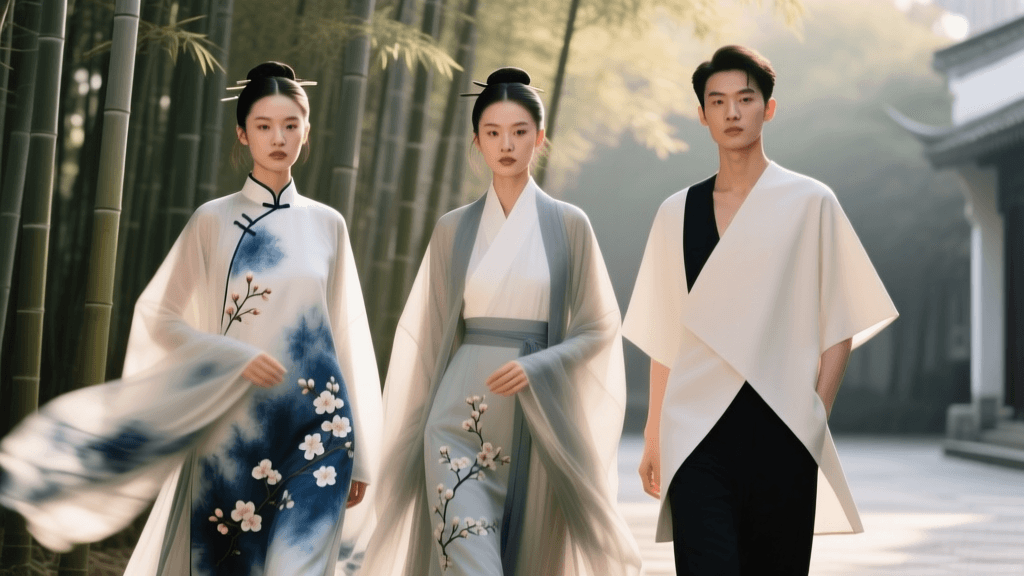
The New Era of Chinese Fashion Journalism: From Niche Forums to Global Runways
The landscape of Asian traditional garment media has undergone a seismic shift. What began in the early 2000s as a niche internet forum movement dedicated to historical reconstruction has, by 2026, evolved into a multi-billion-dollar cultural powerhouse driven by sophisticated digital journalism and high-production content creation. Today, Chinese fashion bloggers and digital journalists are not merely documenting traditional clothing; they are actively shaping global street style, championing sustainable textile practices, and redefining how the world interacts with Hanfu (traditional Han Chinese clothing).
As we navigate 2026, the epicenter of this sartorial revolution lies on platforms like Xiaohongshu (Little Red Book), Bilibili, and Douyin. Here, a new generation of fashion journalists blends rigorous historical research with modern editorial aesthetics. According to foundational reporting by BBC News on the cultural roots of the Hanfu revival, the movement was initially driven by a desire for cultural identity. However, as noted in extensive cultural analyses by Sixth Tone, it has since matured into a highly commercialized, yet deeply educational, fashion ecosystem. In 2026, the most influential creators are those who act as bridge-builders, translating ancestral craftsmanship into a modern, global wardrobe.
Top Content Archetypes and Creators Defining 2026 Hanfu Media
To truly understand the current Hanfu media landscape, one must look beyond individual influencer names and understand the distinct journalistic archetypes that dominate the algorithms this year. These creators are setting the standard for how traditional garments are reviewed, styled, and contextualized.
1. The Historical Reconstructionist
These digital journalists treat fashion as an academic pursuit. Utilizing high-resolution scans from museum archives and collaborating with textile historians, they produce long-form video essays on Bilibili that dissect the exact weave structures of Ming Dynasty Zhuanghua brocades or the precise pleat calculations of a Song Dynasty Baidiequn (hundred-pleat skirt). In 2026, their content is heavily focused on 'debunking' fast-fashion Hanfu brands, holding manufacturers accountable for historical inaccuracies in collar shapes and seam placements. Their reviews are essential reading for purists and collectors willing to invest in museum-grade replicas.
2. The Eco-Dye Artisan Vlogger
Sustainability is the defining narrative of 2026 fashion journalism, and Chinese creators are leading the charge by spotlighting ancient, eco-friendly dyeing methods. These vloggers travel to rural workshops in Guangdong and Guizhou to document the grueling, months-long process of creating Xiangyunsha (gambiered Canton silk). By showcasing the use of natural river mud, potato yam juice, and intense sun-drying, they provide a transparent look at the supply chain. Their content appeals to the eco-conscious luxury consumer, proving that traditional Asian textiles are inherently sustainable, utilizing zero synthetic chemicals and biodegradable plant-based dyes like indigo and madder root.
3. The Street-Style Fusionist
Operating primarily on Xiaohongshu, these creators are the ultimate modern stylists. They treat traditional garments not as costumes, but as versatile wardrobe staples. In 2026, their feeds are dominated by 'corporate Hanfu' styling—pairing structured, pleated Mamianqun (horse-face skirts) with tailored wool blazers, turtleneck sweaters, and leather ankle boots. They provide actionable, daily outfit grids that demonstrate how to navigate modern urban environments, from crowded subways to high-stakes boardroom meetings, while wearing traditional silhouettes.
Platform Comparison for Hanfu Content Consumption in 2026
For global enthusiasts and fashion researchers, knowing where to look is just as important as knowing what to search for. The Chinese digital ecosystem is highly segmented, with each platform serving a distinct journalistic purpose.
| Platform | Primary Format | Best For | 2026 Algorithm Focus |
|---|---|---|---|
| Xiaohongshu | Photo carousels, short vlogs | OOTD, styling guides, artisan brand reviews | High-aesthetic street style, 'Quiet Luxury' Hanfu, corporate styling |
| Bilibili | Long-form video essays | Historical deep-dives, textile weaving tutorials | Educational retention, documentary-style journalism, pattern drafting |
| Douyin | Short-form viral transitions | Before-and-after transformations, trendsetting | High-engagement fusion wear, rapid trend cycles, visual impact |
Key Trends Championed by Digital Journalists This Year
The editorial focus of 2026 has shifted away from the heavy, ornate styles of the High Tang and High Ming periods toward more practical, climate-adaptive, and minimalist aesthetics. Digital journalists are heavily promoting the following trends:
The 'Quiet Luxury' of Song Dynasty Minimalism
Drawing parallels to global 'quiet luxury' trends, Chinese fashion bloggers are elevating Song Dynasty styles (Songzhi). Characterized by slender silhouettes, narrow sleeves, and understated, tone-on-tone embroidery, these garments are being championed as the ultimate expression of refined elegance. Journalists are highlighting the Beizi (a long, open-front coat) as a perfect transitional layering piece for spring and autumn, often crafted from lightweight, breathable silks that adapt well to extreme urban heat islands.
The Mamianqun as Everyday Corporate Armor
The horse-face skirt has officially transcended its status as a 'special occasion' garment. In 2026, fashion critics and street-style photographers are documenting the Mamianqun as a staple of the modern Chinese workplace. Content creators are publishing detailed buying guides on how to select skirts with reinforced, non-slip waistbands, anti-wrinkle synthetic-silk blends for easy care, and darker, muted color palettes suitable for conservative office environments. The journalism here is highly practical, focusing on durability, pleat retention after washing, and versatile styling.
Transparent Supply Chains and Intangible Cultural Heritage
There is a growing journalistic movement to protect 'Intangible Cultural Heritage' (ICH) artisans from mass-market exploitation. Top bloggers are now embedding supply chain transparency into their reviews, providing followers with direct links to rural cooperatives and verified master weavers. This ensures that the financial benefits of the Hanfu boom reach the aging artisans who maintain centuries-old techniques like Kesi (silk tapestry) and Songjin (Song brocade) weaving.
'In 2026, Hanfu journalism is no longer just about recreating the past; it is about translating ancestral sustainability and craftsmanship into a modern, global wardrobe. Our creators are the bridge between the loom and the street.'
Actionable Guide: How to Follow and Engage with Chinese Fashion Creators
For international readers, traditional garment enthusiasts, and fashion students looking to tap into this rich vein of digital journalism, navigating Chinese platforms can initially seem daunting. Here is a practical guide to curating your feed and engaging with the community in 2026.
Step 1: Optimize Your Search with Native Hashtags
English keywords will yield limited results on domestic Chinese platforms. To access the highest quality editorial content, copy and paste these native hashtags into the search bars of Xiaohongshu or Bilibili:
- #汉服 (Hanfu): The essential umbrella term for all traditional Han clothing content.
- #马面裙 (Mamianqun): Use this to find the latest corporate styling guides and skirt reviews.
- #宋制 (Songzhi): Ideal for finding minimalist, lightweight, and summer-appropriate styling inspiration.
- #香云纱 (Xiangyunsha): The key term for exploring eco-friendly, gambiered silk luxury and artisan vlogs.
- #汉服日常 (Hanfu Daily): This tag filters out studio photography and cosplay, showing you how real people wear these garments in everyday 2026 life.
Step 2: Utilize Built-In Translation and Visual Search
While platforms like Xiaohongshu do not have native English interfaces in 2026, global users can leverage screen-translation overlays on mobile devices to read detailed fabric composition breakdowns and sizing charts. Furthermore, use the 'image search' feature: if you see a historical painting or a runway look you love, upload it to the platform to find creators who have reviewed modern, wearable adaptations of that exact silhouette.
Step 3: Support Independent Artisans Over Fast Fashion
Digital journalists frequently publish 'blacklists' and 'whitelists' of Hanfu brands. Pay close attention to creators who highlight 'original design' (原创) and 'custom loom' (定制织机) workshops. When purchasing, look for creators who provide detailed sizing guides that account for traditional flat-cutting, which requires different measurements than Western tailored clothing. Always check the creator's comments section, which often serves as a crowdsourced peer-review forum for garment quality and shipping reliability.
The Future of Traditional Garment Media
As we move deeper into 2026, the line between fashion journalism, historical preservation, and global lifestyle branding continues to blur. Chinese content creators have successfully transformed traditional garments from museum artifacts into living, breathing components of the modern wardrobe. By following these digital journalists, global audiences gain access to a masterclass in sustainable fashion, historical appreciation, and innovative styling. The Hanfu movement is no longer just a Chinese phenomenon; through the lens of these talented creators, it is a global conversation about the future of heritage fashion.