Kimono Fabric Sound & Sensory Experience Guide 2026
The Hidden Dimension of Japanese Fashion: Beyond the Visual
When most people think of the traditional Japanese kimono, the immediate associations are overwhelmingly visual. We picture the vibrant dyed motifs of Kyo-yuzen silk, the intricate geometric patterns of Nishijin-ori brocade, and the striking silhouettes that have graced the streets of Kyoto for centuries. However, to truly understand the kimono in 2026, one must look beyond the surface and engage with the garment’s hidden dimensions: its tactile texture and its distinct auditory presence. The traditional Japanese aesthetic is deeply rooted in multi-sensory experiences, and the kimono is perhaps the most profound wearable example of this philosophy. As global interest in immersive cultural heritage peaks this year, collectors, fashion historians, and travelers are increasingly focusing on how these garments feel against the skin and the unique sounds they produce in motion.
According to the Metropolitan Museum of Art, the evolution of the kimono is not just a history of visual art, but a masterclass in textile engineering. The way a fabric drapes, breathes, and moves is intrinsically tied to its physical construction. In 2026, the appreciation for the sensory experience of Japanese garments has moved from niche academic circles into the mainstream consciousness of luxury fashion and heritage preservation. Understanding the interplay of texture and sound is now considered essential for anyone looking to purchase, preserve, or authentically wear traditional Japanese clothing.
The Auditory Aesthetic: Understanding Kinu-zure
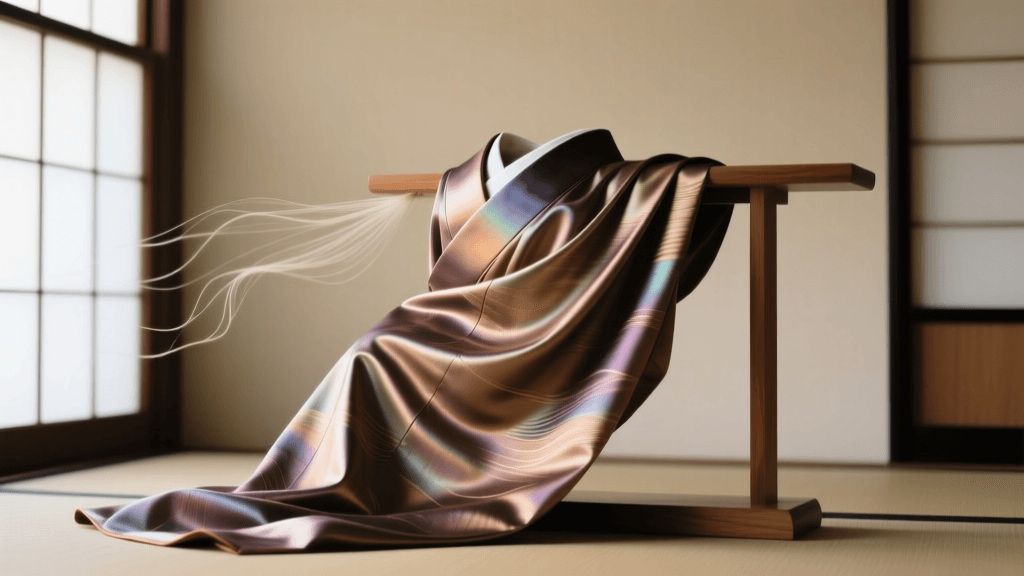
In Japanese, the specific, evocative sound of silk garments rubbing together as the wearer walks is known as kinu-zure (衣擦れ), which translates literally to "silk rustle." This is not merely a byproduct of wearing the garment; it is a highly prized aesthetic quality. Historically, in the quiet wooden corridors of traditional machiya townhouses or the serene gardens of tea estates, the gentle shhh-shhh of a silk kimono announced the wearer's presence with an elegant subtlety that a loud voice or heavy footstep could never achieve. It is an acoustic signature of grace, refinement, and deliberate movement.
The production of this sound relies entirely on the microscopic structure of the silk threads and the weaving technique employed. Friction between the overlapping panels of the kimono—particularly at the sleeves and the lower hem—creates acoustic vibrations. In 2026, master weavers in the Tango and Nishijin regions continue to manipulate thread twist and weave density specifically to tune this acoustic profile. A garment that is entirely silent is often considered lacking in life, while a garment that is too loud suggests poor tailoring or inferior silk. The perfect kinu-zure is a soft, rhythmic whisper that harmonizes with the natural environment, reflecting the deep connection between Japanese fashion and the natural world.
Tactile Profiles: A Deep Dive into 2026’s Premier Kimono Textiles
The tactile experience of a kimono, known as teshari (手触り) or "hand," is equally critical. The way the fabric feels between the fingers dictates how it will drape over the body and how it will respond to the wearer's movements. Let us explore the three most prominent traditional fabrics dominating the heritage market in 2026.
Chirimen (Crepe Silk)
Chirimen is the undisputed king of tactile and auditory kimono fabrics. It is created by using untwisted warp threads and heavily over-twisted weft threads (often twisted up to 3,000 times per meter). When the woven fabric is washed in hot water, the twisted threads contract, creating a distinct, pebbled surface known as shibo. This textured surface feels slightly granular and deeply satisfying to the touch. Because of the microscopic bumps on the fabric's surface, Chirimen produces the most pronounced and beautiful kinu-zure sound. The friction between the pebbled layers creates a rich, resonant rustle that is the gold standard for formal and semi-formal kimono.
Tsumugi (Pongee Silk)
At the opposite end of the spectrum is Tsumugi, a fabric woven from spun silk rather than reeled silk. Traditionally made from pierced or imperfect cocoons, the short silk fibers are spun together much like cotton or wool. The result is a fabric with a matte finish, a slubby texture, and a distinctly rustic, earthy feel. Tactilely, Tsumugi feels warm, substantial, and slightly irregular. Acoustically, it is remarkably quiet. The spun fibers absorb sound rather than reflecting it, making Tsumugi kimono virtually silent when walking. This quietness aligns perfectly with the Zen aesthetic of wabi-sabi, making it a favorite for casual wear, tea ceremony practitioners, and those who prefer understated elegance in 2026.
Rinzu (Satin Damask)
Rinzu is a luxurious silk satin damask characterized by its glossy surface and intricate, tone-on-tone woven patterns. The long float threads used in the satin weave give Rinzu an incredibly smooth, almost liquid feel against the skin. It is cool to the touch and exceptionally supple, allowing for a fluid, heavy drape. The sound of Rinzu is a soft, continuous whisper, lacking the rhythmic crunch of Chirimen but offering a smooth, gliding acoustic profile. It is highly favored for formal occasions and wedding garments where a sense of opulent fluidity is desired.
Comparative Guide: Fabric Texture and Sound Profiles
For collectors and enthusiasts navigating the 2026 market, understanding these sensory distinctions is crucial. The following table provides a quick reference guide to help you identify the perfect fabric for your specific sensory preferences and intended use cases.
| Fabric Type | Tactile Feel (Teshari) | Acoustic Profile (Kinu-zure) | Best 2026 Use Case |
|---|---|---|---|
| Chirimen | Pebbled, slightly granular, warm, resilient | Pronounced, rhythmic, resonant rustle | Formal events, tea ceremonies, autumn/winter wear |
| Tsumugi | Slubby, matte, cotton-like, earthy, warm | Very quiet, muted, sound-absorbing | Casual daily wear, travel, Zen meditation, wabi-sabi aesthetics |
| Rinzu | Ultra-smooth, glossy, cool, fluid, heavy drape | Soft, continuous, gliding whisper | Weddings, high-formal gatherings, stage performances |
| Ro / Sha | Sheer, crisp, lightweight, slightly stiff | Faint, breezy, delicate swish | Summer festivals, July/August formal events, yukata layering |
Sourcing and Experiencing Kimono Textures in 2026
If you are traveling to Japan in 2026 to source authentic kimono, experiencing the sensory qualities of the fabric must be a priority. Visual inspection is no longer sufficient. When visiting the renowned textile districts of Nishijin in Kyoto or the weaving cooperatives in Ojiya, Niigata, you must engage in the practice of teshari testing. According to experts featured in the Victoria and Albert Museum's Asian collections, the physical interaction with historical and contemporary textiles reveals the true mastery of the artisan.
When evaluating a bolt of silk (tanmono), gently rub the fabric between your thumb and forefinger. Listen closely to the sound it makes in a quiet room. For Chirimen, you should feel the distinct bumps of the shibo and hear a crisp, dry crunch. For Tsumugi, close your eyes and feel for the irregular slubs that prove it was hand-spun rather than machine-extruded. In 2026, many high-end boutiques in Tokyo's Ginza district and Kyoto's Gion district offer "sensory viewing rooms"—acoustically treated, climate-controlled spaces designed specifically to allow customers to hear the true kinu-zure of a garment without the interference of modern street noise.
Preservation of Sensory Qualities in the Modern Era
The sensory magic of a silk kimono is fragile. If a silk garment becomes too dry, the sericin (the natural gum in silk) degrades, causing the fabric to become brittle. A brittle Chirimen kimono loses its pebbled resilience, and its beautiful rustle turns into a harsh, papery crackle that signals structural damage. Conversely, excessive humidity can cause the silk to absorb moisture, making it heavy, limp, and entirely silent.
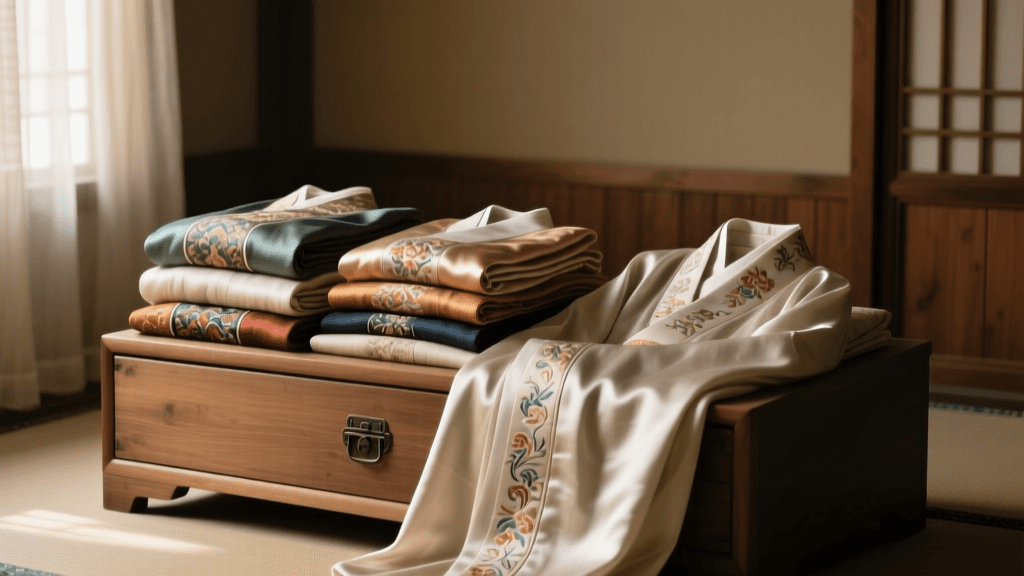
To preserve the acoustic and tactile integrity of these garments in 2026, collectors are moving beyond traditional storage methods. While the classic paulownia wood wardrobe (kiri-tansu) remains the gold standard due to the wood's natural ability to breathe and regulate moisture, modern preservation has embraced technology. Many heritage collectors now utilize IoT-enabled smart sensors placed inside their tansu to monitor the micro-climate in real-time via smartphone apps. Maintaining a strict relative humidity of 50% to 55% and a stable temperature of around 20°C (68°F) ensures that the silk threads retain their optimal elasticity and friction coefficients. Furthermore, the annual ritual of mushiboshi (airing out the garments in the dry autumn breeze) remains a vital practice, allowing the fibers to breathe and resetting their natural acoustic properties.
Conclusion
The traditional Japanese kimono is far more than a beautiful canvas for dye and weave; it is a living, breathing, and sounding entity. In 2026, as we seek deeper, more meaningful connections with the cultural artifacts we wear and collect, the sensory experience of the kimono offers a profound gateway into Japanese aesthetics. By paying attention to the granular touch of Chirimen, the quiet warmth of Tsumugi, and the evocative whisper of kinu-zure, we honor the full intention of the artisans who crafted them. Whether you are a seasoned collector or a first-time buyer, closing your eyes, listening to the silk, and feeling its texture will forever change the way you experience Asian traditional fashion.