Top Chinese Fashion Creators Shaping Hanfu & Qipao Trends 2026
The Evolution of Chinese Fashion Journalism in 2026
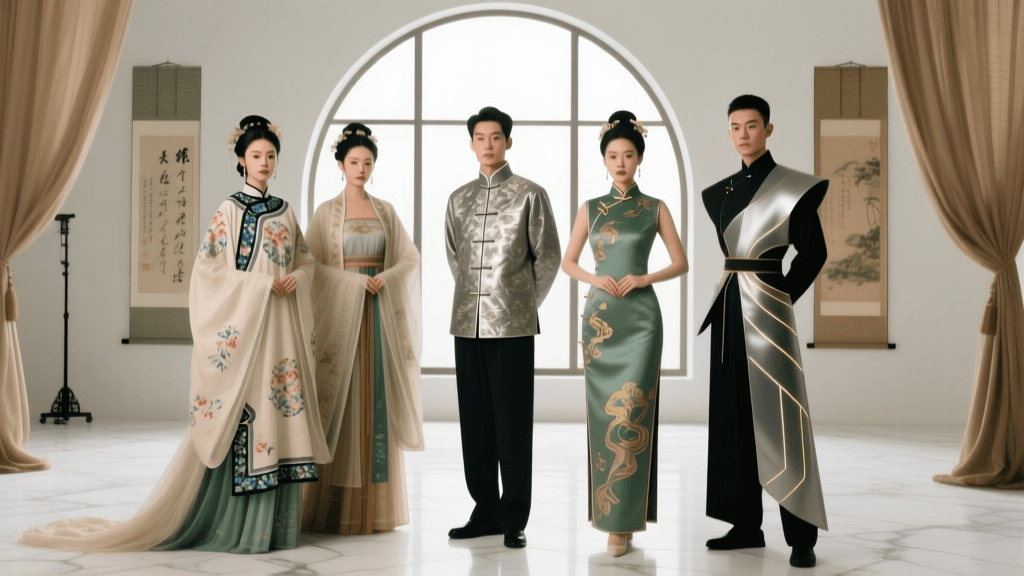
The landscape of Chinese fashion journalism has undergone a radical transformation by 2026. No longer confined to the glossy pages of print magazines or the exclusive runways of Shanghai Fashion Week, the most influential voices in traditional Asian garments now thrive on digital platforms. Content creators, micro-bloggers, and digital historians have formed a new vanguard of fashion journalism, dedicated to the meticulous study, styling, and global promotion of traditional Chinese clothing. From the flowing sleeves of the Tang dynasty Hanfu to the structured elegance of the Republican-era Qipao, these digital journalists are bridging the gap between ancient textile heritage and modern wardrobes.
Today's traditional fashion bloggers are part historian, part textile critic, and part stylist. They do not merely showcase outfits; they deconstruct the socio-political history of a garment's silhouette, analyze the thread count of Song brocade, and investigate the ethical sourcing of natural dyes. This deep-dive approach has cultivated a highly educated consumer base that demands authenticity, historical accuracy, and superior craftsmanship from heritage brands.
True fashion journalism in the modern Guochao era is not just about what looks visually striking; it is about what is historically resonant, culturally significant, and sustainably crafted for the future.
Platform Ecosystems: Where Traditional Fashion Thrives
To understand the impact of Chinese fashion journalism in 2026, one must understand the distinct digital ecosystems where these creators operate. Each platform serves a unique function in the lifecycle of a trend, from academic research to viral commerce.
Xiaohongshu (Little Red Book): The Visual Catalog
Xiaohongshu remains the undisputed epicenter for traditional garment styling and consumer reviews. Fashion journalists on this platform excel at creating highly curated photo carousels that break down the anatomy of an outfit. In 2026, the most successful Xiaohongshu creators focus on the Xin Zhong Shi (New Chinese Style) movement, demonstrating how to pair a traditional Ming dynasty Mamianqun (horse-face skirt) with modern, minimalist knitwear for office-appropriate attire. Their buying guides are heavily scrutinized by followers who rely on them to verify the authenticity of silk blends and the accuracy of traditional Pan Kou (knotted buttons).
Bilibili: The Academic Archive
While Xiaohongshu is for styling, Bilibili is for scholarship. Fashion journalists on Bilibili produce long-form video essays and mini-documentaries that rival academic papers. A popular 2026 content format involves creators visiting rural weaving villages to document the creation of Xiangyunsha (gambiered Canton gauze). These creators meticulously explain the 30-step dyeing process involving yam juice and iron-rich river mud, providing a level of supply-chain transparency that modern consumers demand.
Douyin: The Viral Runway and Live Commerce
Douyin drives the immediate commercial success of traditional garments. Fashion journalists here use quick-transformation videos and live-streaming to showcase the movement and drape of heavy brocades. The algorithmic nature of Douyin allows niche traditional garments, such as the Song dynasty Beizi (a lightweight, open-front jacket), to achieve viral status overnight, often selling out heritage brand inventories within minutes of a creator's review.
Data Table: Platform Comparison for Traditional Garment Journalism
| Platform | Primary Content Format | Audience Demographic | Best Use Case for Creators |
|---|---|---|---|
| Xiaohongshu | Photo Carousels & Short Vlogs | Gen Z & Urban Millennials | OOTD Styling, Sizing Guides, Brand Reviews |
| Bilibili | Long-form Video Essays | History Enthusiasts, Students | Dynastic Accuracy, Textile Deep-Dives, Lore |
| Douyin | Short Video & Live Streams | Mass Market, All Ages | Viral Trendsetting, Live-Commerce, Try-Ons |
| Micro-blogging & Image Threads | Pop Culture Followers, Fans | Industry News, Celebrity Hanfu Spotting |
The Intersection of Heritage and High Fashion
As the global interest in Asian traditions grows, Chinese fashion journalists are increasingly acting as cultural ambassadors. According to market analyses from the Business of Fashion, the domestic luxury and heritage market has seen a massive pivot toward brands that can prove their lineage and artisanal authenticity. Digital journalists are the gatekeepers of this authenticity, frequently calling out fast-fashion brands that appropriate traditional patterns without understanding their cultural significance.
Furthermore, traditional techniques recognized by UNESCO's Intangible Cultural Heritage list, such as Chinese sericulture and silk craftsmanship, are frequently highlighted by top-tier bloggers. By featuring artisans who still use wooden draw-looms to weave complex Song Jin (Song brocade), these creators ensure that ancient techniques remain economically viable in 2026. Cultural publications like Sixth Tone frequently highlight how this digital journalism is revitalizing rural economies by connecting village weavers directly with urban fashion consumers.
Actionable Advice for Aspiring Traditional Fashion Bloggers
For those looking to enter the niche of Asian traditional garment journalism, the barrier to entry in 2026 requires more than just a good camera. It demands rigorous research and a deep respect for the culture. Here is a strategic guide to building an authoritative presence in this space.
1. Master Dynastic Timelines and Silhouettes
The most common mistake amateur bloggers make is conflating different historical periods. You must be able to distinguish between the high-waisted, wide-sleeved silhouettes of the Tang dynasty and the structured, high-collared, pleated garments of the Ming dynasty. Create a personal database of dynastic markers, including specific collar types (e.g., Jiaoling Youren - cross collar, right lapel) and sleeve shapes. Your audience will rely on you for educational accuracy.
2. Develop a Textile Testing Methodology
Modern consumers want to know how traditional fabrics perform in daily life. Develop a standardized 'wear-test' protocol for your reviews. For example, when reviewing a Xiangyunsha silk piece, document how the fabric's stiffness softens over three months of wear, how it reacts to humidity, and the proper methods for dry-cleaning versus spot-treating. Providing this practical, actionable data will establish you as a trusted authority rather than just a visual influencer.
3. Leverage AR and Digital Try-On Technology
In 2026, top fashion journalists are integrating Augmented Reality (AR) into their content. Partner with heritage brands that offer AR filters, allowing your followers to visualize how a specific Qipao cut or Hanfu colorway will look on their own body type before purchasing. Reviewing the fit and drape of a garment using digital twins adds a layer of high-tech utility to your historical journalism.
4. Champion Sustainable and Ethical Sourcing
Traditional Asian garments are inherently tied to natural, eco-friendly dyeing methods. Dedicate a segment of your blog to investigating the dyes used by the brands you review. Highlight the use of indigo, madder root, and gardenia. Expose brands that use synthetic chemical dyes while marketing their clothes as 'traditional.' Your commitment to eco-friendly transparency will attract a loyal, conscientious demographic.
Conclusion
Chinese fashion journalism in 2026 is a vibrant, multi-disciplinary field that honors the past while actively shaping the future of global fashion. By combining rigorous historical research with modern digital storytelling, content creators on platforms like Xiaohongshu and Bilibili are ensuring that traditional garments like the Hanfu and Qipao are not relegated to museum displays, but are lived in, loved, and evolved. For aspiring writers and creators, the opportunity to document this cultural renaissance is both a profound responsibility and an exciting frontier in the world of fashion media.