Kimono Life Stages 2026: Milestone Dressing Guide
The Evolution of Milestone Dressing in 2026
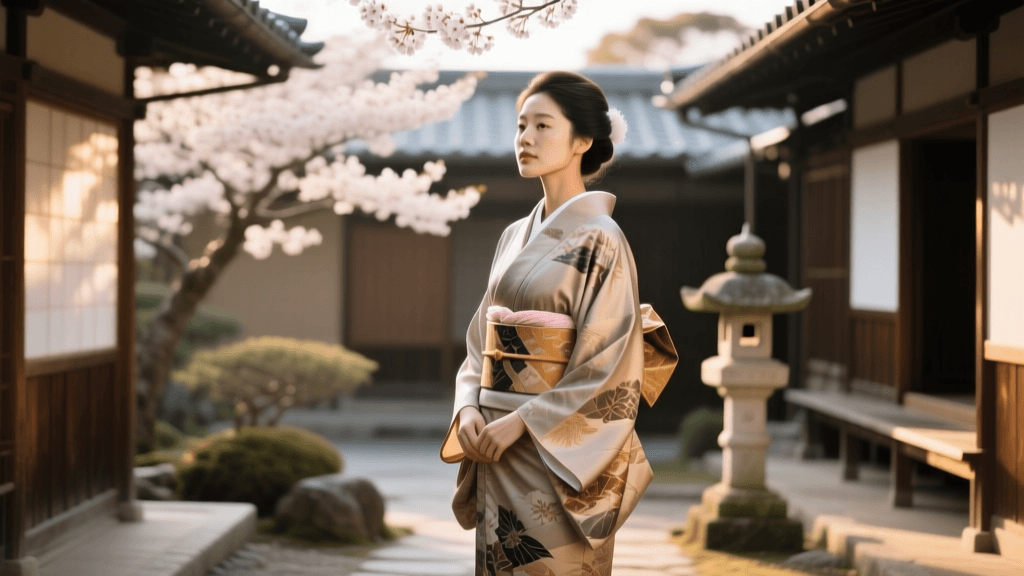
In Japanese culture, the passage of time is not merely marked by birthdays, but by deeply symbolic transitions celebrated through the art of traditional dress. The kimono is far more than a garment; it is a visual language that communicates age, marital status, and the specific milestone being honored. As we navigate 2026, the landscape of traditional Japanese fashion has beautifully merged centuries-old customs with modern sensibilities. Today, eco-friendly silk production, AI-assisted virtual fitting mirrors in Ginza and Kyoto boutiques, and a renewed interest in sustainable textile preservation have redefined how families approach milestone dressing.
Whether you are planning a trip to Japan to participate in a local festival, researching for a cultural exhibition, or seeking to honor your own heritage, understanding the nuanced rules of kimono for different life stages is essential. This comprehensive guide explores the garments, accessories, and evolving traditions that define the Japanese lifecycle in 2026.
Shichi-Go-San: Celebrating Childhood (Ages 3, 5, and 7)
Held annually on November 15th, Shichi-Go-San (Seven-Five-Three) is a beloved rite of passage celebrating the growth and health of young children. As noted by cultural authorities like the Japan Guide, this tradition dates back to the Heian period, reflecting historical infant mortality rates where reaching these ages was considered a monumental blessing.
Age Three: The Hifu Vest
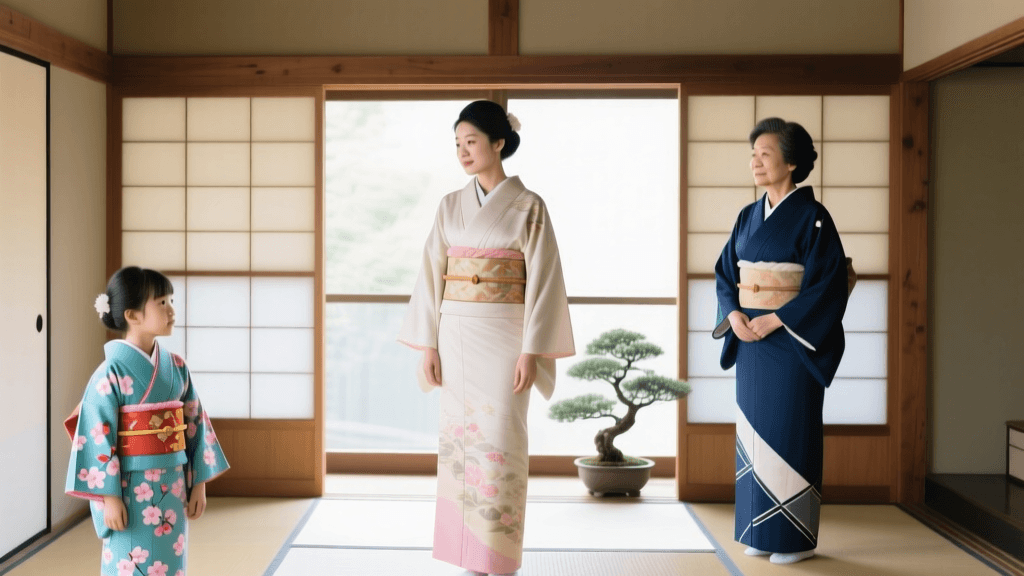
For three-year-old girls, the 2026 trend continues to favor the hifu, a padded, sleeveless silk vest worn over a brightly patterned kimono. Because toddlers cannot endure the tight binding of a traditional obi, the hifu elegantly conceals a simple, soft tie. Modern parents in 2026 often opt for rental packages that include washable, stain-resistant synthetic blends for the inner layers, reserving pure silk for the outer hifu. Boys at age three may wear a simple kimono with a haori (jacket), though the major celebration for boys is typically reserved for age five.
Age Five: Haori and Hakama
Five-year-old boys are dressed in a formal haori and hakama (pleated trousers). In 2026, there is a notable resurgence in vintage, hand-painted family crests (kamon) being restored and applied to modern, breathable silk-blend hakama. The boy holds a traditional fan (sensu) and wears zori sandals with white tabi socks. The aesthetic is one of miniature samurai nobility, projecting strength and familial pride.
Age Seven: The Yotsutsu-Obi
At age seven, girls transition from the simple ties of early childhood to a more structured, albeit simplified, adult-style kimono. They wear a yotsutsu-obi, a narrow, soft sash tied in a decorative knot at the back, often resembling a butterfly (bunko musubi). The kimono patterns are typically auspicious, featuring cranes, pine trees, or rabbits, symbolizing longevity and good fortune.
Seijin-shiki: The Furisode and Coming of Age
Seijin no Hi (Coming of Age Day) occurs on the second Monday of January. A major cultural shift occurred when Japan officially lowered the legal age of adulthood to 18 in 2022. However, by 2026, the cultural consensus and municipal practices have firmly stabilized: the grand kimono ceremonies are still overwhelmingly held for 20-year-olds. This practical adaptation ensures that 18-year-olds can focus on high school graduation and university entrance exams without the logistical and financial burden of organizing a massive furisode event.
The Furisode: Sleeves of Youth
The furisode is the most formal kimono for unmarried young women, instantly recognizable by its long, flowing sleeves. In 2026, the market is divided into three sleeve lengths:
- Kofurisode (Short Sleeves): Approximately 85cm. Rare for Seijin-shiki, but sometimes worn for graduation ceremonies.
- Chufurisode (Medium Sleeves): Approximately 100cm. The most popular and practical choice for 20-year-olds in 2026, offering a balance of dramatic flair and mobility.
- Ohfurisode (Long Sleeves): Approximately 114cm. Reserved for brides or extremely formal, high-budget ceremonies.
Contemporary 2026 styling has seen a departure from strictly traditional floral motifs. While classic cherry blossoms and peonies remain popular, there is a massive surge in demand for Art Deco-inspired geometric patterns and rich, jewel-toned dyes (such as deep emerald and sapphire) achieved through modern, eco-conscious dyeing techniques. The obi is tied in elaborate, voluminous knots like the fukura-suzume (puffed sparrow) or tateya (standing arrow), requiring the skill of a professional kitsuke (kimono dresser).
Shiromuku and Uchikake: The Bridal Transition
Marriage represents the most visually dramatic transition in Japanese traditional dress. According to extensive cultural archives on Japanese wedding ceremonies, the bridal wardrobe is a masterclass in symbolism, purity, and rebirth.
Shiromuku: The Pure White
The shiromuku is an entirely white ensemble, symbolizing the bride's purity and her willingness to be "dyed" in the colors of her new family. In 2026, the shiromuku is not just flat white; it features intricate, tone-on-tone woven patterns (rinzu damask) that catch the light, depicting hidden cranes and plum blossoms. The bride wears a wataboshi (a white silk hood) or a tsunokakushi (a decorative white band) to symbolize the hiding of any "horns" of jealousy or ego.
Irouchikake: The Colorful Outer Robe
Following the Shinto ceremony, the bride often changes into an irouchikake for the reception. This is a heavily padded, luxurious outer robe worn open over a base kimono. While vibrant red remains a classic symbol of vitality and protection against evil spirits, 2026 bridal trends show a strong preference for soft pastels, metallic gold threading, and deep royal purples. The weight of a high-end, hand-embroidered uchikake can exceed 5 kilograms, making posture and the assistance of an attendant essential.
Kanreki and Beyond: Honoring the Elder Years
As individuals enter their later years, the kimono palette shifts toward understated elegance and profound symbolism. The 60th birthday, known as Kanreki, marks the completion of one full cycle of the traditional sexagenary calendar. It is celebrated as a rebirth.
The Red Chanchanko and Iromuji
Traditionally, the Kanreki celebrant wears a red chanchanko (a padded, sleeveless vest) and a red zukin (hood), representing the red of a newborn baby. While some families in 2026 still uphold this playful tradition at private dinners, the more common public and formal attire for a 60-year-old woman is a high-quality iromuji (a solid-colored kimono with woven crests) or an edo-komon (featuring ultra-fine micro-patterns). These garments are paired with a taiko musubi (drum knot) obi, which is dignified, flat, and appropriate for married or older women. Men in their 60s and beyond typically wear subdued, dark-colored kimono with a formal black haori adorned with the family's five crests.
2026 Kimono Milestone Cost and Rental Guide
The economics of traditional garments have shifted in 2026. With the rising cost of artisanal silk, the rental market has become highly sophisticated, offering premium, museum-quality replicas alongside authentic vintage restorations. Below is a comparative guide to the estimated costs for 2026.
| Life Stage / Milestone | Primary Garment | 2026 Avg. Rental Cost (JPY / USD) | 2026 Avg. Purchase Cost (JPY / USD) | Key Accessories Included |
|---|---|---|---|---|
| Shichi-Go-San (Age 3 Girl) | Kimono with Hifu Vest | ¥15,000 - ¥25,000 ($100 - $165) | ¥80,000 - ¥150,000 ($530 - $1,000) | Zori sandals, hair ornaments, hifu |
| Shichi-Go-San (Age 5 Boy) | Haori and Hakama | ¥12,000 - ¥20,000 ($80 - $135) | ¥70,000 - ¥120,000 ($460 - $800) | Kaiken (dagger), sensu (fan), tabi |
| Seijin-shiki (Age 20 Woman) | Chufurisode | ¥50,000 - ¥120,000 ($330 - $800) | ¥300,000 - ¥800,000+ ($2,000 - $5,300+) | Fukuro obi, zori, collar, undergarments |
| Wedding (Bride) | Shiromuku / Irouchikake | ¥250,000 - ¥400,000 ($1,650 - $2,650) | ¥1,000,000 - ¥3,000,000+ ($6,600 - $20,000+) | Wataboshi, boxwood comb, embroidered tabi |
| Kanreki (60th Birthday) | Iromuji / Red Chanchanko | ¥30,000 - ¥60,000 ($200 - $400) | ¥150,000 - ¥350,000 ($1,000 - $2,300) | Nagoya or Fukuro obi, taiko accessories |
Note: 2026 USD conversions are approximate and subject to currency fluctuations. Rental packages in major tourist hubs like Kyoto and Asakusa typically include full dressing services and professional hair styling, which account for a significant portion of the rental cost.
Preservation, Education, and Global Influence
The survival of these intricate life-stage traditions relies heavily on education and preservation. In 2026, organizations and global institutions are working tirelessly to ensure the techniques of weaving, dyeing, and kitsuke are passed down. The Victoria and Albert Museum in London, alongside Japanese heritage foundations, continues to highlight the kimono not as a static relic of the past, but as a dynamic garment that has continuously evolved through trade, international design influence, and shifting social norms.
For modern practitioners, the integration of digital archives and 3D weaving analysis has allowed artisans to recreate lost Edo-period dye recipes, ensuring that a child celebrating Shichi-Go-San or a bride walking down the aisle in 2026 is wrapped in the very best of both ancestral wisdom and contemporary innovation. Understanding these life stages is not just about fashion; it is about honoring the deeply human desire to mark the passage of time with beauty, intention, and grace.