Tomesode vs Furisode: 2026 Guide to Formal Kimono Types
Introduction to Japanese Formal Garments in 2026
The landscape of traditional Japanese garments has experienced a remarkable renaissance by 2026, driven by a global appreciation for sustainable fashion, artisanal craftsmanship, and cultural heritage. While the kimono is universally recognized as Japan's national dress, the nuanced rules governing its wear remain a complex and fascinating study in sartorial etiquette. For those navigating the world of high-formality Japanese dress, understanding the distinction between the two most prominent garment types—the furisode and the tomesode—is absolutely essential.
According to The Metropolitan Museum of Art, the kimono evolved from a simple T-shaped robe into a highly codified system of dress that communicates the wearer's age, marital status, and the formality of the occasion. In 2026, while everyday kimono wear has declined, formal garments like the furisode and tomesode continue to thrive at weddings, coming-of-age ceremonies, and high-level tea gatherings. This comprehensive guide will dissect the anatomy, formality rules, and modern market realities of these two magnificent garment types.
Understanding the Furisode: The Unmarried Woman's Canvas
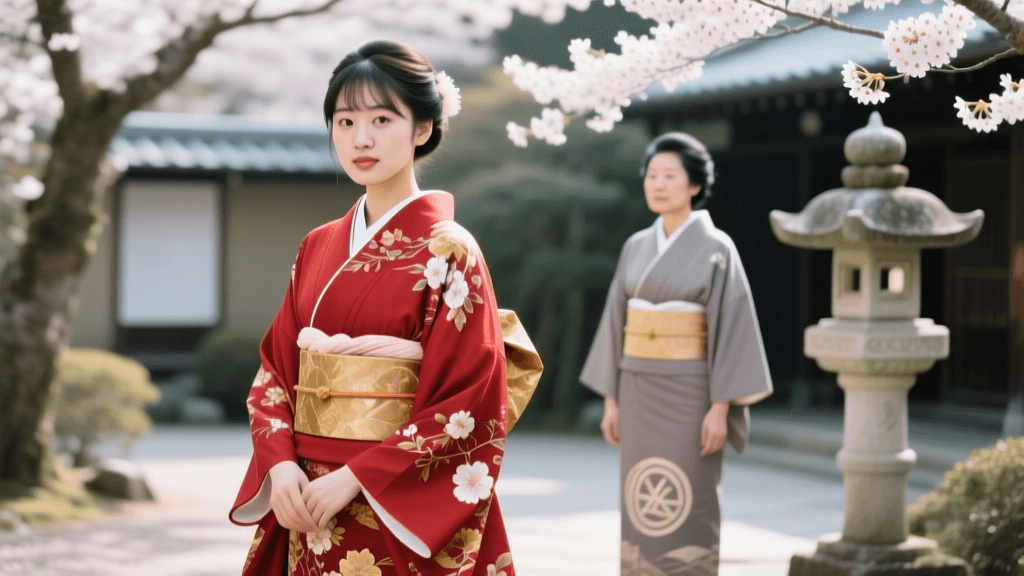
The word furisode translates literally to 'swinging sleeve.' Characterized by its dramatically long, flowing sleeves, the furisode is the most formal kimono reserved exclusively for unmarried women. Historically, the swinging sleeves were believed to ward off evil spirits and, perhaps more romantically, to signal a woman's availability for marriage. Today, it remains the undisputed queen of celebratory wear for young, single women.
Sleeve Lengths and Formality
Not all furisode are created equal. The formality of the garment is directly tied to the length of its sleeves, which are categorized into three distinct tiers:
- Oburisode (Large Furisode): Featuring sleeves that measure 114 centimeters or longer, this is the most formal tier. In 2026, oburisode are predominantly seen at highly traditional weddings where the unmarried woman is a close relative of the bride or groom, or at the most prestigious tea ceremonies.
- Chuburisode (Medium Furisode): With sleeves measuring around 99 centimeters, this is the most common type seen today. It is the standard choice for Seijin-shiki (Coming of Age Day) celebrations, offering a balance of dramatic elegance and practical mobility.
- Koburisode (Small Furisode): Measuring approximately 85 centimeters, the koburisode is the least formal of the three. It is often worn to graduation ceremonies or slightly less formal banquet events.
Modern 2026 Styling Trends for Furisode
While the foundational rules remain intact, 2026 has seen a surge in creative styling among Gen Z wearers in Japan. Traditional yuzen dyeing techniques are now being paired with vintage lace han-eri (decorative collars) and contemporary obijime (braided cords) featuring metallic threads or subtle Swarovski crystal accents. Furthermore, the rise of eco-conscious fashion has led to a massive boom in the 'recycled kimono' market, where young women purchase high-quality vintage furisode from the Showa era and restyle them with modern, minimalist obi belts.
The Tomesode: Pinnacle of Married Women's Formality
If the furisode is the vibrant canvas of youth, the tomesode is the refined, dignified masterpiece of married womanhood. The term translates to 'fastened sleeve,' referring to the historical practice of shortening the long sleeves of a furisode and sewing them up after a woman married, symbolizing her transition into a settled, mature phase of life. Today, the tomesode is the highest level of formal wear for married women, equivalent in Western sartorial terms to a formal evening gown or a highly tailored tailored suit.
Kurotomesode vs. Irotomesode
The tomesode category is split into two distinct sub-types, each with strict rules regarding usage:
- Kurotomesode (Black Tomesode): This is a black silk kimono featuring five mon (family crests) and a continuous, elaborate pattern (eba) that flows seamlessly across the lower half of the garment, below the obi. The black background signifies ultimate formality. According to Encyclopedia Britannica, the kurotomesode is strictly reserved for married female relatives of the bride and groom at weddings. It is never worn to other events, nor is it appropriate for unmarried women to wear.
- Irotomesode (Colored Tomesode): This version features a colored background (such as deep plum, navy, or sage green) instead of black. It can feature one, three, or five family crests. The irotomesode is slightly more versatile; while married women wear it to weddings and imperial garden parties, unmarried women of a certain mature age (typically over 30) may also wear a one-crest or three-crest irotomesode to highly formal daytime events where a furisode might feel overly flamboyant.
The Significance of the Mon (Family Crests)
In 2026, the application of the mon remains a critical indicator of formality. A five-crest (itsutsumon) tomesode is the absolute peak of formalwear. The crests are placed on the back of the neck, the back of both sleeves, and both sides of the front chest. Artisans who specialize in mon-uwae (crest application) continue to use traditional resist-dyeing and hand-painting techniques, though high-precision digital textile printing has emerged as a cost-effective alternative for rental garments.
Direct Comparison: Furisode vs. Tomesode
To help you navigate the complexities of Japanese formalwear, refer to the comparison chart below detailing the structural and situational differences between these garments in the current market.
| Feature | Furisode | Kurotomesode | Irotomesode |
|---|---|---|---|
| Marital Status | Unmarried women only | Married women only | Married women (primarily) |
| Sleeve Length | 85cm to 114cm+ | Standard (approx. 50cm) | Standard (approx. 50cm) |
| Pattern Placement | All over the garment | Lower half only (Eba) | Lower half only (Eba) |
| Number of Crests | None | Five (Always) | One, Three, or Five |
| Primary Occasion | Coming of Age, Weddings (Guest) | Weddings (Close Relative) | Weddings, Formal Banquets |
| 2026 Avg. Rental Price | ¥80,000 - ¥150,000 | ¥100,000 - ¥180,000 | ¥70,000 - ¥140,000 |
Sourcing and Pricing Authentic Garments in 2026
The economics of purchasing a brand-new, bespoke kimono in 2026 reflect both the premium nature of traditional craftsmanship and the global realities of silk production. A custom-ordered, hand-dyed furisode from a prestigious Kyoto atelier like Chiso or Kawashima Selkon can easily range from ¥800,000 to over ¥2,000,000 (approximately $5,500 to $14,000 USD). This price accounts for the master dyer's time, the premium domestic silk (often from the remaining sericulture farms in Gunma or Fukushima), and the intricate gold-leaf (surihaku) application.
Conversely, the 2026 vintage kimono market is thriving. Platforms specializing in upcycled and recycled garments offer stunning, well-preserved furisode and tomesode for between ¥30,000 and ¥80,000. For international buyers and modern enthusiasts, purchasing a vintage piece and investing in professional cleaning and modern tailoring adjustments is the most sustainable and cost-effective route to owning an authentic formal garment.
Essential Accessories: Obi, Obijime, and Zori
A kimono is incomplete without its accompanying accessories, which in 2026 can often cost as much as the garment itself. For both furisode and tomesode, the correct choice of obi is the Fukuro obi. This is a formal, double-width belt woven with intricate gold and silver threads. While the traditional Maru obi (fully patterned on both sides) is historically the most formal, its immense weight and stiffness have made the slightly lighter Fukuro obi the standard for modern wearers.
The obijime (the cord that secures the obi knot) and obidome (the decorative clasp) offer a space for personal expression. In 2026, we are seeing a trend toward obidome crafted by contemporary Japanese jewelers, incorporating materials like titanium, resin, and ethically sourced pearls, bridging the gap between Edo-period tradition and modern jewelry design. Finally, formal zori sandals covered in brocade or vinyl, paired with white tabi socks, complete the silhouette.
Garment Care and Preservation
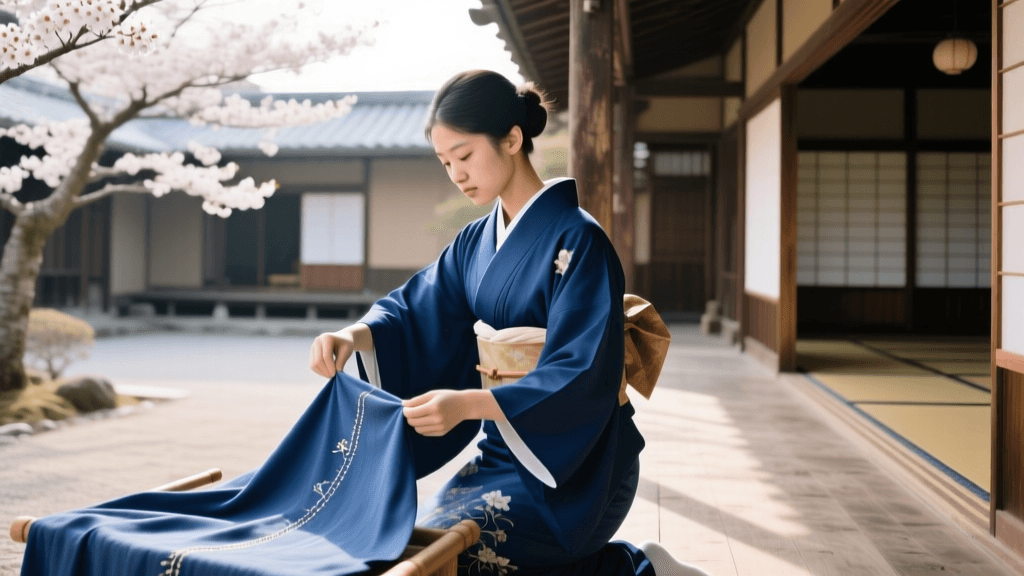
Maintaining these delicate silk garments requires specialized care. In 2026, the traditional arai-hari method—where the kimono is completely unsewn into flat panels, washed, stretched on wooden frames, and resewn—is still practiced by master artisans for high-end heirloom pieces. However, for routine maintenance, advanced ozone-cleaning chambers and specialized silk dry-cleaning solvents have become the industry standard, effectively removing odors and light stains without damaging the delicate yuzen dyes or metallic threads. Proper storage in acid-free tatou paper and wooden tansu chests remains crucial to preventing humidity damage and yellowing.
Conclusion
Navigating the world of Japanese formal garments requires an understanding of history, an eye for detail, and a respect for cultural codification. Whether you are marveling at the sweeping, youthful elegance of a furisode or the grounded, majestic authority of a tomesode, these garments represent the pinnacle of Japanese textile art. As we move through 2026, the continued fusion of sustainable vintage sourcing with modern styling ensures that these magnificent traditions will not only be preserved in museums but will continue to be lived, worn, and celebrated for generations to come.