Best Japanese Fashion Blogs For Traditional Garments In 2026
The Digital Renaissance of Japanese Garment Journalism in 2026
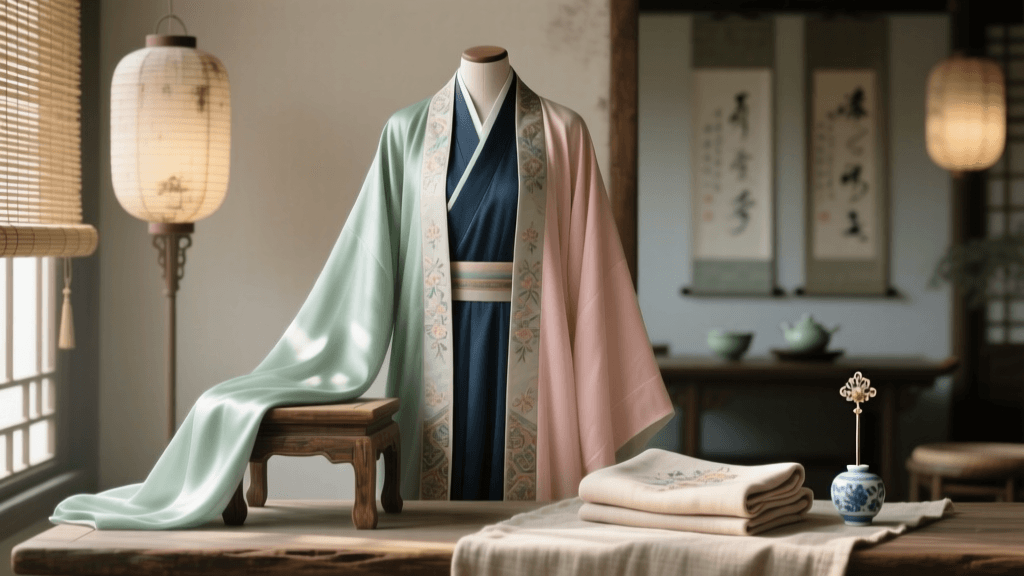
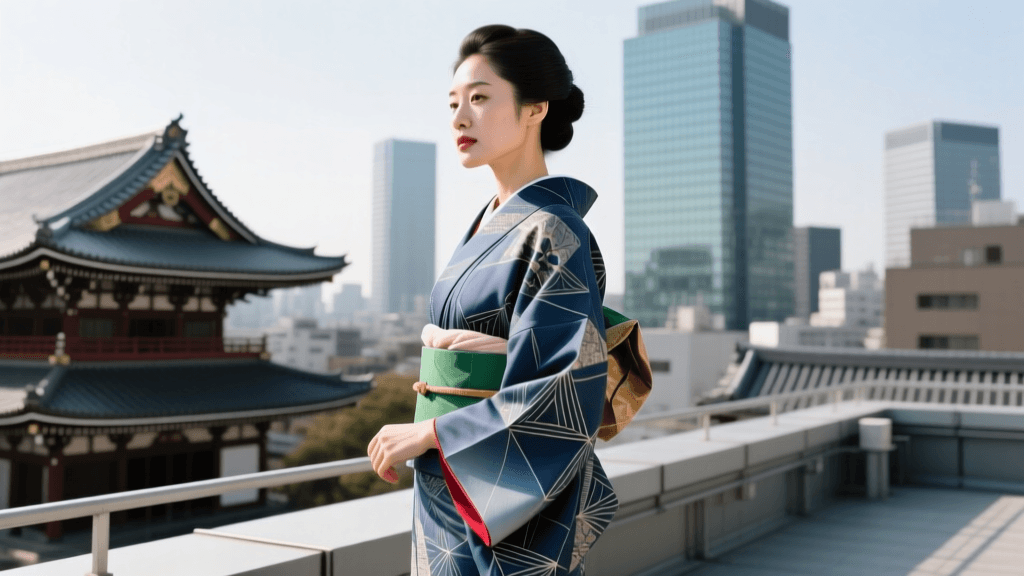
The landscape of Japanese fashion journalism has undergone a radical transformation as we navigate through 2026. While legacy print publications like Utsukushii Kimono and Kimono Grace once dominated the newsstands with their glossy, seasonal editorials, the true vanguard of traditional garment coverage has migrated to the digital sphere. Today, a vibrant ecosystem of independent blogs, niche digital magazines, and culturally focused online journals is redefining how the world interacts with traditional Asian textiles. This shift is not merely a change in medium; it represents a fundamental evolution in how traditional garments—such as the kimono, hakama, and haori—are contextualized for a modern, global audience. In 2026, fashion journalism is no longer just about showcasing beautiful fabrics; it is about sustainability, the preservation of artisanal techniques, and the radical reimagining of historical silhouettes in contemporary streetwear.
Leading Online Publications Covering Traditional Textiles
For readers and researchers seeking authoritative, deeply researched content on Japanese traditional garments, several digital publications stand out in 2026. Mainstream cultural desks have recognized the enduring appeal of heritage fashion, dedicating substantial resources to covering the intersection of historical textiles and modern design. The The Japan Times Culture Section has been instrumental in documenting the 'Neo-Kitsuke' movement emerging from Harajuku and Daikanyama. Their fashion journalists frequently profile young designers who are deconstructing vintage tsumugi (pongee silk) and repurposing deadstock obi into modern structural garments. This level of mainstream coverage validates traditional textiles as a vital, living component of the global fashion conversation rather than a static museum artifact.
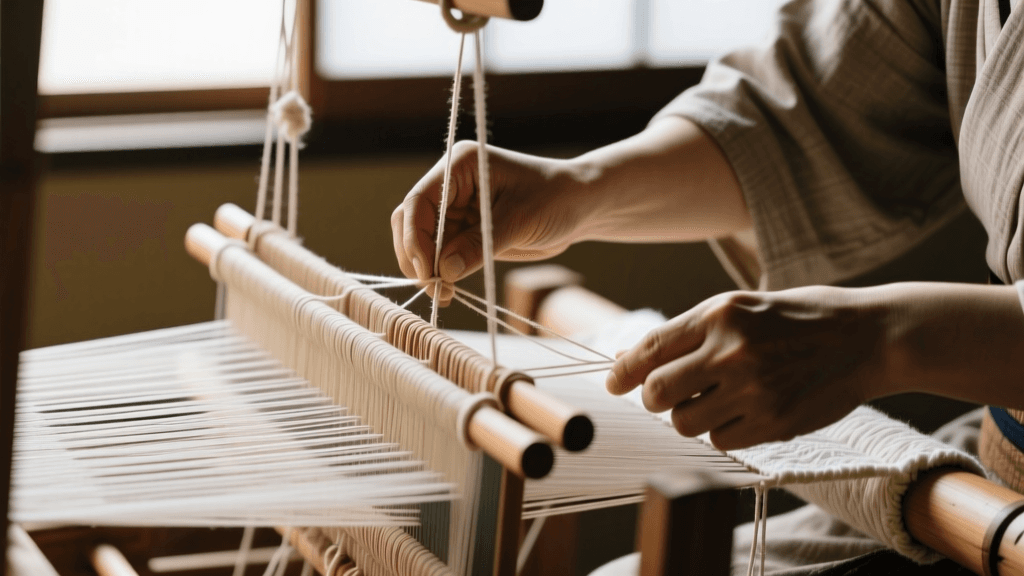
On the more academic and artisanal end of the spectrum, the Kyoto Journal remains an indispensable resource. While not exclusively a fashion magazine, its long-form essays on traditional arts provide the essential historical and technical context that serious fashion journalists rely upon. In 2026, their deep-dive features on the dwindling number of Nishijin-ori master weavers and the environmental impact of synthetic versus natural indigo dyeing processes offer unparalleled insight. For fashion writers, these essays serve as the foundational research required to write accurately about the provenance and craftsmanship of high-end traditional garments.
The Independent Bloggers Reshaping Kitsuke
Beyond established publications, the most exciting developments in 2026 are happening on independent fashion blogs and creator-led digital zines. A new generation of Japanese fashion bloggers is dismantling the rigid, traditional rules of kitsuke (the art of kimono dressing) and replacing them with a philosophy of personal expression and functional adaptation. These independent writers are documenting how to style a vintage haori over wide-leg denim, how to utilize obijime (decorative cords) as modern minimalist necklaces, and how to adapt heavy winter hikizuri for contemporary climate realities through strategic layering and modern textile treatments.
These blogs thrive on authenticity and hyper-specific expertise. Unlike the generalized fashion advice found on global aggregator sites, Japanese independent bloggers in 2026 are focusing on micro-niches. You will find entire blogs dedicated solely to the history and styling of shibori (tie-dye) yukata, or digital journals that review the durability and drape of modern, washable polyester kimono blends versus traditional silk. This granular approach to fashion journalism caters to a highly engaged audience of collectors, vintage dealers, and cultural enthusiasts who demand technical accuracy alongside aesthetic inspiration.
Media Landscape: Traditional Fashion Formats in 2026
To understand where to find the best content, it is helpful to analyze how different media formats are currently serving the traditional fashion niche. The following table outlines the primary formats dominating Japanese garment journalism this year.
| Media Format | Primary Focus | 2026 Audience Trend |
|---|---|---|
| Legacy Print Magazines | High-end editorial, seasonal formal collections | Declining readership, shifting to rare collector editions |
| Digital Substacks & Newsletters | Niche textile history, artisan interviews, market analysis | Rapid growth among global researchers and vintage buyers |
| Independent Street-Style Blogs | Neo-kitsuke, daily styling, upcycling, Harajuku fashion | Dominant among Gen Z, millennials, and global streetwear fans |
| Interactive WebAR Zines | Virtual fittings, 3D textile analysis, digital archives | Emerging platform for tech-driven fashion enthusiasts |
The Role of Archival Institutions in Digital Journalism
A critical component of modern Japanese fashion journalism is the integration of institutional archives into digital storytelling. In 2026, fashion bloggers and online magazines are increasingly collaborating with historical institutions to provide visual proof and historical context for their articles. The Kyoto Costume Institute has expanded its digital footprint, offering high-resolution, 360-degree digital archives of historical garments dating back to the Edo period. Contemporary fashion journalists frequently embed these archival images alongside modern street-style photography to draw direct lines of inspiration between centuries-old kosode designs and the avant-garde silhouettes seen on today's Tokyo runways. This synthesis of academic archiving and modern fashion blogging elevates the discourse, ensuring that the rich history of Asian traditions is preserved and accurately represented in the digital age.
Interactive Journalism: WebAR and the Digital Fitting Room
One of the most defining characteristics of Japanese online fashion magazines in 2026 is the integration of Web-based Augmented Reality (WebAR). Leading digital publications are no longer satisfied with static images of complex obi knots or intricate yuzen dye patterns. Instead, they are embedding interactive 3D models directly into their editorial spreads. Readers can use their smartphones to project a life-sized, historically accurate furisode into their living room, examining the drape of the silk and the structure of the taiko musubi (drum knot) from every angle. This technological leap has revolutionized how traditional garments are taught and appreciated online, bridging the gap between reading about a garment and experiencing its physical presence.
Actionable Guide: Pitching to Japanese Fashion Editors in 2026
For aspiring fashion writers and freelancers looking to contribute to this thriving digital ecosystem, understanding the editorial priorities of 2026 is crucial. Japanese online magazines and independent blog editors are currently seeking pitches that go beyond superficial aesthetics. Here is a strategic guide to crafting a successful pitch in the traditional garment space:
- Focus on Upcycling and Sustainability: The 2026 Tokyo Sustainable Textile Summit highlighted the urgent need to address the massive surplus of vintage kimono in Japan. Pitches that explore how young designers are upcycling damaged silk into modern accessories, or how traditional boroboro (mending) techniques are being applied to contemporary denim, are highly sought after.
- Highlight Artisan Technology: Do not just write about the history of a craft; write about its future. Editors want stories on how 3D weaving technology is being used to preserve endangered Nishijin patterns, or how AI is helping artisans recreate lost natural dye formulas from the Meiji era.
- Embrace the 'Neo-Kitsuke' Lifestyle: Practical, actionable styling guides perform exceptionally well. Pitch articles that teach readers how to adapt traditional garments for modern climates, such as selecting breathable ro (gauze) fabrics for increasingly hot summers, or how to properly store and maintain vintage textiles in high-humidity environments.
- Include Multimedia Proposals: Because digital magazines in 2026 rely heavily on interactive elements, always include a multimedia strategy in your pitch. Propose accompanying your article with a short-form video series on obi-tying, or suggest integrating an interactive glossary of traditional textile terms.
Conclusion: The Future of Traditional Garment Media
As we move further into 2026, it is clear that Japanese fashion journalism blogs and online magazines are the primary custodians of traditional garment culture. By blending rigorous historical research with cutting-edge digital interactivity and a fierce commitment to sustainability, these platforms are ensuring that the kimono, yukata, and hakama remain relevant, dynamic, and deeply respected. Whether you are a seasoned collector, a fashion student, or simply an admirer of Asian traditions, immersing yourself in this digital renaissance offers an unparalleled education in the art, history, and future of Japanese textiles.