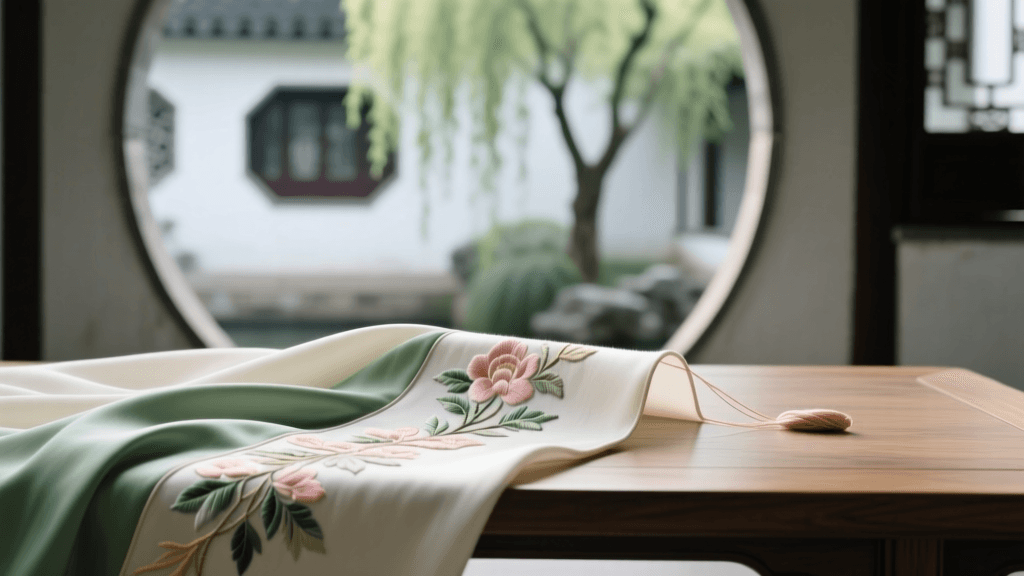
Japanese Jibata Loom Weaving & Kasuri Techniques Guide 2026
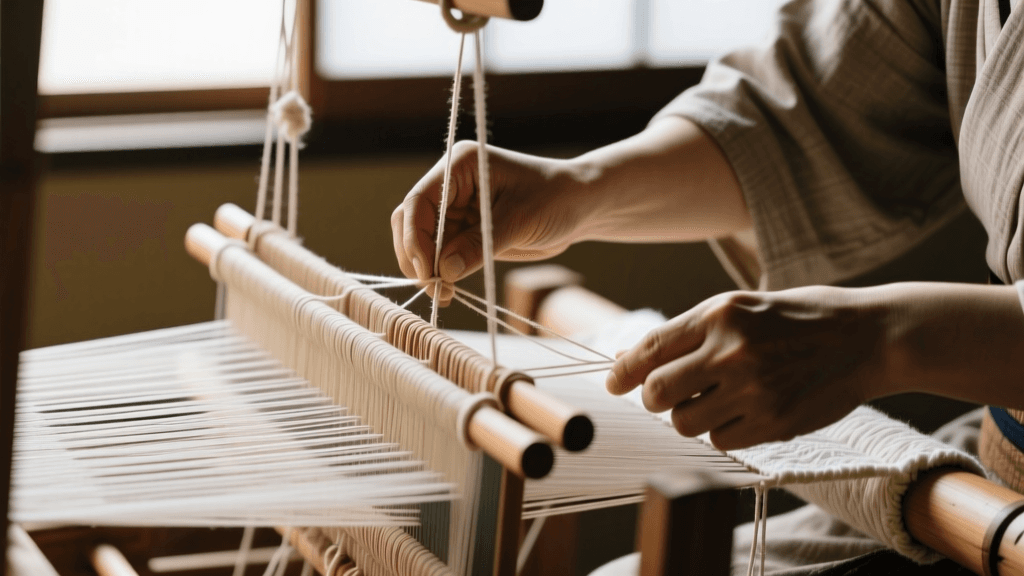
The Renaissance of the Jibata Loom in 2026
In the evolving landscape of global textile arts, the traditional Japanese Jibata (floor loom) is experiencing a profound renaissance. As we navigate 2026, a growing movement of artisans, sustainable fashion designers, and cultural preservationists are turning away from mass-produced fabrics, seeking the rhythmic, meditative, and highly technical practice of Japanese hand-weaving. Unlike Western jack-type looms, the Jibata operates on a unique counter-balance or counter-march system, often utilizing a specialized seating arrangement that engages the weaver's entire body. This guide explores the intricate mechanics of the Jibata, the meticulous art of Kurume Kasuri (ikat), and how traditional weaving methods are being preserved and adapted in 2026.
Anatomy of the Traditional Jibata (Floor Loom)
To master Japanese hand-weaving, one must first understand the architecture of the Jibata. Historically crafted from dense, aged Japanese cypress (hinoki) or keyaki (zelkova), the loom is designed to maintain absolute warp tension, which is critical for complex pattern weaving.
- Chikiri (Warp Beam): The rear beam where the unwoven warp threads are stored. In traditional setups, tension is maintained by a friction brake or a weighted rope system, though 2026 hybrid models often incorporate discreet magnetic tensioners.
- Makitori (Cloth Beam): The front beam where the finished textile is wound. The weaver advances the cloth using a ratchet and pawl mechanism, ensuring the weave remains at a consistent distance from the reed.
- Sokobako (Harness Box): Houses the soko (heddles), which are traditionally made from twisted hemp or cotton cord, though modern artisans frequently use durable, low-friction synthetic equivalents to reduce warp abrasion.
- Osa (Reed): A comb-like structure made of bamboo or metal that beats the weft yarn into place. The density of the reed (measured in dents per inch) dictates the final fabric's drape and strength.
- Hi (Shuttle): The boat-shaped vessel carrying the weft bobbin (hii). Japanese shuttles are uniquely shaped with tapered, polished ends to glide effortlessly through the shed, minimizing snagging on delicate silk or hand-spun cotton.
Sourcing and Pricing a Jibata Loom in 2026
Acquiring a Jibata in 2026 requires navigating a niche market of antique restorers and contemporary loom wrights. Due to the shrinking number of traditional woodworkers specializing in loom construction, prices have steadily appreciated over the last decade.
Antique Jibata (Meiji to Mid-Showa Era): Fully restored antique looms, often sourced from abandoned weaving cooperatives in regions like Gunma or Niigata, currently range from ¥450,000 to ¥800,000 ($3,000 to $5,300 USD). These require careful inspection of the wooden heddles and beam warping.
Contemporary Hybrid Jibata: Master craftsmen in Kyoto and Fukui are currently producing modernized Jibata looms that retain the traditional wooden frame but integrate 2026 ergonomic upgrades, such as adjustable aluminum treadle linkages and precision-milled steel ratchets. These bespoke units start at ¥1,500,000 ($10,000 USD) and often have a waitlist of up to 14 months.
Mastering Kurume Kasuri: The Tie-Dye Weave
The Jibata is the preferred loom for weaving Kasuri, the Japanese iteration of ikat. Kurume Kasuri, originating from Fukuoka Prefecture, is renowned for its intricate, geometric cotton patterns that possess a characteristic soft blur (kasuri translates roughly to "blurred" or "hazy"). The magic of Kasuri does not happen on the loom itself, but in the meticulous preparation of the threads before weaving begins.
Step 1: The Warping and Binding Process (Kukuri)
The artisan first maps out the pattern on graph paper, translating the design into a binary code of bound and unbound threads. Bundles of cotton warp and weft threads are stretched on a measuring frame. Using hemp twine or, increasingly in 2026, specialized synthetic binding tapes that resist dye penetration without cutting the delicate cotton fibers, the weaver tightly wraps the sections of the thread that must remain white. This binding process can take hundreds of hours for a single kimono bolt (tanmono).
Step 2: Indigo Dyeing and Oxidation
The bound bundles are submerged in a natural fermented indigo vat (sukumo). The artisan must repeatedly dip, oxidize, and re-dip the threads to achieve deep, colorfast blues. The bound sections resist the dye. Once the desired shade is reached, the bindings are cut away, revealing the stark white patterns against the deep indigo background. Aligning these pre-dyed warp and weft threads perfectly on the Jibata is where the weaver's true mastery is tested.
Step 3: Weaving and Alignment on the Jibata
As the weaver operates the Jibata, they must constantly adjust the weft threads with a small bamboo pick or their fingernails to ensure the white "blurs" of the warp and weft intersect perfectly. This micro-adjustment requires a highly sensitive touch and an intimate understanding of the loom's specific tension quirks. According to the Metropolitan Museum of Art's Heilbrunn Timeline of Art History, the visual poetry of Kasuri lies precisely in this slight, human imperfection—the soft halo where the dyed and undyed threads meet, a hallmark that power-looms cannot authentically replicate.
Ergonomics and the Weaver’s Posture
Traditional Japanese weaving is a full-body discipline. Unlike Western looms where the weaver sits on an integrated bench, the Jibata weaver typically sits on a koshikake (a specialized low stool or cushioned platform) positioned outside or just at the edge of the loom frame. The weaver uses their core and back muscles to lean forward during the "beat" (pushing the reed) and leans back to open the shed. In 2026, occupational therapists working with heritage artisans have introduced subtle modifications to the koshikake, utilizing memory-foam overlays and adjustable lumbar supports to prevent the chronic lower-back strain historically associated with the craft, ensuring weavers can sustain their practice well into their later years.
Comparing Traditional Japanese Looms
While the Jibata is the most versatile floor loom, it is part of a broader ecosystem of traditional Japanese weaving equipment. Below is a comparison of the primary loom types utilized by artisans today.
| Loom Type | Primary Era / Origin | Best Suited For | Tension & Shed Mechanism | 2026 Market Availability |
|---|---|---|---|---|
| Jibata (Floor Loom) | Edo Period / Nationwide | Kasuri, Tsumugi, complex patterned cotton and silk. | Counter-balance; foot treadles operate harnesses. | Moderate (Antiques & Bespoke) |
| Takahata (High Loom) | Nara / Heian Period | Simple plain weaves, early silk gauze (ra). | Fixed warp tension; hand-picked shed or simple heddle rod. | Rare (Mostly museum replicas) |
| Izubata | Meiji Era / Rural regions | Narrow bands, obi sashes, and heavy utility fabrics. | Backstrap or weighted tension; highly portable. | High (Easily sourced or built) |
| Modern Jack Loom | 20th Century / Western import | Contemporary studio weaving, rapid prototyping. | Jack-type rising shed; mechanical friction brake. | High (Mass produced globally) |
Warping and Dressing the Loom: Actionable Advice
Dressing a Jibata requires precision. For a standard cotton Kasuri fabric, aim for a warp density of 35 to 45 ends per inch (EPI). When winding the warp onto the chikiri, use heavy kraft paper or traditional bamboo sticks between the layers to prevent the outer layers from biting into the inner layers, which would ruin your tension. In 2026, many master weavers recommend using a digital tension meter attached to the warp ends during the beaming process to ensure an exact, uniform pull across the entire width of the fabric—a modern technological assist that saves hours of corrective weaving later.
Preservation and the Future of Hand-Weaving
The survival of the Jibata and techniques like Kurume Kasuri relies heavily on institutional support and a new generation of dedicated apprentices. Recognized on the UNESCO Intangible Cultural Heritage list, traditional Japanese silk and cotton weaving technologies benefit from government stipends that allow master weavers to take on apprentices without the immediate pressure of commercial viability. Furthermore, the Japanese Ministry of Economy, Trade and Industry (METI) has expanded its 2026 Traditional Crafts Revitalization grants, providing funding for young artisans to purchase antique Jibata looms and retrofit them for modern studio spaces. As global consumers increasingly demand transparency, sustainability, and profound human connection in their textiles, the rhythmic clatter of the Jibata's wooden shuttle remains a vital, living heartbeat of Asian textile heritage.