Hanfu Travel Wardrobe 2026: Packing Essentials & Styling Tips
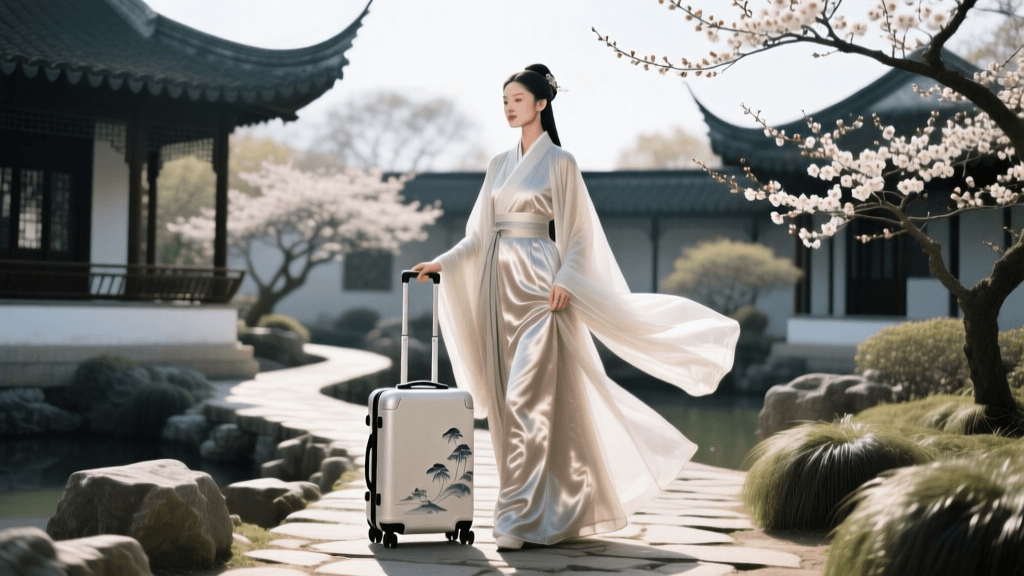
The Global Rise of the Hanfu Travel Wardrobe
In 2026, traditional Chinese clothing has transcended local festivals and historical reenactments to become a staple of global destination wardrobes. From the cobblestone streets of Paris to the serene temple grounds of Kyoto, travelers are proudly integrating Hanfu into their international itineraries. However, packing multi-layered silk, intricate pleats, and delicate embroidery requires a strategic approach that balances cultural authenticity with modern travel logistics. Whether you are embarking on a dedicated heritage tour in Xi'an or planning a fusion-fashion photoshoot in Europe, curating a travel-ready Hanfu wardrobe is an art form in itself.
The modern Hanfu movement has evolved significantly, with textile innovators introducing travel-friendly fabrics that honor historical silhouettes while solving the age-old problem of wrinkling and bulk. According to comprehensive historical Hanfu context, traditional garments were designed for specific climates and social settings, not for being compressed into overhead airplane bins. Fortunately, the 2026 spring and summer travel seasons have brought forth a new generation of smart-blend textiles and specialized packing accessories designed specifically for the globetrotting Hanfu enthusiast.
Selecting Travel-Ready Hanfu Fabrics for 2026
The foundation of any successful travel wardrobe lies in fabric selection. While pure mulberry silk remains the gold standard for luxury and historical accuracy, it is notoriously difficult to maintain on the road. In 2026, the market is dominated by 'memory-silk'—a proprietary blend of silk and shape-memory polymers that resists creasing and bounces back to its original drape within minutes of being unpacked. This innovation has been a game-changer for travelers who want the luster and breathability of silk without the need for professional steaming at every hotel.
For the lower half of the ensemble, the iconic Mamianqun (horse-face skirt) remains a favorite, but its structured pleats can easily be crushed in transit. To combat this, 2026 collections heavily feature crushed linen and textured jacquard blends. These materials not only hide wrinkles but also add a rich, tactile depth to the garment that photographs beautifully in natural light. When selecting your travel pieces, prioritize Ming and Song dynasty-inspired silhouettes, as their streamlined layers and narrower sleeves are inherently more practical for navigating crowded airports and public transit than the sweeping, wide-sleeved Wei-Jin or Tang dynasty styles.
The Ultimate 2026 Hanfu Packing Checklist
To maximize luggage space while protecting delicate textiles, you need a curated packing list. Below is the essential inventory for a two-week international trip featuring a versatile, mix-and-match Hanfu capsule wardrobe.
| Item | Quantity | Material / Tech | Purpose & Weight |
|---|---|---|---|
| Crushed Linen Mamianqun | 2 | Linen-Viscose Blend | Versatile day-wear / 400g each |
| Song Dynasty Beizi (Outer Jacket) | 1 | Memory-Silk Jacquard | Light layering / 250g |
| Modern Hanfu Blouse (Shan) | 3 | Bamboo-Cotton | Breathable base / 150g each |
| Dual-Voltage Portable Steamer | 1 | Titanium Plate | Wrinkle removal / 600g |
| Silk-Lined Compression Cubes | 3 | Recycled Nylon | Space saving / 150g total |
| Magnetic Clasps & Brooches | 4 | Enamel & Neodymium | Securing layers / 50g total |
Advanced Packing Techniques for Traditional Garments
Folding a Mamianqun incorrectly can permanently damage its sharp, structural pleats. The golden rule for 2026 Hanfu travel is the 'Roll and Bundle' method. Instead of folding the skirt in half, lay it flat, align the pleats meticulously, and roll it from the waistband down to the hem. Place the rolled skirt inside a silk-lined compression cube. The silk lining reduces friction, preventing the fabric from pilling or snagging, while the compression cube keeps the roll tight and secure.
For tops and outer jackets like the Beizi, utilize the 'Bundle Wrapping' technique. Lay your most wrinkle-prone jacket flat, place a soft core (like a rolled-up bamboo t-shirt) in the center, and wrap the sleeves and body of the jacket around the core. This mimics the natural curve of the human body and prevents hard creases from forming at the elbows and shoulders. Always pack your garments in a dedicated garment bag if you are checking luggage, but for carry-on travel, the silk-lined cubes are your best defense against rough handling.
Destination Wardrobe Guide: Styling Hanfu Globally
Adapting your Hanfu to different global destinations requires an understanding of local climates, cultural norms, and aesthetic backdrops. Here is how to style your 2026 travel wardrobe for three highly sought-after destinations.
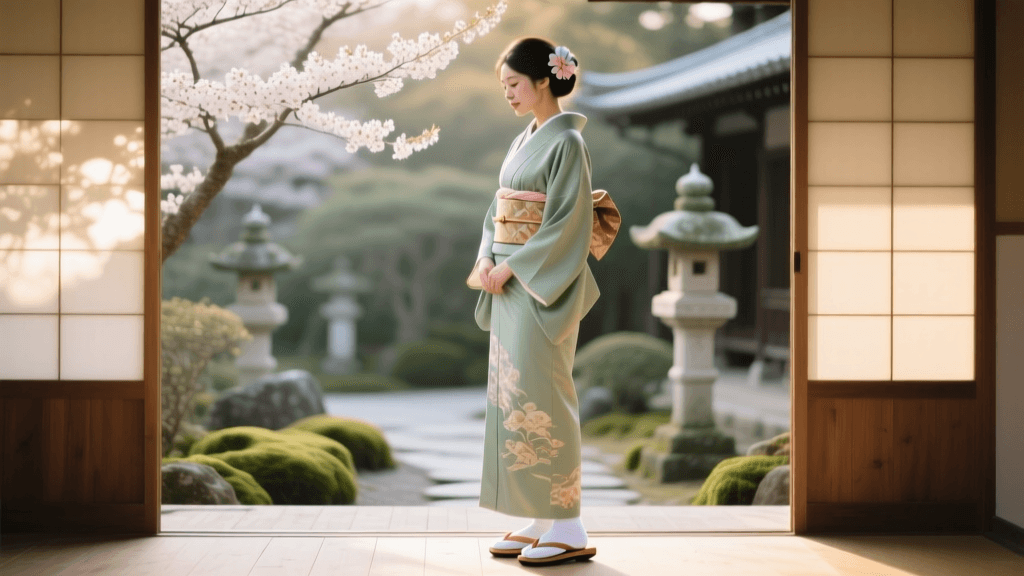
- Kyoto, Japan (Temple & Garden Photography): Opt for the Ming Dynasty Aoqun (jacket and skirt) combination. The structured, high-collared jacket and modest skirt length are highly respectful in sacred spaces and visually complement the wooden architecture and manicured gardens of Kyoto. Choose muted, earthy tones like celadon, ochre, or deep plum to harmonize with the natural surroundings rather than overpower them.
- Paris, France (Urban Fusion & Cafe Culture): Parisian style is all about effortless elegance. Pair a Song Dynasty Beizi with modern, high-waisted tailored trousers instead of a traditional skirt. This fusion look bridges the gap between ancient Chinese aesthetics and contemporary European street style. A lightweight memory-silk Beizi in a neutral tone like ivory or slate grey can be worn open over a simple turtleneck, creating a sophisticated silhouette perfect for a afternoon at a sidewalk cafe.
- London, United Kingdom (Museum Hopping & Variable Weather): The unpredictable British weather demands layering. A Tang Dynasty round-collar pao made from a modern wool-silk blend provides both warmth and historical grandeur. Cinch the waist with a leather belt and pair it with sturdy, weather-resistant leather boots. This adaptation keeps the traditional neckline and drape intact while ensuring you stay dry and comfortable while navigating the British Museum or walking along the South Bank.
On-the-Go Garment Care and Maintenance
Even with the best packing techniques, garments will need refreshing upon arrival at your hotel. While a dual-voltage portable steamer is essential, you must use it correctly to avoid water-spotting delicate silks. Always steam from the inside of the garment, keeping the steamer head at least two inches away from the fabric. For heavily embroidered areas, never apply direct steam, as the heat can melt synthetic embroidery threads or cause metallic threads to tarnish.
If you find yourself without a steamer, the classic 'shower steam' method remains a reliable backup. Hang your Hanfu on a padded hanger in the bathroom, run a hot shower, and let the ambient steam relax the fibers for 15 minutes. For long-term care and preservation of your investment pieces, it is highly recommended to follow the V&A textile care guidelines, which emphasize avoiding direct sunlight during drying and storing garments in breathable, acid-free environments when not in use. Never leave damp Hanfu in a plastic laundry bag, as this will invite mildew, especially in humid climates.
Conclusion: Embracing the Journey
Traveling with Hanfu in 2026 is a deeply rewarding experience that connects you to centuries of sartorial history while allowing for profound personal expression on a global stage. By investing in travel-friendly fabrics, mastering the art of bundle packing, and thoughtfully adapting your silhouettes to your destination, you can ensure that your traditional garments remain as pristine and breathtaking at the end of your journey as they were at the beginning. Pack smart, travel far, and let your heritage wardrobe tell a beautiful story wherever you roam.