How to Build a Kimono Influencer Brand and Online Community
The Rise of the Digital Kimono Community
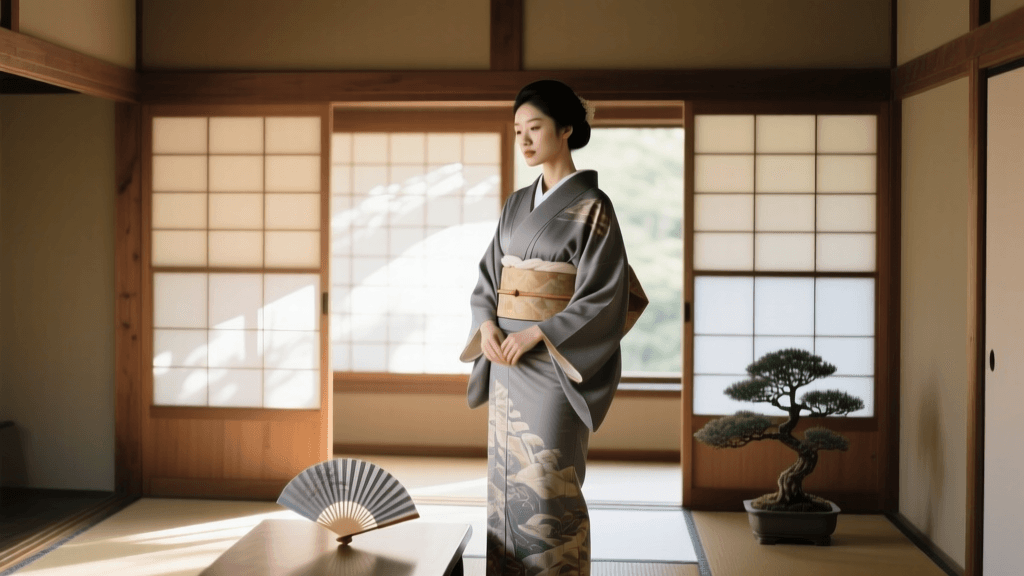
The traditional Japanese kimono has experienced a massive renaissance, not just on the streets of Kyoto or Tokyo, but across the global digital landscape. Today, kimono influencers, vloggers, and digital archivists are bridging the gap between centuries-old textile arts and modern social media algorithms. Whether you are showcasing the intricate shibori tie-dye techniques of the Edo period, documenting the meditative process of kitsuke (the art of dressing), or hunting for vintage haori jackets in Japanese recycle shops, building an online presence requires a blend of cultural respect, technical skill, and community engagement.
For aspiring creators in the Asian traditions niche, the kimono offers endless visual and educational content. However, the community is highly discerning. Audiences crave authenticity, historical accuracy, and high-quality visual representation of delicate fabrics. This guide provides actionable strategies, gear recommendations, and community insights to help you build a thriving kimono-focused brand online.
Choosing the Right Platform for Kimono Content
Different social media platforms serve different purposes within the kimono community. A successful influencer strategy often involves a multi-platform approach, tailoring the content format to the unique algorithm and audience intent of each site.
| Platform | Best Content Type | Audience Intent | Algorithm Focus |
|---|---|---|---|
| TikTok | Quick kitsuke transitions, ASMR silk rustling, thrift hauls | Entertainment, aesthetic appreciation, viral trends | High engagement, watch time, trending audio |
| High-res macro textile shots, OOTD, Reels, Stories | Visual inspiration, networking with sellers and stylists | Shares, saves, high-quality imagery, Reels reach | |
| YouTube | Long-form vlogs, deep-dive history, full dressing tutorials | Education, detailed learning, parasocial connection | Click-through rate, long-term search SEO, retention |
| Reddit / Forums | Textile ID requests, market pricing, troubleshooting | Problem-solving, deep research, community support | Upvotes, niche expertise, helpfulness |
Essential Gear for Capturing Textile Details
Traditional Japanese garments are defined by their textiles. Capturing the subtle woven patterns (jimon) of rinzu (silk damask) or the precise crinkles of chirimen (crepe silk) requires specific camera gear and lighting setups. Standard ring lights often wash out the metallic threads in formal obi sashes.
Lighting Setup
To accurately represent silk and cotton dyes like yuzen or katazome, you need diffused, directional lighting. A highly recommended, budget-friendly setup for vloggers is the Godox SL60W continuous LED light paired with a 32-inch octagonal softbox. This mimics natural window light, preventing the harsh glare that ruins photos of metallic kinran (gold brocade) threads. Position the light at a 45-degree angle to the garment to create micro-shadows that reveal the fabric's texture.
Camera and Lenses
While modern smartphones are excellent for TikTok transitions, YouTube vloggers and Instagram photographers should invest in a macro lens to capture the artisan's brushstrokes on hand-painted silk. The Sony FE 90mm f/2.8 Macro G OSS is an industry standard for textile photography. It allows you to focus on a single kiku (chrysanthemum) motif from inches away while maintaining a beautifully blurred background. Shoot at ISO 100 and an aperture of f/5.6 to f/8 to ensure the entire width of the obi knot remains in sharp focus.
Audio for ASMR and Vlogs
The sound of a kimono is deeply nostalgic for enthusiasts. The crisp snap of a silk obi being pulled tight, or the rustle of a nagajuban (undergarment), are highly sought-after ASMR triggers. Use a directional shotgun mic like the Rode VideoMic NTG mounted just out of frame to capture these crisp, high-frequency fabric sounds without picking up room echo.
Navigating Online Kimono Communities with Respect
The online kimono community is passionate, highly educated, and fiercely protective of the culture. Building trust within these spaces is crucial for any influencer. You must navigate the delicate balance between cultural appreciation and the modern evolution of the garment.
Legacy Forums vs. Modern Hubs
For deep, archival research and connecting with veteran collectors, Immortal Geisha remains the most authoritative English-language forum on the internet. It is an invaluable resource for identifying rare Meiji and Taisho-era antiques, understanding complex kamon (family crests), and learning the strict rules of formal wear. As a creator, spending time reading these archives will elevate your scriptwriting and historical accuracy.
For daily interaction, quick identification requests, and troubleshooting kitsuke mistakes, the Reddit r/kimono community is the modern hub. When engaging on Reddit, always follow their strict posting guidelines: provide clear photos of the obi, the eri (collar), and the sleeve drop to help experts accurately date and price vintage pieces. Never use these forums purely for self-promotion; instead, offer genuine help and share your sourcing knowledge.
Cultural Education and Sensitivity
As a global influencer, you will inevitably face questions about cultural appropriation. The best defense is proactive education. Reference high-quality documentaries and cultural broadcasts, such as those produced by NHK World Japan, which frequently highlight the artisanal processes behind traditional crafts. When styling a kimono, acknowledge the traditional rules of kitsuke (such as always wrapping left over right, except for the deceased) before explaining how you might be breaking them for a modern, avant-garde fashion editorial. Transparency and respect for the garment's origins will earn you the respect of the community.
Monetizing Your Kimono Vlog and Social Presence
Once you have built a dedicated following, there are several ethical and profitable ways to monetize your kimono-focused platform.
- Vintage Sourcing and Resale: Many influencers fund their content creation by sourcing vintage kimono from Japanese 'recycle shops' like Hard Off or local flea markets, then curating and selling them via Instagram drops or Depop. Providing detailed measurements (sleeve drop, back width, length) and flaw reports builds immense buyer trust.
- Patreon and Exclusive Tutorials: While basic kitsuke videos are great for YouTube growth, advanced techniques—such as tying complex fukura-suzume obi knots, or proper washing and stain-removal techniques for antique silk—are highly valuable. Offer these as exclusive, long-form tutorials on a Patreon subscription.
- Affiliate Partnerships: Partner with reputable online kimono retailers, traditional Japanese tabi sock makers, or hair accessory (kanzashi) artisans. Use affiliate links in your YouTube descriptions and Instagram Stories to earn a commission while directing your audience to ethical, high-quality sellers.
- Digital Kitsuke Guides: Create downloadable, beautifully formatted PDF guides featuring step-by-step photo tutorials for different kimono types (e.g., yukata vs. houmongi), complete with shopping checklists for beginners.
An Actionable Weekly Content Routine
Consistency is the key to algorithmic success. Here is a practical weekly schedule tailored for a kimono influencer balancing education, aesthetics, and community engagement:
- Monday (Research & Scripting): Spend two hours on Immortal Geisha and Reddit researching a specific textile technique (e.g., kasuri weaving). Write a 5-minute YouTube script.
- Tuesday (Filming): Shoot the main YouTube tutorial using your Godox softbox setup. Capture B-roll macro shots of the fabric texture.
- Wednesday (Editing & ASMR): Edit the long-form video. Extract the audio of the silk rustling and obi tying to create a 60-second ASMR TikTok/Reel.
- Thursday (Community Day): Host an Instagram Live Q&A. Answer follower questions about kimono sizing, vintage buying, and seasonal motifs.
- Friday (Sourcing & Hauls): Visit local antique malls or browse Japanese proxy auction sites (like Buyee or Yahoo Auctions Japan). Film an unboxing or 'thrift haul' video for weekend posting.
Conclusion
Becoming a successful kimono influencer is about much more than just wearing beautiful garments on camera. It requires a dedication to preserving the history of Asian traditions, mastering the technical aspects of textile photography, and engaging respectfully with a deeply knowledgeable global community. By investing in the right gear, leveraging platform-specific strategies, and prioritizing cultural education, you can build a thriving digital brand that celebrates and sustains the legacy of the kimono for a new generation.