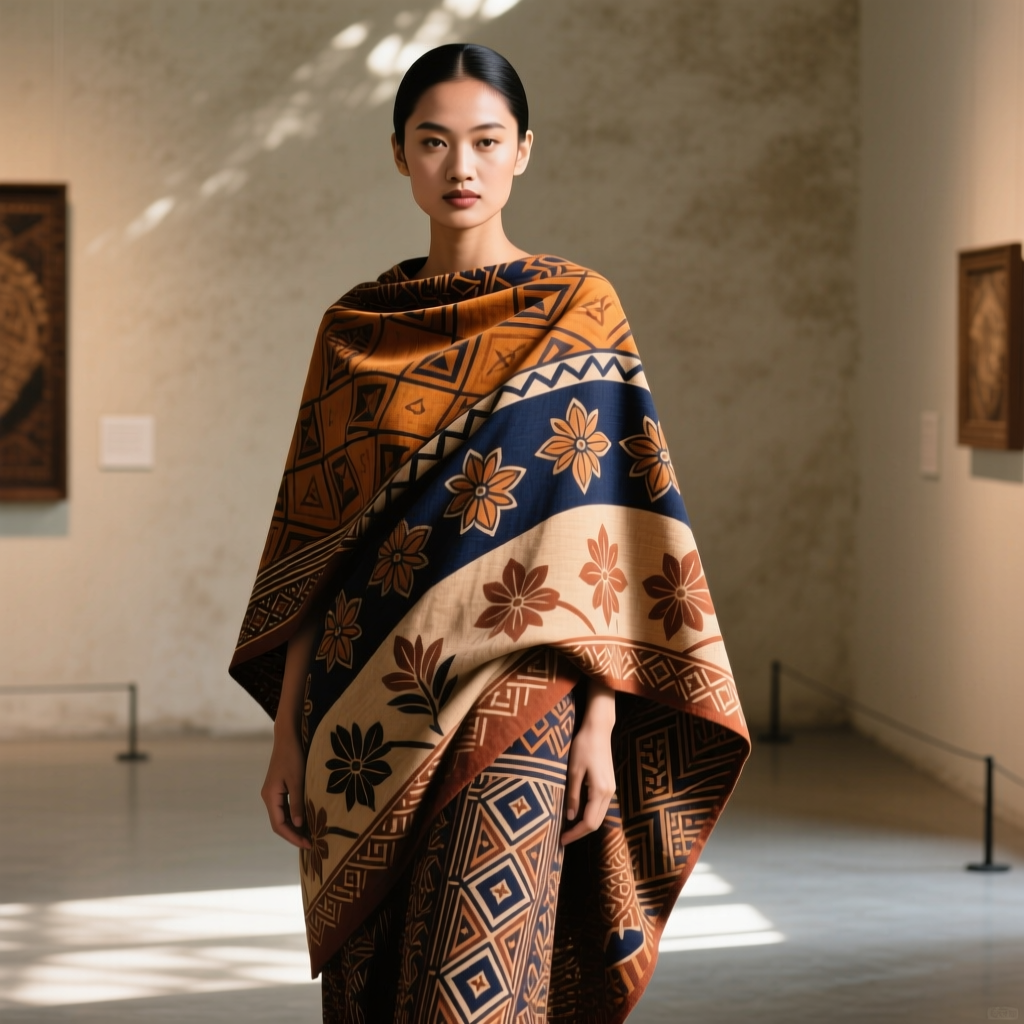
The Threads of Time: Exploring Global Textile Museum Collections
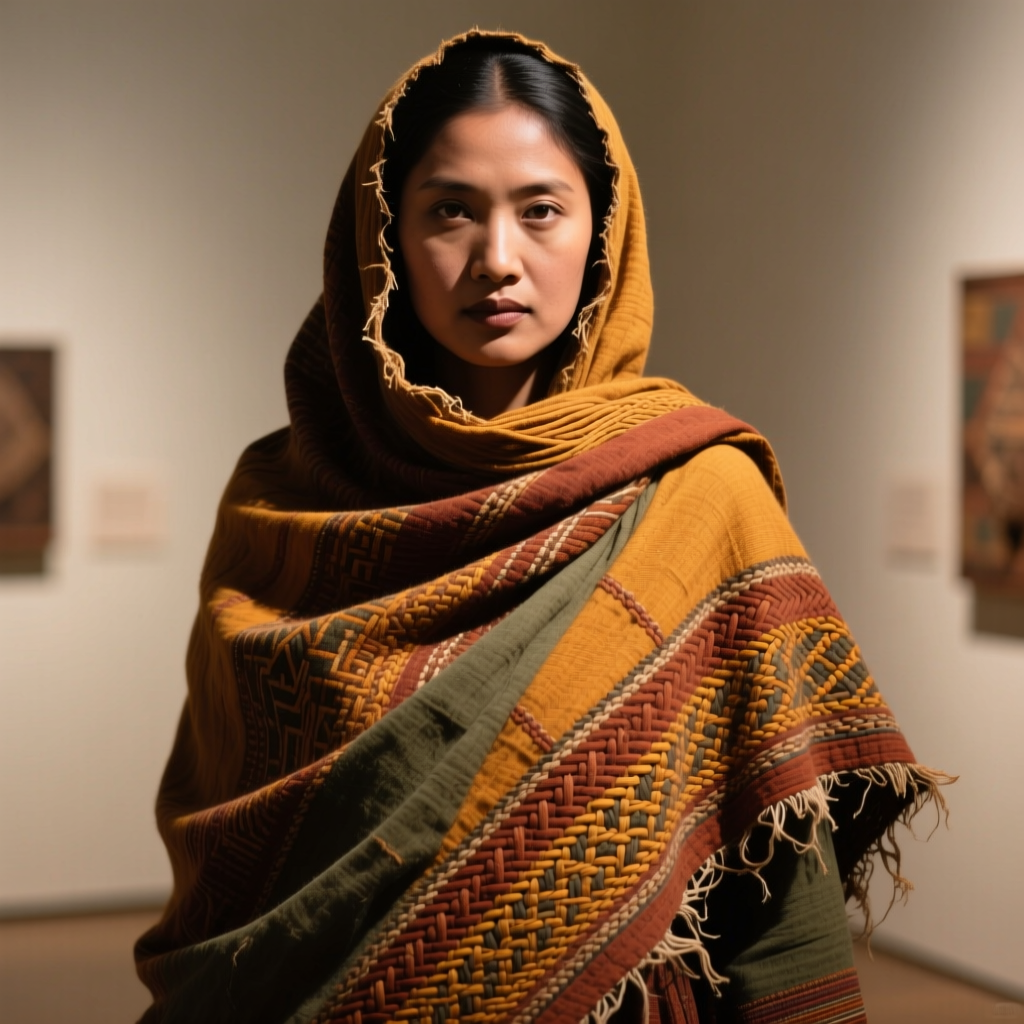
Textiles are the second skin of humanity, serving as a profound testament to our cultural evolution, technological ingenuity, and artistic expression. Unlike stone monuments, forged metals, or fired ceramics, cloth is inherently ephemeral. Organic fibers are vulnerable to light, moisture, pests, and the simple friction of daily use. Consequently, the survival of historical garments and fabrics is nothing short of miraculous. Textile museum collections act as the vital custodians of these fragile artifacts, transforming what was once considered disposable or purely utilitarian into revered cultural heritage.
By stepping into the climate-controlled galleries of the world's premier textile museums, visitors are granted a rare glimpse into the intimate lives of our ancestors. These institutions do far more than merely store old clothes; they decode the complex language of warp & weft, revealing how humanity has clothed itself, expressed its deepest beliefs, and navigated the global economy throughout the ages. From the bustling archives of metropolitan fashion institutes to specialized regional galleries, the preservation of textile history is a monumental endeavor that bridges the gap between ancient craftsmanship and contemporary appreciation.
The Cultural Significance of Preserved Textiles
To understand the immense value of textile museum collections, one must first recognize that fabric has never been merely about protection from the elements. Throughout history, textiles have functioned as a complex visual language, communicating social status, religious devotion, political allegiance, and personal identity. In many ancient and medieval societies, the possession of certain fabrics was strictly regulated by sumptuary laws. These legal codes dictated who could wear specific colors, furs, or woven patterns, making clothing a direct reflection of the social hierarchy. When museums preserve a heavily embroidered court robe or a simple peasant's tunic, they are safeguarding the physical evidence of these societal structures.
Furthermore, textiles have historically been one of the most significant drivers of global trade and cross-cultural exchange. The desire for luxurious silks, vibrant dyewoods, and fine cottons spurred the creation of vast trade networks that connected distant civilizations. Exploring the Silk Road trade routes through museum artifacts reveals how motifs, weaving techniques, and raw materials migrated across continents. A single fragment of patterned damask found in a European collection might trace its origins to Islamic weavers, who in turn were influenced by Chinese loom technologies. Museum collections allow historians and curators to map these invisible threads of globalization, proving that the fashion industry was a global enterprise centuries before the modern era.
Textiles also play an indispensable role in human rituals and rites of passage. From the swaddling clothes of birth to the elaborate garments of marriage and the shrouds of death, cloth marks the most significant thresholds of human life. Indigenous and traditional societies often imbue textiles with spiritual power, believing that the act of weaving traps prayers, protective spells, or ancestral memories within the fibers. By preserving these ceremonial garments, museums honor the spiritual and emotional lives of the cultures that created them, ensuring that the sacred narratives woven into the cloth are not lost to time.
Masterful Craftsmanship Behind the Glass
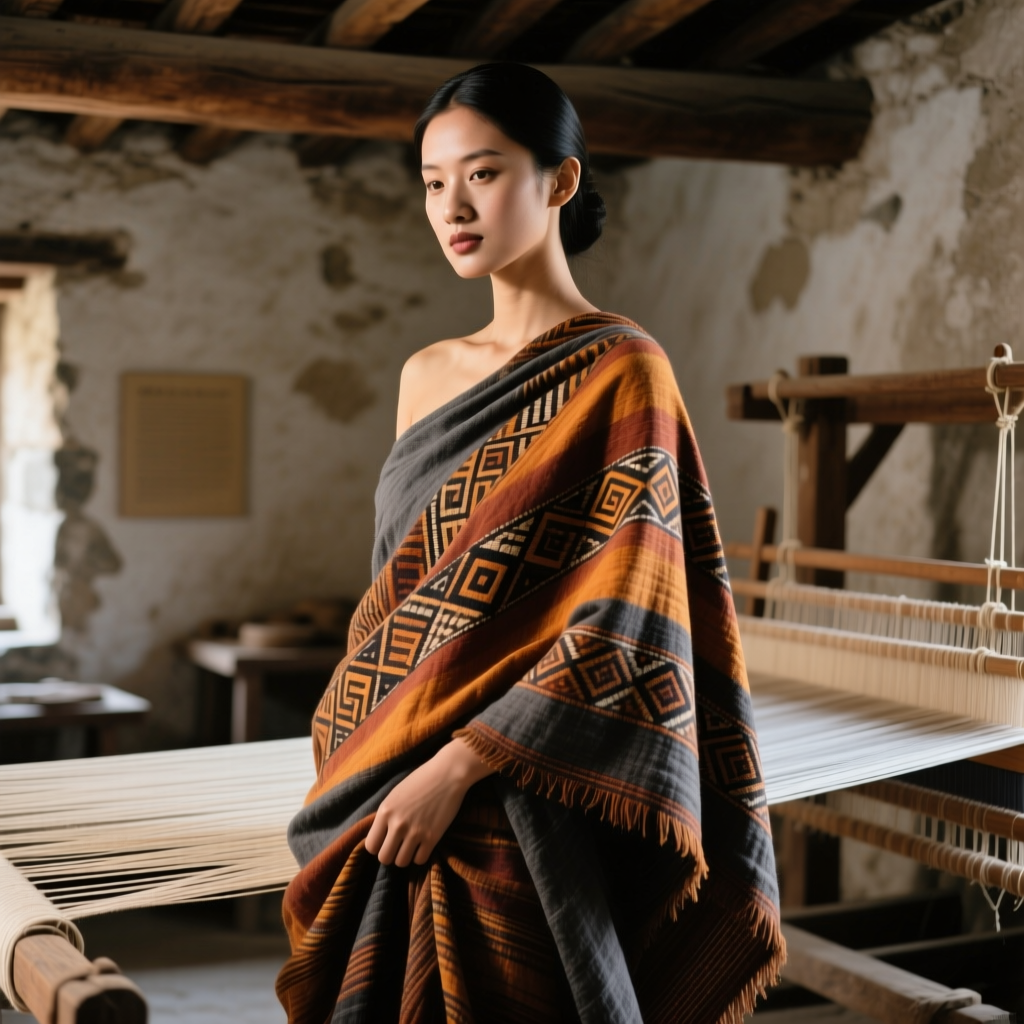
The creation of historical textiles required an astonishing expenditure of human labor, mathematical precision, and chemical knowledge. Before the advent of industrialization, every single thread used in a garment had to be harvested, cleaned, spun, dyed, and woven by hand. Museum collections showcase the staggering mastery of these pre-industrial artisans. A single tapestry or intricately patterned brocade could take a team of weavers several years to complete, representing a concentration of wealth and labor that is almost incomprehensible in today's era of fast fashion.
The alchemy of historical dyeing is one of the most fascinating aspects of textile preservation. Before synthetic aniline dyes were introduced, color was extracted from the natural world through complex, closely guarded recipes. Curators and conservationists study these garments to understand the botanical and mineral sources of their hues. For those interested in the chemistry and history of these processes, our guide on understanding natural dyes explores how artisans utilized indigo, madder root, cochineal insects, and various metallic mordants to achieve colorfast brilliance. The fading of these natural dyes over centuries presents a unique challenge for museums, as they must balance the desire to display vibrant artifacts with the necessity of protecting them from further light degradation.
Embroidery and lace-making represent the pinnacle of textile embellishment, requiring immense dexterity and vision. The delicate, gossamer threads of historical lace were often worked in dimly lit rooms by artisans who sacrificed their eyesight for the sake of beauty. When examining pieces of historical needlework, museum visitors can trace the evolution of stitch techniques and the shifting popularity of floral and geometric motifs. Learning the nuances of identifying vintage lace allows collectors and historians to date garments with remarkable accuracy, distinguishing between handmade needle lace, bobbin lace, and early machine-made imitations.
Regional Variations in Global Collections
A defining feature of world-class textile museum collections is their geographic diversity, highlighting the incredible ingenuity of regional artisans who adapted their craft to local climates, available resources, and cultural paradigms. The loom technologies and fiber choices of a given region tell a story of environmental adaptation and cultural pride.
Asian Silks and Structured Elegance
Asian textile collections are renowned for their mastery of silk production and complex resist-dyeing techniques like ikat. The structured elegance of traditional garments required a deep understanding of geometry and fabric drape. The intricate folding, layering, and symbolic motifs found in Japanese kimono construction demonstrate how a garment can serve as a canvas for seasonal poetry and social signaling. Museums often display these garments flat or on specialized mannequins to preserve the integrity of the silk while showcasing the breathtaking expanse of the woven or dyed patterns.
Andean Weaving and Camelid Fibers
In the high altitudes of the Andes, textiles were considered more valuable than gold. The indigenous peoples of South America developed sophisticated backstrap and vertical loom techniques to weave the incredibly fine fibers of alpacas and vicuñas alongside native cotton. The study of Traditional Andean weaving reveals a complex system of visual communication, where geometric patterns and color combinations denoted specific villages, lineages, and mythological concepts. Museum collections from this region are vital for preserving the memory of pre-Columbian civilizations whose written records were largely destroyed.
African Strip-Weaving and Symbolic Motifs
African textile traditions are incredibly diverse, ranging from the indigo-dyed adire of West Africa to the intricate beadwork of the Maasai. One of the most celebrated traditions preserved in museum collections is the strip-weaving technique used to create vibrant, multi-colored cloth. Delving into the history of Kente cloth reveals how narrow strips of silk and cotton are woven separately and then meticulously sewn together to create large, regal wrappers. Each pattern and color combination in Kente carries specific proverbial meanings, making these museum pieces not just garments, but readable texts of wisdom and authority.
European Tapestries and Wool Guilds
European textile museums often focus heavily on the massive wool and silk tapestries that once insulated the stone walls of castles and cathedrals. These monumental works of art were the ultimate status symbols of the European aristocracy. Tracing the evolution of European tapestries through museum archives showcases the transition from medieval religious allegories to sprawling Renaissance landscapes. The preservation of these massive textiles requires entire teams of conservators and specialized mounting systems to support their immense weight without stressing the ancient fibers.
The Art and Science of Modern Preservation
The preservation of historical textiles is a highly specialized scientific discipline that sits at the intersection of chemistry, biology, and art history. Organic fibers are in a constant state of slow decay from the moment they are harvested. The primary mandate of a textile museum is to arrest this decay, creating a stable microenvironment that allows the artifacts to survive for future generations. This requires a rigorous approach to garment care and preservation that goes far beyond simple cleaning and storage.
Light is the most insidious enemy of the textile conservator. Both ultraviolet and visible light cause photochemical reactions that break down the molecular bonds of silk, wool, cotton, and linen, leading to brittleness and irreversible fading. Museums employ strict lighting protocols, often limiting the exposure of fragile garments to a specific number of lux hours per year. This means that many of the most precious items in a collection spend the majority of their existence in dark, climate-controlled vaults, only being brought out for short, carefully monitored rotational exhibitions.
Integrated Pest Management (IPM) is another critical component of museum conservation. Clothes moths, carpet beetles, and silverfish view historical wool and silk collections as an all-you-can-eat buffet. Rather than relying on toxic chemical fumigants that could damage the fibers or harm museum staff, modern institutions use preventive measures. These include rigorous quarantine procedures for new acquisitions, the use of pheromone traps to monitor insect activity, and the strategic freezing or anoxic (oxygen-deprived) treatment of infested items to safely eradicate pests without leaving chemical residues.
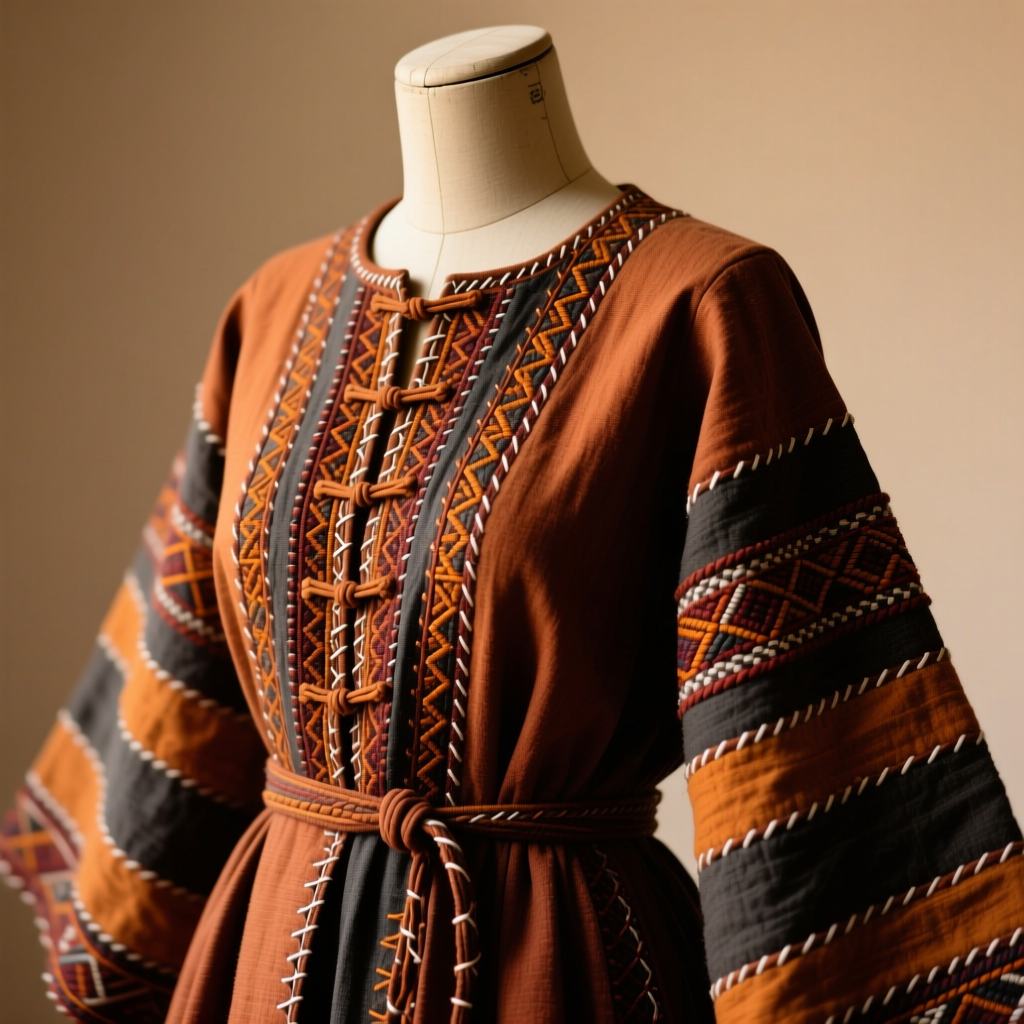
Mounting and displaying historical garments requires an intimate understanding of historical tailoring and modern material science. A garment designed for an 18th-century corseted silhouette will collapse and distort if placed on a standard modern mannequin. Conservators spend countless hours carving, padding, and shaping archival-grade polyethylene foam and acid-free cotton batting to create custom internal supports. These supports ensure that the garment's weight is evenly distributed, preventing stress on the seams and shoulders while accurately representing the historical silhouette the garment was meant to project.
Experiencing Textile Heritage Today
The role of the textile museum has evolved dramatically from the static, glass-case exhibitions of the past. Today, institutions are focused on creating immersive, educational, and accessible experiences that connect diverse audiences with the tactile reality of historical fabrics. Recognizing that textiles are inherently meant to be touched, many museums have introduced tactile galleries where visitors can handle replica fabrics, raw fibers, and modern reproductions to understand the weight, drape, and texture of historical materials.
Open storage facilities and visible conservation laboratories have also become popular features in modern museum design. These spaces demystify the curatorial process, allowing the public to watch conservators at work as they painstakingly clean, stabilize, and mount fragile garments. This transparency not only educates the public on the immense effort required to maintain these collections but also fosters a deeper appreciation for the fragility of our shared material heritage.
Furthermore, the digitization of textile collections has revolutionized access to historical garments. High-resolution macro photography, 3D scanning, and comprehensive online databases allow researchers, designers, and enthusiasts from around the globe to study the intricate weave structures and stitch details of artifacts housed thousands of miles away. This digital preservation ensures that even if a physical artifact is eventually lost to the ravages of time, its structural data and visual beauty will remain available for study and inspiration.
Frequently Asked Questions
Why are textiles so difficult to preserve in museums?
Textiles are composed of organic polymers—such as cellulose in plant fibers and proteins in animal fibers—that are highly susceptible to environmental degradation. They are easily damaged by ultraviolet light, fluctuations in humidity, extreme temperatures, and biological pests like moths and mold. Additionally, the physical weight of a garment can cause stress and tearing over time, requiring specialized, custom-built supports to prevent structural failure.
How do museums authenticate historical garments and fabrics?
Authentication is a multi-disciplinary process involving visual analysis, historical research, and scientific testing. Curators examine the cut, construction techniques, and stitch types to ensure they align with the purported era. Scientific methods, such as radiocarbon dating, microscopic fiber analysis, and high-performance liquid chromatography (HPLC) to identify synthetic or natural dyes, provide definitive data regarding the age and origin of the materials.
Can I view textile museum collections online?
Yes, the vast majority of major textile and fashion museums have extensively digitized their collections. These online portals often feature high-resolution imagery, zoom capabilities to view weave structures, and detailed curatorial notes regarding the provenance, materials, and historical context of each piece. Digital archives are invaluable resources for researchers, fashion students, and historical costumers.
What is the oldest surviving textile in a museum collection?
While exact claims vary based on new archaeological discoveries, some of the oldest surviving woven textiles date back to the Neolithic period, with fragments of linen and hemp found in sites across the Middle East and Europe dating back over 8,000 years. However, complete or near-complete garments are much rarer, with ancient Egyptian linen tunics and Peruvian desert textiles being among the oldest intact clothing items preserved in museum environments.
How do textile museums address the ethical sourcing of historical artifacts?
Modern museums operate under strict ethical guidelines regarding the acquisition and display of cultural heritage. This includes rigorous provenance research to ensure items were not looted or illegally exported. Increasingly, institutions are also engaging in repatriation efforts, returning sacred or culturally significant textiles to their communities of origin, and collaborating with indigenous groups to ensure that traditional knowledge and cultural narratives are represented accurately and respectfully in exhibition spaces.