The Living Canvas: Exploring Batik as a UNESCO Intangible Cultural Heritage
The Living Canvas: Exploring Batik as a UNESCO Intangible Cultural Heritage
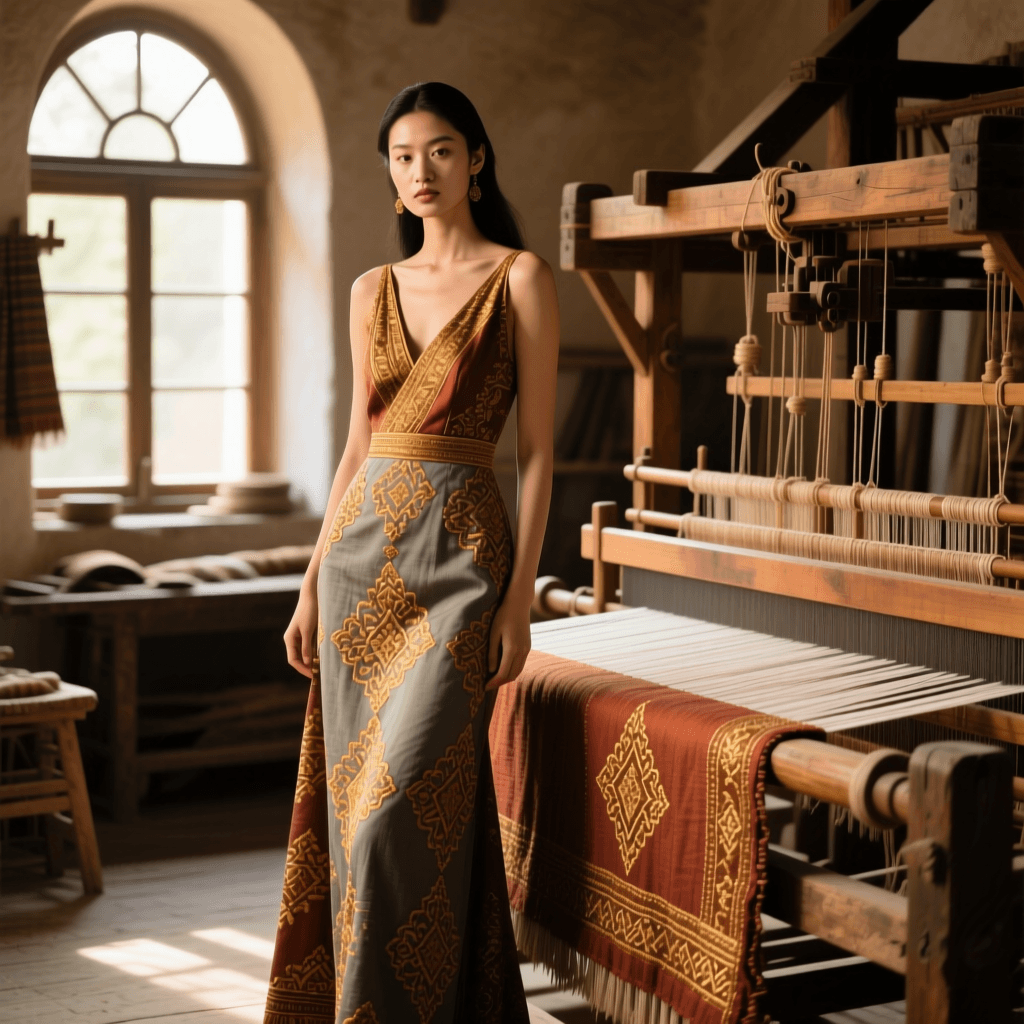
Step into a traditional workshop in the heart of Java, and you are immediately enveloped by a sensory experience that has remained unchanged for generations. The air is thick with the earthy, sweet scent of melting beeswax, pine resin, and paraffin. In the corner, a rhythmic tapping echoes as artisans meticulously apply hot wax to stretched cotton, their hands guided by centuries of inherited muscle memory. This is the birthplace of batik, a textile art form that transcends mere clothing to become a profound visual language of the Indonesian archipelago.
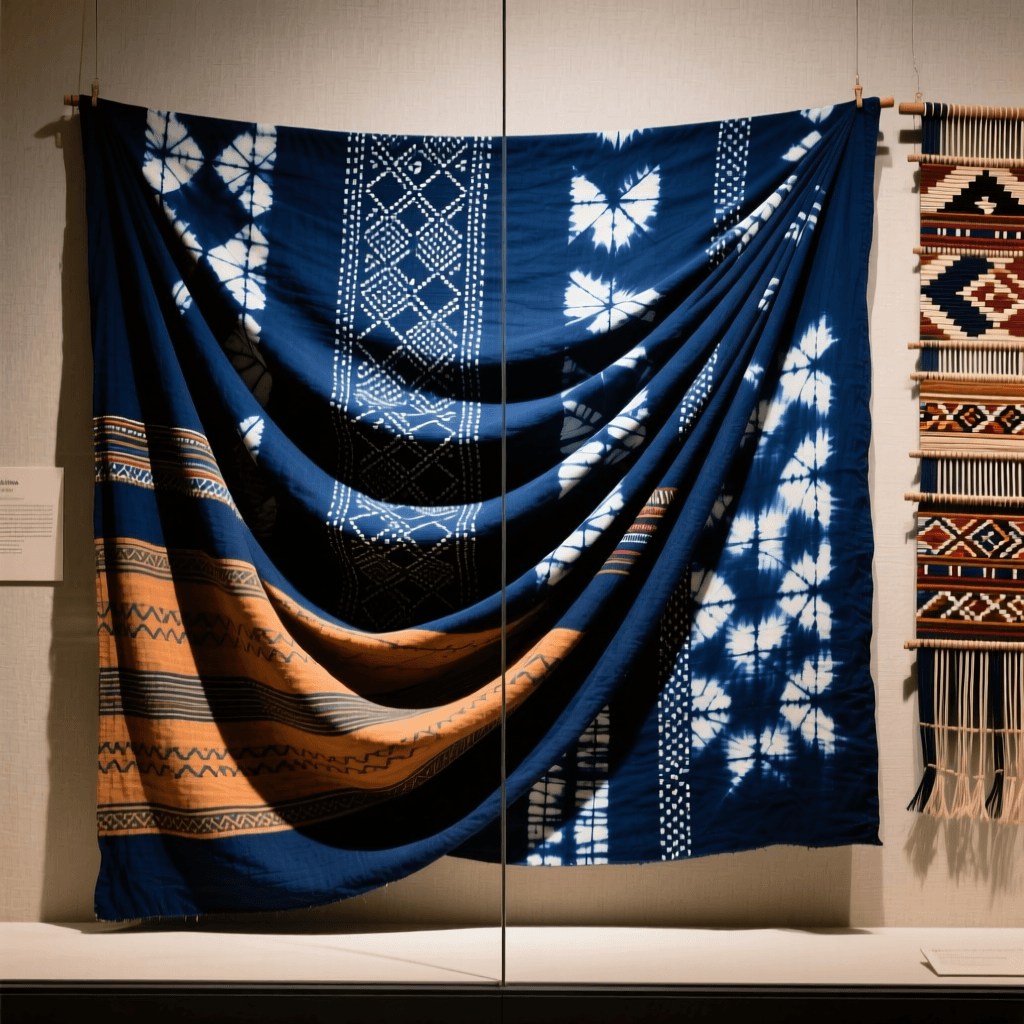
The word batik is widely believed to originate from the Javanese words amba, meaning "to write" or "to draw," and titik, meaning "dot." Together, they describe the fundamental technique of drawing dots and lines with wax to resist dye, creating intricate patterns that tell stories of cosmology, nature, and human existence. While wax-resist dyeing techniques can be found in various cultures across the globe—from the heritage of ikat weaving and tie-dye traditions in other regions to similar resist methods in West Africa and India—Indonesian batik has evolved into an art form of unparalleled complexity and philosophical depth.
When the United Nations Educational, Scientific and Cultural Organization (UNESCO) officially inscribed Indonesian batik on the Representative List of the Intangible Cultural Heritage of Humanity, it was a watershed moment for global textile preservation. This recognition did not merely celebrate the physical cloth; it honored the intangible elements that breathe life into the fabric. It acknowledged the oral traditions, the spiritual philosophies, the communal bonds of the artisans, and the deep-seated cultural identity that batik represents. To understand batik is to understand the soul of Indonesia, a nation woven together by thousands of islands and an equally diverse tapestry of history & culture.
The Cultural Significance of Batik in Indonesian Society
In Indonesia, batik is far more than a decorative textile; it is an integral thread in the fabric of daily life and the milestone rituals that define the human experience. From the moment a child is born, they are often swaddled in specific batik patterns designed to offer spiritual protection and invite good fortune. As individuals move through life, different motifs are worn to signify marriage, social status, and eventually, the journey into the afterlife. The cloth acts as a silent guardian, wrapping the wearer in the blessings of their ancestors.
Nowhere is this cultural significance more evident than in the royal courts, or kraton, of Java, particularly in Yogyakarta & Surakarta (Solo). Historically, these courts were the epicenters of Javanese arts & culture, and the sultans maintained strict sumptuary laws regarding who could wear specific batik patterns. These prohibited designs, known as batik larangan, were reserved exclusively for the royal family. The Parang Rusak (broken blade) motif, symbolizing the continuous struggle against evil and the pursuit of spiritual elevation, and the Kawung motif, representing the cross-section of the aren palm fruit and symbolizing purity and universal justice, were strictly forbidden for commoners. Wearing these motifs without royal blood was considered a profound spiritual and social transgression.
Beyond the palace walls, batik serves as a marker of regional identity and communal pride. In traditional Javanese weddings, the bride and groom are often draped in elaborate batik garments, such as the dodot or kemben, which are stitched and folded without the use of needles, reflecting a respect for the integrity of the sacred cloth. The patterns chosen for the wedding day are meticulously selected to harmonize the energies of the two families and to ensure a prosperous, fertile union. For a broader look at how textiles shape cultural narratives across the archipelago, explore our comprehensive guide to Indonesian textiles.
The Meticulous Craftsmanship: Wax, Dye, and Patience
The creation of authentic, hand-drawn batik—known as batik tulis—is a masterclass in patience, precision, and chemistry. The process begins with the preparation of the fabric, usually a tightly woven cotton or luxurious silk, which is washed, soaked, and beaten to ensure it is perfectly receptive to both wax and dye. The artisan then sketches the design onto the cloth using a charcoal pencil or a light natural pigment.
The primary tool of the batik maker is the canting, a delicate instrument consisting of a small copper reservoir attached to a bamboo or wooden handle, featuring a tiny spout. The artisan fills the canting with malam (hot liquid wax) kept at a precise temperature over a small charcoal stove called a wajan. If the wax is too hot, it will bleed through the fabric and ruin the crispness of the lines; if it is too cool, it will clog the spout and fail to penetrate the fibers, allowing the dye to seep through. The artisan draws the wax onto the fabric with fluid, continuous strokes, a process that requires immense breath control and a steady hand. To understand the origins of the vibrant colors that follow this wax application, delve into our article on the fascinating world of natural dyes.
Once the wax has hardened, the fabric is submerged in vats of dye. Traditional Javanese batik relies heavily on two primary natural colors: the deep, moody blue derived from the leaves of the Indigofera tinctoria plant, and the rich, earthy brown known as soga, extracted from the bark of various trees like the soga tingi and soga jambal. The wax acts as a resist, preventing the dye from penetrating the covered areas. To achieve multiple colors, the artisan must repeatedly apply wax to protect the newly dyed sections, scrape off wax from areas meant to receive the next color, and re-dye the cloth. A single piece of complex batik tulis can require dozens of waxing and dyeing cycles, taking several months to complete.
Finally, the cloth is boiled in water to melt away the accumulated wax, revealing the intricate, multi-layered design beneath. One of the most celebrated characteristics of hand-drawn batik is the remukan, or the cracking effect. As the wax cools and the fabric is manipulated, the wax naturally fractures. When submerged in the dye bath, the color seeps into these microscopic cracks, creating a delicate, vein-like network across the solid color fields. This organic imperfection is the hallmark of authenticity, proving that the cloth was shaped by human hands and the unpredictable forces of nature, rather than the sterile perfection of a machine.
Regional Variations: A Tapestry of the Archipelago
While Java is the undisputed heartland of batik, the art form has spread and adapted across the Indonesian archipelago, resulting in a breathtaking array of regional variations. These distinct styles are heavily influenced by local geography, historical trade routes, and the unique flora & fauna of each region. Broadly, Javanese batik is divided into two main categories: the inland styles of the royal courts and the coastal styles of the northern pesisir.
Inland batik, centered in Yogyakarta & Solo, is characterized by its earthy, subdued color palette of indigo, soga brown, and stark white. The motifs are highly structured, geometric, and deeply philosophical, reflecting the introspective and spiritual nature of the Javanese court culture. The designs often feature stylized representations of nature, such as the Truntum motif, which resembles small stars and symbolizes blossoming love and devotion.
Conversely, coastal batik from cities like Pekalongan, Cirebon, and Lasem is a vibrant explosion of color and cross-cultural pollination. Historically, these port cities were bustling hubs of the spice trade, attracting merchants from China, India, the Arab world, and Europe. This cosmopolitan influence is vividly captured in batik pesisir. The Cirebon region is famous for the Mega Mendung motif, a striking, multi-layered cloud design heavily influenced by Chinese porcelain and mythology, symbolizing patience and the cooling of one's temper. Lasem, a small town on the north coast, is renowned for its "blood red" dye, a color historically achieved through a complex, closely guarded process using local roots, resulting in batik that beautifully blends Javanese layouts with Chinese phoenix and dragon motifs.
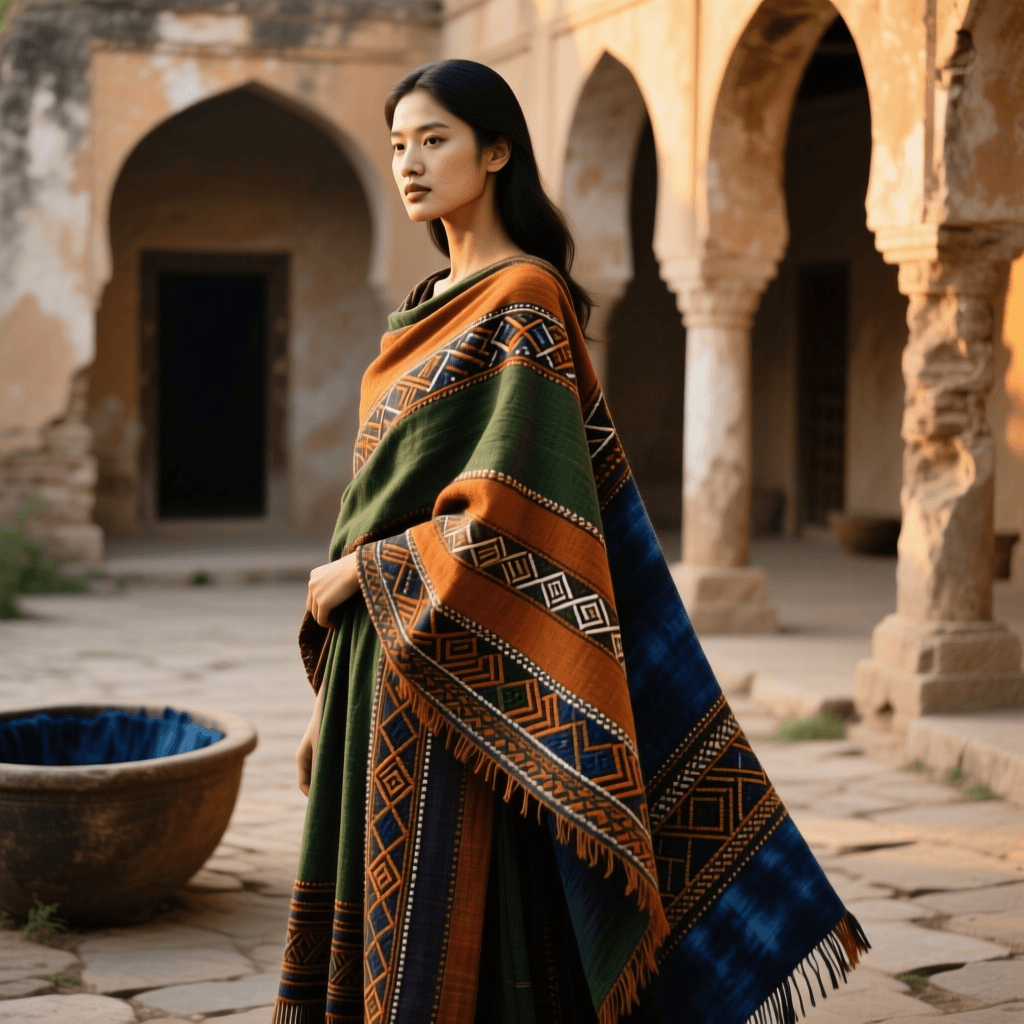
Beyond Java, batik has taken root in Sumatra and Bali, adapting to local sensibilities. Jambi batik often incorporates gold leaf accents and motifs inspired by the region's lush rainforests and ancient Malay kingdoms. Balinese batik, a relatively newer introduction compared to its Javanese counterpart, frequently features vibrant tropical colors, Hindu deities, and intricate floral patterns that mirror the island's famous stone carvings and temple offerings. Today, designers frequently incorporate these diverse regional batik styles into modern tropical resort wear, bringing the heritage of the archipelago to a global audience.
Modern Preservation and the Global Wardrobe
The inscription of batik as a UNESCO Intangible Cultural Heritage sparked a massive renaissance in its popularity, both domestically and internationally. In Indonesia, this recognition birthed the "Batik Friday" movement, encouraging citizens and civil servants to wear batik to work, effectively transforming it from a garment reserved for weddings and formal ceremonies into a staple of everyday professional and casual life. This surge in demand provided a vital economic lifeline to thousands of female artisans in rural Java, empowering communities and ensuring that the transmission of skills from mother to daughter continues.
However, this explosion in popularity has also brought significant challenges. The global fast-fashion industry has flooded markets with "batik printing"—machine-printed fabrics that mimic the look of batik but lack the wax-resist process entirely. These mass-produced textiles undercut the livelihoods of traditional artisans and dilute the cultural meaning of the cloth. True preservation requires a conscious effort from consumers to distinguish between authentic batik tulis (hand-drawn), batik cap (hand-stamped with copper blocks), and mere printed imitations. Supporting authentic artisans ensures that the meticulous craftsmanship and the spiritual philosophy embedded in the cloth survive the pressures of modern industrialization.
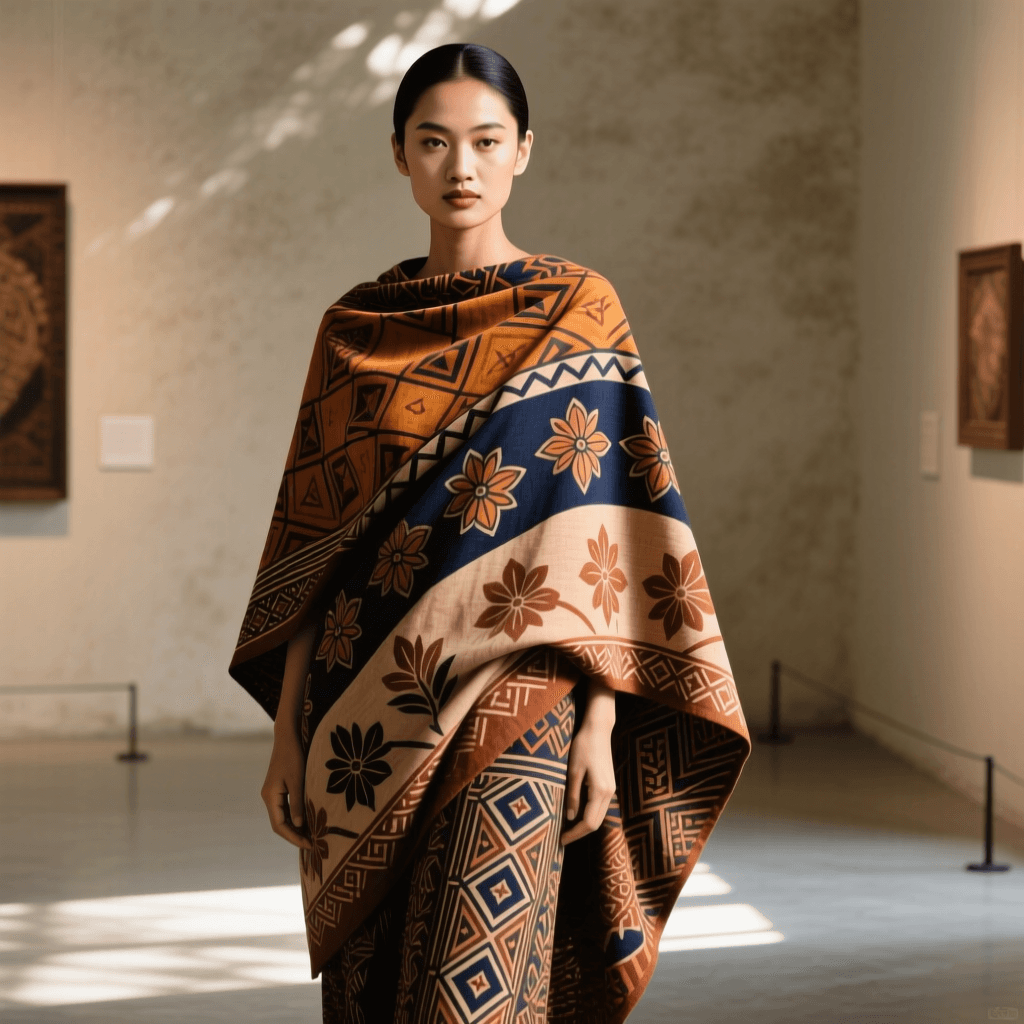
On the global stage, high-fashion designers and sustainable brands are increasingly collaborating with Indonesian batik cooperatives. By integrating traditional textiles into contemporary silhouettes, they are introducing the art form to new generations who value slow fashion, ethical production, and artisanal heritage. Furthermore, there is a growing movement among younger Indonesian artisans to return to the use of natural dyes and sustainable farming practices for cotton, aligning the ancient craft with modern environmental consciousness. For those looking to integrate these beautiful textiles into their own wardrobes and maintain their longevity, consulting specialized fabric care guides is essential to preserve the vibrancy of the dyes and the integrity of the fibers.
Frequently Asked Questions About Batik Heritage
What makes batik a UNESCO Intangible Cultural Heritage?
UNESCO recognizes batik not just as a beautiful physical object, but as a living tradition encompassing a wide range of intangible elements. This includes the oral histories passed down through generations of artisans, the deep philosophical and spiritual meanings embedded in the motifs, the traditional knowledge of natural dye chemistry, and the communal social structures that support the craft. The heritage lies in the human skill, the cultural rituals surrounding the cloth, and the shared identity it fosters among the Indonesian people, making it a masterpiece of human creative genius that requires active safeguarding.
How can you tell if batik is hand-drawn or machine-printed?
Authentic hand-drawn batik (batik tulis) has several distinct characteristics. First, examine the reverse side of the fabric; in true batik, the wax penetrates entirely through the fibers, meaning the pattern will be clearly visible and nearly as vibrant on the back as on the front. Machine-printed fabric will have a faded or blank reverse side. Second, look for slight imperfections, variations in line thickness, and the organic remukan (cracking) effect in the solid color blocks, which are impossible for machines to replicate perfectly. Finally, authentic batik often retains a very faint, pleasant scent of natural wax and resin, whereas printed fabrics will simply smell of synthetic chemicals or factory dyes.
What is the significance of the batik patterns and motifs?
Traditional batik motifs are deeply symbolic, often serving as visual prayers or protective talismans. Geometric patterns like the Parang (diagonal blades) represent the continuous, upward struggle for spiritual enlightenment and the fight against base desires. The Kawung motif represents the universe, purity, and justice. Floral and vine motifs, such as the Semen patterns, symbolize the fertility of the earth and the interconnectedness of all living things. Historically, wearing a specific motif was believed to imbue the wearer with the qualities the pattern represented, making the choice of batik a highly intentional and spiritual act.
How should I care for and wash authentic batik garments?
Authentic batik, especially pieces dyed with natural pigments, requires gentle care to maintain its color and structural integrity. It is highly recommended to hand wash the garment in cool or lukewarm water using a mild, pH-neutral detergent. In Indonesia, traditional artisans often use lerak, a natural soap nut, which is exceptionally gentle on natural dyes. Avoid harsh bleaches, vigorous scrubbing, or machine washing, as these can strip the colors and damage the delicate fibers. When drying, keep the garment out of direct sunlight to prevent fading, and iron it on a medium setting, preferably with a protective cloth between the iron and the batik, to preserve the wax-resist textures.
Is batik only worn for formal occasions?
While highly intricate batik tulis is still the premier choice for weddings, state functions, and formal ceremonies, batik has evolved into a versatile staple of the modern wardrobe. In Indonesia, it is standard business attire for men and women alike, worn in offices, government buildings, and schools. Contemporary designers have also adapted batik into casual streetwear, summer dresses, lightweight jackets, and accessories. The versatility of the textile, combined with the availability of lighter cottons and more relaxed, modern motifs, means that batik can be seamlessly integrated into everyday life, allowing wearers to carry a piece of living heritage with them wherever they go.