Japanese Tea Ceremony and Ikebana Dress Codes: What to Wear
The Intersection of Chado, Ikebana, and Sartorial Respect
In the realm of traditional Japanese arts, the clothing you wear is never merely functional; it is an extension of the philosophy underlying the practice itself. Chado (the Way of Tea) and Ikebana (the Way of Flowers) are two of Japan's most revered cultural disciplines. Both demand a deep respect for harmony, mindfulness, and the spatial environment. When participating in a tea ceremony or an Ikebana arrangement session, your attire communicates your respect for the host, the teacher, and the art form. According to the Urasenke Foundation, one of the world's leading schools of Japanese tea ceremony, the aesthetic of the tea room (chashitsu) relies heavily on the understated elegance and purity of its participants. This comprehensive guide details the precise dress codes, practical measurements, and cultural taboos you must navigate when engaging in these timeless Asian traditions.
The Core Philosophy: Purity and Restraint
Before selecting an outfit, it is crucial to understand the guiding principles of Chado and Ikebana: Wa (harmony), Kei (respect), Sei (purity), and Jaku (tranquility). Your clothing must embody these traits. Flashy patterns, loud colors, and restrictive silhouettes disrupt the visual harmony of the tatami room and hinder the physical movements required for whisking matcha or trimming floral stems. The goal is to blend seamlessly into the environment, allowing the tea bowl (chawan) or the floral arrangement to remain the focal point of the space.
Kimono Dress Codes for the Tea Room
While Western attire is increasingly accepted in modern, casual tea gatherings, wearing a kimono remains the gold standard for formal practice and ceremonies. However, not all kimono are appropriate for the tea room.
Choosing the Right Kimono Silhouette
For tea ceremony and Ikebana, modesty and mobility are paramount. The following kimono types are highly recommended:
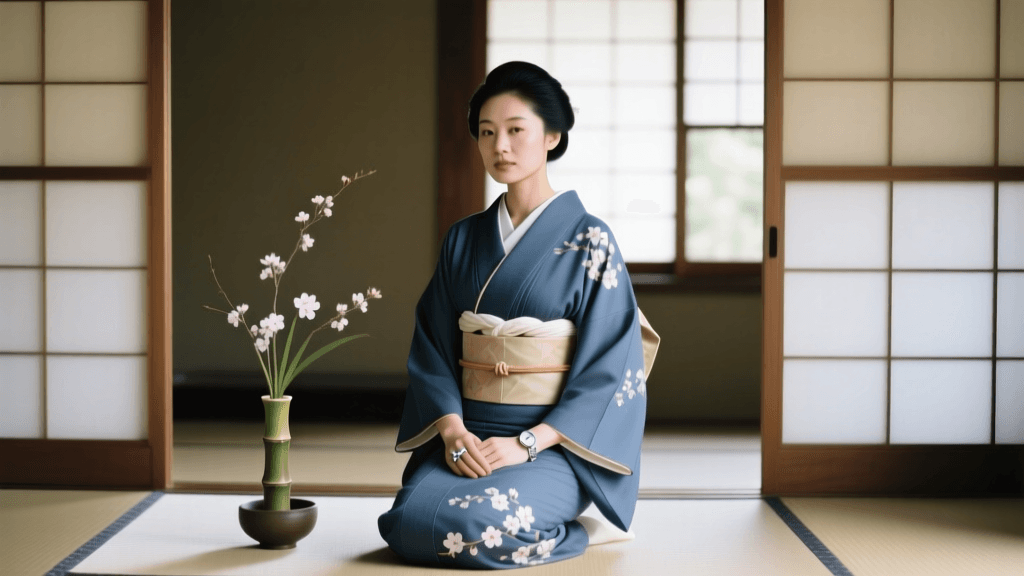
- Iromuji (Solid Color Kimono): Featuring a single solid dye color with one to five family crests (kamon), the Iromuji is the most versatile and widely worn kimono for tea practice. It projects quiet elegance.
- Edo Komon (Micro-Patterned Kimono): From a distance, this appears solid, but up close, it reveals incredibly fine, repeating geometric patterns. It is highly prized by tea practitioners for its subtle sophistication.
- Tsukesage (Modestly Patterned Kimono): Patterns on a Tsukesage are confined to the lower half of the skirt and the upper sleeves. It is suitable for slightly more formal gatherings or attending as a guest.
What to Avoid: The Furisode, characterized by its long, swinging sleeves (often measuring 100cm to 114cm in drop length), is strictly discouraged for active tea preparation. The lengthy sleeves pose a severe hazard; they can easily knock over the kensui (waste water bowl), dip into the charcoal brazier, or sweep across the delicate Ikebana arrangements. Similarly, heavily embroidered Uchikake or overly vibrant Yukata (summer cotton robes) are considered too casual or ostentatious for the solemnity of the tea room.
The Obi and Accessories
The standard sash for tea practitioners is the Nagoya Obi. Measuring approximately 30cm in width and 3.6 meters in length, it is pre-folded at the ends to make tying the otaiko (drum knot) easier and less bulky than the formal Fukuro Obi. For Ikebana practitioners, a simpler, narrower Hanhaba Obi may be worn during casual practice to allow for greater torso mobility when reaching across large floral vessels.
Western Attire Guidelines for Modern Practitioners
If you are a tourist attending a cultural experience or a modern student who does not own a kimono, Western clothing is acceptable provided it strictly adheres to the rules of modesty, cleanliness, and mobility. According to general etiquette guidelines outlined by Japan Guide, respecting the physical space of the tea room is your primary concern.
Tops and Bottoms
Participants must sit in seiza (the formal kneeling position) for extended periods, often up to 45 minutes. Therefore, your clothing must accommodate this posture without riding up or restricting blood flow.
- Skirts and Dresses: Opt for midi or maxi lengths (a drop measurement of at least 75cm to 100cm). When kneeling, a skirt must fully cover the knees and calves. Avoid tight pencil skirts, as they will restrict your ability to sit and stand gracefully.
- Trousers: Loose-fitting, wide-leg trousers or tailored culottes made from soft, drapey fabrics (like linen blends or soft wool) are ideal. Denim, leggings, and tight jeans are considered highly disrespectful and physically restrictive.
- Tops: Modest blouses with high necklines or subtle collars are preferred. Avoid low-cut tops, as bowing forward to drink tea or examine a flower arrangement can lead to unintended exposure.
The Absolute Rule of Footwear: White Tabi
You must never enter a tatami room barefoot, nor should you wear standard colored socks. You are required to wear white Tabi (traditional split-toe socks) or pristine, plain white cotton socks. The white color symbolizes the Sei (purity) required in the tea room and protects the delicate rush-grass tatami mats from dirt and foot oils. A standard pair of cotton Tabi costs between 1,500 and 3,000 JPY (approx. $10–$20 USD) and can be purchased at most Japanese department stores or online specialty retailers.
Ikebana Specifics: Managing Sleeves and Stains
While Ikebana shares the foundational aesthetics of Chado, the physical act of arranging flowers involves water, sap, soil, and sharp shears (hasami). To protect your garment and maintain a tidy appearance, Ikebana practitioners utilize specific functional accessories.
The Tasuki (Sleeve Tie)
When working with flowers, the sleeves of the kimono must be secured. A Tasuki is a specialized cotton cord, typically measuring about 1.5 meters in length. It is crossed over the back and tied around the upper arms, pulling the sleeves up and out of the way of the water basin and floral stems. Tying the Tasuki is a practiced skill, ensuring the sleeves are held taut without restricting shoulder movement.
The Maekake (Apron)
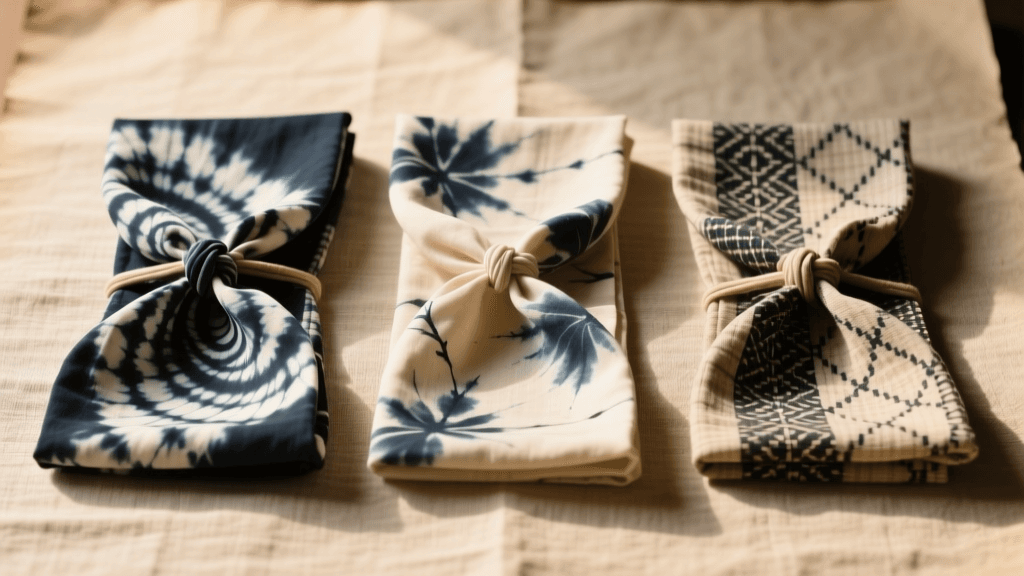
Practitioners often wear a Maekake, a traditional half-apron tied at the waist. For Ikebana, these are usually made of dark, durable cotton or indigo-dyed linen to hide water spots and sap stains. They typically measure 60cm in width and 40cm in length, providing ample coverage for the lap while kneeling.
Grooming and Taboos: What to Leave Behind
The sensory experience of Chado and Ikebana is delicate. The Ikebana International organization emphasizes that the natural beauty of the materials should never compete with artificial scents or flashy adornments. Before entering the studio or tea room, you must observe the following strict grooming taboos:
- No Perfume or Scented Lotions: The tea ceremony often incorporates Kodo (the way of incense). Wearing perfume masks the subtle aroma of the sandalwood or aloeswood incense, as well as the earthy scent of the matcha.
- No Jewelry: Rings, bracelets, and wristwatches must be removed. Metal jewelry can easily chip or scratch the priceless, often antique, ceramic tea bowls and glass Ikebana vases. Furthermore, the ticking of a watch disrupts the tranquility (Jaku) of the room.
- No Nail Polish: Brightly painted nails are considered a visual distraction that draws the eye away from the green of the tea or the natural hues of the flowers. More practically, chipped polish can flake off into the tea bowl or the water basin.
- Hair Management: Long hair must be tied back in a neat, low bun or braid. Hair falling forward while bowing or leaning over an arrangement is considered unhygienic and disruptive.
Seasonal Variations in Dress
Japanese traditions are deeply intertwined with the changing of the seasons. Your attire should reflect the current time of year, anticipating the season slightly ahead of the calendar to show appreciation for nature's impending shifts.
| Season | Recommended Fabric | Appropriate Motifs | Color Palette |
|---|---|---|---|
| Spring (Mar-May) | Silk Chirimen (crepe) or Awase (lined) | Cherry blossoms, plum blossoms, willow, butterflies | Pastel pinks, soft greens, pale yellows |
| Summer (Jun-Aug) | Ro or Sha (unlined, breathable silk gauze) | Water streams, goldfish, morning glory, fans | Cool blues, whites, translucent shades |
| Autumn (Sep-Nov) | Silk Chirimen or Tsumugi (woven silk) | Maple leaves, chrysanthemums, full moon, geese | Deep reds, burnt orange, gold, brown |
| Winter (Dec-Feb) | Heavy lined silk, wool blends | Pine, bamboo, camellia, snowflakes | Deep purples, navy, forest green, crimson |
Practical Guide: Renting vs. Buying for Tourists
For international visitors wishing to experience a formal tea ceremony in Kyoto or Tokyo, renting a kimono is a highly practical option. Basic polyester kimono rental packages designed for tea ceremonies typically cost between 4,000 and 6,000 JPY ($25–$40 USD) for a two-hour session. These packages usually include the kimono, Nagoya obi, and Tabi socks. For those seeking a more authentic experience, premium silk kimono rentals can range from 10,000 to 15,000 JPY ($65–$100 USD). If you are a dedicated student of the arts planning to practice long-term, investing in a custom-tailored Iromuji silk kimono will cost upwards of 150,000 JPY ($1,000+ USD), but it is a lifelong garment that honors the tradition.
Conclusion
Participating in Chado and Ikebana is a profound exercise in mindfulness, and your attire is the very first step in preparing your mind for the practice. By selecting modest, seasonally appropriate clothing, adhering to the strict rules of white footwear, and stripping away modern distractions like jewelry and perfume, you show a profound respect for the host, the space, and the centuries-old traditions of Japan. Whether you are wearing a meticulously tied silk kimono or a simple, modest linen dress with white Tabi, the ultimate goal is to let the beauty of the tea and the flowers speak for themselves.