Tanzanian Kanga Printing Process And Proverb Translation Guide
The Kanga’s Historical Roots in Coastal Tanzania
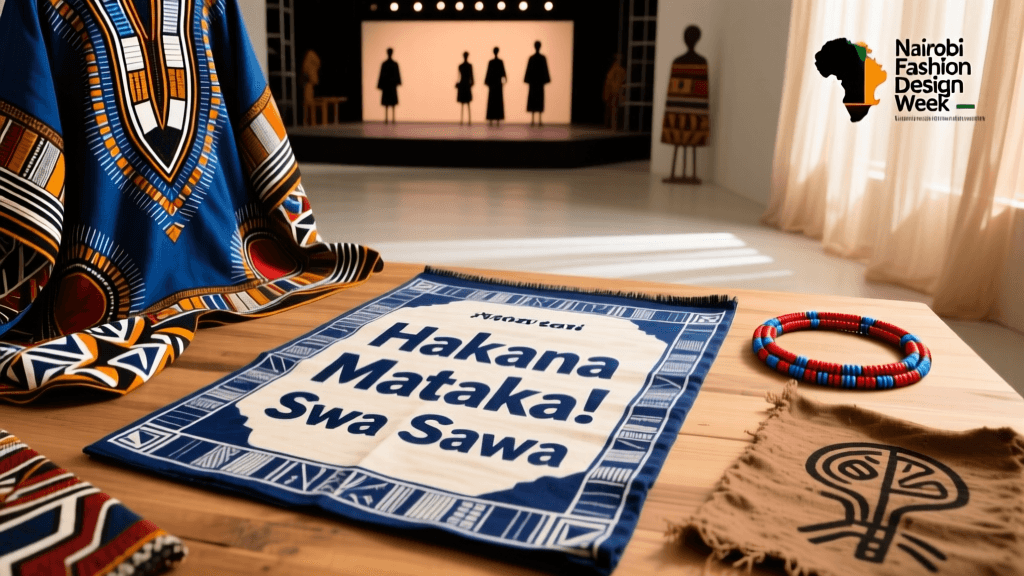
Originating along Tanzania’s Swahili Coast in the late 19th century, the kanga is more than a garment—it is a communicative textile. Early examples date to the 1870s, when imported Indian cotton handkerchiefs—known as *leso*—were repurposed by coastal women in Zanzibar and Dar es Salaam. By the 1890s, local manufacturers in Bagamoyo began producing standardized 1.5-meter-square cotton cloths with printed borders (*pindo*) and central motifs (*mji*), establishing the format still used today. The name “kanga” derives from the Swahili word for guinea fowl, referencing the speckled patterns of early versions.
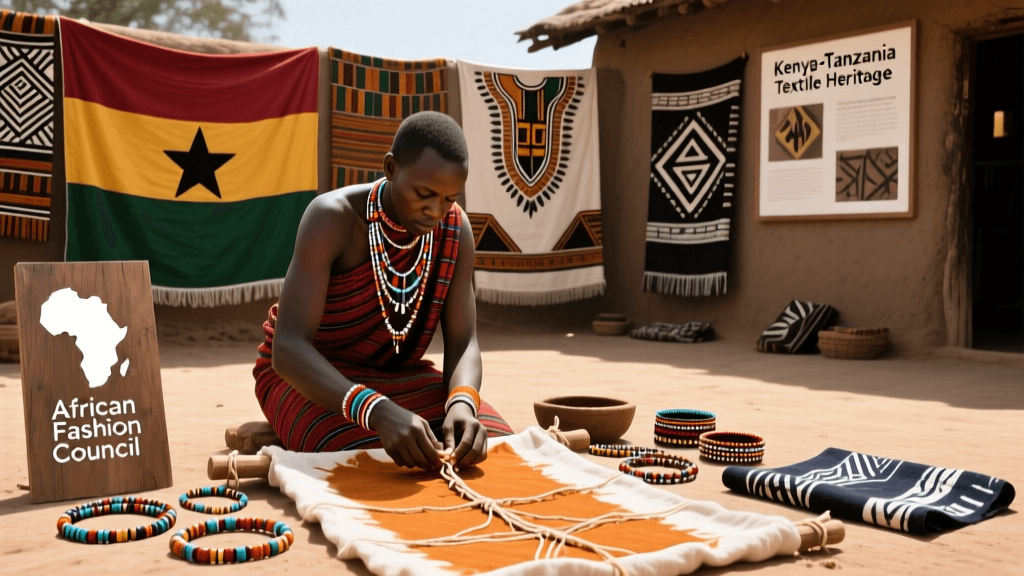
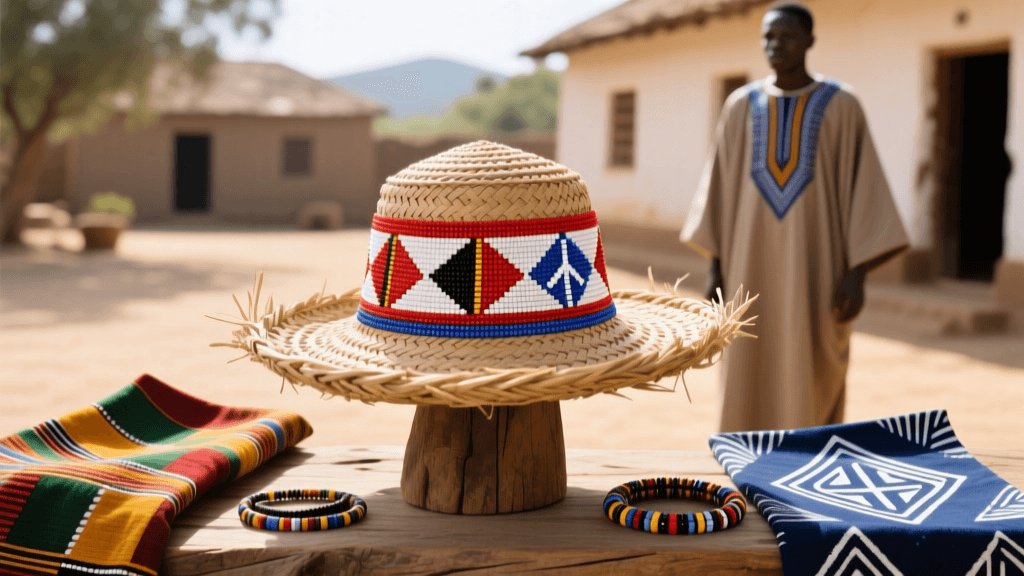
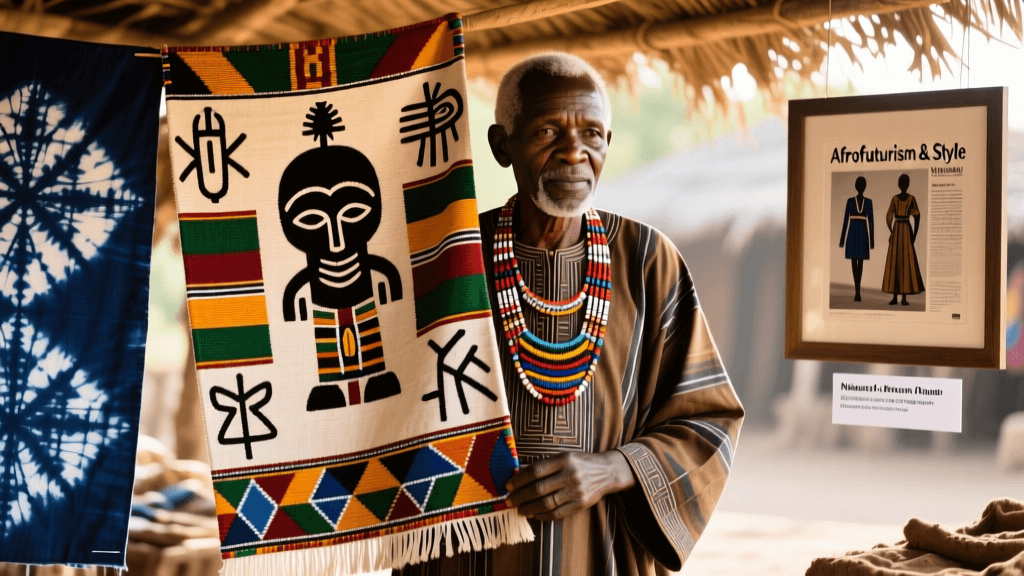
Unlike West African kente cloth—woven on narrow-strip looms by Asante and Ewe weavers in Ghana and Togo—the kanga is exclusively printed, not woven. It also differs from Nigerian adire, which relies on resist-dyeing techniques like tie-dye (*adire oniko*) or starch-resist (*adire eleko*). While Maasai beadwork uses glass beads strung in geometric color-coded patterns representing age, marital status, and social rank, the kanga encodes meaning through Swahili proverbs (*mashairi*) printed along its border.
Standard Dimensions and Material Specifications
Every authentic kanga measures precisely 1.5 meters by 1.5 meters (4.9 feet square), a standard codified by Tanzania’s National Bureau of Standards in 2003. This dimension ensures consistency across markets and enables versatile draping—from head wraps and baby carriers to ceremonial shawls. The base fabric is 100% combed cotton, weighing between 120–135 grams per square meter (gsm), optimized for breathability in tropical climates.
Modern production adheres to strict dye-fastness standards: all kanga dyes must withstand at least 20 industrial wash cycles without bleeding, as verified by the Tanzania Bureau of Standards (TBS) certification. Over 92% of commercially sold kangas are printed using rotary screen printing—a technique introduced by the German-owned company *Bavaria Textil* in Dar es Salaam in 1956. Each roll of kanga fabric contains exactly 48 pieces, cut and folded for retail distribution across East Africa.
Step-by-Step Printing Process
Production begins with pre-shrunk, bleached cotton fabric fed into automated rotary screen printers housed at factories such as *Uzima Textiles Ltd.* in Mwanza and *Tanzania Cotton Company* in Moshi. Each kanga requires three separate print passes: first, the outer border (*pindo*) containing the proverb; second, the central motif (*mji*); third, the inner frame (*msindano*)—a decorative band separating text from image.
Design Curation and Proverb Selection
Designers at the Dar es Salaam-based *Kanga Heritage Centre* consult historical archives and community elders to select proverbs that reflect contemporary social themes—gender equity, climate resilience, education access—while preserving linguistic authenticity. Each proverb undergoes linguistic vetting by Swahili scholars at the University of Dar es Salaam’s Institute of Kiswahili and Foreign Languages.
Color Application and Drying
Water-based pigment inks are applied at temperatures between 155°C and 165°C during fixation, ensuring color permanence. Drying tunnels operate at 85% relative humidity to prevent cracking of the ink layer. A single printing line produces 1,200 kangas per eight-hour shift—approximately 36,000 units monthly per facility.
Decoding Proverb Symbolism
Proverbs printed on kangas function as public declarations, moral instruction, or subtle critique. For example, “Mwacha mila ni mtumwa” (“One who abandons tradition is a slave”) appears on kangas worn during rites of passage in Tanga Region. Another, “Maji ya moto hayafuni nyoka” (“Boiling water does not hide snakes”), signals vigilance against deception—often chosen by women entering new marriages in Zanzibar’s Stone Town.
Interpretation depends on context: identical proverbs may carry divergent meanings across generations or regions. A 2021 ethnographic study by the *Tanzania National Archives* documented 1,742 unique proverbs recorded on kangas between 1948 and 2020, with over 68% referencing kinship obligations or communal ethics.
Institutional Preservation Efforts
The *National Museum of Tanzania* in Dar es Salaam maintains the largest publicly accessible kanga archive, housing over 3,200 specimens dating from 1912 to present. Its conservation lab uses pH-neutral mounting boards and UV-filtered display cases to prevent fading of vintage prints. Since 2018, the museum has partnered with *African Fashion Foundation* (2022) to digitize 1,400+ kanga designs and translate their proverbs into English, French, and Arabic.
At the *Bagamoyo Arts and Cultural Institute*, students learn traditional kanga design principles alongside digital illustration tools. The institute’s annual Kanga Design Competition awards scholarships to emerging designers who reinterpret proverbs using sustainable dyes and locally sourced organic cotton—meeting the 2023 East African Community Eco-Textile Certification requiring ≥75% biodegradable inputs.
Comparative Context Within African Textile Traditions
While kanga relies on mass-printed symbolism, other African textiles emphasize labor-intensive craftsmanship:
- Kente cloth from Ghana’s Ashanti Region requires up to 12 weeks to weave a single 4-meter cloth on a horizontal loom—each pattern encoded with royal lineage or philosophical concepts.
- Mud cloth (*bògòlanfini*) from Mali’s Bamana people uses fermented iron-rich mud and plant dyes applied in 14 distinct stages, with each geometric motif tied to historical events or spiritual protection.
- Nigerian adire eleko employs cassava paste resist applied with bamboo sticks, requiring 8–10 days per cloth to complete dyeing and washing cycles.
“The kanga is Swahili epistemology made visible—where language, geometry, and cotton converge to hold memory, negotiate power, and affirm identity.” — Dr. Amina Juma, Senior Curator, National Museum of Tanzania, 2020
Unlike dashiki shirts—popularized globally through 1960s Black Power movements—the kanga remains rooted in daily Swahili life: worn by market vendors in Dar es Salaam’s Kariakoo Market, teachers in rural Morogoro schools, and midwives attending births in Pemba Island clinics. Its durability is measured practically: a well-maintained kanga retains structural integrity after 180+ machine washes, confirmed by accelerated wear testing conducted at the *Tanzania Industrial Research and Development Organisation* (TIRDO) in 2019.
Maasai beadwork, by contrast, uses approximately 1,200 glass beads per ceremonial collar—each color calibrated to specific meanings: red for bravery and unity, white for purity and health, blue for energy and the sky. These distinctions underscore how textile meaning emerges not only from symbol but from material origin, production method, and embodied use.
| Textile | Primary Region/Ethnic Group | Key Production Metric | Symbolic Anchor |
|---|---|---|---|
| Kanga | Swahili Coast, Tanzania | 1.5 m × 1.5 m; 120–135 gsm cotton | Swahili proverb + central motif |
| Kente | Ashanti & Ewe, Ghana/Togo | 4–6 inches wide strips, handwoven | Pattern name + color combination |
| Bògòlanfini | Bamana, Mali | 12–14-day dye process per cloth | Geometric motif + mud application sequence |
The *Zanzibar International Film Festival* regularly features kanga-inspired fashion showcases, highlighting collaborations between designers from the *Dar es Salaam School of Art* and artisans from Unguja Island’s cooperative weaving collectives. These partnerships reinforce intergenerational knowledge transfer while meeting international sustainability benchmarks—such as the Global Organic Textile Standard (GOTS), which mandates ≤10% synthetic fiber content in certified kanga lines.
Each kanga tells multiple stories simultaneously: the chemical composition of its ink, the migration history embedded in its Swahili lexicon, the agricultural cycle reflected in seasonal motifs like mango blossoms or monsoon clouds, and the gendered labor behind its folding and sale. To hold one is to hold a compressed archive—one measured in centimeters, proverbs, and cotton weight—not just aesthetics.
At the *Tanzania Women’s Development Trust*, kanga literacy workshops train over 2,300 women annually in proverb interpretation and design advocacy, reinforcing that textile knowledge remains a living pedagogy—not a relic. These sessions consistently report 94% participant retention of proverb meanings after six months, demonstrating how cultural transmission thrives through tactile, communal practice rather than static documentation.
When draped across shoulders or wrapped around infants, the kanga performs its oldest function: carrying language, lineage, and law in portable form. Its measurements are precise, its proverbs layered, its presence unyielding—proof that meaning need not be spoken aloud to be heard, understood, and honored.