Tango Chirimen vs Rinzu Silk: Kimono Fabrics Guide 2026
The Renaissance of Heritage Silk Weaves in 2026
As we navigate the 2026 traditional garment market, the appreciation for authentic, heritage-grade textiles has reached new heights among collectors, bespoke tailors, and cultural enthusiasts. When commissioning or purchasing a high-quality Japanese kimono, the choice of fabric is not merely a matter of color or pattern; it is fundamentally about the weave. The textile dictates the garment's drape, its level of formality, its tactile experience, and even the mechanics of how it is worn. Among the most revered and widely utilized silk weaves in Japanese sartorial history are Tango Chirimen (crepe silk) and Rinzu (satin damask). Understanding the nuanced differences between these two foundational textiles is essential for anyone looking to invest in traditional Japanese garments today.
According to The Metropolitan Museum of Art's Heilbrunn Timeline of Art History, the evolution of the kimono is intrinsically linked to advancements in silk weaving and dyeing techniques. In 2026, modern loom technology operates alongside centuries-old artisanal methods, allowing for unprecedented consistency in silk production while maintaining the soul of traditional craftsmanship. This guide explores the technical specifications, aesthetic qualities, and practical applications of Tango Chirimen and Rinzu silk to help you make an informed textile choice for your next custom kimono, furisode, or haori.
Tango Chirimen: The Textured Heart of the Kimono
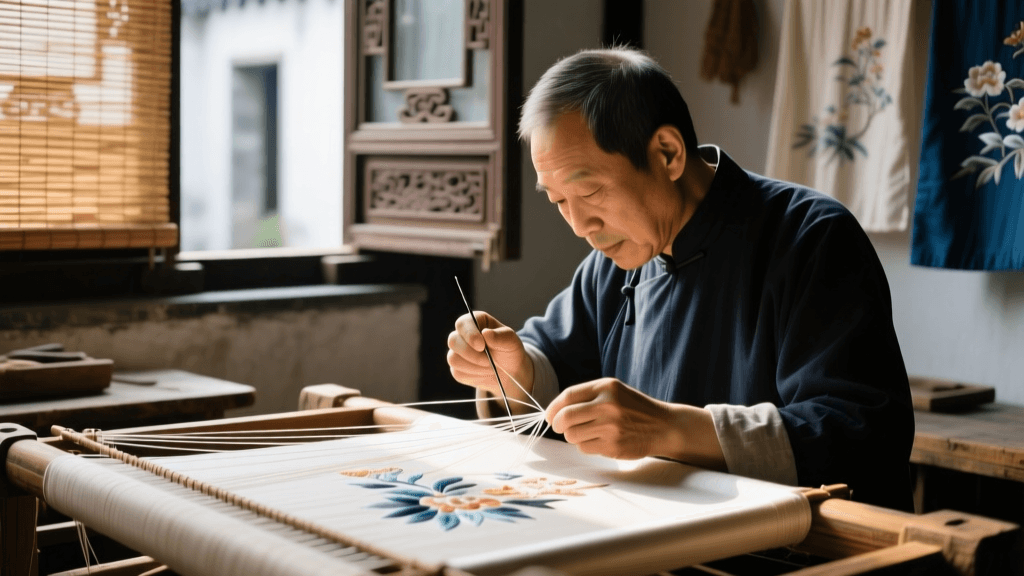
Tango Chirimen is a plain-weave silk crepe that originates from the Tango Peninsula in Kyoto Prefecture, a region that remains the undisputed epicenter of Japanese crepe silk production in 2026. The defining characteristic of Chirimen is its pebbled, matte texture, known as shibo. This unique surface is achieved through a highly specialized twisting process. While the warp threads remain relatively untwisted, the weft threads are tightly twisted—alternating between S and Z twist directions—before weaving.
The Science of the Crepe Texture
After the fabric is woven, it undergoes a rigorous degumming process where it is boiled in an alkaline solution. This removes the natural sericin (silk gum) from the fibers. As the sericin dissolves, the tightly twisted weft threads contract and relax unevenly, creating the microscopic hills and valleys that give Chirimen its signature crepe texture. This process reduces the fabric's width by up to 30%, resulting in a dense, remarkably resilient textile.
- Tactile Grip: The textured surface provides natural friction, which is highly beneficial when dressing.
- Wrinkle Resistance: The inherent crimp of the fibers makes Chirimen highly resistant to permanent creasing.
- Dye Absorption: The matte surface and expanded fiber structure make it the absolute premier choice for intricate Kyo-Yuzen resist-dyeing, allowing liquid dyes to penetrate deeply and vibrantly.
In the 2026 market, a standard unlined bolt (tan) of high-grade Tango Chirimen typically ranges from $320 to $650 USD, depending on the weight (measured in momme) and the purity of the silk. It is the workhorse of the kimono wardrobe, suitable for everything from casual komon to formal homongi.
Rinzu Silk: The Luminous Elegance of Damask
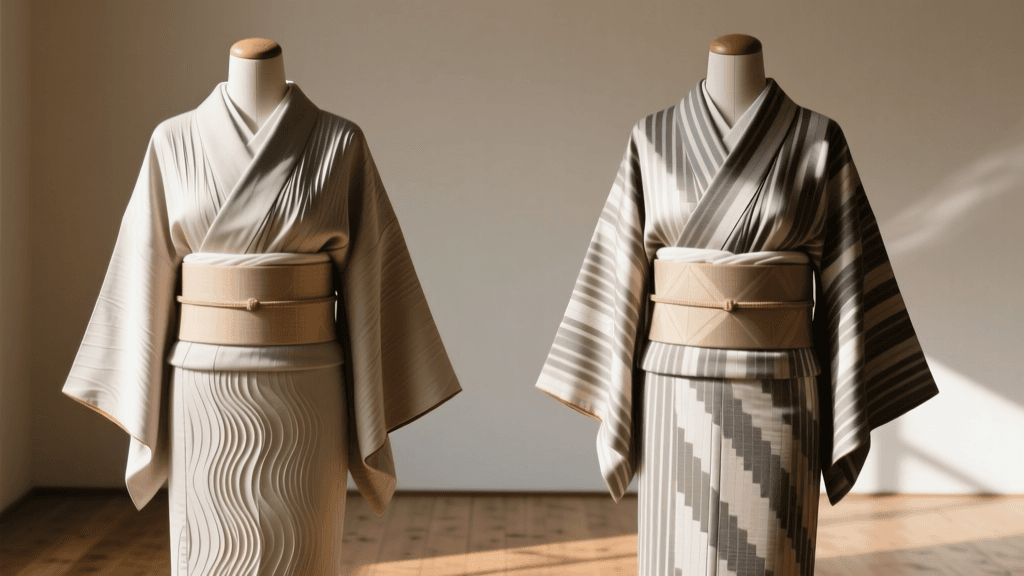
If Chirimen is the versatile workhorse of the kimono world, Rinzu is its aristocratic counterpart. Rinzu is a Japanese silk damask characterized by a satin weave base with intricate, woven jacquard patterns. Unlike the matte finish of Chirimen, Rinzu is celebrated for its luminous, reflective surface and buttery-soft hand feel. The fabric is constructed using a technique where warp or weft threads "float" over multiple intersecting threads, creating a smooth, glossy surface that catches and reflects light beautifully.
Visual Depth and Formality
The patterns in Rinzu are not dyed onto the surface; they are woven directly into the fabric structure. This means the motif—often featuring auspicious symbols like cranes, pine trees, or flowing water—is visible through the play of light and shadow across the satin and matte areas of the weave. As noted by The Victoria and Albert Museum's comprehensive guide to Kimono, the introduction and refinement of complex patterned silks like Rinzu historically signaled immense wealth and high social status, a connotation that persists in modern formal wear.
- Visual Brilliance: The floating threads create a high-gloss finish that elevates the formality of any garment.
- Supple Drape: Rinzu is exceptionally fluid and heavy, draping over the body with a luxurious, liquid-like flow.
- Embellishment Base: Because the surface is smooth and glossy, Rinzu is the preferred canvas for suribaku (metallic leaf application) and dense, raised embroidery.
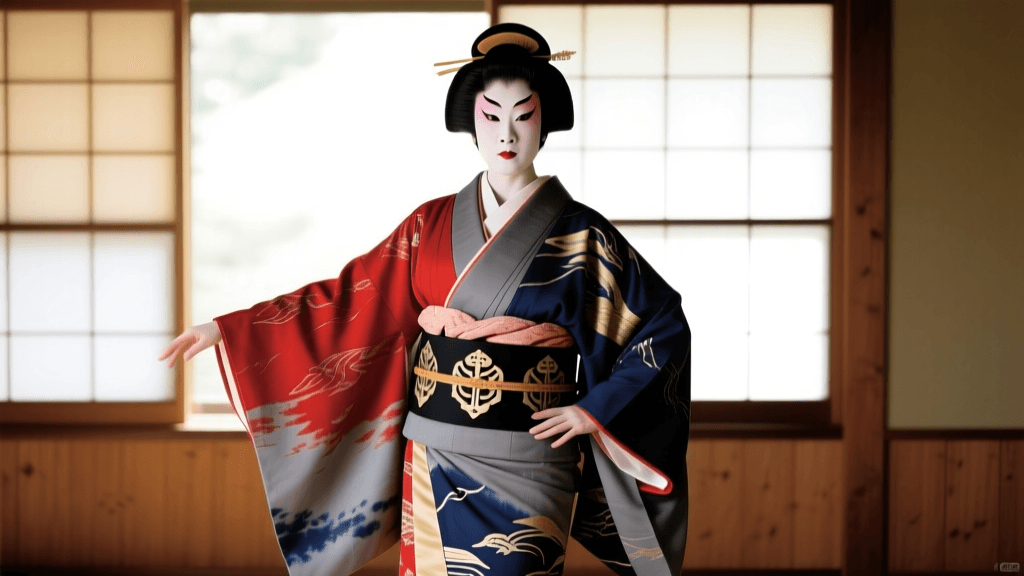
Due to the complexity of the jacquard loom setup and the higher volume of premium silk thread required, Rinzu is significantly more expensive than Chirimen. In 2026, expect to pay between $550 and $1,200+ USD per bolt for authentic, domestically produced Rinzu. It is almost exclusively reserved for the highest tiers of formal wear, including furisode (long-sleeved kimono for unmarried women) and uchikake (wedding over-robes).
2026 Market Comparison: Chirimen vs. Rinzu
When selecting a textile for a bespoke commission or evaluating a vintage piece, it is crucial to understand how these two weaves compare across key metrics. The following table outlines the primary differences as they stand in the current 2026 textile market.
| Feature | Tango Chirimen (Crepe) | Rinzu (Satin Damask) |
|---|---|---|
| Weave Type | Plain weave with highly twisted weft | Satin damask (jacquard) |
| Surface Texture | Pebbled, matte, high friction | Smooth, glossy, patterned |
| Drape Quality | Fluid, structured, resilient | Supple, luminous, heavy flow |
| Formality Level | Versatile (Komon to Homongi) | High (Furisode, Uchikake, Kurotomesode) |
| 2026 Avg Price (per Tan) | $320 - $650 USD | $550 - $1,200+ USD |
| Ideal Embellishment | Kyo-Yuzen resist dyeing, stencil dyeing | Embroidery, Surihaku (gold leaf) |
| Wrinkle Resistance | Excellent | Moderate (requires careful storage) |
The Impact of Textile Choice on Kitsuke (Dressing)
The art of kitsuke (kimono dressing) is deeply affected by the physical properties of the chosen fabric. A common oversight for beginners in 2026 is selecting a textile based purely on visual aesthetics without considering how it will behave during the dressing process.
Friction and the Obi
Tango Chirimen's pebbled surface provides a natural "grip." When folding the ohashori (the waist tuck) and tying the obi (sash), the friction of the crepe silk helps the layers cling to one another, preventing the garment from slipping out of place throughout the day. This makes Chirimen highly forgiving for those still mastering the intricate knots of formal dressing.
Conversely, Rinzu silk is notoriously slippery. The smooth, satin-finish threads glide against each other, which can cause the ohashori to drop or the obi to loosen if not pinned and tied with exact precision. Professional kimono dressers often use additional koshihimo (tying sashes) and specialized non-slip clips when working with heavy Rinzu furisode to ensure the garment maintains its structural integrity during long ceremonies.
Sourcing, Sustainability, and Care in 2026
The silk industry in 2026 is heavily focused on sustainability and the preservation of regional heritage. The Tango Peninsula has implemented rigorous water-recycling protocols in its degumming facilities to protect the local coastal ecosystem, ensuring that the production of Chirimen remains environmentally viable for future generations. When sourcing these fabrics, buyers are increasingly looking for the official Tango Chirimen geographic indication (GI) tag, which guarantees the textile was woven in the region using traditional methods.
Climate-Controlled Storage
Proper care is paramount for preserving these investments. While Chirimen is resilient against wrinkling, both fabrics are highly susceptible to humidity and direct sunlight. In 2026, serious collectors utilize specialized tansu (wooden chests) made from untreated Paulownia wood, which naturally regulates moisture. For Rinzu garments, which can suffer from permanent creasing along the fold lines due to the floating satin threads, it is recommended to refold the garment along different seams every six months and store it with acid-free, unbuffered tissue paper to cushion the woven patterns.
Conclusion
Choosing between Tango Chirimen and Rinzu silk is ultimately a decision based on the intended use, desired aesthetic, and practical considerations of the wearer. Chirimen offers unparalleled versatility, vibrant dye receptivity, and structural resilience, making it the backbone of the modern kimono wardrobe. Rinzu, with its breathtaking luminosity and aristocratic drape, remains the undisputed queen of ceremonial and bridal wear. By understanding the intricate mechanics of these weaves, you can ensure that your traditional garments not only look magnificent but perform beautifully in every aspect of wear and care.