Tang Dynasty Hanfu: Silk Road Cross-Cultural Fashion
The Cosmopolitan Wardrobe of Chang'an
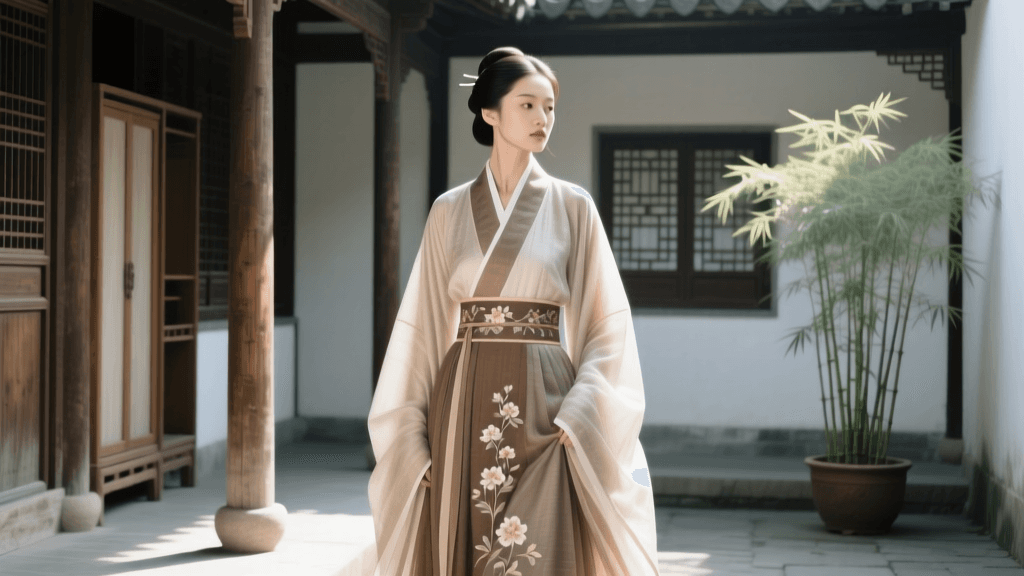
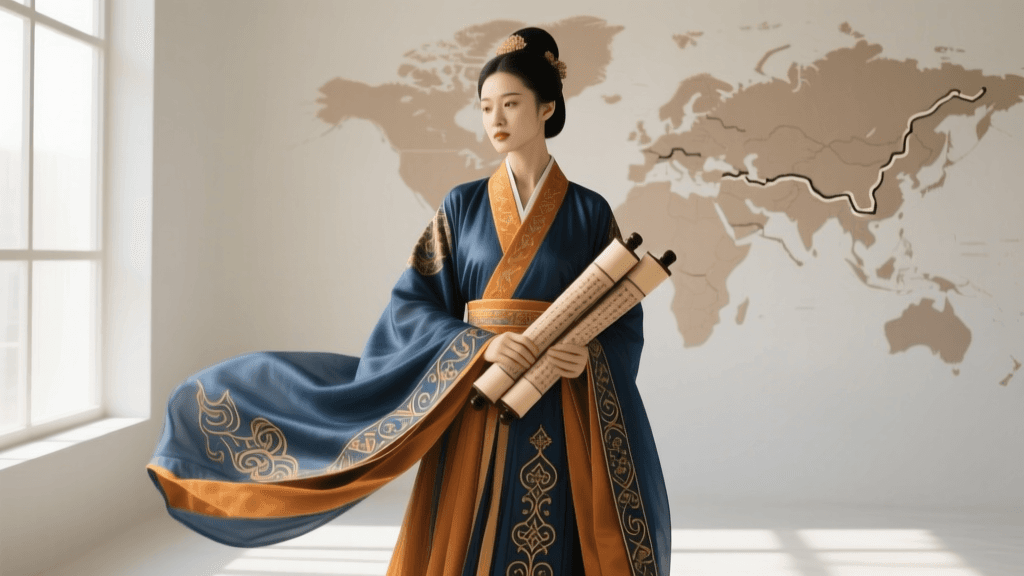
The Tang Dynasty (618–907 CE) represents a golden age of Chinese cosmopolitanism, largely driven by the bustling trade networks of the Silk Road. As the eastern terminus of this vast transcontinental route, the capital city of Chang'an (modern-day Xi'an) was a melting pot of cultures, hosting Sogdian, Persian, Turkic, and Indian merchants. This unprecedented exchange of goods and ideas fundamentally transformed traditional Chinese clothing. According to the UNESCO Silk Roads Programme, the movement of textiles and artisans along these routes facilitated a profound cross-cultural synthesis that is still visible in historical garments and modern Hanfu revivals today.
For modern Hanfu enthusiasts and historians alike, understanding the Silk Road's sartorial influence is essential. The integration of foreign silhouettes, weaving techniques, and motifs created a unique Tang aesthetic that broke away from the strict, wide-sleeved orthodoxy of previous dynasties. Today, reviving these cross-cultural garments requires not only historical knowledge but also practical know-how regarding sourcing, tailoring, and styling.
Hufu: The 'Foreign Dress' That Conquered High Fashion
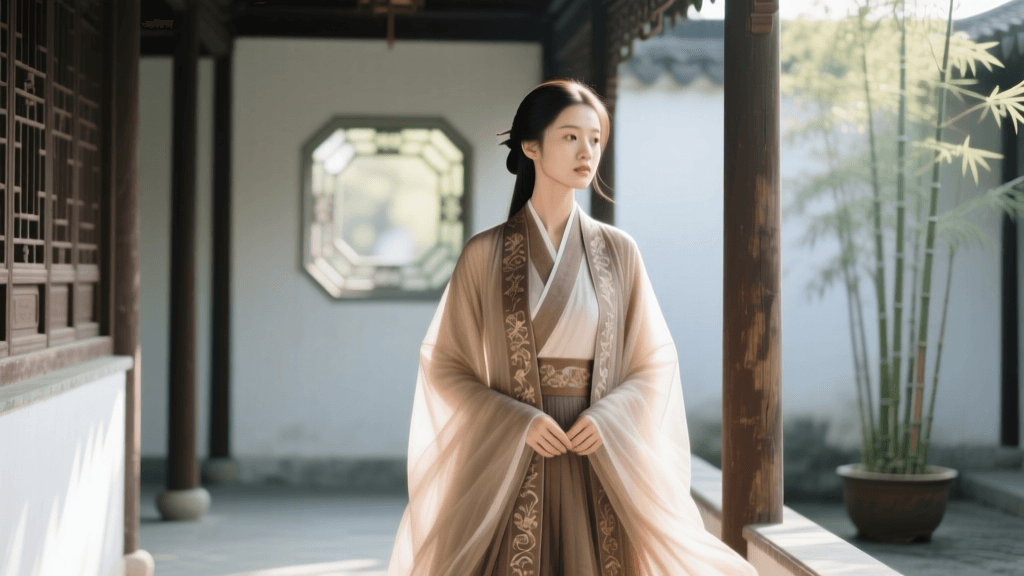
Before the Tang Dynasty, traditional Han clothing (Hanfu) was characterized by wide sleeves, cross-collars (jiaoling), and flowing robes that prioritized elegance and Confucian modesty over mobility. However, the influx of Central Asian and Persian horsemen introduced Hufu (foreign clothing). Hufu featured narrow sleeves, fitted bodices, lapel collars, and trousers tucked into leather riding boots.
Initially adopted for military and equestrian practicality, Hufu quickly became a high-fashion trend among both men and women in Chang'an. Tang women, enjoying unprecedented social freedom, frequently donned Hufu to play polo, ride horses, and attend banquets. When sourcing modern Hufu-inspired Hanfu, look for garments labeled as Yuanlingpao (round-collar robes) with structured shoulders and tapered sleeves, which mimic the tailored fit of Sogdian riding coats.
The Banbi and the Sogdian Pearl Roundel Motif
Another staple born from this era of cultural exchange is the Banbi (half-sleeve jacket). Originally a practical garment for laborers and soldiers, the Banbi was elevated to a luxury layering piece worn over the traditional Ruqun (blouse and skirt). The true cross-cultural hallmark of the Tang Banbi, however, lies in its textiles.
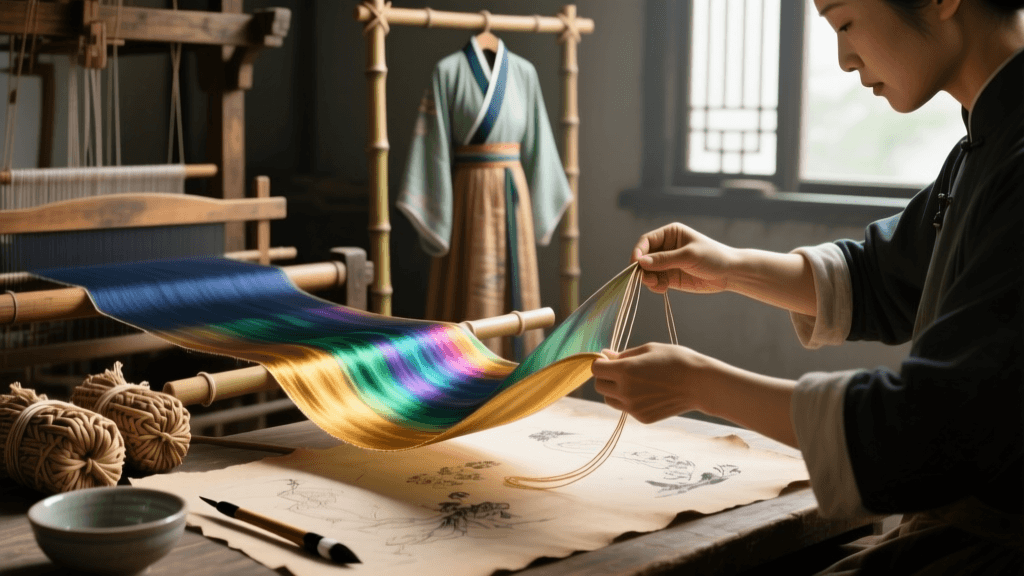
Sogdian weavers traveling the Silk Road brought with them the Lianzhu (pearl roundel) motif—a design featuring a circular border of pearls enclosing confronting animals like lions, boars, or peacocks. As noted by the Metropolitan Museum of Art's Heilbrunn Timeline of Art History, Chinese weavers rapidly adapted these Sasanian Persian and Sogdian motifs into their own silk brocades, utilizing complex weft-faced compound twill techniques to create heavy, lustrous fabrics that appealed to the Tang elite. Today, Hanfu brands frequently reproduce these exact Lianzhu brocades using modern jacquard looms.
Practical Guide: Sourcing Tang-Silk Road Hanfu Today
Acquiring authentic, high-quality Tang-style Hanfu with Silk Road influences requires navigating specialized markets and understanding fabric compositions. Here is actionable advice for building your cross-cultural Tang wardrobe:
- Search Terminology: When browsing platforms like Taobao, AliExpress, or specialized Hanfu boutiques, use specific Chinese keywords. Search for '唐制圆领袍' (Tang round-collar robe), '唐代半臂' (Tang Banbi), and '联珠纹' (pearl roundel pattern).
- Fabric Selection: Historical Tang brocades were heavy and stiff. For modern comfort, look for cotton-linen blends for summer Banbi, or polyester-jacquard for budget-friendly brocades. For museum-quality accuracy, commission real silk brocade (Zhuanghua or Song brocade), though this significantly increases the cost.
- Timing and Commissions: Mass-produced Tang Hanfu is readily available and ships within 3–7 days. However, if you are commissioning a custom Lianzhu brocade Yuanlingpao from a specialized studio, expect a production time of 30 to 45 days, as the jacquard weaving and tailoring are done on demand.
Sizing, Measurements, and Tailoring
Tang garments, particularly those influenced by Hufu, require a different approach to sizing than the flowing Han or Song dynasty robes. The structure of the Yuanlingpao relies heavily on the shoulder seam and the underarm gusset.
Key Measurements for Tang Hanfu
- Shoulder Width: Unlike drop-shoulder Hanfu, Tang round-collar robes should sit precisely on the edge of your natural shoulder to support the stiff collar. Measure from the acromion bone on one side to the other.
- Sleeve Length and Cuff: For Hufu styles, the sleeve should end exactly at the wrist bone. The cuff circumference should be narrow (around 15–18 cm) to mimic the historical riding coat silhouette, contrasting sharply with the 40+ cm cuffs of wide-sleeved Hanfu.
- Chest and Waist: Tang robes are often worn with a leather or silk belt (Diexie belt) cinched tightly at the natural waist. Ensure the garment's flat chest measurement is at least 10–15 cm larger than your actual chest circumference to allow for the overlapping front panel and comfortable belting.
Garment Comparison: Historical vs. Modern Revival
The following table outlines the practical differences between historical Silk Road garments and their modern commercial equivalents, helping you budget and plan your purchases.
| Garment Type | Historical Function | Modern Revival Fabric | Est. Cost (USD) | Key Measurement Focus |
|---|---|---|---|---|
| Yuanlingpao (Round-Collar) | Official & Equestrian Wear | Poly-Jacquard / Silk Brocade | $60 – $350+ | Shoulder width, sleeve taper |
| Banbi (Half-Sleeve) | Layering & Warmth | Cotton-Linen / Woven Brocade | $35 – $120 | Bust, armhole depth |
| Hufu Trousers & Boots | Riding & Mobility | Canvas / Faux Leather | $40 – $90 | Inseam, calf circumference |
| Jiansequn (Striped Skirt) | Court & Banquet Wear | Pleated Chiffon / Silk Satin | $45 – $150 | Natural waist, skirt length |
Accessorizing the Silk Road Look
To complete a Tang Dynasty cross-cultural ensemble, accessories are just as vital as the textiles. The National Museum of Asian Art highlights the profound influence of Central Asian metalwork on Tang jewelry. When styling your Hanfu, incorporate gold-toned hairpins featuring floral or bird motifs, and consider adding a Diexie belt—a functional leather belt with hanging straps and metal rings originally used to carry nomadic tools, which evolved into a high-status fashion accessory in Chang'an.
For makeup, the Tang aesthetic was bold and experimental, heavily influenced by foreign customs. Recreate the Huadian (forehead floral applique) using gold leaf or red paper, and apply vivid rouge high on the cheekbones, mimicking the 'drunken' makeup styles popularized by Tang court women who were themselves inspired by the vibrant aesthetics of Western Region dancers.
Caring for Brocade and Jacquard Textiles
Silk Road-inspired Hanfu often features dense, raised brocade patterns that require specific care to maintain their structural integrity. Never machine-wash silk brocade or metallic-thread jacquards. Instead, spot clean with a damp cloth and mild silk detergent, or opt for professional dry cleaning. When storing your Yuanlingpao or Banbi, hang them on wide, padded wooden hangers to prevent the stiff shoulders from collapsing or developing permanent creases. Keep the garments in a breathable cotton garment bag away from direct sunlight, which can rapidly fade the rich, historically accurate dyes like indigo and madder red.
Conclusion
The Tang Dynasty's embrace of Silk Road fashion is a testament to the power of cultural exchange. By understanding the historical roots of Hufu, the Banbi, and the Lianzhu motif, modern wearers can do more than just put on a costume; they can actively participate in the living history of the ancient Silk Road. Whether you are commissioning a bespoke silk brocade robe or styling a budget-friendly jacquard jacket for a cultural festival, the cross-cultural legacy of Chang'an offers endless inspiration for the modern Hanfu wardrobe.