The Hanfu Revival: A Practical Guide to Sourcing and Styling
The Rise of the Hanfu Revival Movement
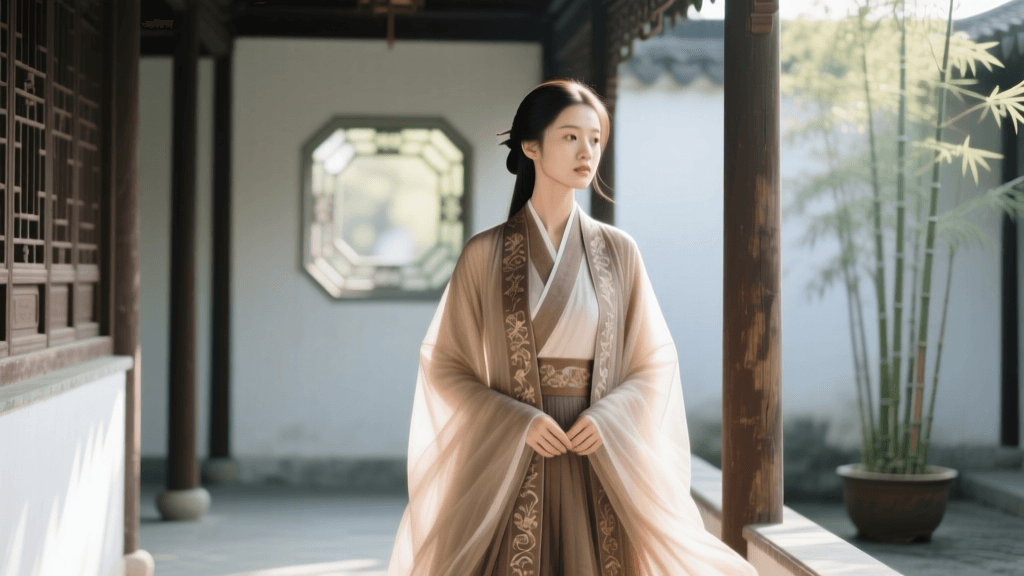
Over the past two decades, China has witnessed a profound cultural phenomenon: the Hanfu revival movement (汉服运动). What began in the early 2000s as a niche interest among university students and history enthusiasts has blossomed into a multi-billion-dollar industry embraced by millions of Gen Z and Millennial consumers. Hanfu, the traditional clothing of the Han Chinese, is no longer relegated to museum displays or theatrical stages. Today, it is worn on city streets, in subway cars, and at global cultural festivals. According to cultural observers at Sixth Tone, the movement is driven by a desire among young people to reconnect with their heritage, redefine modern Chinese identity, and appreciate the intricate craftsmanship of ancient textiles.
However, transitioning from an admirer of Hanfu to an active participant requires navigating a unique ecosystem of specialized brands, historical terminology, and specific styling rules. This guide provides actionable, practical advice for sourcing, measuring, and styling authentic Hanfu in the modern era.
Understanding Hanfu Styles: A Buyer’s Comparison
Hanfu encompasses thousands of years of history, with distinct silhouettes emerging from the Tang, Song, and Ming dynasties. For newcomers, choosing the right style depends on climate, occasion, and personal comfort. Below is a comparison chart of the most popular styles purchased by modern enthusiasts.
| Style Name | Historical Era | Key Components | Est. Cost (USD) | Best Occasion | Difficulty |
|---|---|---|---|---|---|
| Qixiong Ruqun | Tang Dynasty | Chest-high pleated skirt, wide-sleeved cropped top, shawl (pibo) | $60 - $150 | Summer festivals, photography | Moderate (requires secure tying) |
| Aoqun (Mamianqun) | Ming Dynasty | Lined cross-collar or standing-collar top, pleated horse-face skirt | $100 - $300+ | Formal events, winter wear, daily | Easy (structured and secure) |
| Beizi | Song Dynasty | Long open-front coat, inner top, pleated or slip skirt | $50 - $120 | Daily wear, spring/autumn layering | Very Easy |
| Yuanlingpao | Tang / Ming | Round-collar robe, leather belt, boots | $80 - $200 | Cosplay, historical reenactment | Moderate (bulkier fabric) |
Sourcing Authentic Hanfu: Brands and Platforms
The epicenter of Hanfu commerce is Taobao, China's largest e-commerce platform. While international buyers can use proxy shopping services like Superbuy or Wegobuy, understanding the top-tier brands is crucial for ensuring historical accuracy and quality construction.
- Minghuatang (明华堂): The gold standard for Ming Dynasty Hanfu. Known for museum-grade accuracy, luxurious silk brocades, and meticulous weaving techniques. Prices range from $300 to over $1,500 per garment. Wait times can exceed a year due to their bespoke, made-to-order model.
- Shisanyu (十三余): A highly popular mid-range brand that collaborates with major IPs (like Disney and Chinese video games). Their designs are accessible, historically inspired rather than strictly replicated, and cost between $50 and $150. Excellent for beginners.
- Hanshang Huaxia (汉尚华莲): A reliable budget-friendly brand offering a massive variety of Tang and Song dynasty styles, typically ranging from $30 to $80.
Navigating the Pre-Order System (定金 and 尾款)
Unlike Western fast fashion, high-quality Hanfu is predominantly sold via a crowdfunding-style pre-order system. Shops will release a sample garment and open a deposit period (定金, dingjin). Buyers pay a non-refundable deposit (usually 20-30% of the total cost). Once the production goal is met, the shop manufactures the garments, which takes 3 to 6 months. Finally, buyers pay the remaining balance (尾款, weikuan) before shipping. Always track your deposit payments and set calendar reminders for final balance deadlines, or your order will be forfeited.
The Golden Rule: Jiaoling Youren
If you learn only one rule of Hanfu, it must be Jiaoling Youren (交领右衽). This translates to 'cross-collar, right-over-left.' When wearing a cross-collared top, the left side of the garment must always cross over the right side, and the ties are secured on the wearer's right side. In traditional Han Chinese culture, the left-over-right configuration (右衽) was strictly reserved for dressing the deceased. Wearing it backward is considered a severe cultural faux pas and a bad omen. Always double-check your collar alignment before stepping out.
Essential Measurements for the Perfect Fit
Hanfu sizing differs vastly from modern Western tailoring. Because traditional garments rely on wrapping, tying, and draping rather than darts and zippers, the fit is inherently more forgiving. However, to avoid tripping over skirts or dealing with sleeves that are too short, you must provide specific measurements to Taobao sellers or proxy agents.
- Bust/Chest (胸围): Crucial for cross-collar and chest-high Ruqun styles. Measure around the fullest part of your chest. Add 4-6 cm for a comfortable overlap without gaping.
- Waist (腰围): Measure your natural waist (above the belly button) for Song and Tang skirts, and your lower waist/hips for Ming Dynasty Mamianqun (horse-face skirts), which sit lower on the body.
- Height (身高): The most vital measurement for skirts. Hanfu skirts are designed to graze the top of the foot. If you are 165 cm tall, a standard 100 cm skirt might drag on the floor. Always check the skirt length chart against your waist-to-floor measurement.
- Arm Span / Wrist-to-Wrist (通袖长): Traditional Hanfu sleeves (especially Pipa sleeves) are designed to extend past the fingertips. Measure from wrist bone to wrist bone, or shoulder to shoulder, to ensure the iconic elegant drape of the sleeves.
Layering, Undergarments, and Seasonal Fabrics
Wearing Hanfu is an exercise in layering. To protect expensive silk outer garments from body oils and sweat, and to provide structural opacity, enthusiasts wear a Zhongyi (中衣), a lightweight white cotton or linen inner layer. For Tang dynasty chest-high skirts, a Moxiong (抹胸, tube top) is essential for modesty and support.
Fabric choice is dictated by the seasons, reflecting ancient agricultural rhythms:
- Summer: Opt for Ramie (夏布, Xiabu) or lightweight linen. Ramie is a traditional bast fiber that is highly breathable, stiff enough to hold pleats, and historically accurate for Song and Ming summer wear.
- Winter: Ming Dynasty styles shine in winter. Look for garments lined with faux fur, wool, or thick cotton. Outer jackets (Pifeng) made from heavy silk brocade (织金, Zhijin) provide both warmth and striking visual weight.
Hair, Footwear, and Accessories
Completing the Hanfu silhouette requires attention to extremities. Modern sneakers can break the historical illusion. Instead, invest in a pair of Yunjian (cloud shoes) or traditional embroidered cloth boots. For hair, elaborate historical updos are not mandatory for daily wear. A simple half-up, half-down style secured with a wooden or jade Zanzi (hairpin) is elegant, practical, and historically acceptable for unmarried women or casual settings.
Joining the Global and Local Community
The Hanfu movement is deeply communal. As noted by BBC News in their coverage of the revival, wearing Hanfu is often a social act, a way for youth to find community and express pride in their heritage. Enthusiasts frequently gather for 'street snaps' in historic districts, organize tea ceremonies, and attend massive annual gatherings.
If you are in China, attending the Xitang Traditional Culture Week (西塘汉服文化周) in Zhejiang province or the Xihu Hanfu Festival in Hangzhou is a rite of passage. These events feature parades, archery, and lantern-making workshops. For international enthusiasts, local university Chinese Student Associations (CSAs) and cultural centers frequently host Lunar New Year and Mid-Autumn festivals where Hanfu is celebrated, providing a welcoming entry point into the global community.
'Hanfu is not merely a garment; it is a vessel for ritual, respect, and historical continuity. When we tie the sash, we are tying ourselves to thousands of years of civilization.'
By understanding the historical context, respecting the rules of wear, and investing in quality craftsmanship, you can respectfully and beautifully participate in one of the most vibrant traditional clothing revivals in the modern world.