Taisho Roman & Shonen Hakama Cosplay: A Styling Guide

The Intersection of Anime and Traditional Japanese Garments
When navigating the vibrant floors of anime and manga conventions, few cosplay genres command as much respect and visual impact as those inspired by Japan's historical eras and stylized shonen battle wear. From the romantic, nostalgic aesthetics of 'Taisho Roman' seen in series like Taisho Otome Fairy Tale to the fierce, dynamic uniforms of Demon Slayer: Kimetsu no Yaiba and Rurouni Kenshin, these designs are deeply rooted in authentic traditional Japanese clothing. However, translating these 2D anime designs into 3D reality requires more than just buying a cheap, mass-produced costume online. It demands an understanding of traditional garment construction, proper sizing, and the art of kitsuke (the practice of dressing in kimono and hakama).
For cosplayers seeking to elevate their craft, blending historical accuracy with convention practicality is the ultimate goal. According to the Japan National Tourism Organization, traditional garments like the kimono and hakama are not merely clothing but structured expressions of culture, seasonality, and social status. By applying these authentic principles to your anime cosplay, you ensure your outfit drapes correctly, moves fluidly during photoshoots, and withstands the rigors of a crowded convention center.
Understanding the Anime Hakama vs. Traditional Hakama
The most iconic garment in shonen and historical anime cosplay is the hakama—the wide, pleated trousers worn over a kimono. In anime, characters often wear hakama that defy gravity, flowing dramatically during sword fights. In reality, the drape and movement of a hakama depend entirely on its fabric weight, pleat construction, and cut. There are two primary types of hakama you must consider for your cosplay:
- Umanori (Horse-Riding) Hakama: These are split down the middle, resembling very wide trousers. They offer maximum mobility and are essential for action-oriented shonen cosplays where you need to run, pose dynamically, or sit comfortably.
- Andon (Lantern) Hakama: These are unsplit and resemble a long, pleated skirt. They are traditionally worn by women or for formal, sedate occasions. While beautiful for Taisho Roman female scholar cosplays, they restrict movement and are not recommended for battle-ready characters.
Below is a comparison to help you decide where to source your garments:
| Feature | Traditional Authentic Hakama | Mass-Produced Cosplay Hakama |
|---|---|---|
| Fabric | Silk, high-grade polyester, wool blend | Thin cotton, cheap polyester blends |
| Pleat Retention | Hand-pressed, requires specialized storage | Machine-pressed, loses shape after one wash |
| Mobility | High (if umanori style and sized correctly) | Restricted due to poor cut and short lengths |
| Cost (USD) | $120 - $400+ | $35 - $75 |
| Drape & Silhouette | Heavy, flows elegantly, matches anime art | Stiff, bunches at the knees, looks costumey |
As noted by The Metropolitan Museum of Art's Heilbrunn Timeline, the structural integrity of Japanese garments relies heavily on the quality of the textile. A traditional polyester or silk hakama will give you the dramatic, sweeping silhouette seen in high-budget anime adaptations, whereas thin cosplay cotton will cling awkwardly to the legs.
Sourcing and Sizing Your Kimono and Hakama
The most common mistake anime cosplayers make is wearing their hakama too low, like modern Western trousers. Traditionally, a hakama is tied at the natural waist, right around the navel or slightly above. This high waistline elongates the legs and allows the heavy fabric to flow properly without dragging on the floor.
How to Measure for a Hakama
To find your correct size, you need to measure your hakama-take (hakama length). Stand straight and measure from your navel down to your ankle bone. Most traditional Japanese clothing vendors sell hakama in standard sizes based on this measurement. If you are buying from vintage auction sites like Yamatoku or specialized vendors like Ichiroya, look for the listed length in centimeters. If your measurement falls between sizes, always size up; you can easily fold the excess fabric under the koshiita (the rigid backboard), but you cannot add length to a short hakama.
Sizing the Base Kimono (Kosode)
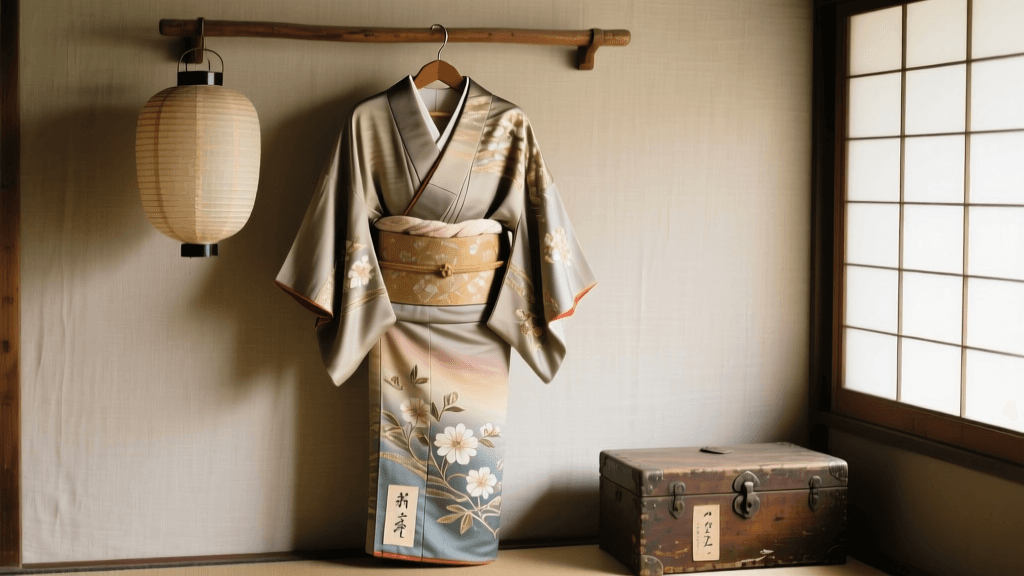
The kimono worn under the hakama does not need to be perfectly tailored to your height because the excess fabric is folded at the waist using a tie called a koshihimo. However, the sleeve length and shoulder width should roughly match your own. For male shonen characters, the sleeves are typically shorter and more angular, while Taisho Roman female characters often feature longer, flowing sleeves that peek out beautifully from beneath a haori (jacket).
Essential Components of a Shonen or Taisho Roman Ensemble
To build a complete, convention-ready outfit, you must assemble the correct layers. Skipping layers will result in a flat, unconvincing silhouette. Here is your essential shopping checklist, complete with estimated costs for authentic vintage or high-quality reproduction pieces:
- Juban (Undergarment): A lightweight cotton under-kimono that protects your outer layers from sweat. Crucial for multi-day conventions. ($25 - $45)
- Kosode / Kimono: The main robe. For Taisho Roman, look for deep maroons, mustard yellows, or geometric 'arrow' patterns. For shonen, solid blacks, navy blues, or checkered patterns are standard. ($40 - $120 for vintage)
- Hakama: The pleated trousers. Ensure it has a rigid koshiita backboard to maintain the anime-accurate silhouette. ($80 - $150)
- Haori (Outer Jacket): Often worn open in anime to create dynamic wind-blown poses. Look for vintage silk haori with subtle crests (mon). ($40 - $90)
- Tabi & Zori/Waraji: Split-toe socks paired with either traditional straw sandals (waraji) or thonged sandals (zori). If your character is a demon slayer or samurai, kyahan (leg wraps) are also required. ($30 - $60 total)
Pro-Tip for Cosplayers: If you are cosplaying a character with a highly stylized, fictional uniform (like the Demon Slayer Corps), buy a traditional black or navy vintage hakama and have a local tailor carefully remove the front ties and replace them with the specific fictional fasteners or belts required by the anime design. This preserves the beautiful drape of the traditional garment while achieving screen accuracy.
Convention Survival: Kitsuke (Dressing) on the Go
Dressing in traditional Japanese garments is an art form, but doing it in a cramped hotel room before a convention requires modern hacks. The Victoria and Albert Museum highlights that while historical kimono dressing requires multiple silk ties and precise folding, modern practitioners and cosplayers can adapt these techniques for mobility and speed.
The 30-Minute Convention Dressing Routine
- Secure the Base: Put on your juban and kosode. Instead of using traditional cotton koshihimo ties to fold the excess kimono fabric at the waist, use a modern elastic koshihimo with a plastic clip. This saves time and prevents the kimono from slipping during long days of walking.
- Collar Management: Anime characters always have perfectly crisp, symmetrical collars. Use double-sided fabric tape (like Itokubi tape) to secure the overlapping collars to your juban. This prevents the dreaded 'wardrobe malfunction' when you lean over for photos.
- Tying the Hakama: Step into the hakama and pull the front ties tightly around your natural waist. Cross them in the back, bring them to the front, and tie a secure square knot. Tuck the back ties under the koshiita. If your hakama slips down during the day, use a small safety pin to anchor the top edge of the hakama to your elastic waist tie.
Bathroom and Mobility Hacks
The reality of wearing a hakama at a convention is navigating restrooms. If you are wearing an umanori (split) hakama, you can hike up the front panels and secure them with a large binder clip or a dedicated hakama clip to keep the hem off the floor. Never attempt to pull the entire hakama down; the intricate knot at the back will tangle, and you will struggle to re-dress yourself in a cramped stall.
Caring for Your Garments Post-Convention
Convention floors are notoriously dirty, and traditional garments require specific care to ensure they last for multiple events. Never put a vintage silk kimono or hakama in a washing machine. Instead, follow these maintenance steps:
- Airing Out: Immediately upon returning home, hang your kimono and hakama on a wide, padded hanger in a well-ventilated, shaded room for 24 hours. This allows sweat and convention hall odors to dissipate.
- Spot Cleaning: Use a damp cloth with a tiny amount of mild detergent to spot-clean the hem of the hakama, which inevitably drags on the ground. Blot, do not rub, to avoid damaging the fibers.
- Storing the Pleats: The pleats of a hakama are its defining feature. When storing, fold the hakama strictly along its original pleat lines. Place heavy books over the folded garment, or use specialized hakama storage boards to ensure the pleats remain razor-sharp for your next event.
By investing in authentic traditional garments and applying practical, convention-tested styling hacks, your Taisho Roman or shonen anime cosplay will transcend basic costuming. You will not only honor the rich textile history of Japan but also achieve the dramatic, awe-inspiring silhouettes that make these anime characters so iconic.