Hanfu for Special Occasions: Weddings, Festivals & Graduations
The Hanfu Revival: Dressing for Life's Greatest Milestones
Over the past decade, the Hanfu movement has transformed from a niche historical hobby into a mainstream cultural phenomenon across China and the global diaspora. While everyday Hanfu styling has become increasingly common on city streets, it is during life's most significant milestones—weddings, graduations, and traditional festivals—that these garments truly shine. According to a comprehensive feature by BBC Travel, the resurgence of traditional Chinese clothing is deeply tied to a desire for cultural identity and historical continuity among younger generations. Choosing the right Hanfu for a special occasion requires an understanding of historical silhouettes, fabric weights, and the symbolic meanings woven into every thread.
This guide provides actionable, detailed advice for selecting, styling, and wearing Hanfu for your most important life events, ensuring you look authentic, elegant, and comfortable.
Hanfu for Weddings: Ming Dynasty Elegance and Beyond
When it comes to traditional Chinese weddings, the Ming Dynasty (1368–1644) aesthetic remains the undisputed gold standard. The Ming era established strict sumptuary laws that eventually allowed commoners to wear noble-style garments on their wedding day, a tradition that cemented the iconic 'Ming Wedding Hanfu' in cultural memory.
The Classic Fengguan Xiapei (Phoenix Crown and Rosy Cape)
The most formal and recognizable Ming wedding attire is the Fengguan Xiapei. This ensemble is heavily embroidered, structured, and profoundly symbolic.
- The Upper Garment (Ao or Shan): Typically a crimson or deep red silk jacket with a stand-up collar (liling) or a round collar, featuring intricate gold and silver embroidery of dragons, phoenixes, or peonies.
- The Skirt (Mamianqun): The iconic 'horse-face skirt' is essential. For weddings, it is usually woven with metallic threads (zhuanghua) depicting auspicious motifs like the 'hundred boys' or lotus flowers.
- The Xiapei (Stole): A V-shaped embroidered stole draped over the shoulders and weighted at the bottom with a jade or gold pendant to keep it hanging straight.
- The Fengguan (Crown): An elaborate headdress adorned with kingfisher feathers (or modern silk/enamel alternatives), pearls, and gold filigree.
Budgeting Tip: A high-quality, bespoke Ming wedding set utilizing genuine silk brocade and hand-embroidery can cost anywhere from $1,500 to over $5,000. For budget-conscious couples, premium machine-embroidered sets from reputable Taobao or independent studios range from $300 to $800, offering stunning visuals for photography without the couture price tag.
Modern Hanfu Wedding Alternatives
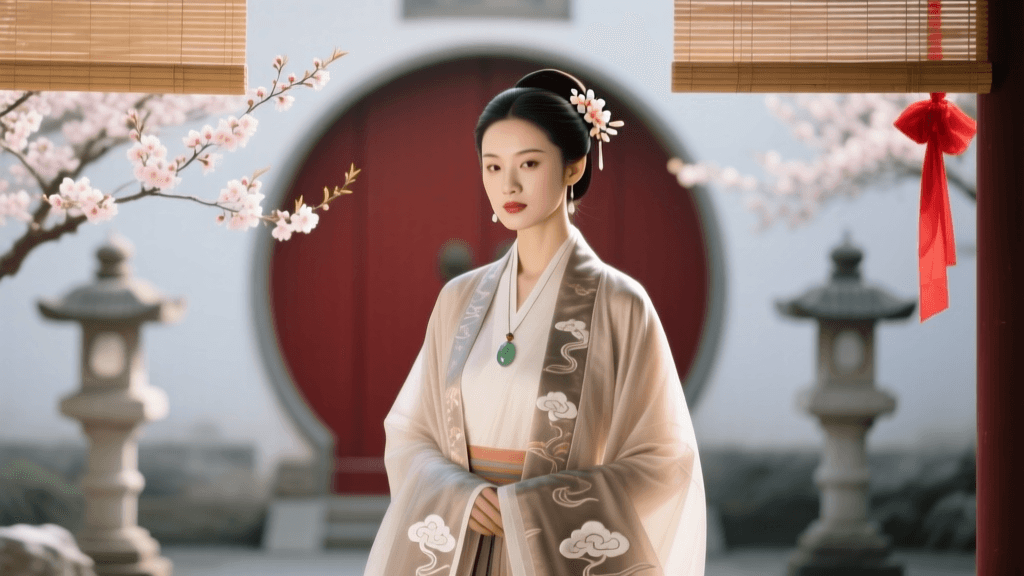
If the heavy, structured layers of Ming attire feel too restrictive, many modern couples are turning to the ethereal styles of the Tang (618–907) or Song (960–1279) dynasties. Tang Dynasty wedding Hanfu often features the Qixiong Ruqun (chest-high skirt) in vibrant crimsons and golds, offering a romantic, flowing silhouette. Song Dynasty wedding attire leans into understated luxury, utilizing pearl embellishments, muted jewel tones, and the elegant Beizi (long open-front jacket) over a pleated skirt, perfect for intimate, garden-style ceremonies.
Graduation Hanfu: Celebrating Academic Milestones
In recent years, a viral trend documented by cultural observers like Sixth Tone has seen university students swapping Western-style black caps and gowns for traditional Hanfu during graduation ceremonies. This shift represents a profound reclamation of academic heritage, echoing the scholarly aesthetics of ancient China.
Choosing the Right Silhouette for the Stage
Graduation requires a balance of dignity, comfort, and photogenic appeal. You will be walking across stages, sitting for long periods, and taking countless photos.
- Song Dynasty Scholar Aesthetic: Opt for a Changshan (long shirt) or a lightweight Beizi paired with a Baidi Qun (hundred-pleat skirt). The clean lines and modest layering project an air of intellectual refinement. Colors like celadon, navy, and ivory are highly recommended.
- Ming Dynasty Formality: A Pifeng (cloak) worn over a stand-collar jacket and Mamianqun provides a regal, structured look that photographs beautifully from a distance. The stiff collar frames the face perfectly for diploma photos.
Accessorizing for the Stage
Avoid overly elaborate hairpieces that might interfere with the standard graduation mortarboard if you choose to wear both. Instead, opt for a simple jade hairpin (zan) or a minimalist silver crown. For footwear, traditional cloud-toe shoes (yunxie) are comfortable for walking and peek out elegantly from beneath the hem of a long skirt.
Festival Hanfu: Lantern Festival, Mid-Autumn, and Huazhaohui
Festivals are the lifeblood of the Hanfu community. Events like the Lantern Festival (Yuanxiao Jie), the Mid-Autumn Festival, and the spring Flower Festival (Huazhaohui) provide the perfect backdrop for expressive, historically inspired styling.
Spring Flower Festivals (Huazhaohui)
Held in the second lunar month, Huazhaohui celebrates the birthdays of the flowers. This is the prime season for the Jiaoling Ruqun (cross-collar top and skirt) or the Tang Dynasty Banbi (half-sleeve jacket). Pastel color palettes—think peach blossom pink, willow green, and soft lilac—are essential. Fabrics should be lightweight, such as silk chiffon or fine cotton, allowing the garments to catch the spring breeze.
Night Festivals and Lantern Lighting
For evening events like the Lantern Festival or Mid-Autumn gatherings, visibility and warmth are key. Rich, saturated colors like emerald, ruby, and deep indigo stand out against the night sky and lantern glow. Incorporate a Doukou (cloak) or a fur-lined Pifeng if the autumn or winter air is crisp. Metallic embroidery on the Mamianqun will catch the flickering lantern light, creating a mesmerizing visual effect.
Comparison Chart: Hanfu Styles by Occasion
| Occasion | Recommended Dynasty | Key Garments | Color Palette | Est. Budget (USD) |
|---|---|---|---|---|
| Wedding (Formal) | Ming | Liling Ao, Mamianqun, Xiapei | Crimson, Gold, Emerald | $300 - $3,000+ |
| Graduation | Song / Ming | Beizi, Baidi Qun, Pifeng | Celadon, Ivory, Navy | $80 - $250 |
| Spring Festival | Tang / Song | Qixiong Ruqun, Banbi | Pastels, Florals | $60 - $150 |
| Night/Autumn Fest | Ming | Yuanling Pao, Doukou | Deep Jewel Tones | $120 - $300 |
Practical Tips: Measurements, Tailoring, and Care
Mastering the Measurements
Unlike Western clothing, which relies on standardized S/M/L sizing based on bust and waist, Hanfu sizing is heavily dependent on height, arm span, and specific garment proportions. When ordering from traditional makers or Taobao artisans, you must provide:
- Height and Weight: Crucial for determining the correct skirt length and fabric width.
- Arm Span: Measured from wrist to wrist with arms outstretched. This dictates the sleeve length, especially for styles requiring the 'returning sleeve' (huixiu) effect where the fabric folds back over the hands.
- Neck to Floor: Essential for ensuring the Mamianqun sits exactly at the ankle bone without dragging.
Timing and Tailoring
For bespoke or made-to-measure Hanfu, particularly for weddings, you must allow a minimum of 8 to 12 weeks for production. Artisans weaving traditional Zhuanghua brocade on wooden looms often have extensive backlogs. Always order your wedding or graduation Hanfu at least three months before the event to allow time for international shipping and minor local alterations.
Garment Care for Heirlooms
Special occasion Hanfu, especially those featuring metallic threads or delicate silk gauze, should never be machine washed. Dry cleaning is recommended for heavy Ming wedding jackets. For pleated Mamianqun, store them rolled around a cylindrical tube or hang them using skirt clips with felt pads to prevent the pleats from losing their sharp, heat-set edges.
Conclusion
Wearing Hanfu for weddings, graduations, and festivals is more than a sartorial choice; it is a deeply personal connection to centuries of artistry, philosophy, and cultural resilience. By understanding the historical context, selecting the appropriate silhouettes, and investing in quality tailoring, you ensure that your traditional garments are not just worn, but truly lived in during your most unforgettable moments.