Taisho Roman Hakama: The Ultimate Anime Cosplay Guide
The Allure of Taisho Roman in Anime and Manga
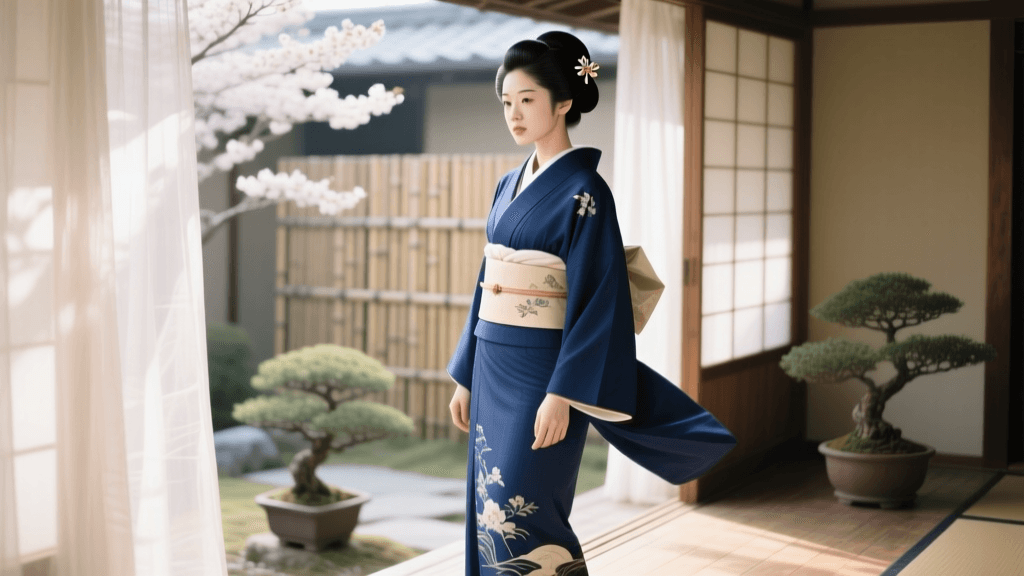
The Taisho era (1912–1926) remains one of the most romanticized and visually distinct periods in Japanese history. Characterized by a rapid influx of Western culture blending seamlessly with traditional Japanese aesthetics, this brief window of time birthed the 'Taisho Roman' movement. Today, this aesthetic has experienced a massive resurgence in global pop culture, largely driven by hit anime and manga franchises. From the iconic checkered haori and hakama of Tanjiro Kamado in Demon Slayer (Kimetsu no Yaiba) to the steampunk-infused military hakama of Sakura Wars and the nostalgic schoolgirl uniforms in Taisho Otome Fairy Tale, the Taisho silhouette is a staple at anime conventions worldwide.
However, for dedicated cosplayers and traditional garment enthusiasts, achieving an authentic Taisho Roman look requires more than simply purchasing a mass-produced polyester costume. It demands an understanding of historical textiles, proper garment proportions, and the practicalities of wearing traditional Japanese clothing in a modern convention environment. This comprehensive guide will walk you through the anatomy of Taisho fashion, how to source authentic pieces versus replicas, and how to survive a weekend convention while wearing a hakama.
Deconstructing the Taisho Roman Silhouette
To accurately replicate the Taisho Roman aesthetic, one must understand the foundational garments that create the silhouette. The era was defined by a departure from the rigid, heavily layered kimono styles of the Edo period, favoring mobility, bold patterns, and Western accessories.
The Kimono Base: Meisen Silk and Art Deco
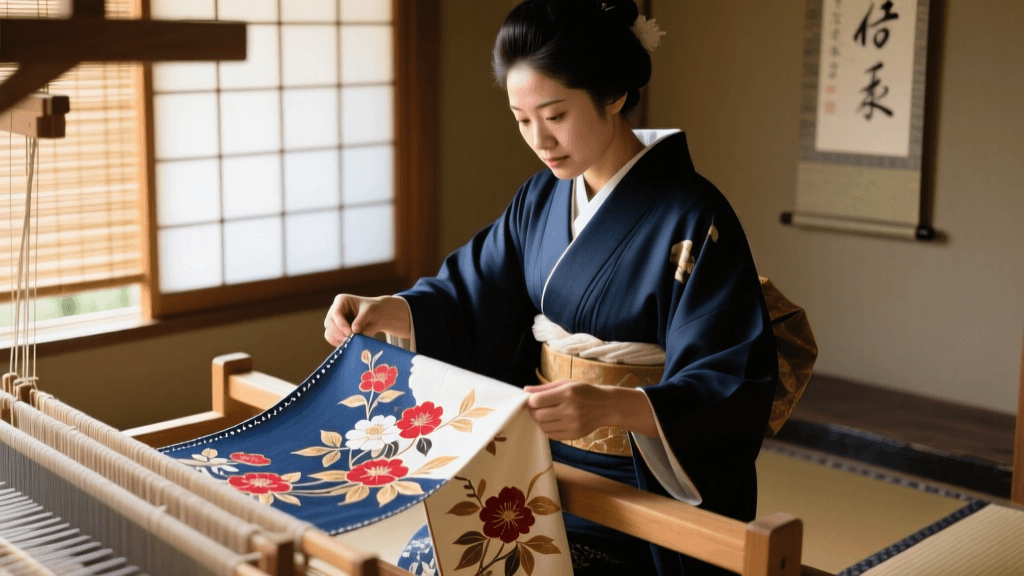
The foundation of any Taisho outfit is the kimono. During this era, Meisen silk became the 'fast fashion' of Japan. Unlike formal silks that required meticulous hand-painting, Meisen was woven using pre-dyed threads in a technique similar to ikat (kasuri). This allowed for the mass production of bold, geometric, and Art Deco-inspired patterns that were highly popular among students and modern women (known as moga or modern girls).
According to The Metropolitan Museum of Art, the evolution of Japanese textiles during the early 20th century reflects a fascinating intersection of industrialization and traditional craft. For cosplayers, this means looking for kimono with large, repeating geometric motifs, arrow feather patterns (ya-gasuri), or vibrant floral designs that mimic the Art Deco movement. The sleeves should ideally be tomesode length (shorter sleeves), as furisode (long, swinging sleeves) were reserved for unmarried women's formal wear and are less practical for the active lifestyle associated with Taisho students.
The Hakama: Andon vs. Umanori
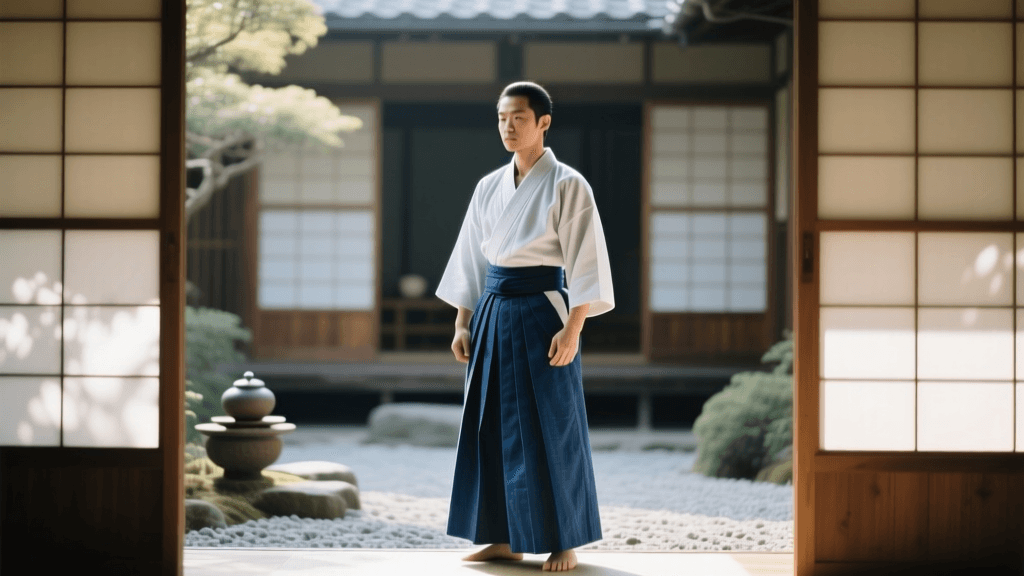
The hakama is the defining garment of the Taisho student and martial artist aesthetic. However, not all hakama are created equal. There are two primary styles you must choose from based on your character and comfort:
- Andon-bakama (Lantern Hakama): This is a tube-like, skirt-style hakama without a divided crotch. It was widely adopted by female students during the Taisho era because it was easier to wear, provided modesty, and allowed for greater freedom of movement than a standard kimono skirt. This is the correct choice for characters like Shinobu Kocho or Sakura Shinguji.
- Umanori-bakama (Horse-Riding Hakama): This style features a divided crotch, resembling wide-legged trousers. It is traditionally worn by men, martial artists, and characters engaged in combat. This is the accurate choice for Tanjiro Kamado or Giyu Tomioka.
Sizing and Measurements: Unlike Western clothing, hakama are not sized by waist measurement, but by length. To find your size, measure from your natural waist (where the obi will sit) down to your ankle bone. Standard women's sizes range from 85cm to 95cm, while men's sizes typically range from 90cm to 100cm. The hem should ideally graze the top of your ankle bone to prevent tripping and to properly showcase your footwear.
Sourcing Your Garments: Vintage vs. Replica
One of the most critical decisions a cosplayer must make is whether to invest in authentic vintage garments or opt for modern replicas. The Victoria and Albert Museum notes that the preservation of early 20th-century Japanese dress is a vital part of global textile history, and wearing vintage pieces is a way to participate in living history. However, convention environments can be harsh on delicate antiques.
| Category | Estimated Cost (USD) | Material | Pros | Cons |
|---|---|---|---|---|
| Vintage Antique (Taisho/Early Showa) | $50 - $150 | Authentic Meisen Silk | Unmatched historical accuracy, unique patina, supports sustainable fashion. | Fragile textiles, dry-clean only, limited sizing, stains may be permanent. |
| Modern Traditional (Kimono Shops) | $150 - $300 | Synthetic/Silk Blends | Highly durable, accurate sizing, machine washable, convention-friendly. | Higher upfront cost, lacks the distinct vintage texture and drape. |
| Cosplay Replicas (Specialty Brands) | $80 - $200 | Polyester/Cotton | Pre-tied bows, easy wear, character-specific prints, accessible sizing. | Poor breathability, stiff drape, lacks authentic silhouette and cultural respect. |
Sourcing Tips: For authentic vintage Meisen kimono and hakama, platforms like eBay, Etsy, and Japanese proxy services (such as Buyee or ZenMarket for Yahoo! Auctions Japan) are goldmines. Search terms like 'vintage Meisen kimono,' 'Taisho roman hakama,' and 'ya-gasuri kimono' will yield excellent results. If you opt for replicas, ensure the fabric has enough weight to pleat properly; cheap polyester tends to puff out at the waist, ruining the sleek, columnar silhouette essential to the era.
Essential Accessories for Historical Accuracy
The Taisho Roman aesthetic is defined by its accessories. The juxtaposition of traditional Japanese garments with imported Western items is what gives the era its unique visual flavor.
- Footwear: While traditional zori or geta are accurate, the hallmark of Taisho fashion is the lace-up leather boot. For female characters, pair your hakama with Victorian-style lace-up boots over sheer socks. For male or martial artist characters, traditional waraji (straw sandals) or simple leather sandals are appropriate.
- Hair Accessories: Ditch the modern plastic clips. Opt for an oshi-kushi (a decorative, often tortoiseshell-patterned comb) slid into the front of an updo. Velvet ribbons tied at the nape of the neck or woven into braids were incredibly popular among Taisho schoolgirls.
- The Haori: If you are adding a jacket, ensure it features a subtle family crest (kamon) or a bold geometric lining. The haori should fall to the mid-thigh, and the haori-himo (front ties) should be tied in a neat, flat knot.
Convention Survival: Wearing Hakama All Day
Wearing traditional Japanese clothing at a crowded anime convention presents unique logistical challenges. As noted by cultural commentators in The Japan Times, the revival of kimono culture among Japanese youth often involves adapting historical garments for modern, active lifestyles. Here is how to survive the convention floor in a hakama:
Mastering the Himo (Ties)
The most common mistake beginners make is tying the hakama strings incorrectly. The front himo (strings) are thicker and longer; they wrap around your waist and tie in a secure square knot at the back. The back himo are thinner and shorter; they cross over the front of the koshi-ita (the rigid backboard) and tie in the front over the front knot. Use a hakama belt (a specialized elastic belt with clips) underneath to keep the heavy garment anchored to your waist without relying solely on the friction of the obi.
Bathroom Logistics
Navigating a convention center restroom in an andon-bakama can be daunting. The secret is preparation. Bring a large, sturdy hair claw clip or a specialized 'skirt clip.' When you enter the stall, gather the excess fabric of the hakama and the kimono underneath, twist it gently, and clip it securely to your waist or obi. This prevents the hem from dragging on the floor and keeps the fabric out of the way.
Heat Management
Conventions are notoriously hot, and traditional garments are layered. Wear a lightweight, moisture-wicking hadajuban (under-kimono) or a modern athletic tank top as your base layer. Avoid cotton, which traps sweat and can stain vintage silk. Additionally, use a traditional folding fan (sensu) not just as a prop, but as a practical tool for cooling down between photoshoots.
'The Taisho era was a fleeting moment of modernity and romance, a bridge between the strict Edo period and the militarized Showa era. To wear it is to wear a piece of transient history.'
Conclusion
Cosplaying Taisho Roman fashion is a deeply rewarding endeavor that bridges the gap between anime fandom and historical appreciation. By understanding the differences between Meisen silk and modern replicas, choosing the correct hakama style, and mastering the practicalities of convention wear, you can elevate your cosplay from a simple costume to a respectful, stunning tribute to Japanese garment history. Whether you are wielding a Nichirin sword or simply enjoying the artist alley, the Taisho Roman silhouette ensures you will do so with unparalleled elegance and historical flair.