Best Hanfu for Tai Chi & Qigong Practice in 2026: Fabric & Fit
The Intersection of Hanfu and Wellness in 2026
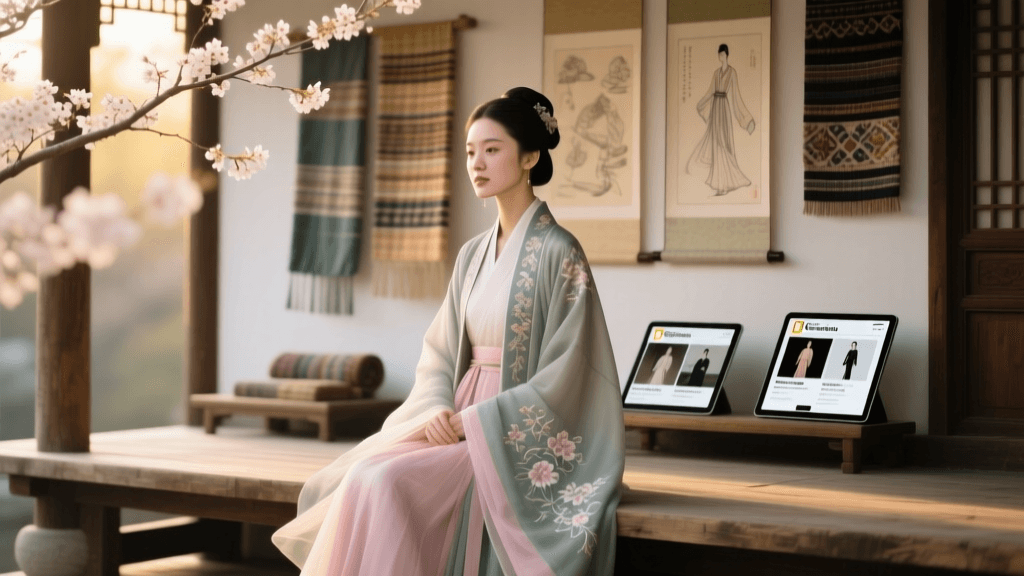
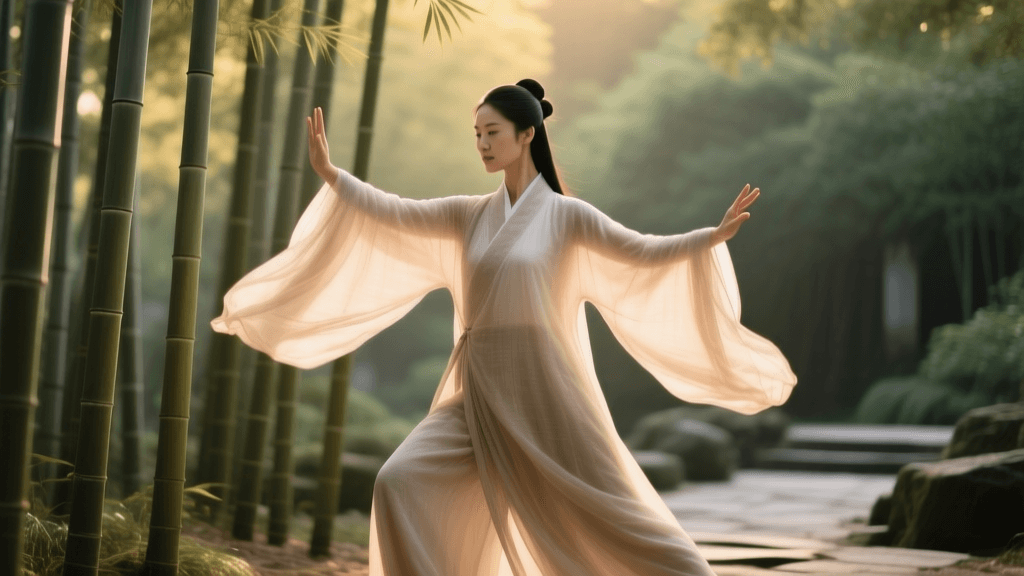
The revival of traditional Chinese clothing, known as the Hanfu movement, has beautifully intersected with the global surge in traditional wellness practices. As we navigate through 2026, practitioners of Tai Chi and Qigong are increasingly seeking garments that honor historical authenticity while supporting the dynamic, flowing movements required for internal martial arts. The modern Xin Zhongshi (New Chinese Style) movement has evolved significantly this year, offering sophisticated activewear that bridges the gap between ancient aesthetics and contemporary textile science. Whether you are performing the slow, deliberate forms of Yang-style Tai Chi or the stationary, breath-focused postures of Qigong, wearing the correct Hanfu is not merely a fashion choice; it is an extension of the practice itself.
According to Harvard Health Publishing, Tai Chi is often described as 'meditation in motion,' offering profound benefits for balance, flexibility, and cardiovascular health. To fully immerse yourself in this moving meditation, your clothing must facilitate, rather than restrict, the flow of both your physical body and your internal Qi. This comprehensive guide explores the best Hanfu silhouettes, fabric technologies, and fit considerations for Tai Chi and Qigong practitioners in 2026.
The Philosophy of Movement in Traditional Chinese Garments
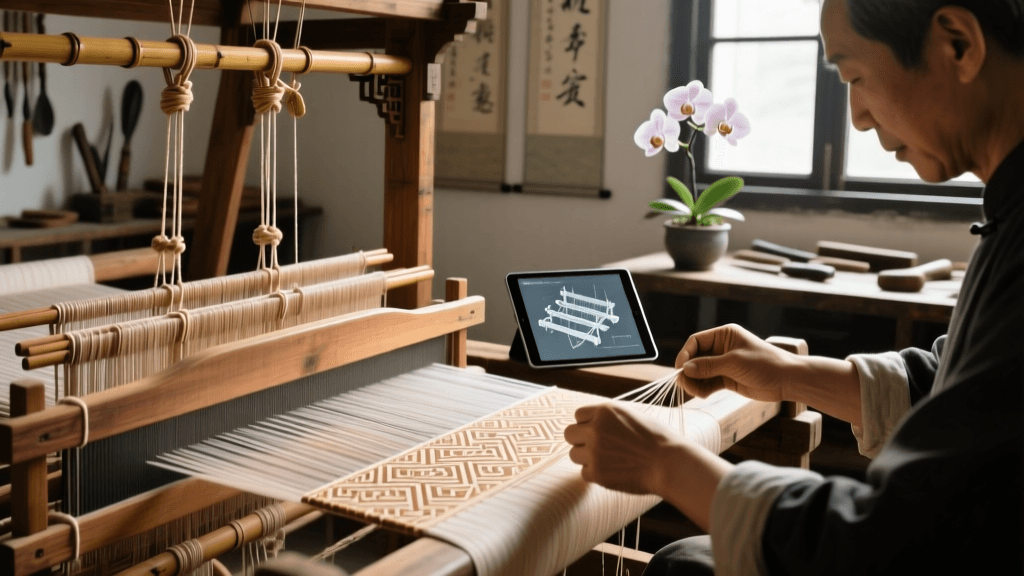
Traditional Chinese garment construction is deeply rooted in the philosophy of harmony between humanity and nature. Unlike Western tailoring, which often relies on darts, tight seams, and structured silhouettes to mold fabric to the body, traditional Hanfu utilizes flat-cutting techniques. This approach creates a garment that drapes naturally over the body, allowing for a full range of motion without pulling at the seams. In the context of Tai Chi and Qigong, this is crucial. The practice requires deep stances, sweeping arm movements, and spinal rotations. A properly constructed Hanfu moves with the practitioner, creating a visual representation of the Qi flowing through the meridians.
Furthermore, the concept of 'song' (relaxation or active release of tension) is a foundational principle in Tai Chi. Tight waistbands, restrictive collars, and rigid fabrics inhibit 'song' by creating physical tension and restricting blood circulation. The traditional Hanfu relies on sashes, ties, and overlapping cross-collars (jiaoling youren) to secure the garment, allowing the practitioner to adjust the fit dynamically and maintain a relaxed, grounded posture.
Top Hanfu Styles for Tai Chi and Qigong in 2026
While the Hanfu encompassing the broad history of Chinese dress includes many elaborate, court-style garments, martial and wellness practices require specific, functional silhouettes. Here are the top styles recommended for practitioners this year.
1. The Modernized Daopao (Taoist Robe)
Historically worn by Taoist monks and scholars, the Daopao is a full-length, cross-collared robe with wide sleeves. For Qigong practitioners, the Daopao offers an unparalleled sense of grounding and elegance. In 2026, wellness-focused brands have introduced the 'active Daopao,' which retains the dramatic drape of the traditional wide sleeves but incorporates hidden interior elastic loops or subtle tie-backs. This allows the fabric to flow beautifully during arm extensions without the risk of the sleeves dragging on the floor or catching on the hands during complex forms.
2. Duan Da (Short Clothes) and Kuzhe
For more vigorous Tai Chi styles, such as Chen style with its explosive 'fajin' movements and low stances, the Duan Da is the ultimate choice. Duan Da refers to a category of practical, short garments consisting of a cross-collared or Mandarin-collared top paired with loose-fitting trousers (kuzhe). The 2026 iterations of the Duan Da feature reinforced gussets in the underarms and the crotch, ensuring that deep horse stances (ma bu) and sweeping leg kicks are completely unrestricted. The trousers are typically gathered at the ankle or calf, preventing excess fabric from interfering with footwork.
3. Xin Zhongshi (New Chinese Style) Activewear
The Xin Zhongshi movement of 2026 has produced a hybrid category specifically designed for modern wellness routines. These garments blend traditional elements—such as pan-kou (knotted buttons), stand collars, and subtle cloud-motif embroidery—with the ergonomic patterning of modern athletic wear. A typical Xin Zhongshi Qigong set features a tailored but stretchy top with side slits for hip mobility, paired with wide-leg, high-waisted trousers that mimic the drape of a traditional skirt (mamianqun) while offering the security of pants.
Fabric Technology: Blending Antiquity with 2026 Textile Science
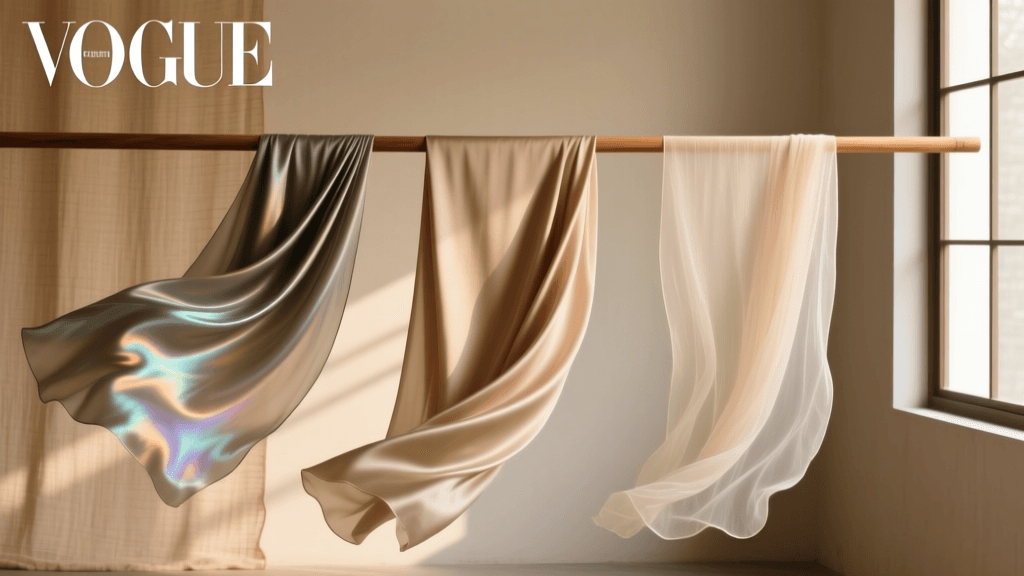
The choice of fabric dictates the comfort, drape, and thermoregulation of your practice garments. While historical practitioners relied heavily on raw silk, hemp, and cotton, the textile innovations of 2026 offer superior moisture-wicking and durability without sacrificing the traditional aesthetic.
| Fabric Type | Breathability | Drape & Flow | Moisture Wicking | Best For |
|---|---|---|---|---|
| Raw Mulberry Silk | High | Excellent | Low | Indoor Qigong, Meditation |
| Ramie-Linen Blend | Very High | Stiff to Moderate | Moderate | Summer Tai Chi, Outdoor Forms |
| Bamboo Viscose-Cupro | High | Fluid & Heavy | High | Daily Practice, Sweaty Sessions |
| Tencel-Silk Smart Blend | Very High | Superior Drape | Very High | 2026 Xin Zhongshi Activewear |
Raw Mulberry Silk: The traditional gold standard. Silk is naturally temperature-regulating and possesses a luxurious drape that highlights the circular movements of Tai Chi. However, it requires delicate care and is best suited for indoor or cooler-weather practice.
Ramie-Linen Blends: Highly favored for outdoor summer practice. Ramie, an ancient Chinese fiber, offers a crisp texture and exceptional breathability. Modern blending techniques have softened the traditional 'scratchiness' of ramie, making it comfortable against the skin while maintaining a structured silhouette.
Tencel-Silk Smart Blends: The breakthrough fabric of 2026. By combining the botanical origin and moisture-management properties of Tencel lyocell with the smooth friction and elegance of silk, this blend offers the perfect weight for Qigong. It moves like water, wicks away sweat during intense forms, and is machine washable on gentle cycles.
Sizing and Fit: Allowing the Qi to Flow
When purchasing a Hanfu set for Tai Chi or Qigong, standard fashion sizing often falls short. You must prioritize structural ease. Here are the critical measurements and fit considerations for 2026 wellness garments:
- The Cross-Collar Depth: Ensure the cross-collar (jiaoling) sits flat against the collarbone without gaping. A properly fitted collar allows for deep diaphragmatic breathing without constriction at the throat.
- Shoulder Seams and Armholes: Traditional Hanfu often features a dropped shoulder seam. For active wear, look for a slightly raised armhole with a diamond-shaped underarm gusset. This specific tailoring trick allows you to raise your arms above your head without the entire torso of the shirt lifting up.
- Trouser Rise and Waistband: Qigong requires deep abdominal breathing (Dantian breathing). Avoid tight, elasticized waistbands that dig into the lower abdomen. Instead, opt for trousers with a high, flat waistband that secures with an internal drawstring or a traditional fabric sash, resting gently on the hips rather than compressing the stomach.
- Sleeve Length: For Duan Da sets, the sleeve should end precisely at the wrist bone. This ensures that when you extend your arm in a 'push' or 'strike' posture, the fabric does not cover the hands, maintaining a clean line of energy extension.
Footwear for Grounding: The Modern Bu Xie
No Tai Chi or Qigong outfit is complete without proper footwear. The traditional Bu Xie (cloth shoe) features a flat, thin sole designed to maximize the practitioner's connection to the earth. In 2026, traditional cloth shoes have been upgraded with modern ergonomic insights. The best wellness shoes now feature a zero-drop sole (meaning the heel and toe are at the exact same height) to promote proper spinal alignment, combined with a wide toe box that allows the toes to grip the ground and splay naturally. Look for uppers made from breathable cotton or hemp, secured with traditional knotted toggles, but backed by a modern, shock-absorbing natural rubber outsole for outdoor practice on concrete or stone.
Care and Maintenance of Practice Garments
To maintain the integrity of your Hanfu and ensure it remains a sanctuary for your practice, proper care is essential. The 2026 smart-blends mentioned above are generally more forgiving than historical textiles, but they still require mindful maintenance.
- Washing: Always wash silk and Tencel blends in cold water using a pH-neutral, enzyme-free detergent. Avoid harsh agitators; hand washing or using a machine's delicate cycle inside a mesh laundry bag is highly recommended.
- Drying: Never wring out Hanfu garments, as this breaks the fibers and ruins the drape. Gently press out excess water and lay the garments flat to dry in the shade. Direct sunlight can degrade natural fibers and cause vibrant, traditional dyes to fade.
- Storage: Store your practice garments folded neatly or hung on wide, padded hangers. Avoid wire hangers, which can distort the shoulder seams. If storing for the off-season, use breathable cotton garment bags and include natural cedar blocks to repel moisture and insects without the use of harsh chemical mothballs.
Embodying Culture Through Movement
The integration of Hanfu into Tai Chi and Qigong is a profound way to honor the cultural origins of these practices. As recognized by UNESCO, Taijiquan is an Intangible Cultural Heritage of Humanity, deeply rooted in traditional Chinese philosophy, medicine, and aesthetics. By carefully selecting garments that respect this heritage while utilizing the best textile advancements of 2026, practitioners can elevate their physical routine into a holistic cultural experience. Whether you are flowing through a morning Qigong routine in a serene park or practicing martial forms in a studio, the right Hanfu acts as a second skin—breathing with you, moving with you, and connecting you to centuries of mindful tradition.