Hanfu Fabric Drape and Comfort Analysis: Top Textiles 2026
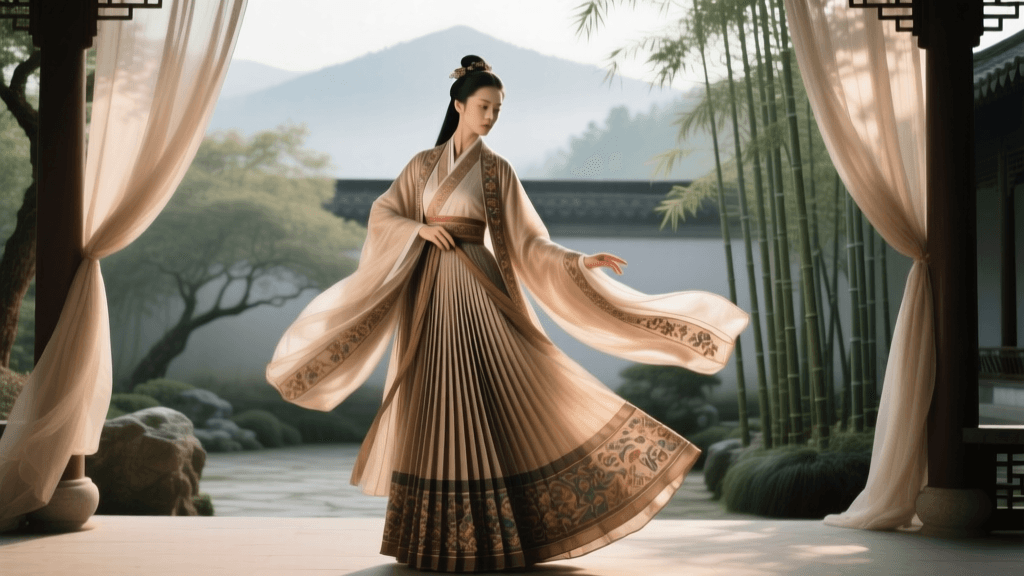
The Evolution of Hanfu Textiles in the 2026 Xin Zhongshi Era
The global resurgence of traditional Chinese clothing has evolved significantly over the past decade. As we navigate 2026, the Xin Zhongshi (New Chinese Style) movement has transcended mere aesthetic revival, becoming a sophisticated intersection of ancient weaving heritage and modern textile engineering. For contemporary Hanfu enthusiasts, the visual appeal of a garment is no longer enough; the tactile experience, structural drape, and all-day comfort are now the primary metrics of quality. Whether you are commissioning a bespoke Ming Dynasty-style Mamianqun or purchasing a daily-wear Song Dynasty Beizi, understanding the physics and chemistry of Hanfu fabrics is essential.
In this comprehensive 2026 analysis, we deconstruct the texture, drape coefficients, and comfort profiles of the most prominent textiles used in modern Hanfu production. By bridging historical context with current material science, we aim to help you make informed decisions for your traditional wardrobe.
The Physics of Ethereal Elegance: Understanding Fabric Drape
The defining characteristic of Hanfu is its emphasis on fluid, unstructured silhouettes that move dynamically with the wearer. This concept, often referred to as 'Xianqi' or ethereal energy, relies entirely on the fabric's drape. Drape is the ability of a textile to deform under its own weight into graceful, three-dimensional folds. In 2026, leading Hanfu ateliers utilize advanced 3D body scanning and digital cloth simulation to predict how specific warp-and-weft combinations will behave in real-world environments.
The Cusick Drape Test and Hanfu Silhouettes
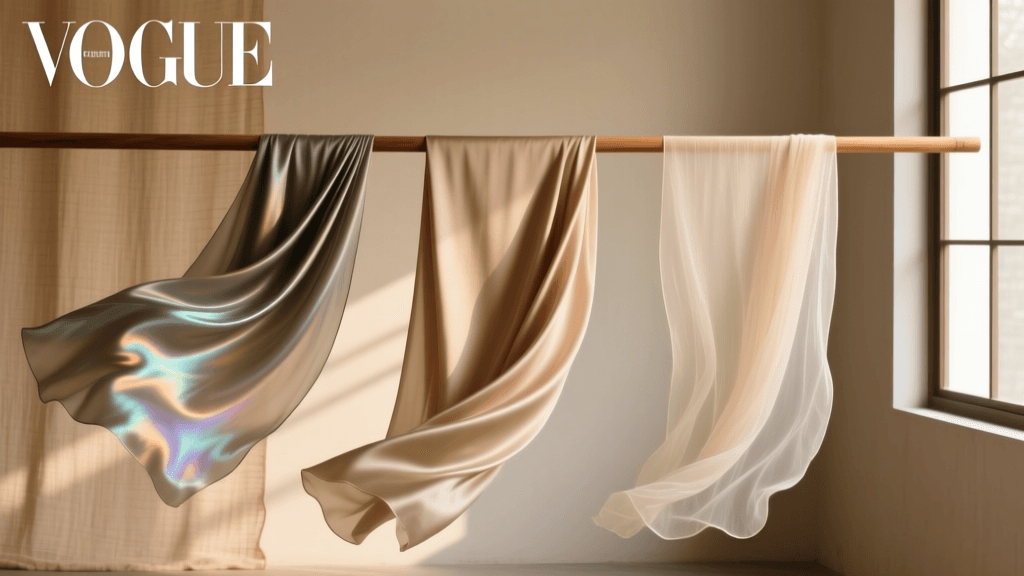
Textile engineers measure fabric fall using the Cusick Drape Test, which calculates a 'drape coefficient' ranging from 0% (stiff, paper-like behavior) to 100% (fluid, liquid-like behavior). According to research archives on ScienceDirect, the drape coefficient is heavily influenced by a fabric's bending length and shear stiffness. For a flowing Wei-Jin style Ruqun, designers seek a high drape coefficient (above 65%) achieved through low-twist yarns and satin weaves. Conversely, structured outer garments like the Tang Dynasty Banbi require a lower drape coefficient to maintain architectural rigidity.
2026 Hanfu Fabric Comparison Matrix
To provide a clear, actionable overview, we have compiled a comparative matrix of the top five textiles dominating the 2026 Hanfu market. This table evaluates each fabric based on weight, drape behavior, breathability, and its optimal traditional application.
| Fabric Type | Weight / Momme | Drape Behavior | Breathability & Comfort | Best Hanfu Application |
|---|---|---|---|---|
| Mulberry Silk (Satin Weave) | 19-22 Momme | Highly fluid, glossy, heavy fall | Excellent thermoregulation, soft on skin | Formal Mamianqun, ceremonial Aoqun |
| Xiangyunsha (Gambiered Silk) | 16-20 Momme | Crisp but yielding, acoustic rustle | Supreme moisture-wicking, cooling effect | Summer Beizi, scholar robes, daily skirts |
| Cupro (Bemberg Blend) | 120-150 GSM | Liquid drape, matte finish, heavy swing | Highly breathable, anti-static, hypoallergenic | Modern Xin Zhongshi daily Ruqun, linings |
| Bio-Engineered Spider Silk | 12-15 Momme | Lightweight, airy, voluminous float | Exceptional strength-to-weight, highly breathable | Dashan (cape), Pibo (stoles), sheer overlays |
| Woven Ramie Linen | 180-220 GSM | Stiff, structured, angular folds | Maximum airflow, rustic texture, durable | Historical recreation Zhuzi, peasant styles |
Xiangyunsha: The Heritage Textile Meets 2026 Sustainability
Xiangyunsha, or Gambiered Guangdong Silk, remains one of the most coveted and expensive textiles in the Hanfu community. Historically reserved for the elite, this fabric undergoes a grueling, multi-week dyeing process using the juice of the Dioscorea cirrhosa (gambier) tuber and the iron-rich mud of the Pearl River Delta. The result is a dual-toned fabric: a rich, glossy black on one side and a warm, earthy brown on the other.
The texture of Xiangyunsha is entirely unique. It possesses a slight stiffness that softens beautifully with wear, developing a patina akin to fine leather. When the wearer moves, the fabric produces a distinct, crisp rustling sound—a sensory hallmark of authentic Xiangyunsha. In 2026, ecological preservation initiatives have modernized the mud-harvesting process, ensuring that the riverbed ecosystems are not depleted. According to the Victoria and Albert Museum, the historical significance of Chinese silk dyeing techniques is profound, and modern sustainable practices are ensuring these intangible cultural heritages survive for future generations. For the modern wearer, Xiangyunsha offers unparalleled comfort in high-humidity climates, as the gambier tannins naturally repel moisture and inhibit bacterial growth.
Cupro and Bio-Engineered Silks: The Modern Ruqun
While traditional mulberry silk is luxurious, its high cost and delicate care requirements make it impractical for daily commuting. Enter Cupro and Bio-Engineered Silks, the two breakthrough materials defining the 2026 Xin Zhongshi daily-wear market.
The Cupro Revolution
Cupro is a regenerated cellulose fabric derived from cotton linter. In 2026, advanced closed-loop manufacturing has made Cupro one of the most sustainable textiles available. For Hanfu, Cupro is a revelation. It mimics the liquid drape and heavy swing of high-momme silk but offers a matte, understated finish that aligns perfectly with the minimalist aesthetics of Song Dynasty-inspired fashion. Furthermore, Cupro is highly hygroscopic, meaning it absorbs and releases moisture rapidly, making it an ideal choice for layered summer Ruqun worn in urban environments. Its anti-static properties also prevent the skirts from clinging awkwardly to the legs during dry winter months.
Bio-Silk for Ethereal Layering
For garments requiring extreme lightness, such as the Dashan (cape) or Pibo (shoulder stoles), 2026 has seen the integration of lab-grown, bio-engineered spider silk proteins blended with traditional mulberry fibers. This bio-silk possesses a tensile strength far exceeding standard silk, allowing weavers to create ultra-fine, sheer gauzes (Luo and Sha weaves) that are highly resistant to snagging. The drape is incredibly airy, allowing the fabric to catch the wind and float around the wearer, achieving the coveted 'Xianqi' aesthetic without the fragility of historical gauzes.
Solving the Mamianqun Pleat Retention Challenge
The Mamianqun, or horse-face skirt, is a staple of Ming Dynasty fashion and a cornerstone of the modern Hanfu wardrobe. Its defining feature is the intricate knife and box pleats that flank the flat front and back panels. A persistent challenge in traditional Hanfu tailoring has been pleat retention—ensuring the folds remain sharp after sitting, walking, and washing.
In 2026, textile mills have developed specialized heat-set memory yarns specifically for the Mamianqun market. By blending traditional silk or viscose with a micro-percentage of shape-memory polymers, modern Mamianqun skirts can endure machine washing on gentle cycles and emerge with pleats perfectly intact. When selecting a Mamianqun, consumers should look for a fabric weight of at least 150 GSM. Lighter fabrics, regardless of their memory-treatment, lack the necessary gravitational pull to keep the pleats hanging straight and will result in a frayed, triangular silhouette rather than the desired cylindrical column.
Seasonal Comfort: A Practical Guide for 2026
Adapting traditional clothing to modern, climate-controlled environments and diverse global weather patterns requires strategic fabric selection. Here is a practical guide to dressing comfortably in Hanfu throughout the year.
- Spring (Transitional): Opt for medium-weight Jacquard weaves and silk-cotton blends. These fabrics offer enough structure for outerwear like the Bijia (vest) while providing moderate insulation against unpredictable spring breezes.
- Summer (High Heat & Humidity): Prioritize open-weave Luo (gauze) and Xiangyunsha. The leno weave structure of Luo creates microscopic air pockets that facilitate continuous airflow, while the gambier-dyed silk actively cools the skin.
- Autumn (Crisp & Dry): Cupro blends and heavier crepe silks excel here. Their anti-static nature prevents the garments from clinging in dry air, and their substantial drape provides a comforting weight as temperatures drop.
- Winter (Cold & Layered): Utilize traditional Song Brocade (Zhuanghua) or modern wool-silk blends for outer jackets (Ao). In 2026, many winter Hanfu coats feature hidden linings of ultra-thin, aerogel-insulated Cupro, providing the thermal retention of a modern puffer jacket without disrupting the historical silhouette.
Conclusion: The Future of Traditional Wearability
The Hanfu movement of 2026 is a testament to the fact that honoring antiquity does not require sacrificing modern comfort. By understanding the intricate relationship between fiber content, weave structure, and drape coefficients, enthusiasts can curate a wardrobe that is both historically resonant and practically superior. Whether you are drawn to the crisp, acoustic rustle of sustainable Xiangyunsha or the liquid, matte elegance of modern Cupro, the contemporary textile landscape offers an unprecedented variety of options. As material science continues to evolve, the boundary between ancient artistry and future-facing comfort will only continue to blur, ensuring that these magnificent garments remain a vibrant, living part of daily life.
For further reading on the historical foundations of these textiles, the Metropolitan Museum of Art provides an extensive and invaluable timeline of silk production and trade along the Silk Road, offering profound context to the fabrics we cherish today.