Top Chinese Hanfu Fashion Blogs & Creators To Follow In 2026
The Rise of Heritage Fashion Journalism in 2026
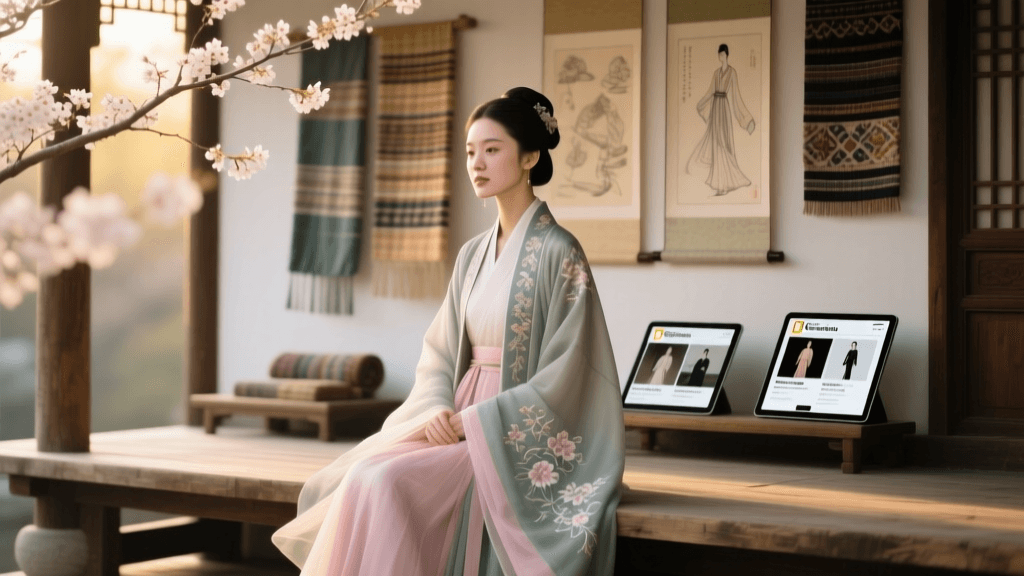
The intersection of ancient Chinese sartorial traditions and modern digital journalism has never been more vibrant than in 2026. What began over a decade ago as a niche subculture of historical reenactors has blossomed into a multi-billion-dollar global industry. Today, Chinese fashion journalism blogs and content creators are not merely showcasing outfits; they are acting as vital cultural archivists, textile critics, and market analysts. For enthusiasts of Asian traditions, following these digital pioneers offers an unparalleled education in heritage craftsmanship, from the meticulous weaving of Song brocade to the natural, mud-based dyeing processes of Xiangyunsha silk.
As we navigate the 2026 digital landscape, the standard for traditional fashion content has elevated dramatically. Audiences now demand rigorous historical accuracy, supply chain transparency, and deep-dive material analysis. The creators leading this charge are bridging the gap between the broader Hanfu movement and high-end fashion journalism, ensuring that centuries-old techniques are preserved, respected, and seamlessly integrated into the modern global wardrobe.
The Evolution of Chinese Traditional Fashion Content
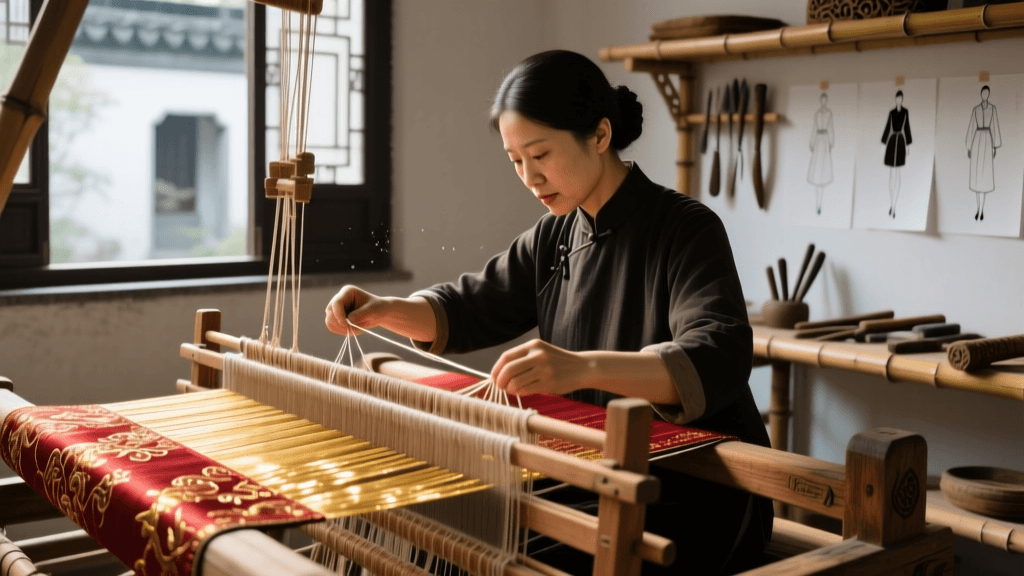
In the early days of the Hanfu revival, content creation was largely limited to photoblogs and aesthetic lookbooks. However, the 2026 era of Chinese fashion journalism is defined by investigative depth and educational rigor. Top bloggers now routinely visit weaving villages in Suzhou and Foshan to document the creation of intangible cultural heritage textiles. They collaborate with historians to decode the sartorial rules of the Ming and Tang dynasties, and they hold mass-market brands accountable for historical inaccuracies and poor material quality.
This shift toward 'slow fashion journalism' aligns perfectly with global sustainability trends. By highlighting the ecological benefits of traditional dyeing methods and the longevity of hand-loomed silk, these creators are positioning heritage garments as the ultimate antidote to fast fashion. The meticulous documentation of sericulture and silk craftsmanship, recognized globally by UNESCO's Intangible Cultural Heritage list, has become a central pillar for bloggers who want to educate their audiences on the true value of traditional Asian textiles.
Top Categories of Hanfu & Textile Creators to Follow
If you are looking to curate your 2026 feed with the most insightful traditional fashion journalism, you should look beyond standard influencers and seek out the following three categories of content creators.
1. The Textile Archivists and Material Critics
These creators focus less on styling and more on the microscopic details of the fabric. In 2026, the most respected voices in this niche use macro-photography and video microscopy to analyze thread counts, gold-leaf wrapping techniques, and the structural integrity of traditional weaves. They are the definitive guides for understanding the difference between genuine Xiangyunsha (which requires weeks of sun-baking and river-mud dyeing) and chemically printed imitations. Their reviews often dictate the reputation of heritage mills and artisan workshops across China.
2. The Historical Stylists and Reenactment Bloggers
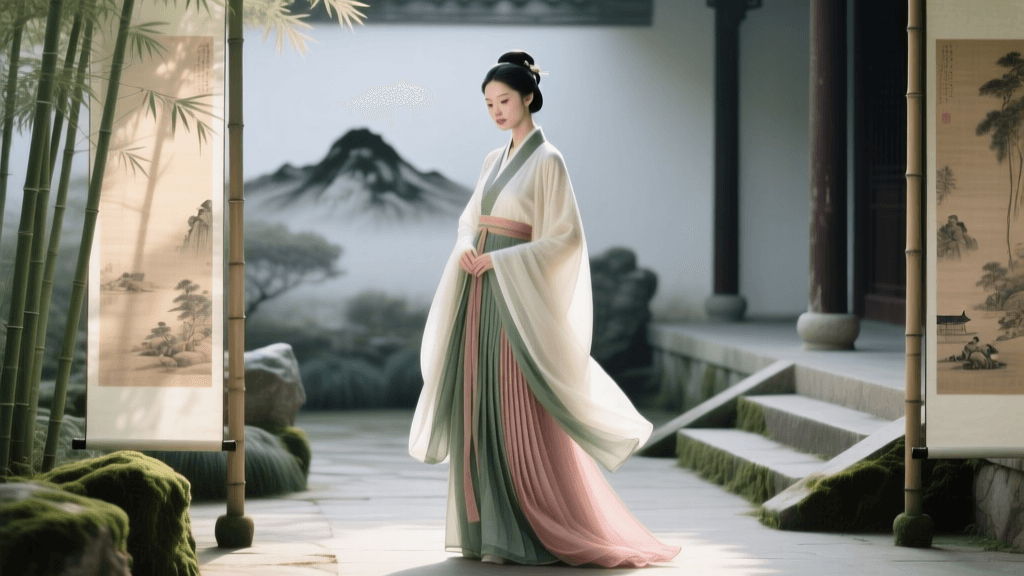
Operating primarily on platforms like Xiaohongshu (Little Red Book) and Bilibili, these creators treat historical accuracy as a journalistic pursuit. They dissect museum artifacts and ancient paintings to recreate authentic silhouettes. A major focus in 2026 has been the evolution and proper styling of the iconic Mamianqun (horse-face skirt). These bloggers provide exhaustive guides on how to pair specific skirt pleats and waistband heights with the correct upper garments (such as the Ao or Beizi) according to strict dynastic timelines, effectively serving as open-access educators for millions of followers.
3. Global Substack Writers and Independent Translators
A new wave of bilingual fashion journalists is emerging on newsletter platforms like Substack, translating dense Chinese textile reports and market analyses for a Western audience. These writers cover the business side of the Hanfu boom, analyzing the 2026 supply chain bottlenecks for premium mulberry silk, the rise of AI-assisted pattern drafting in traditional workshops, and the cultural diplomacy of wearing Hanfu on international runways. They are essential reading for industry professionals and serious collectors.
Platform Comparison: Where to Find the Best Traditional Fashion Content
Different platforms serve different journalistic needs within the Asian traditions niche. Below is a breakdown of where to find specific types of Hanfu and textile content in 2026.
| Platform | Primary Content Format | Target Audience | Best For |
|---|---|---|---|
| Xiaohongshu (Little Red Book) | Visual carousels, short styling videos, brand reviews | Gen Z & Millennials, daily wear enthusiasts | OOTD inspiration, brand authenticity checks, purchasing guides |
| Bilibili | Long-form documentaries, artisan interviews, deep-dive essays | History buffs, textile nerds, crafting community | Learning weaving techniques, historical dynastic breakdowns |
| Substack / Independent Blogs | Long-form written journalism, market analysis, interviews | Global fashion industry, academics, serious collectors | Supply chain insights, cultural commentary, translation of Chinese reports |
| WeChat Official Accounts | Editorial articles, museum exhibition reviews, academic papers | Domestic Chinese market, heritage preservationists | Official museum collaborations, high-end bespoke brand launches |
How Creators Influence the 2026 Hanfu Market
The financial and cultural impact of these fashion journalists cannot be overstated. In 2026, the Hanfu market operates heavily on a 'yushou' (pre-order) model due to the labor-intensive nature of traditional weaving. A single, well-researched video review by a top Bilibili creator detailing the craftsmanship of a new Song Brocade jacket can sell out a brand's six-month production capacity within hours.
Furthermore, these creators act as consumer protection advocates. The market has seen an influx of synthetic blends masquerading as pure silk. Top bloggers now routinely perform burn tests, chemical analyses, and weave-mapping on camera to expose fraudulent brands. This journalistic rigor has forced the industry to adopt stricter labeling standards, ensuring that buyers paying the 2026 premium prices (which range from $250 to over $800 USD for authentic, artisan-woven silk skirts) receive genuine heritage products.
Actionable Advice for Aspiring Traditional Fashion Bloggers
If you are inspired to launch your own blog or channel dedicated to Asian traditional garments, the 2026 landscape requires a strategic and respectful approach. Here are actionable steps to build authority in this niche:
- Master the Terminology: Do not rely on generic terms like 'kimono-style' or 'oriental dress.' Learn and use precise terminology such as Jiaoling Youren (cross-collar, right lapel), Ruqun, and Yuanlingpao. Your audience will judge your credibility based on your linguistic accuracy.
- Invest in Macro Photography: Textile journalism is visual. Purchase a high-quality macro lens or a smartphone with advanced macro capabilities. Your audience needs to see the slub of the raw silk, the metallic sheen of the gold thread, and the precise alignment of the pleats.
- Interview Artisans, Not Just Brands: The most compelling content in 2026 comes from the source. Reach out to local weaving cooperatives, natural dye masters, and pattern drafters. Sharing their stories and struggles adds profound human value to your fashion journalism.
- Cite Your Historical Sources: Treat your blog like a digital museum. When reviewing a garment, link to the specific museum artifact, tomb mural, or historical text that inspired the design. This elevates your content from a simple review to an educational resource.
- Embrace Transparency: If a brand sponsors your review, disclose it immediately. If a historically accurate garment is uncomfortable for modern daily wear, say so. Honest critiques about the practicality of traditional dress in modern urban environments build deep trust with your readership.
Conclusion
The realm of Chinese fashion journalism and Hanfu content creation in 2026 is a masterclass in how digital media can preserve and propel ancient traditions into the future. By following the textile archivists, historical stylists, and independent journalists leading this space, we gain a profound appreciation for the artistry, history, and cultural weight woven into every thread of Asian traditional garments. Whether you are a seasoned collector or a curious newcomer, these creators provide the essential roadmap for navigating the beautiful, complex world of heritage fashion.