Traditional Tai Chi & Martial Arts Practice Wear Guide
The Intersection of Movement and Mindfulness in Martial Arts Attire
When practitioners step onto the mat or into the park for their morning Tai Chi (Taijiquan) routine, the clothing they wear is far from an afterthought. In traditional Chinese martial arts, the garment is considered an extension of the body, facilitating the uninterrupted flow of Qi (vital energy) and allowing for a full range of kinetic motion. According to Britannica's comprehensive guide to Tai Chi, the practice involves a series of slow, gentle, and graceful movements that require deep concentration and physical relaxation. Restrictive clothing can hinder this relaxation, making the selection of appropriate practice wear a fundamental aspect of the art itself. Whether you are a beginner attending your first community class or an advanced practitioner preparing for a Wushu Duanwei grading, understanding the nuances of traditional martial arts attire is essential.
The Philosophy of Dress in Motion
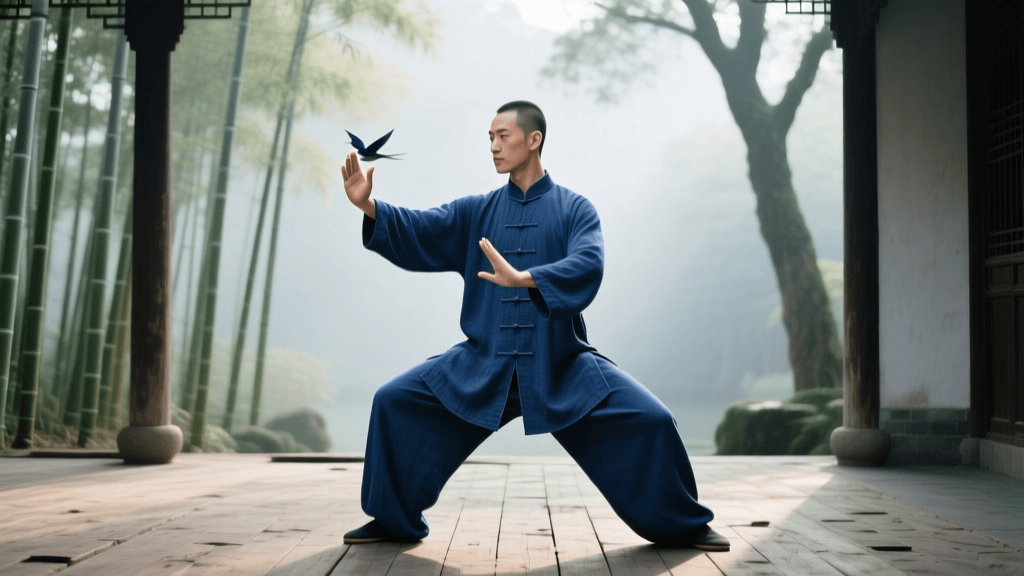
The core philosophy of Tai Chi and internal martial arts (Neijia) revolves around softness overcoming hardness, and circular movements redirecting linear force. To achieve this, the practitioner must maintain a state of "Sung" (active relaxation). Traditional practice wear is specifically tailored to support Sung. Unlike modern Western athletic wear, which often relies on compressive synthetic materials to support muscles and wick sweat, traditional Chinese martial arts clothing is intentionally loose. This looseness ensures that no external pressure is applied to the meridians or blood vessels, allowing the body to breathe and the joints to rotate freely. Harvard Health Publishing notes that Tai Chi improves balance, flexibility, and cardiovascular health, benefits that are maximized when the practitioner is physically unencumbered by tight seams or restrictive waistbands.
Historical Evolution of Chinese Martial Arts Clothing
Historically, martial artists in China did not have specialized "gym clothes." They trained in their daily attire, which during the Qing Dynasty consisted of loose-fitting cotton trousers and simple tunics with Mandarin collars. As martial arts transitioned from battlefield necessity to health and cultural preservation in the 20th century, dedicated uniforms began to emerge. The modern Tai Chi suit, often referred to as a "Tang Suit" or "Wushu uniform," retains the aesthetic hallmarks of late imperial Chinese clothing but is engineered specifically for deep stances (like the Ma Bu or horse stance) and high kicks. Today, the International Wushu Federation (IWUF) standardizes competition uniforms, blending traditional silk aesthetics with modern performance requirements, though daily community practice wear remains rooted in breathable, natural fibers.
Choosing the Right Fabric for Your Practice
The fabric of your Tai Chi uniform dictates your comfort, temperature regulation, and the visual flow of your movements. Here is a detailed breakdown of the most common materials used in traditional practice wear:
1. Pure Cotton (180-220 GSM)
Cotton is the gold standard for daily practice. A mid-weight cotton (around 180 to 220 grams per square meter) provides enough structure to look formal while remaining highly breathable. It absorbs sweat effectively, making it ideal for outdoor park practice in spring and autumn. Cost: $30 to $60 for a full set.
2. Raw Silk and Silk Blends
Silk is traditionally reserved for demonstrations, competitions, and advanced practitioners. The visual appeal of silk catching the light during a sword or fan form is unparalleled. However, pure silk requires meticulous care and can cling to the skin when sweating. Modern silk-cotton blends offer the luster of silk with the durability of cotton. Cost: $80 to $200+.
3. Linen and Hemp
For summer practice, linen and hemp blends are exceptional. They offer superior airflow and a distinct, rustic texture that appeals to practitioners focusing on Daoist meditation and internal alchemy. Linen wrinkles easily, which some traditionalists view as a sign of natural authenticity. Cost: $50 to $90.
4. Modern Performance Blends
While purists prefer natural fibers, modern Wushu athletes often use lightweight polyester-spandex blends for acrobatic routines. These materials offer four-way stretch and rapid moisture-wicking but lack the traditional drape and cultural resonance of natural fabrics. Cost: $40 to $70.
Comparison Chart: Traditional vs. Modern Fabrics
| Fabric Type | Best Season | Pros | Cons | Avg Cost (USD) |
|---|---|---|---|---|
| Pure Cotton | Spring/Autumn | Breathable, durable, structured | Wrinkles, slow to dry | $30 - $60 |
| Raw Silk | Indoor/Year-round | Beautiful drape, traditional aesthetic | High maintenance, clings to sweat | $80 - $200+ |
| Linen/Hemp | Summer | Superior airflow, lightweight | Wrinkles heavily, less formal | $50 - $90 |
| Polyester Blend | Year-round | Stretchy, moisture-wicking | Lacks traditional drape, traps odor | $40 - $70 |
Anatomy of the Perfect Tai Chi Uniform
A traditional Tai Chi uniform (Taijiquan Fu) consists of several distinct design elements that serve both aesthetic and functional purposes:
- Mandarin Collar: The stiff, unfolded collar keeps the neck upright and aligned with the spine, promoting proper posture and reminding the practitioner to keep the "head suspended from above."
- Frog Buttons (Pan Kou): These hand-woven knot buttons are not merely decorative. They lie flat against the body, preventing the hard plastic or metal of modern buttons from digging into the skin during ground movements or rolling exercises.
- Gusseted Crotch: This is perhaps the most critical functional element. Traditional martial arts trousers feature a diamond-shaped gusset (typically 4 to 6 inches wide) sewn into the crotch seam. This allows for extreme lateral mobility, enabling deep horse stances and sweeping leg kicks without tearing the seam.
- Tapered Ankles: The pant legs are wide at the thigh to allow airflow but taper tightly at the ankle. This prevents the fabric from catching on the heel during stepping exercises and allows the instructor to clearly see the alignment of the ankle and knee joints.
Footwear: The Foundation of Your Stance
You cannot practice Tai Chi effectively in thick, cushioned running shoes. The art requires "rooting," a physical connection to the ground where the practitioner can feel the subtle shifts in weight and balance. Traditional Tai Chi shoes feature ultra-thin, flat rubber soles (usually 2mm to 3mm thick) with zero heel drop.
The most iconic and widely used shoe in the martial arts community is the Feiyue (specifically the classic Feiyue Tiger or the Dahu Feiyue martial arts shoe). Originating in Shanghai in the 1920s, these canvas shoes provide excellent grip on wooden floors and concrete while allowing the toes to splay naturally. They are incredibly affordable, typically costing between $15 and $25. For outdoor practitioners dealing with cold or damp grass, thin-soled leather Kung Fu slippers with reinforced toes are a popular alternative, costing around $35 to $50.
Sizing, Measurements, and Fit Guide
Unlike Western clothing, traditional Chinese martial arts uniforms are sized with generous allowances for movement. When ordering a custom or premium Tai Chi suit, you will need to provide specific measurements:
- Shoulder Width: Measure from the edge of one shoulder bone to the other. The uniform should extend 1 inch past this point to allow for arm crossing movements.
- Sleeve Length: With the arm relaxed at the side, the sleeve should end exactly at the wrist bone. If it extends over the hand, it will interfere with sword and fan grips.
- Pant Inseam: The inseam should be measured so that the hem rests 1 to 2 inches above the ankle bone. This ensures the tapered cuff sits perfectly without bunching around the foot.
- Waist Measurement: Traditional pants do not use elastic waistbands or belts. They are secured with a drawstring or a separate cloth sash. Measure your natural waist, and ensure the pants have at least 2 inches of overlap for tying.
Caring for Your Traditional Practice Wear
Proper maintenance of your martial arts attire is a practice of discipline in itself. Cotton and linen uniforms should be washed in cold water on a gentle cycle to prevent the shrinkage of the frog buttons and the fading of natural dyes. Never use bleach, as it weakens the natural fibers and destroys the structural integrity of the hand-stitched seams. Silk uniforms must be dry-cleaned or hand-washed with a specialized silk detergent. After washing, always air-dry your garments in the shade; direct sunlight can cause dark-colored fabrics (like traditional black or navy blue) to turn a dusty brown over time. Ironing should be done on a low heat setting, using a pressing cloth to protect the delicate knot buttons.
Conclusion
Selecting the right Tai Chi and martial arts practice wear is a deeply personal journey that bridges the gap between historical tradition and physical utility. By prioritizing natural fabrics, functional tailoring like the gusseted crotch, and minimalist footwear, practitioners honor the lineage of the art while optimizing their own health and movement. Whether you are flowing through the 24-form in a local park or preparing for a rigorous Wushu seminar, your clothing should remain a silent partner in your pursuit of martial harmony.