The Modern Qipao: Fusion Fashion & Everyday Styling Guide
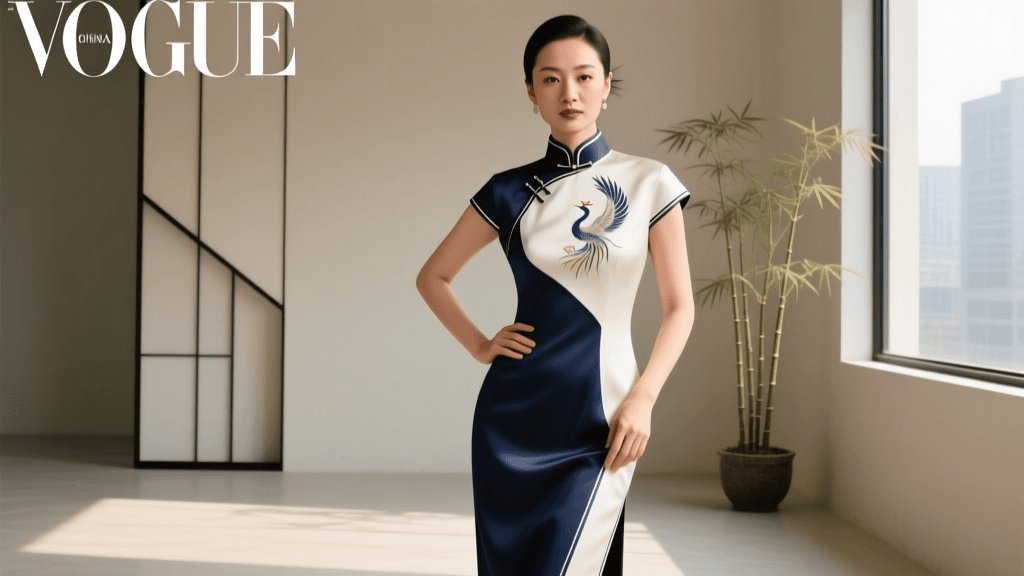
The traditional Chinese qipao (or cheongsam) has long been celebrated as a symbol of elegance, but its modern iteration is breaking free from rigid formalwear conventions. Today, the fusion qipao sits at the intersection of heritage craftsmanship and contemporary streetwear. Driven by the booming Xin Zhongshi (New Chinese Style) movement, young designers and everyday fashion enthusiasts are reimagining this iconic silhouette. Whether you are looking to tailor a custom piece or style a ready-to-wear garment, understanding how to adapt the qipao for modern, everyday life is essential for the contemporary wardrobe.
The Rise of "Xin Zhongshi" (New Chinese Style)
Translating literally to "New Chinese Style," Xin Zhongshi is a massive cultural and fashion movement that blends traditional Hanfu and Qing-dynasty elements with modern Western cuts. According to the Victoria and Albert Museum, the cheongsam originally evolved in 1920s Shanghai as a symbol of female emancipation, borrowing tailoring techniques from Western menswear. Today, the fusion qipao continues that rebellious spirit. It is no longer reserved for weddings, Lunar New Year celebrations, or restaurant hostess uniforms. Instead, it is being crafted from denim, technical nylons, and organic cottons, featuring asymmetrical hems, oversized fits, and modular components that appeal to Gen Z and millennial consumers globally.
Deconstructing the Fusion Qipao
To understand modern adaptations, we must first look at the anatomy of the garment. The Metropolitan Museum of Art has extensively documented the structural ingenuity of traditional Chinese dress, particularly the use of the pankou (frog buttons) and the Mandarin collar. In fusion fashion, these elements are deconstructed and remixed:
- The Collar: Traditional stiff, high-standing collars (up to 5cm) are often replaced with soft, low-standing bands (1.5cm to 2cm), open-notch lapels, or completely collarless V-necks that retain the diagonal dajin (front flap) closure.
- The Silhouette: While the 1930s qipao was famously skin-tight, modern fusion favors A-line shifts, drop-waist babydoll cuts, and two-piece co-ord sets (a cropped qipao top paired with a matching midi skirt).
- The Sleeves: Traditional set-in sleeves are swapped for dramatic bishop sleeves, puff sleeves, or completely sleeveless designs with dropped armholes for layering over turtlenecks or crisp white poplin shirts.
Fabric Selection: Traditional vs. Modern Fusion
The choice of fabric dictates the drape, care, and ultimate use-case of your fusion qipao. While heavy silk brocades remain popular for formalwear, everyday fusion relies on breathable, washable, and structured modern textiles.
| Fabric Type | Traditional Use | Modern Fusion Application | Care & Maintenance |
|---|---|---|---|
| Silk Brocade | Winter formalwear, weddings | Structured corsets, cropped jackets | Dry clean only; avoid direct sunlight |
| Crepe de Chine | 1930s everyday qipao | Slip dresses, flowing maxi skirts | Hand wash cold; iron on low silk setting |
| Cotton-Linen Blend | Rare in vintage qipao | A-line shifts, streetwear, summer wear | Machine wash gentle; tumble dry low |
| Neoprene / Scuba | Non-existent historically | Architectural silhouettes, tech-wear | Wipe clean or cold hand wash |
| Washed Denim | Non-existent historically | Casual workwear, utility qipao dresses | Machine wash cold; hang dry |
A Practical Guide to Tailoring Your Own Fusion Qipao
For those seeking a bespoke piece, tailoring a fusion qipao is an investment in both fit and cultural appreciation. Major tailoring hubs like Shanghai’s South Bund Fabric Market or Hong Kong’s Chungking Mansions offer custom services, alongside a new wave of online bespoke studios based in Hangzhou and Guangzhou.
Cost Expectations and Timing
A custom-made fusion qipao typically costs between $150 and $400 USD (approx. 1,000 to 2,800 RMB), depending on the fabric grade and the complexity of the pankou (knot buttons). Hand-tied, intricate floral frog buttons can add $50 to $100 to the final bill. Expect a turnaround time of 2 to 4 weeks for local tailors, or 4 to 6 weeks for international shipping from online bespoke ateliers. Always request a digital mock-up and a muslin/toile fitting if you are working with a high-end studio.
Crucial Measurements and "Ease"
The most common mistake when ordering a modern qipao is applying vintage measurement standards to contemporary lifestyles. A 1930s socialite might have worn a qipao with zero or negative ease (skin-tight), but for modern office work, commuting, and dining, you must instruct your tailor to add functional ease:
- Bust Ease: Add 4cm to 6cm over your actual bust measurement to prevent pulling across the diagonal flap when reaching forward.
- Waist Ease: Add 2cm to 4cm. If opting for an A-line fusion cut, the waist measurement is less critical, but the hip measurement must include 4cm of ease for sitting comfortably.
- Armhole Depth: Traditional qipao armholes are cut very high and tight to allow for arm movement without pulling the bodice. For a fusion piece meant to be layered over a t-shirt or turtleneck, instruct the tailor to drop the armhole by 1.5cm to 2cm and widen the sleeve circumference.
- Hollow-to-Hem: For a modern midi length that flatters most heights and works with both flats and boots, a hollow-to-hem measurement of 105cm to 110cm is generally ideal, hitting just below the calf.
Modernizing the Pankou (Frog Buttons)
Instead of traditional silk-wrapped wire knots, consider asking your tailor to use modern hardware. Leather toggle knots, carved jade beads, or even minimalist metallic snap-buttons hidden beneath a faux dajin flap can drastically reduce the time it takes to put on and take off the garment, making it far more practical for daily wear.
Styling the Modern Qipao for Everyday Life
The true test of fusion fashion is its versatility. Here are three actionable ways to integrate the qipao into a contemporary wardrobe, as frequently highlighted by street-style photographers and publications like the South China Morning Post:
- The Streetwear Edge: Pair a cropped, sleeveless denim or cotton-linen fusion qipao top with high-waisted, wide-leg cargo pants or baggy vintage denim. Finish the look with chunky sneakers and a crossbody utility bag. The contrast between the delicate Mandarin collar and utilitarian streetwear creates a striking visual balance.
- The Layered Office Look: In cooler months, use a midi-length, shift-cut qipao as a pinafore. Layer it over a fine-gauge merino wool turtleneck or a crisp, oversized white poplin button-down shirt. Pair with knee-high leather boots and a structured tote. The diagonal front flap adds visual interest to an otherwise standard corporate silhouette.
- Evening Grunge: Take a delicate, silk Crepe de Chine slip-dress qipao and toughen it up with an oversized, distressed leather moto jacket. Swap traditional heels for combat boots or sleek pointed-toe Chelsea boots. This juxtaposition of fragile heritage silk and heavy hardware is a hallmark of the modern Xin Zhongshi aesthetic.
Conclusion
The modern fusion qipao is not a costume; it is a living, breathing garment that adapts to the woman wearing it. By understanding the nuances of fabric selection, demanding practical tailoring ease, and styling the piece with contemporary wardrobe staples, you can honor the rich history of Chinese sartorial tradition while firmly planting it in the future of global fashion. Whether you are commissioning a bespoke piece in Shanghai or hunting for vintage-inspired fusion brands online, the key is to prioritize comfort, personal expression, and modern utility.