Iconic Pop Culture Kimono: A Sourcing and Styling Guide
The Intersection of Traditional Japanese Garments and Global Media
The kimono is arguably the most recognizable traditional garment in the world, transcending its origins in Japan to become a powerful visual motif in global pop culture, cinema, and high fashion. From the avant-garde music videos of the late 1990s to the stylized action sequences of Hollywood blockbusters, the silhouette of the kimono has been utilized to convey elegance, mystery, and striking visual drama. However, translating these cinematic and pop culture moments into real-life editorial photoshoots, cosplay, or fashion events requires more than just slipping on a silk robe. It demands an understanding of traditional garment construction, precise sizing, and respectful styling.
According to the Victoria and Albert Museum's "Kimono: Kyoto to Catwalk" exhibition, the global journey of the kimono has profoundly influenced Western fashion and media for centuries. Yet, when modern creators attempt to recreate iconic media looks, they often stumble upon the complexities of authentic kitsuke (the art of kimono dressing). This guide provides actionable, step-by-step advice for collectors, cosplayers, and stylists looking to source, measure, and style screen-accurate kimono looks inspired by global pop culture.
Iconic Pop Culture Kimono Moments
Madonna’s "Nothing Really Matters" (1999)
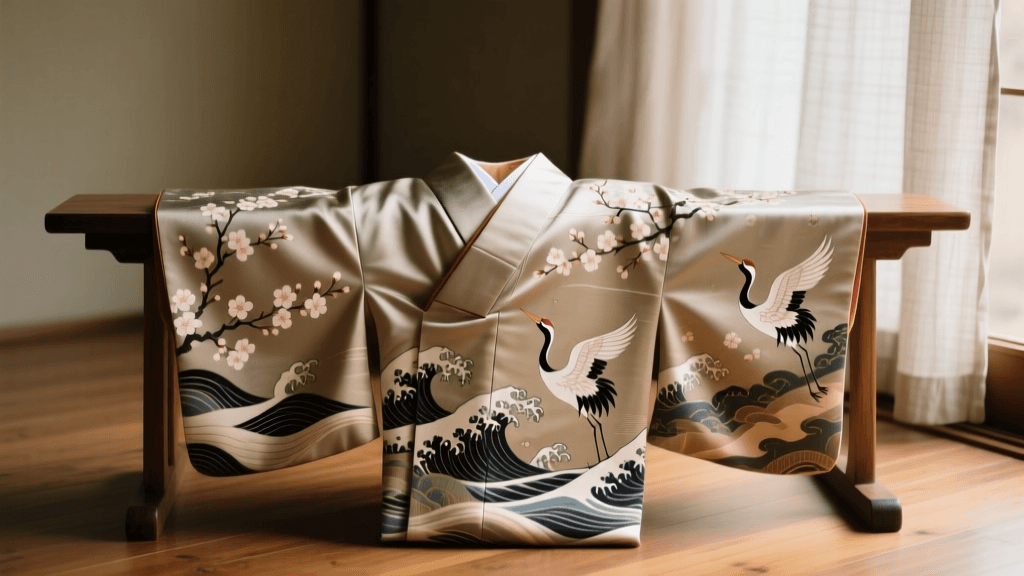
For her 1999 hit single, Madonna adopted a striking geisha-inspired aesthetic, featuring heavily embroidered uchikake (outer robes) and dramatic hikizuri (trailing kimono). The styling, while heavily editorialized, brought the vibrant colors and heavy brocade textures of traditional Japanese wedding and stage garments to a global MTV audience. To recreate this look today, stylists should look for vintage synthetic or silk uchikake featuring bold, auspicious motifs like cranes, pine, or plum blossoms, often heavily padded at the hem.
Björk’s "Homogenic" Era (1997)
Björk’s collaboration with Alexander McQueen and Japanese stylists resulted in a futuristic, avant-garde interpretation of the kimono. The looks often featured deconstructed collars, unconventional obi tying methods, and a fusion of traditional textiles with modern hardware. Recreating this requires sourcing vintage komon (everyday patterned kimono) and experimenting with non-traditional obi belts, such as leather or corset-style belts, while maintaining the foundational left-over-right collar rule to preserve the garment's structural integrity.
Hollywood Cinema: Memoirs of a Geisha (2005) and Kill Bill (2003)
In Memoirs of a Geisha, the costume department utilized authentic hikizuri and furisode (long-sleeved kimono for unmarried women) to denote the status and seasons of the characters. Conversely, Kill Bill famously utilized the sharp, structured silhouette of the kimono and hakama in its anime-inspired sequences, blending traditional menswear and martial arts uniforms with cinematic flair. Sourcing these requires an understanding of the specific garment types and their corresponding accessories.
Sourcing Screen-Accurate Garments: A Buyer’s Guide
Acquiring authentic, high-quality kimono for media reproduction requires navigating the vintage market. Modern, brand-new silk kimono can cost upwards of $5,000, making vintage sourcing the most practical route for stylists and cosplayers.
- Proxy Bidding Services: Platforms like Buyee or ZenMarket allow international buyers to bid on Yahoo! Auctions Japan. This is the best place to find high-end silk uchikake and furisode. Expect to pay between $150 and $450 for excellent condition vintage wedding robes.
- Specialized Online Dealers: Websites such as Immortal Geisha or Chicago Kimono offer curated, authenticated vintage pieces. While prices are higher (typically $200 to $800), the garments are professionally cleaned, photographed, and graded for condition.
- Timing and Shipping: When ordering from Japan via EMS (Express Mail Service), allow 3 to 4 weeks for delivery. Always factor in potential customs duties, which can add 10% to 20% to your total cost depending on your country's import laws for vintage textiles.
Measurement and Fit for Editorial and Cosplay Use
Unlike Western clothing, kimono are not sized by standard S/M/L metrics. They are measured using specific traditional dimensions. Understanding these is critical for achieving the dramatic, pooling sleeve effects seen in pop culture media. The Metropolitan Museum of Art's Asian Art Clothing Collection provides excellent visual references for how these garments are meant to drape on the human form.
| Garment Type | Pop Culture Use Case | Key Measurement Focus | Estimated Vintage Cost (USD) |
|---|---|---|---|
| Uchikake (Wedding Robe) | Madonna music videos, high-fashion editorial | Mitake (Back length) - must be longer than height to trail. | $150 - $500 |
| Furisode (Long Sleeves) | Coming-of-age scenes, anime cosplay, vibrant stage wear | Sode (Sleeve drop) - ranges from 75cm to 114cm for maximum drama. | $80 - $300 |
| Hikizuri (Trailing Kimono) | Geisha portrayals, traditional stage performances | Mitake - requires 20-30cm of extra length to fold at the hips. | $300 - $900 |
| Haori (Jacket) | Kill Bill inspired martial arts styling, casual layering | Yuki (Sleeve span) - should match the wearer's arm span closely. | $40 - $150 |
Crucial Measurement Formulas
To ensure a proper fit that mimics professional media styling, use these formulas when reading seller measurement charts:
- Ideal Mitake (Back Length): Calculate your height minus 20cm. For a trailing hikizuri or uchikake look, add 15cm to 30cm to this base number. The extra fabric is folded and tied at the hips using a koshihimo (tying cord).
- Ideal Yuki (Sleeve Span): Measure from the center of the back of your neck, over the shoulder, to your wrist bone. In pop culture styling, a slightly longer yuki (extending 5cm past the wrist) is often preferred to create the elegant, drooping sleeve silhouette seen in cinematic close-ups.
Essential Accessories to Complete the Screen-Accurate Look
A kimono without its proper accessories is simply a robe. To achieve a screen-accurate, respectful, and visually complete pop culture look, you must invest in the foundational undergarments and footwear.
- Nagajuban (Under-robe): Never wear a silk kimono directly against the skin. A nagajuban protects the vintage silk from sweat and oils. For budget cosplay, a modern polyester nagajuban (approx. $45) is highly recommended for its washability.
- Tabi and Zori (Footwear): Split-toe tabi socks are mandatory. Purchase stretch-polyester tabi (approx. $15) for comfort during long photoshoots. Pair them with polyurethane zori sandals ($30-$50), which are weather-resistant and ideal for outdoor location shoots.
- Kanzashi (Hair Ornaments): To replicate the elaborate hairstyles seen in Memoirs of a Geisha, source vintage tortoiseshell or modern acrylic kanzashi. Tsumami-zaiku (fabric flower) hairpins are essential for spring-themed editorial shoots.
- Obi and Obijime: The obi belt is the focal point. For dramatic pop culture looks, a maru obi (fully patterned, heavy brocade) is ideal, though it requires a professional dresser to tie properly. For DIY styling, a fukuro obi (patterned on one side) offers a balance of visual impact and manageable weight.
Respectful Styling: Avoiding Cultural Appropriation
When adapting traditional garments for pop culture, cosplay, or editorial media, the line between cultural appreciation and cultural appropriation must be carefully navigated. The Victoria and Albert Museum's historical overview of the kimono emphasizes the deep cultural and social significance embedded in the garment's motifs, colors, and wearing conventions.
To ensure your styling remains respectful and accurate, adhere to these non-negotiable rules:
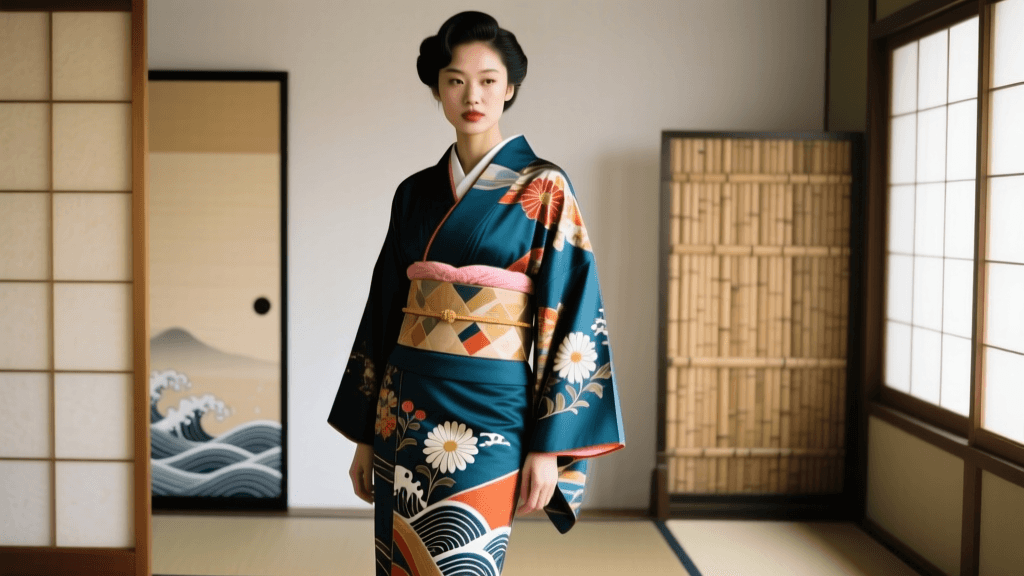
The Golden Rule of Kitsuke: Always wrap the left side of the kimono over the right side. Wrapping right-over-left is strictly reserved for dressing the deceased for funerals. Getting this wrong in a photoshoot or public event is considered highly offensive and a glaring error in media costuming.
- Contextualize the Motifs: Avoid wearing garments featuring the imperial chrysanthemum crest unless you fully understand its political and historical weight. Similarly, avoid mixing seasonal motifs (e.g., wearing cherry blossoms in autumn) if you are aiming for traditional accuracy in a period-piece recreation.
- Avoid "Costume" Stereotypes: When styling for modern editorial fashion inspired by Japanese aesthetics, avoid pairing the kimono with stereotypical "ninja" or "samurai" props unless specifically recreating a known cinematic property. Treat the garment with the same sartorial respect you would afford a vintage haute couture gown.
- Consult Experts: If you are organizing a large-scale media production or commercial photoshoot, hire a certified kitsuke (kimono dressing) consultant. Their expertise ensures that the collars are pulled to the correct angle (a fist's width at the nape of the neck) and the obi is tied in a culturally appropriate knot for the character's age and marital status.
Conclusion
The kimono's presence in global pop culture is a testament to its timeless architectural beauty and visual impact. Whether you are recreating Madonna's iconic 1999 music video, styling a high-fashion editorial inspired by avant-garde Japanese designers, or crafting a screen-accurate cosplay, success lies in the details. By understanding traditional measurements, sourcing authentic vintage textiles, and adhering to the respectful rules of kitsuke, you can bridge the gap between cinematic fantasy and authentic Asian tradition, creating media looks that are as culturally respectful as they are visually stunning.