Kimono Dress Codes: Rules for Formal Japanese Occasions
The Philosophy of TPO in Japanese Dress
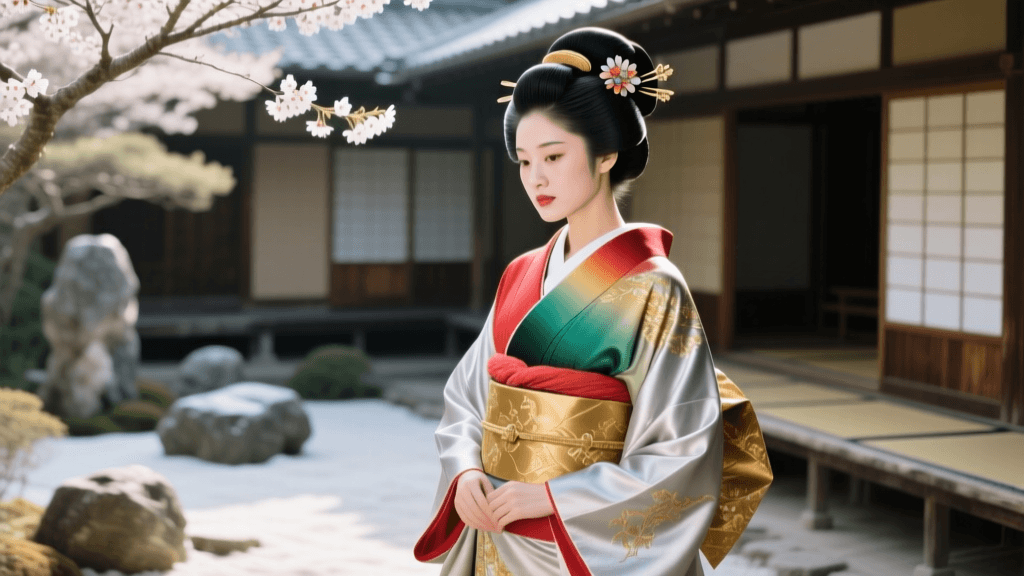
In Japan, the act of wearing a kimono is governed by a strict yet deeply poetic set of rules known as TPO: Time, Place, and Occasion. Unlike Western formalwear, where a tuxedo or evening gown might suffice for almost any black-tie event, Japanese traditional garments require a nuanced understanding of the wearer's age, marital status, the season, and the specific nature of the gathering. As highlighted by the Metropolitan Museum of Art, the kimono is not merely a garment but a complex canvas of cultural expression, where every motif, fabric choice, and layering technique communicates a specific social message.
Understanding these dress codes is essential for anyone looking to participate in traditional Japanese ceremonies, tea gatherings, or formal celebrations. Wearing the wrong level of formality can be seen as disrespectful to the host or the occasion itself. This guide will demystify the hierarchy of formal kimono and provide actionable etiquette rules for navigating Japan's most prestigious events.
The Hierarchy of Formal Kimono
The formality of a kimono is primarily determined by three factors: the base color, the presence and number of family crests (kamon), and the dyeing or weaving technique. Below is a breakdown of the most prominent formal garments.
Kurotomesode: The Pinnacle of Formality
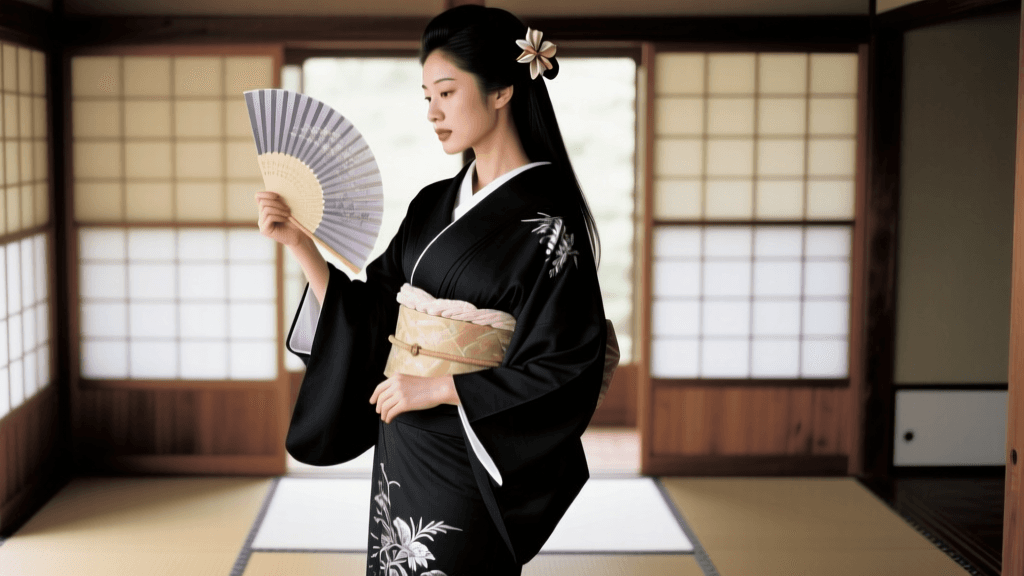
The kurotomesode (black formal kimono) is the most formal garment a married woman can wear. It features a solid black background with patterns restricted only to the lower half of the skirt (the suso). A true kurotomesode will bear five white family crests (itsutsu-mon) placed on the back, chest, and sleeves. It is strictly reserved for the most auspicious occasions, such as the weddings of close relatives, where it is typically worn by the mothers of the bride and groom. It is always paired with a luxurious gold or silver brocade fukuro obi and pristine white accessories.
Furisode: Unmarried Women's Formal Wear
For unmarried women, the furisode represents the highest level of formality. Recognizable by its dramatically long, swinging sleeves—which can measure anywhere from 85cm to over 110cm in length—the furisode is a vibrant, fully patterned silk garment. It is the standard attire for Seijin Shiki (Coming of Age Day) and is frequently worn by unmarried female relatives at weddings. The long sleeves historically served as a way for young women to signal their marital availability, and today they remain a symbol of youth and celebration.
Irotomesode and Homongi: Versatile Formal and Semi-Formal
The irotomesode is similar in cut to the kurotomesode but features a colored background rather than black. It may have one, three, or five crests and is appropriate for both married and unmarried women attending formal events like award ceremonies or distant relatives' weddings. The homongi (visiting wear) is slightly less formal but incredibly versatile. Its defining feature is the eba-moyo technique, where the pattern flows seamlessly across the seams of the garment when it is laid flat. Homongi can feature one to three crests and is suitable for formal parties, wedding receptions (as a guest), and high-level tea ceremonies.
Iromuji: The Elegance of Simplicity
The iromuji is a solid-colored kimono devoid of woven or dyed patterns, though it may feature subtle woven textures in the silk (such as rinzu damask). When adorned with a single family crest, it becomes the perfect attire for traditional tea ceremonies, as its understated elegance ensures it does not distract from the tea utensils or the host's meticulous preparations.
Kimono Formality Comparison Chart
To quickly reference the appropriate garment for your next event, consult the structured guide below:
| Kimono Type | Wearer Status | Formality Level | Crests (Kamon) | Best Occasions |
|---|---|---|---|---|
| Kurotomesode | Married Women | First Formal | 5 | Weddings (Mother of Bride/Groom) |
| Furisode | Unmarried Women | First Formal | 0 to 3 | Coming of Age Day, Weddings (Guest) |
| Irotomesode | Both | Second Formal | 1, 3, or 5 | Weddings, Formal Receptions |
| Homongi | Both | Semi-Formal | 1 to 3 | Parties, Tea Gatherings, Ceremonies |
| Iromuji | Both | Semi-Formal | 1 | Tea Ceremonies, Graduations |
| Tsumugi | Both | Casual (Street) | 0 | Shopping, Casual Dining (Never Formal) |
Golden Rules of Kimono Etiquette
Beyond selecting the correct garment, the physical act of wearing the kimono (kitsuke) is bound by strict etiquette rules. The landmark Victoria and Albert Museum exhibition demonstrated how the structural geometry of the kimono demands precise alignment to convey respect and propriety.
Left Over Right: The Ultimate Rule
The most critical rule in kimono etiquette is that the left side of the garment must always wrap over the right side (hidari-mae). Wrapping the right side over the left is strictly reserved for dressing the deceased for burial (shinishozoku). Making this mistake in daily or formal life is considered highly inauspicious and is the most glaring error a wearer can make. A helpful mnemonic for English speakers is 'L over R' (Left over Right for the Living).
The Art of the Collar (Eri)
The positioning of the collar dictates the overall elegance of the silhouette. For women, the back collar should be pulled down to expose the unaji (the nape of the neck). Traditionally, the gap should be wide enough to fit a clenched fist between the collar and the skin. This exposure is considered one of the most sensual and elegant aspects of Japanese femininity. Conversely, the front collar should be crossed tightly and neatly just above the collarbones, avoiding any gaping or excessive cleavage, which is deemed inappropriate in formal settings.
Footwear and Tabi Protocols
Formal kimono must always be paired with pristine white split-toe socks known as tabi. Colored or patterned tabi are reserved for casual wear or specific performance arts. For footwear, formal occasions require zori—flat, slip-on sandals with a brocade or vinyl strap. The height of the zori can indicate formality, with thicker soles often worn with furisode. Wooden geta are strictly casual and should never be worn with formal silk kimono.
Practical Guide: Kitsuke and Rental Costs
Dressing in a formal kimono is a complex process that usually requires the assistance of a professional dresser, especially for weddings or ceremonies. Here is what you need to know about the logistics and costs involved in modern Japan:
- Dressing Time: A professional kitsuke session for a formal kimono takes between 30 to 45 minutes. Hair styling adds another 30 minutes. Always book appointments well in advance of the event's start time.
- Rental Costs: Renting a high-quality formal kimono package (including the garment, obi, undergarments, zori, and accessories) typically ranges from 10,000 JPY to 30,000 JPY ($65 to $200 USD), depending on the prestige of the salon and the quality of the silk.
- Dressing Fees: Professional dressing services usually cost between 4,000 JPY and 8,000 JPY. Some premium rental salons include this in the package price.
- Obi Dimensions: For formal wear, you will be tied with a fukuro obi, which measures approximately 30cm in width and 4.2 meters in length. The tying of formal knots (such as the otaiko or the elaborate fukura-suzume for furisode) requires specialized padding and ties to maintain its shape throughout a multi-hour event.
"When attending a formal Japanese event, it is always better to be slightly overdressed in a higher-tier kimono than to risk insulting the host by wearing casual woven fabrics like tsumugi or yukata to a ceremonial gathering."
Conclusion
Mastering kimono dress codes is a journey into the heart of Japanese aesthetics and social harmony. By understanding the TPO principle, respecting the hierarchy of crests and fabrics, and adhering to the physical rules of kitsuke, you honor centuries of artisanal tradition. Whether you are attending a Shinto wedding in Kyoto or a formal tea gathering in Tokyo, wearing the correct kimono with proper etiquette transforms you from a mere observer into a respectful participant in Japan's living cultural heritage.