The Modern Hanfu Revival: A Practical Guide to Styling and Sourcing
The Genesis of the Hanfu Movement
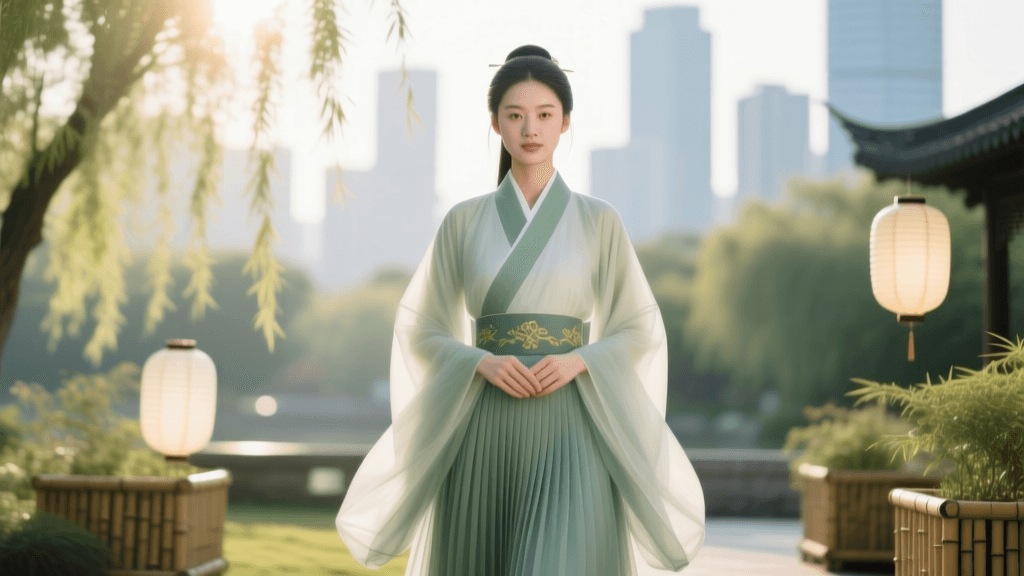
The Hanfu revival movement, known in Chinese as the 'Hanfu Yundong', is one of the most fascinating cultural phenomena of the 21st century. What began as a niche internet forum discussion in the early 2000s has blossomed into a multi-billion dollar global industry that bridges ancient Chinese sartorial traditions with modern street fashion. The catalyst is widely credited to Wang Letian, who in 2003 walked the streets of Zhengzhou wearing a self-made traditional Han Chinese garment, sparking a nationwide conversation about cultural identity and historical dress. According to BBC News, what started as a fringe hobby for history enthusiasts has now been embraced by millions of Chinese millennials and Gen Z consumers who view Hanfu not as a costume, but as a living, breathing expression of their heritage.
For international enthusiasts and newcomers, navigating the vast ocean of Hanfu styles, terminology, and sourcing channels can be overwhelming. This practical guide will break down the core dynastic styles, provide actionable sizing advice, and help you build your first authentic wardrobe.
Decoding the Dynasties: Which Style is Right for You?
Hanfu is not a single monolithic garment; it encompasses thousands of years of evolution. When participating in the revival movement, enthusiasts typically gravitate toward three major dynastic aesthetics, each with distinct silhouettes, climate suitability, and styling requirements.
Tang Dynasty (618–907 AD): Opulence and Volume
The Tang dynasty represents the golden age of cosmopolitan China, and its clothing reflects this vibrant, open culture. The most iconic garment for women is the 'Qixiong Ruqun' (chest-high skirt and top). This silhouette features a high-waisted skirt tied securely above the bust, paired with a short-sleeved or long-sleeved inner top, and often draped with a sheer 'Pibo' (stole) across the arms. The voluminous, flowing nature of the Tang silhouette is highly forgiving and exceptionally flattering for pear-shaped body types. Because the garments rely heavily on lightweight silks, chiffons, and gauzes, Tang-style Hanfu is the premier choice for summer festivals and warm-weather photography.
Song Dynasty (960–1279 AD): Elegance and Restraint
In stark contrast to Tang exuberance, Song dynasty fashion champions minimalism, slender lines, and intellectual elegance. The defining garment is the 'Beizi', a long, open-front overcoat with narrow sleeves and side slits that reach the hip or thigh. Song Hanfu relies heavily on layering and subtle, tonal color palettes rather than bold patterns. This style is ideal for tall, slender figures and is incredibly practical for modern daily wear. A Song-style Beizi can easily be integrated into a contemporary wardrobe, worn open over a modern turtleneck or a traditional 'Moxiong' (tube top). It is the perfect transitional wear for spring and autumn.
Ming Dynasty (1368–1644 AD): Structure and Grandeur
Ming dynasty Hanfu is characterized by structured tailoring, high collars, and intricate weaving techniques. The undisputed star of the Ming revival is the 'Mamianqun', or horse-face skirt. Featuring flat front and back panels with deep, structured pleats on the sides, the Mamianqun is a marvel of traditional engineering. As highlighted by Reuters, the Mamianqun recently sparked global conversations about cultural appropriation and intellectual property when Western luxury houses released strikingly similar designs. For modern wearers, the Mamianqun is the most versatile and accessible entry point into Hanfu. It pairs beautifully with modern blouses and winter coats, making it a staple for urban streetwear.
The Buyer’s Guide: Sizing, Costs, and Brands
Sourcing authentic Hanfu requires understanding the unique sizing metrics used by Chinese manufacturers. Unlike Western fashion, which relies on standardized S/M/L or numeric dress sizes, Hanfu is frequently sold as 'one size fits most' with adjustable tie-closures, or based on specific height and weight charts.
For skirts like the Mamianqun, precise measurements are non-negotiable. You must know your exact natural waist circumference (measured in centimeters) and your desired skirt length (from waist to ankle bone). A standard Mamianqun length is 100cm to 105cm. If you are purchasing a pleated skirt, also check the 'skirt swing' width, which can range from 3 meters to a massive 6 meters of fabric for maximum twirl and drape.
When it comes to sourcing, the market is segmented into three tiers:
- Entry-Level ($30 - $60 USD): Brands like Shisanyu and Chuyi offer machine-embroidered, polyester-blend Hanfu that are durable, easy to wash, and perfect for beginners or convention wear.
- Mid-Tier ($80 - $150 USD): Brands such as Zhongling and Tingyue focus on historical accuracy, utilizing better fabrics like cotton-linen blends, jacquard weaves, and accurate dynasty-specific patterns.
- High-End and Artisan ($200 - $800+ USD): Minghuatang is widely considered the gold standard for Ming dynasty reproductions. They utilize genuine silk, real gold-leaf weaving, and meticulous historical tailoring. These are investment pieces meant for formal events and collectors.
Hanfu Silhouette and Sourcing Comparison Chart
| Dynasty | Key Garment | Silhouette Features | Best Climate | Entry Cost (USD) |
|---|---|---|---|---|
| Tang | Qixiong Ruqun | High-waisted, voluminous, draped stoles | Summer / Warm | $35 - $60 |
| Song | Beizi | Slender, layered, narrow sleeves, side slits | Spring / Autumn | $45 - $80 |
| Ming | Mamianqun | Structured, pleated, A-line, flat panels | Autumn / Winter | $50 - $120 |
Essential Undergarments and Accessories
A common mistake made by newcomers to the Hanfu movement is neglecting the foundational layers. Traditional garments are designed to be worn with specific undergarments that alter the drape and ensure modesty.
The 'Zhongyi' is the essential inner layer. This is a lightweight, usually white or off-white cotton shirt and pant/skirt set worn beneath the main Hanfu. It absorbs sweat, protects delicate silk outer layers from body oils, and provides a smooth base. For chest-high Tang skirts, a modern 'Moxiong' (tube top) or a traditional wrap-style inner top is required to prevent the heavy skirt from slipping. Furthermore, because Hanfu skirts are often made of lightweight, semi-sheer fabrics, wearing an opaque 'Qungua' (underskirt) or modern slip skirt is highly recommended to prevent transparency in direct sunlight.
Accessories complete the historical illusion. Hair is traditionally styled up or partially up, adorned with 'Zanzi' (single-prong hairpins) and 'Buyao' (dangling, swaying hairpins). For beginners, modern claw clips adorned with faux pearls and resin flowers offer a secure, practical alternative to traditional metal hairpins, especially for those with thick or slippery hair. Footwear is generally flexible; while traditional cloud-toe shoes ('Yuntouxie') are beautiful, many modern revivalists pair their Mamianqun with clean, minimalist leather loafers or ankle boots for a seamless fusion look.
Joining the Global Community and Events
The Hanfu movement is inherently social. As noted by Sixth Tone, the community aspect is just as important as the clothing itself, with enthusiasts gathering to share historical research, photography, and styling tips. Globally, the movement has found a strong foothold on platforms like TikTok, Xiaohongshu (Little Red Book), and dedicated subreddits where users share brand reviews and warn against 'Shanzhai' (counterfeit or stolen-design shops).
If you wish to immerse yourself in the culture, consider attending a dedicated Hanfu event. The Xitang Hanfu Cultural Week in Zhejiang Province is the largest gathering of its kind, drawing hundreds of thousands of attendees. For international enthusiasts, local cultural associations in major cities like New York, London, and Sydney frequently host Mid-Autumn Festival parades and Lunar New Year Hanfu walks. Participating in these events is the best way to see how the garments move in real life, connect with local artisans, and fully embrace the living history of the Hanfu revival.