Suzhou Silk Embroidery: A Guide To Su Xiu Hanfu Art
The Legacy of Suzhou Silk Embroidery (Su Xiu)
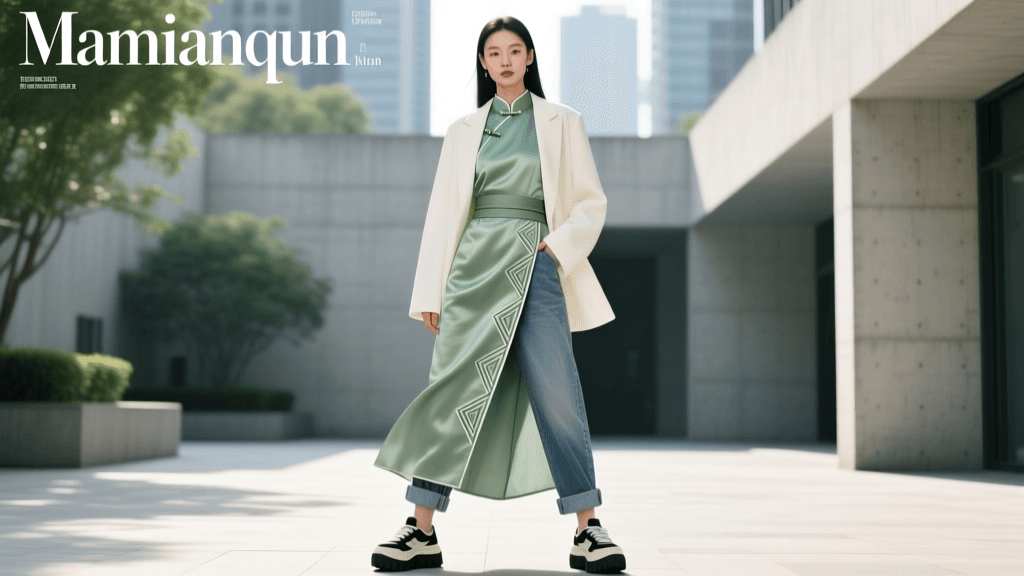
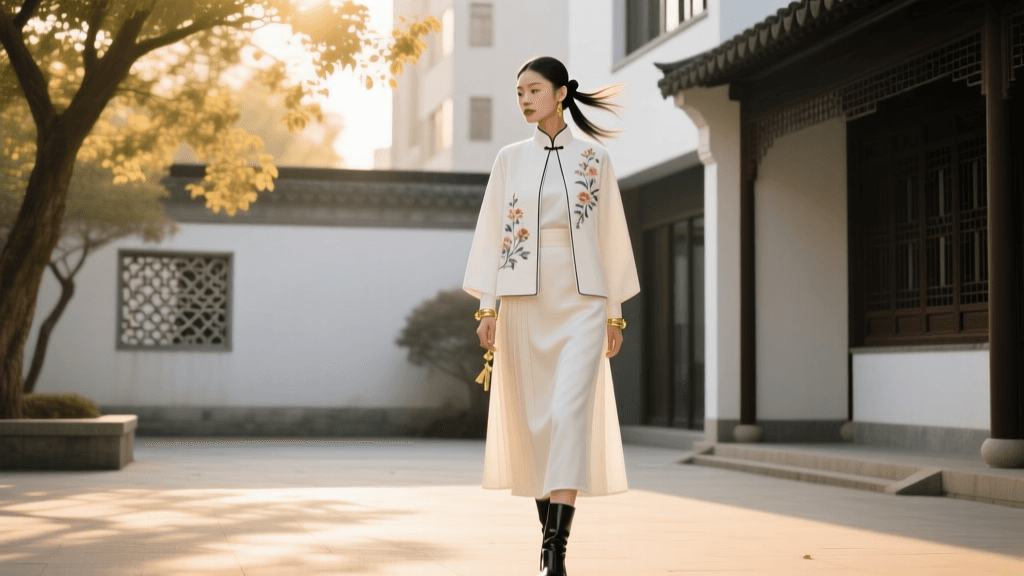
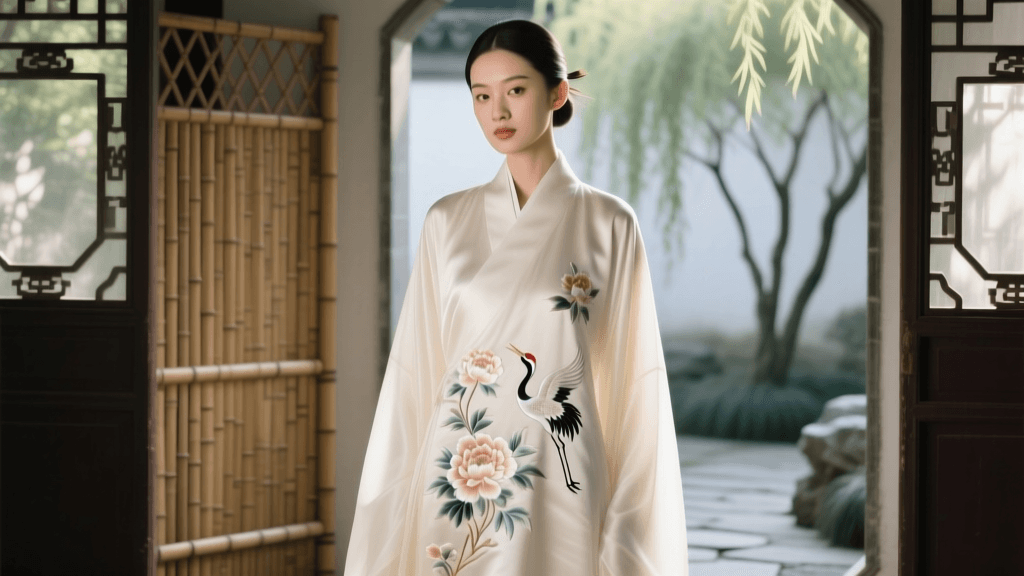
Suzhou silk embroidery, universally known as Su Xiu, is widely considered the pinnacle of Chinese textile arts. Originating in the Jiangsu province over 2,000 years ago, this meticulous craft is characterized by its delicate patterns, elegant colors, and astonishingly fine needlework. Within the context of the modern Hanfu revival movement, Su Xiu has transitioned from museum archives to living fashion, adorning the collars of Ming-style Aoqun (jacket and skirt ensembles) and the sweeping panels of Mamianqun (horse-face skirts). Recognized for its profound cultural significance, the broader tradition of Chinese sericulture and silk craftsmanship was inscribed on the UNESCO Representative List of the Intangible Cultural Heritage of Humanity, cementing its status as a global treasure.
For textile artists, fashion historians, and Hanfu enthusiasts, understanding Su Xiu is not merely an academic exercise; it is a practical gateway to elevating traditional garments from mass-produced approximations to bespoke works of art. This guide explores the technical specifications, material sourcing, and practical application of Suzhou embroidery in contemporary traditional Chinese clothing.
Core Techniques: The Mathematics of Thread Splitting
The defining characteristic of Su Xiu is Pi Xian (thread splitting). Unlike Western embroidery, which often utilizes the full strand of floss, Suzhou artisans split a single silk thread into microscopic fractions to achieve photorealistic gradients and impossibly fine details. A standard mulberry silk thread consists of two main strands. An artisan will split these into halves, quarters, eighths, and eventually up to 1/64th of the original thread's thickness.
- 1/2 to 1/4 Split: Used for bold outlines, floral stems, and architectural elements on heavy garments like winter cloaks (Doupeng).
- 1/8 to 1/16 Split: The standard for most Hanfu motifs, including peonies, cranes, and cloud patterns on 19mm silk satin.
- 1/32 to 1/64 Split: Reserved for hyper-realistic details, such as the individual barbs of a kingfisher's feather or the translucent fins of a koi fish. This requires a size 12 needle and a magnifying lamp.
The primary stitch utilized is the Ping Xiu (even satin stitch), where threads are laid parallel without overlapping, creating a smooth, luminous surface that catches the light. For textured elements like tree bark or animal fur, the Luan Xiu (messy or crossed stitch) is employed to build dimensional layers.
Applying Su Xiu to Modern Hanfu Silhouettes
Integrating Su Xiu into Hanfu requires an understanding of historical placement and modern drape. Embroidery is not merely applied randomly; it follows structural lines and cultural symbolism.
The Aoqun Collar and Cuffs
For a Ming-style Pipa-sleeve Ao (jacket), embroidery is traditionally concentrated on the Huling (collar band) and the sleeve cuffs. A standard collar band measures 4 to 6 centimeters in width. Artisans typically use a 1/16 thread split here to ensure the embroidery remains flexible and does not stiffen the neckline. Motifs often include continuous vines or auspicious bats, stitched using the Peking knot for raised, textured dots.
The Mamianqun Panels
The Mamianqun features flat front and back panels (Matou) flanked by pleated sides. Embroidery is strictly confined to the flat panels and the lower hem. A standard embroidered panel measures roughly 20 cm wide by 40 cm high. Because the skirt swings during movement, the design must be weighted at the bottom. Artisans often use heavier metallic threads (couched gold and silver) at the hem to add physical weight, ensuring the skirt drapes elegantly and the pleats remain grounded.
Material Sourcing: Silk Weights and Thread Specifications
The success of Su Xiu relies heavily on the foundation fabric and the quality of the floss. Sourcing the correct momme (mm) weight of silk is critical for garment construction.
- 16mm - 19mm Mulberry Silk Satin: Ideal for upper garments, Beizi (open-front coats), and summer wear. The tight weave provides a stable grid for needle penetration without puckering.
- 22mm - 30mm Heavy Silk Crepe or Brocade: Required for structured Mamianqun and winter garments. The heavier weight supports dense embroidery without warping the fabric's bias.
- Xiangyunsha (Gambiered Canton Gauze): A highly prized, mud-dyed silk. Embroidering on Xiangyunsha requires specialized needles (size 9 or 10) because the fabric's coating can be brittle. Artisans must use a 1/8 thread split and avoid pulling the thread too tightly to prevent tearing the dyed surface.
For thread, authentic Su Xiu demands 100% mulberry silk floss, sourced ideally from the Zhenhu district in Suzhou. Synthetic alternatives lack the triangular prism structure of natural silk, which is responsible for the thread's natural light-refracting properties.
Comparison of China's Four Great Embroidery Styles
While Su Xiu dominates the Hanfu market, it is essential to understand how it compares to the other three major regional styles. Each offers distinct aesthetic qualities suitable for different garment types.
| Style | Origin | Key Characteristics | Best Hanfu Application |
|---|---|---|---|
| Su Xiu | Suzhou, Jiangsu | Refined, elegant, flat satin stitch, extensive thread splitting, soft color gradients. | Ming-style Aoqun, delicate summer Beizi, scholarly motifs. |
| Shu Xiu | Sichuan Province | Bold colors, thick satin stitches, frequent use of gold/silver thread, panda/tiger motifs. | Heavy winter cloaks, theatrical Hanfu, structured outerwear. |
| Xiang Xiu | Hunan Province | Chiaroscuro shading, realistic wildlife (lions, tigers), uses dark and light threads for 3D effect. | Statement panels, artistic display garments, modern fusion Hanfu. |
| Yue Xiu | Guangdong Province | Vibrant, high-contrast colors, complex geometric patterns, frequent use of metallic couching. | Ceremonial wedding Hanfu (Qungua), heavy festival skirts. |
Cost, Timing, and Commissioning Guide
For Hanfu wearers looking to acquire Su Xiu garments, understanding the market dynamics is crucial. True hand-embroidered Su Xiu is a luxury investment, requiring hundreds of hours of labor. Below is a practical breakdown of costs and timelines for a standard pair of embroidered Mamianqun panels (approx. 40x20cm each).
| Acquisition Method | Estimated Cost (USD) | Time Required | Quality & Details |
|---|---|---|---|
| Machine Embroidery | $40 - $120 | 1 - 2 Weeks | Uniform stitches, lacks gradient splitting, uses rayon/polyester threads. Good for daily wear. |
| Semi-Hand (Hand-finishing) | $250 - $600 | 1 - 3 Months | Machine base with hand-stitched details and metallic couching. Good balance of cost and aesthetics. |
| Full Bespoke Su Xiu | $1,500 - $5,000+ | 6 - 18 Months | 100% hand-split silk, custom motifs, 1/32 thread splits for fine details. Museum-grade heirloom. |
Note: When commissioning bespoke work, always request a 'thread sample card' and a digital mockup of the motif placement on your specific garment pattern before the artisan begins hooping the fabric.
Archival Care and Preservation of Silk Textiles
Silk is a protein fiber, making it highly susceptible to environmental damage, UV degradation, and improper washing. Institutions like the Victoria and Albert Museum's Asian textile archives and the Metropolitan Museum of Art's textile conservation departments emphasize strict environmental controls for silk preservation. For the modern Hanfu collector, the following actionable steps are mandatory:
- Cleaning: Never machine wash or wring embroidered silk. Spot clean with a pH-neutral silk detergent and distilled water. For full cleaning, seek a dry cleaner who specializes in historical textiles and understands the water-solubility of certain traditional silk dyes.
- Storage: Never hang a heavily embroidered Mamianqun on a wire or velvet hanger; the weight of the embroidery will distort the silk warp threads over time. Store the garment flat in a breathable cotton pillowcase.
- Acid-Free Buffering: Place acid-free, unbuffered tissue paper between the folds of the skirt to prevent the embroidery threads from pressing into the fabric and causing permanent creases or fiber breakage.
- Light Exposure: Limit display under direct sunlight or harsh fluorescent lighting. UV rays will rapidly degrade the silk fibroin and fade the delicate, naturally dyed gradients characteristic of high-end Su Xiu.
Conclusion
Suzhou silk embroidery is far more than decorative embellishment; it is a mathematical and artistic discipline that breathes life into traditional Chinese garments. By understanding the nuances of thread splitting, fabric weights, and historical placement, modern Hanfu enthusiasts can bridge the gap between ancient craftsmanship and contemporary wearability. Whether you are threading a size 12 needle for your first satin stitch or commissioning a master artisan for a wedding ensemble, respecting the meticulous heritage of Su Xiu ensures that this intangible cultural treasure continues to thrive in the modern wardrobe.