Mastering Suzhou, Shu & Cantonese Hanfu Embroidery
The Renaissance of Chinese Embroidery in Modern Hanfu
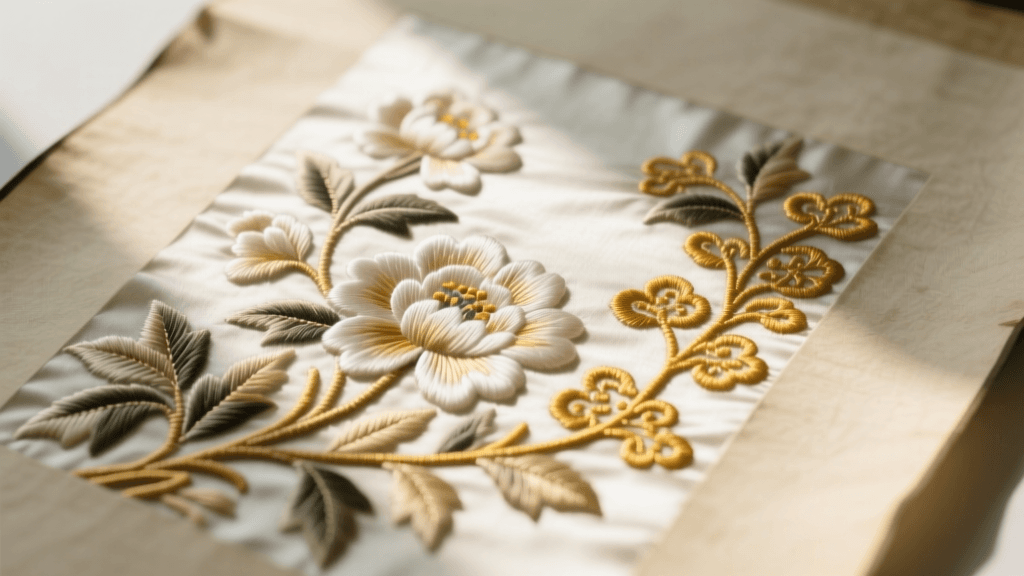
The contemporary Hanfu movement has sparked a profound revival of traditional Chinese textile arts. While mass-produced machine embroidery is common, true enthusiasts and artisans are returning to the foundational techniques of China's major regional embroidery styles. Understanding the distinct characteristics of Suzhou (Su Xiu), Shu (Shu Xiu), and Cantonese (Yue Xiu) embroidery is essential for anyone looking to create, restore, or authenticate high-quality traditional garments. According to The Metropolitan Museum of Art's Heilbrunn Timeline, the evolution of Chinese silk craftsmanship and embroidery is deeply intertwined with regional geography, local flora for dyeing, and distinct cultural aesthetics. This guide provides actionable, technical insights into mastering these three legendary techniques for your Hanfu wardrobe.
Suzhou Embroidery (Su Xiu): The Art of Silk Splitting
Originating from the Jiangnan region, Suzhou embroidery is celebrated for its delicate patterns, elegant color palettes, and meticulous needlework. The hallmark of Su Xiu is its extreme refinement, often utilizing double-sided embroidery (Damiang) where the design is identical on both sides of the silk organza or damask ground.
Actionable Techniques for Su Xiu
- Thread Splitting: The most critical skill in Su Xiu is splitting a single strand of silk floss into microscopic fractions. For broad floral petals, use 1/4 or 1/8 of a strand. For intricate details like koi fish scales, water ripples, or facial features, you must split the thread down to 1/16 or even 1/32 of its original thickness. This requires a steady hand and a slightly dampened thumb to grip the silk.
- Needle Selection: Use fine, short-eyed needles. A size 24 or 26 tapestry needle or a specialized Suzhou embroidery needle (which is exceptionally thin and flexible) is ideal for 1/16th thread splits.
- Signature Stitch: The Pingxiu (flat stitch) and Taozhen (overlapping stitch) are used to create seamless color gradients without visible knots.
Shu Embroidery (Shu Xiu): Vibrant Satins and the Halo Effect
Hailing from Sichuan province, Shu embroidery is known for its rich, vibrant colors and the use of soft, lustrous satin. Historically, Shu Xiu was heavily utilized for daily wear, quilts, and ceremonial garments due to its durability and striking visual impact. The Victoria and Albert Museum's Asian Collections frequently highlight the bold, high-contrast aesthetic that defines western Chinese textile traditions.
Actionable Techniques for Shu Xiu
- The Halo Stitch (Yunzhen): This is the defining technique of Shu Xiu. It involves using parallel, staggered stitches of varying lengths to blend colors seamlessly, creating a 'halo' or shaded effect. This is particularly effective for rendering the fur of pandas, the scales of dragons, or the depth of lotus leaves.
- Fabric Choice: Unlike the sheer organza sometimes used in Su Xiu, Shu embroidery requires a heavier, tightly woven silk satin or soft damask to support the dense, heavy thread coverage.
- Thread Management: Shu embroidery typically uses thicker, unspun or lightly spun silk threads compared to Suzhou. Do not split the thread beyond 1/2 or 1/4 thickness, as the goal is a rich, textured, and slightly raised surface.
Cantonese Embroidery (Yue Xiu): 3D Textures and Metallic Threads
Cantonese embroidery from the Guangdong region is the most flamboyant of the three. It is famous for its intricate use of gold and silver threads, vibrant contrasting colors, and three-dimensional padding techniques. Yue Xiu is the premier choice for formal Hanfu occasions, wedding attire (Qungua), and ceremonial jackets.
Actionable Techniques for Yue Xiu
- Gold Couching (Dingjin): Metallic threads are too thick and fragile to pass through the fabric. Instead, they are laid on the surface and 'couched' down with tiny, nearly invisible silk stitches. Space your couching stitches exactly 2mm to 3mm apart to ensure the gold thread lies perfectly flat and catches the light uniformly.
- 3D Padding (Dianxiu): To create the raised scales of a phoenix or the textured petals of a peony, use cotton yarn or waste silk to build up a padded base. Stitch over this padding with your decorative silk or metallic threads to create a sculptural, bas-relief effect that can raise up to 5mm off the fabric surface.
- Color Palette: Yue Xiu relies on high contrast. Pair deep crimson reds with emerald greens, and accent heavily with metallic gold to achieve the traditional Cantonese aesthetic.
Natural Dyeing Preparations for Embroidery Grounds
Before a single stitch is made, the ground fabric must be prepared. Traditional Hanfu embroidery relies on naturally dyed silks to provide an authentic, muted backdrop that allows the vibrant embroidery threads to pop. Britannica's comprehensive guide on Silk notes that protein fibers like silk require specific mordanting processes to accept natural dyes effectively.
Step-by-Step Mordanting and Dyeing
- Scouring: Wash your silk damask or organza in a mild pH-neutral detergent at 40°C for 30 minutes to remove sericin and manufacturing residues.
- Mordanting: Use Potassium Aluminum Sulfate (Alum) at 10% WOF (Weight of Fabric). Dissolve the alum in hot water, add the silk, and simmer gently at 80°C for 60 minutes. Let it cool in the bath overnight.
- Dyeing with Madder Root: For a traditional warm terracotta or soft pink ground, use Madder root powder at 100% WOF. Place the powder in a muslin bag, steep in water, and heat to 60°C (do not boil, or the colors will turn brown). Add the mordanted silk and hold at 60°C for 45 minutes.
- Rinsing: Rinse in cool water with a splash of white vinegar to set the color and restore the silk's natural luster.
Comparison Chart: Su, Shu, and Yue Embroidery
Choosing the right technique depends on your garment type, skill level, and desired visual outcome. Use the table below to guide your project planning.
| Feature | Suzhou (Su Xiu) | Shu (Shu Xiu) | Cantonese (Yue Xiu) |
|---|---|---|---|
| Origin | Jiangsu (Jiangnan) | Sichuan | Guangdong |
| Signature Stitch | Pingxiu (Flat), Damiang (Double-sided) | Yunzhen (Halo / Shading) | Dingjin (Gold Couching), Dianxiu (3D Padding) |
| Primary Materials | Ultra-fine split silk floss, sheer organza | Thick silk floss, soft satin | Metallic gold/silver, cotton padding, heavy brocade |
| Visual Style | Delicate, painterly, elegant, subdued | Vibrant, high-contrast, rich textures | Flamboyant, sculptural, opulent |
| Best Hanfu Application | Spring/Summer Ruqun, sheer Pibo (shawls) | Winter Aoqun, everyday Ming dynasty jackets | Wedding Qungua, formal ceremonial Xiapei (stoles) |
| Beginner Difficulty | High (requires extreme precision) | Medium (forgiving thread thickness) | Medium-High (requires mastering couching) |
Actionable Starter Kit & Budgeting for Artisans
Embarking on traditional Chinese embroidery requires a specific set of tools. Below is a practical budget and shopping list for a beginner looking to start a 20cm x 20cm Hanfu collar or cuff project.
- Embroidery Hoop & Stand: A 20cm traditional wooden hoop with a heavy cast-iron stand to keep both hands free for thread splitting. (Cost: $25)
- Silk Floss (Su/Shu): 100% mulberry silk floss skeins in a 24-color gradient palette. (Cost: $20)
- Metallic Threads (Yue): Japanese-style flat gold and silver wrapping threads (No. 5 or No. 7 thickness). (Cost: $15)
- Ground Fabric: 1 yard of pre-mordanted, naturally dyed silk damask or heavy organza. (Cost: $35)
- Specialty Needles & Scissors: Size 24/26 tapestry needles, fine embroidery snips with a 4mm blade for precise thread cutting. (Cost: $18)
- Natural Dye Supplies: Alum mordant (500g) and Madder root powder (250g) for future fabric prep. (Cost: $22)
Total Estimated Starter Investment: ~$135 USD. This initial investment yields enough materials for multiple Hanfu collar, cuff, and hem projects, allowing you to practice the foundational stitches of all three major regional styles.
Conclusion
Mastering Suzhou, Shu, and Cantonese embroidery is a journey into the heart of Chinese material culture. Whether you are splitting silk threads to 1/32nd of their width for a delicate Suzhou water ripple, blending colors with the Shu halo stitch, or couching gold threads for a majestic Cantonese phoenix, each technique offers a unique pathway to elevating your Hanfu wardrobe. By combining these historical stitching methods with authentic natural dyeing preparations, modern artisans can create garments that are not only visually stunning but deeply rooted in centuries of Asian textile tradition.