Modern Wafuku Guide: Styling Kimono and Haori for 2026
The Renaissance of Wafuku in 2026
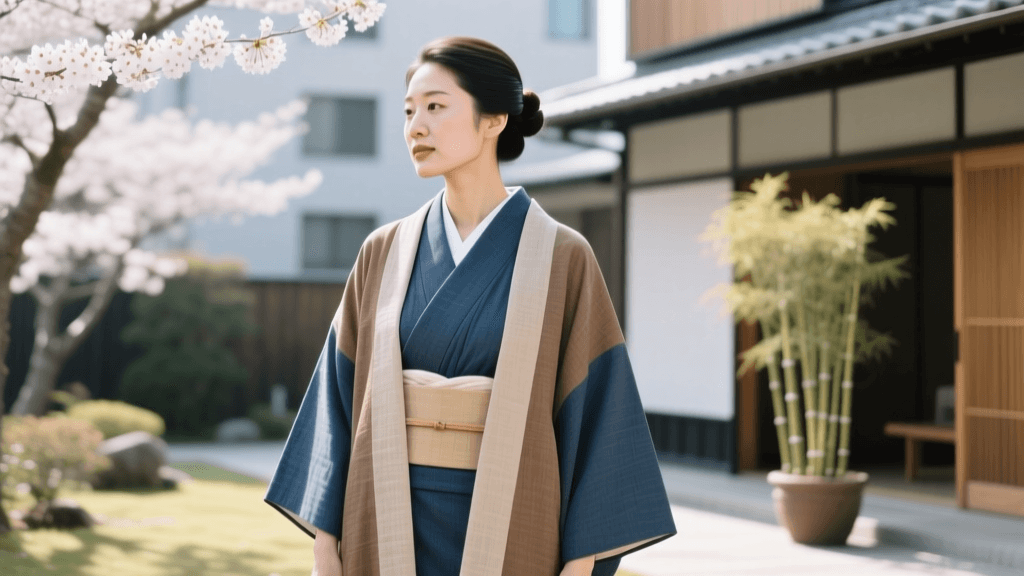
The landscape of Japanese fashion in 2026 represents a fascinating intersection of deep-rooted heritage and urgent ecological consciousness. Traditional Japanese clothing, collectively known as wafuku, is no longer confined to tea ceremonies, weddings, or coming-of-age festivals. Today, the kimono and its versatile outerwear counterpart, the haori, have been reclaimed by a global generation of dressers who value sustainability, artisanal craftsmanship, and gender-fluid silhouettes. As the fashion industry pivots away from fast fashion, the zero-waste pattern cutting and durable, repairable nature of wafuku make it a cornerstone of the 2026 circular wardrobe.
According to insights from the Ellen MacArthur Foundation, the push for circularity in textiles has driven consumers toward garments that transcend seasonal trends. Wafuku, with its straight-line construction and lack of tailored seams, can be easily disassembled, cleaned, and re-sewn, making it inherently sustainable. This guide explores how to integrate these historic garments into a contemporary 2026 wardrobe, focusing on modern layering, sustainable fabric innovations, and practical styling.
Understanding the Core Garments: Kimono vs. Haori
To style wafuku effectively, one must first understand the architectural differences between its primary components. Unlike Western clothing, which is cut and tailored to follow the contours of the body, wafuku is constructed from straight bolts of fabric that are wrapped and folded. As noted by the Victoria and Albert Museum in their extensive historical analyses, this wrapping technique allows the garment to adapt to various body shapes and sizes over centuries, a feature that perfectly aligns with modern inclusive fashion standards.
The Modern Haori: A Versatile Outer Layer
The haori is a hip- or thigh-length jacket worn open over a kimono. Historically, it was a formal garment for men and a marker of status for geisha, but in 2026, it has evolved into a universally worn, gender-neutral layering piece. Modern haori are frequently seen in varying lengths:
- Standard Haori: Falls at the upper thigh. Ideal for pairing with high-waisted trousers or midi skirts.
- Naga-Haori (Long Haori): Falls below the knee. Creates a dramatic, coat-like silhouette perfect for winter layering over turtlenecks and wide-leg pants.
- Hanten: A shorter, padded, and more casual cousin of the haori, often featuring intricate sashiko stitching, heavily favored in modern streetwear.
Deconstructing the Kimono Silhouette
The kimono itself is categorized by its formality and pattern placement. For everyday modern styling, the komon (featuring a repeating, all-over pattern) and the tsukesage (with patterns concentrated on the lower half and sleeves) are the most practical. The yukata, a lightweight, unlined cotton kimono, remains the ultimate entry point for beginners, especially during the summer months. In 2026, styling a komon kimono open like a duster coat over a simple linen slip dress is a hallmark of avant-garde street style in districts like Tokyo’s Daikanyama and global fashion capitals alike.
2026 Fabric Innovations and Sustainable Silk Blends
While traditional silk (shoken) remains the gold standard for formal wafuku, the 2026 market has seen a massive surge in eco-conscious alternatives. The preservation of traditional weaving hubs is vital, and institutions like the Kyoto Museum of Traditional Crafts continue to champion heritage techniques like Nishijin-ori. However, for daily wear, modern textile innovations are taking precedence:
- Ahimsa (Peace) Silk: Harvested without harming the silkworm, this ethical silk has become highly sought after for premium, cruelty-free haori.
- Cupro and Tencel Blends: Derived from regenerated cellulose, these fabrics offer the drape and luster of silk but are machine-washable and biodegradable, making them incredibly popular for modern, low-maintenance komon.
- Recycled Polyester Chirimen: The traditional crepe texture (chirimen) is now frequently replicated using 100% post-consumer recycled plastics, offering the same tactile grip required for obi tying without the environmental footprint of virgin synthetics.
Layering Techniques for Contemporary Wardrobes
The true magic of wafuku in 2026 lies in its integration with Western garments. The key to successful layering is playing with proportions and respecting the straight lines of the traditional garments. Below is a structured guide to mastering wafuku layering for various contemporary scenarios.
| Garment | Western Pairing | Vibe / Occasion | Seasonality |
|---|---|---|---|
| Short Silk Haori | High-waisted wide-leg trousers and a fitted ribbed knit | Gallery openings, smart casual dinners | Spring / Autumn |
| Long Naga-Haori | Maxi slip dress or turtleneck with tailored wool trousers | Evening events, autumn walks, theater | Winter / Late Autumn |
| Komon Kimono | Worn open as a duster over a denim-on-denim ensemble | Creative studios, streetwear, casual weekends | Year-round |
| Cotton Yukata | Over linen shorts and a cropped tank top | Summer festivals, beach resorts, lounging | Summer |
Styling Tip: When wearing a kimono or haori open over Western clothes, use a simple leather or braided cord belt at the waist to mimic the presence of an obi without the bulk, allowing the garment’s sleeves to drape elegantly.
Footwear and Accessories: Completing the Look
No wafuku ensemble is complete without considering the extremities. In 2026, the rigid rules of matching zori (sandals) to the formality of the kimono have relaxed, giving way to highly personalized, hybrid styling.
The Evolution of Tabi
The split-toe tabi sock is essential when wearing traditional footwear, but the tabi boot has firmly cemented itself in global fashion. While luxury European houses have popularized the silhouette, traditional Japanese jika-tabi (split-toe shoes with rubber soles) are being embraced by urbanites for their ergonomic benefits and grounded, minimalist aesthetic. Pairing black cotton tabi boots with a flowing, patterned haori creates a striking contrast between utilitarian footwear and delicate textiles.
Modern Obi Alternatives
The traditional obi is a masterpiece of textile art, but tying a formal fukuro obi requires time and expertise. For the modern dresser, 2026 has popularized several alternatives:
- Shigoki Obi: A soft, scarf-like silk tie originally used for children, now tied in simple bows or knots by adults for a relaxed, romantic silhouette.
- Corset Belts: A bold, contemporary choice where a structured leather or canvas corset belt is worn over the kimono at the natural waist, completely redefining the garment's traditional straight-line profile.
- Clip-On Obi (Tsuke Obi): Pre-tied and secured with clips or velcro, these are indispensable for those who want the formal look of a taiko musubi (drum knot) in under thirty seconds.
Sourcing Authentic and Sustainable Wafuku
Acquiring wafuku in 2026 is an exercise in conscious consumerism. The vintage market remains the most sustainable and affordable route. In Tokyo, neighborhoods like Shimokitazawa and Koenji host thriving vintage kimono shops where a high-quality, mid-century silk komon can be purchased for between $40 and $120 USD. For haori, expect to pay between $60 and $150 USD depending on the condition and the presence of hand-painted or embroidered family crests (kamon).
If purchasing new, seek out brands that prioritize transparency in their supply chains. Many contemporary Kyoto-based ateliers now offer custom haori made from deadstock Nishijin-ori fabric, ensuring that heritage textiles are utilized rather than discarded. When buying vintage, always inspect the collar (eri) for staining and check the shoulder seams for sun fading, as these are the most vulnerable areas of the garment.
Conclusion: Wearing History Forward
Integrating kimono and haori into a 2026 wardrobe is not an act of costume or appropriation, but a participation in a living, breathing sartorial tradition. By embracing sustainable fabrics, experimenting with cross-cultural layering, and supporting circular fashion economies, modern wearers ensure that wafuku remains relevant, respected, and breathtakingly beautiful for generations to come.