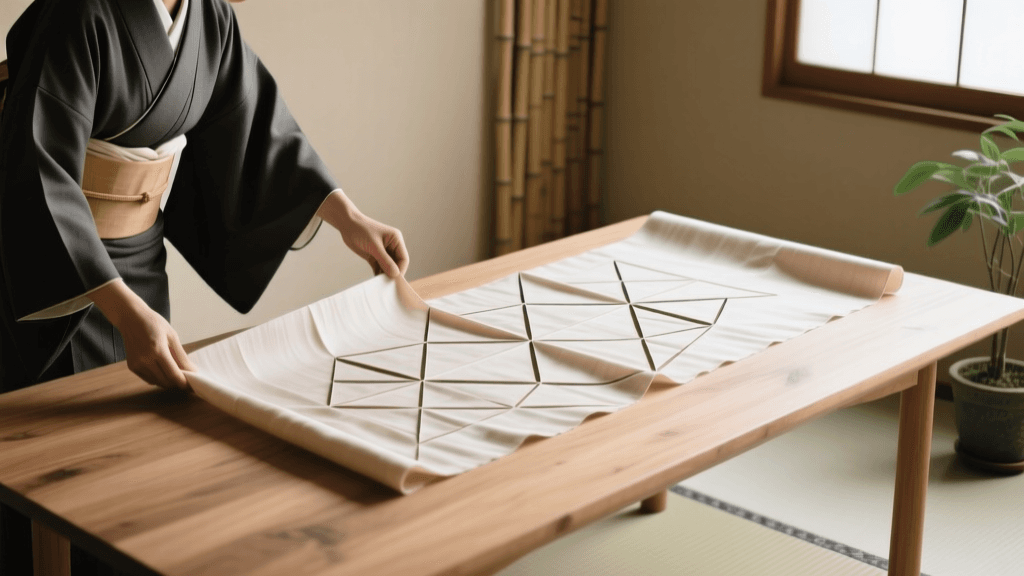
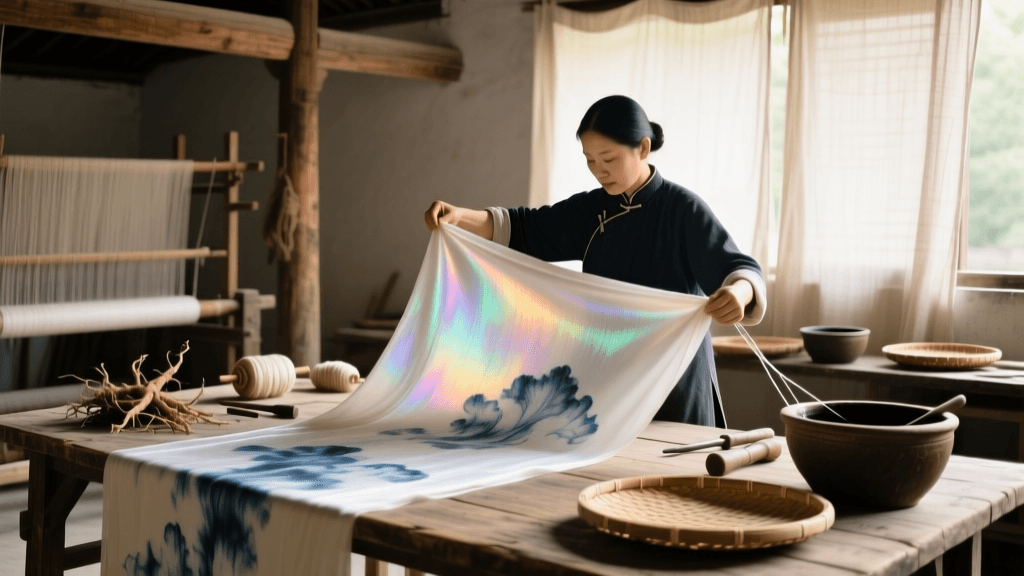
Top Sustainable Silks for Kimono and Hanbok in 2026
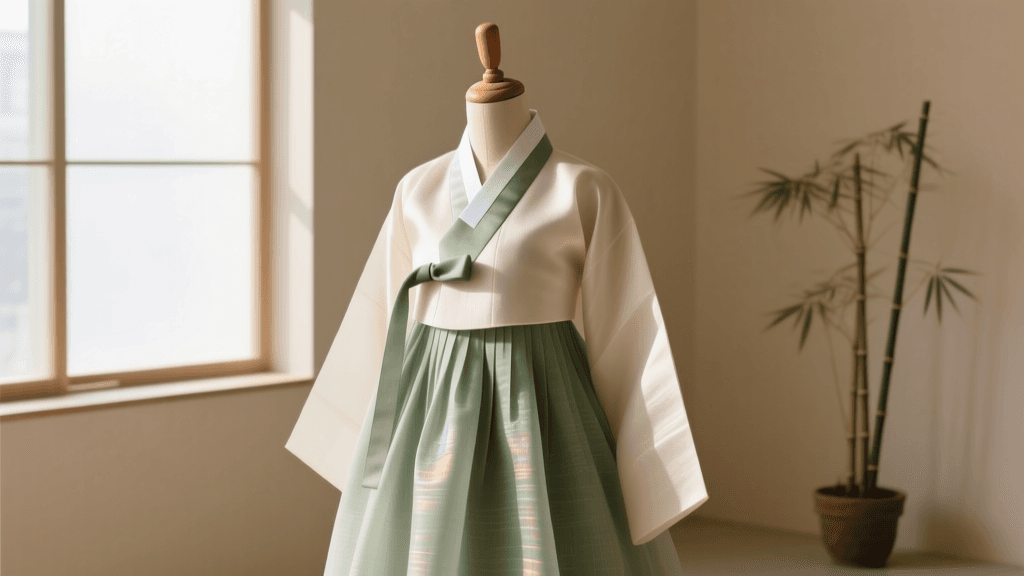
The 2026 Shift Toward Ethical Asian Textiles
The landscape of traditional Asian garments is undergoing a profound and necessary evolution. As we move through 2026, artisans, designers, and everyday wearers of the kimono and hanbok are increasingly prioritizing cruelty-free and sustainably harvested textiles. While traditional mulberry silk has been the cornerstone of East Asian ceremonial wear for millennia, the environmental and ethical costs of conventional sericulture have prompted a search for innovative alternatives. Today, the market offers remarkable next-generation fabrics that honor the drape, luster, and cultural significance of heritage garments while aligning with modern ecological values.
Choosing the right fabric for a kimono or hanbok is not merely an aesthetic decision; it is a structural one. The heavy, sweeping folds of a hanbok chima (skirt) and the precise, straight-line geometry of a kimono demand textiles with specific weight, bias stability, and breathability. In this comprehensive guide, we explore the top sustainable silk alternatives available in 2026, providing actionable advice on sourcing, sewing, and maintaining these exquisite ethical textiles.
Lotus Silk: The Rare Jewel of Asian Weaving
Lotus silk is a marvel of natural engineering and human patience. Extracted from the stems of the Nelumbo nucifera (sacred lotus) plant, this fiber has been woven in parts of Southeast Asia for centuries but has only recently entered the broader East Asian traditional garment market in significant quantities. Unlike mulberry silk, which is an animal protein, lotus silk is a plant-based cellulose fiber, making it entirely vegan and cruelty-free.
Characteristics and Drape
Lotus silk possesses a unique matte finish and a subtle, natural slub that gives it a linen-like texture but with the soft, fluid drape of raw silk. It is highly breathable, naturally stain-resistant, and possesses a slight natural elasticity. For kimono makers, lotus silk is ideal for summer ro (gauze) or sha (sheer) weave kimono, as well as for the hanbok jeogori (jacket) where breathability against the skin is paramount.
Sourcing and 2026 Pricing
Because it takes approximately 32,000 lotus stems to produce a single yard of fabric, lotus silk remains a luxury textile. In 2026, authentic hand-woven lotus silk from established cooperatives in Vietnam and Myanmar retails between $130 and $160 per yard. When sourcing, always request a burn test certificate; genuine lotus silk will burn like cotton, leaving a fine, crumbly ash, whereas synthetic imitations will melt into hard beads.
Ahimsa (Peace) Silk: Cruelty-Free Elegance
For those who desire the exact protein structure and luminous sheen of traditional silk without the ethical concerns of boiling cocoons, Ahimsa silk (often called peace silk) is the premier choice in 2026. Ahimsa silk is harvested only after the silkworm moth has naturally chewed its way out of the cocoon and flown away. This process breaks the continuous silk filament, meaning the fibers must be spun rather than reeled, resulting in a fabric that looks and feels remarkably like spun silk or raw dupioni.
Eri and Tasar Varieties
The two most common types of peace silk used in traditional garments are Eri and Tasar. Eri silk, produced by the Samia cynthia ricini moth, is incredibly soft, thermal, and heavy, making it perfect for winter kimono under-layers (juban) and the voluminous petticoats worn beneath a hanbok. Tasar silk is wild-harvested, featuring a coarser texture and a deep, natural copper or beige hue that takes beautifully to natural dyes.
Best Applications and Costs
In 2026, high-grade Eri peace silk averages $65 to $95 per yard. Its slightly textured surface provides excellent grip, making it easier to sew and tie than slippery mulberry silk. This makes it an exceptional choice for the complex knotting of the hanbok goreum (ribbon ties) and the obi jime (cords) used in kimono styling.
Fabric Comparison Chart: Traditional vs. Sustainable Silks
Understanding how these modern ethical fabrics compare to conventional options is crucial for pattern planning and budgeting. Below is a detailed comparison chart tailored for 2026 market conditions.
| Fabric Type | Fiber Origin | Avg. 2026 Cost (per yard) | Best Garment Application | Drape & Texture |
|---|---|---|---|---|
| Mulberry Silk (Habitai) | Bombyx mori (Reeled) | $35 - $55 | Kimono lining, Hanbok sokgot | High sheen, very smooth, fluid |
| Lotus Silk | Nelumbo nucifera (Spun) | $130 - $160 | Summer Kimono, Jeogori | Matte, slight slub, breathable |
| Eri Peace Silk | Samia ricini (Spun) | $65 - $95 | Winter Juban, Chima petticoats | Soft, warm, matte to low sheen |
| Orange Fiber (Citrus Silk) | Citrus juice byproduct | $80 - $110 | Modern fusion Hanbok, Obi | Silky, high sheen, lightweight |
Natural Dyeing: Enhancing Sustainable Textiles
The resurgence of natural dyeing in 2026 has perfectly complemented the rise of sustainable silks. Because lotus and peace silks lack the harsh chemical treatments often found in commercial textiles, they absorb botanical dyes with unparalleled vibrancy. For hanbok makers, utilizing persimmon tannin (gamdyung) on lotus silk creates a stunning, water-resistant amber fabric that stiffens beautifully, ideal for outer coats (durumagi). For kimono artisans, fermented indigo (sukumo) binds deeply to the protein structure of Eri peace silk, yielding a rich, colorfast navy that softens with every wear.
Practical Guide: Cutting and Sewing Sustainable Silks
Working with ethical silks requires specific adjustments to your sewing methodology, especially when constructing the zero-waste, straight-line patterns of a kimono or the curved, bias-heavy panels of a hanbok.
- Needle Selection: Abandon universal needles. Use Schmetz Microtex (Sharps) in size 70/10. The extremely sharp point pierces the dense, spun fibers of lotus and peace silk without causing micro-tears or snags.
- Thread Choice: Cotton thread will snap under the tension of heavy hanbok skirts, while standard polyester is too thick. Opt for a silk-weight polyester thread, such as Gutermann Mara 100, which offers the sheen of silk with the tensile strength required for structural seams.
- Cutting Techniques: Lotus silk can be prone to shifting. In 2026, the industry standard for cutting slippery or textured ethical silks is to lay the fabric over a layer of kraft paper, pinning through all layers before cutting with micro-serrated fabric shears. This prevents the bias edges of a hanbok chima from stretching out of shape before they reach the sewing machine.
- Seam Finishes: Because peace silk is spun from broken filaments, the raw edges will fray more aggressively than reeled mulberry silk. Always use French seams or bound edges (using bias-cut silk organza) for internal kimono seams to ensure longevity.
Care and Maintenance for Next-Gen Ethical Fabrics
Proper care ensures that these investment textiles last for generations. The cultural heritage of passing down a kimono or hanbok relies entirely on meticulous textile maintenance.
'The misconception that all silks must be dry-cleaned is fading. Ethical, minimally processed silks like lotus and Eri actually thrive when gently hand-washed, as it removes the accumulated body oils that degrade natural fibers over time.' - Dr. Aris Thorne, Textile Conservator, 2026.
To wash your sustainable silk garments, use a pH-neutral, enzyme-free detergent specifically formulated for protein and cellulose fibers. Submerge the garment in cold water (never exceeding 68°F or 20°C) for no more than five minutes. Do not wring or twist the fabric; instead, roll it in a clean, colorfast cotton towel to press out excess moisture. Always dry lotus and peace silk flat in the shade. Direct UV exposure will rapidly degrade the natural lignins in lotus silk and cause yellowing in undyed peace silk.
For storage, never use plastic garment bags, which trap moisture and encourage mildew. Wrap your folded kimono and hanbok components in unbleached, acid-free muslin or cotton cloth. Place natural cedar blocks in the storage drawer to repel insects, avoiding chemical mothballs which will permanently taint the delicate, natural scent of the lotus and Eri fibers.
Conclusion
The year 2026 marks a beautiful synthesis of ancient tradition and modern ethical responsibility. By choosing lotus silk and Ahimsa peace silk, makers and wearers of the kimono and hanbok are not abandoning history; they are actively preserving its spirit. These sustainable textiles offer the structural integrity, breathtaking drape, and cultural resonance required for traditional Asian garments, proving that true elegance is rooted in respect for both heritage and the natural world.