Sustainable Kimono Making: Ethical Silk and Natural Dye Guides
The Inherent Sustainability of the Kimono Silhouette
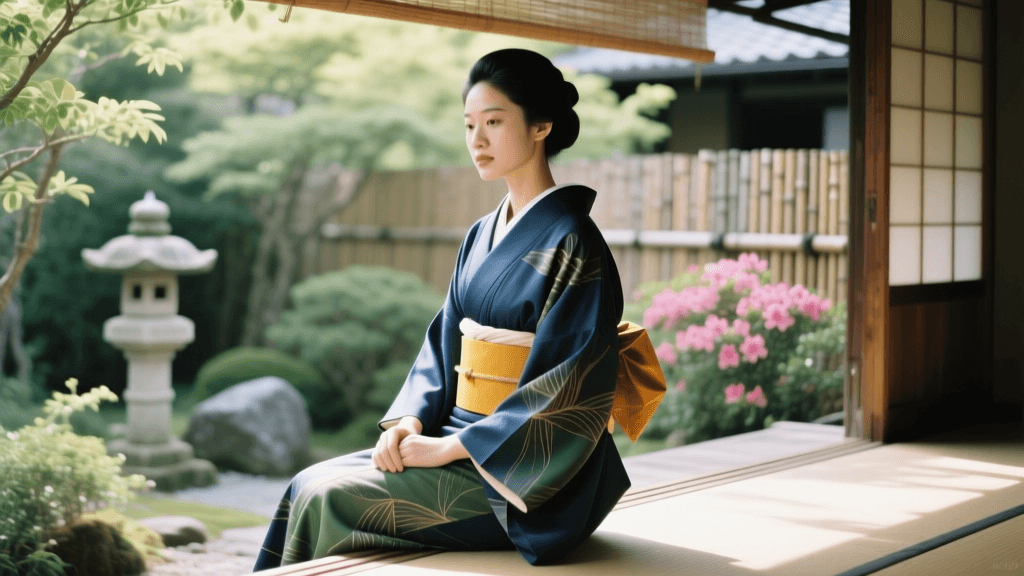
Before examining the raw materials, it is vital to understand that the traditional kimono is inherently a masterpiece of zero-waste design. Unlike Western tailoring, which cuts curved patterns from wide fabric and discards the scraps, a kimono is constructed from a single bolt of fabric known as a tanmono. A standard tanmono measures approximately 36 to 40 centimeters in width and 12 meters in length. The garment is cut in straight, rectangular lines, ensuring that virtually zero fabric is wasted during production. Furthermore, because the pieces are sewn together using flat, running stitches, a kimono can be entirely unpicked, washed, re-dyed, and resewn to fit a new wearer or to repair damaged areas. This circular lifecycle is the foundation of sustainable kimono production.
The Environmental Cost of Conventional Silk and Dyes
Despite the sustainable silhouette, the modern commercialization of silk and synthetic dyes has introduced significant environmental challenges. Conventional sericulture (silk farming) often relies on chemical fertilizers and pesticides to maximize the yield of mulberry leaves, which are the sole diet of the Bombyx mori silkworm. The traditional method of harvesting silk involves boiling the cocoons with the live pupae inside to prevent the moth from breaking the continuous silk filament. While this produces the ultra-smooth, high-luster silk prized in formal garments, it raises ethical concerns for conscious consumers.
Furthermore, the shift toward synthetic aniline dyes and chemical yuzen (resist-dyeing) processes in the 20th century introduced heavy metals and toxic runoff into local waterways. The rinsing process for synthetic dyes requires massive volumes of fresh water, contributing to the textile industry’s global water footprint. According to data compiled by Textile Exchange, the conventional silk and synthetic dyeing supply chains remain some of the most resource-intensive sectors in global fashion, prompting a vital return to heritage, eco-friendly methods.
Ethical Silk Sourcing: Peace Silk and Organic Mulberry
For the eco-conscious buyer, ethical silk alternatives are becoming increasingly accessible in Japan. Peace Silk, also known as Ahimsa silk, allows the moth to naturally hatch and emerge from the cocoon before the silk is harvested. Because the continuous filament is broken during the moth’s escape, Peace Silk must be spun rather than reeled, resulting in a slightly slubby, rustic texture. This texture perfectly complements the modern wabi-sabi aesthetic, which celebrates imperfection and natural beauty. A bolt of authentic Peace Silk typically costs between ¥80,000 and ¥150,000 ($550 to $1,000 USD), reflecting the lower yield and higher labor intensity.
Another crucial element is organic mulberry farming. Artisans in regions like Gunma and Nagano are increasingly cultivating mulberry trees without synthetic pesticides, relying instead on natural pest management and composting. When shopping for an ethical kimono, look for transparency regarding the farm origin. Brands that partner with the Association for the Promotion of Traditional Craft Industries often provide detailed provenance records for their organic silk textiles.
Kusaki-zome: The Revival of Natural Plant Dyeing
The most significant leap in sustainable kimono production is the revival of kusaki-zome, or natural plant dyeing. Before the Meiji era, all Japanese textiles were dyed using botanical sources. Today, master dyers are returning to these methods to eliminate toxic chemical runoff and create garments that age beautifully over time.
Key Botanical Dyes in Modern Production
- Aizome (Japanese Indigo): Cultivated primarily in Tokushima Prefecture, indigo leaves are fermented into a paste called sukumo. The dye vat is kept alive with natural ash lye and sake. Indigo is renowned for its antibacterial properties, UV resistance, and the way it deepens in color with wear and washing.
- Kakishibu (Persimmon Tannin): Made from fermented unripe persimmons, this dye creates a stunning earthy brown or amber hue. It acts as a natural water repellent and strengthens the silk fibers. Over years of exposure to sunlight and air, kakishibu oxidizes and darkens, a process highly valued by collectors.
- Akane (Madder Root): Used to produce rich, warm reds and pinks. Madder root requires a mordant (often natural alum or iron) to bind the color to the silk. The resulting shades are softer and more complex than synthetic reds, which often appear flat and overly vibrant.
“A garment dyed with plants does not merely sit upon the skin; it breathes with the wearer. The color shifts with the seasons, much like the mountains from which we harvest our roots and leaves.” — Master Dyer, Kyoto
Comparison Chart: Synthetic vs. Natural Dyes in Kimono Production
Understanding the practical differences between modern chemical dyes and heritage kusaki-zome is essential for making an informed, sustainable purchase.
| Metric | Synthetic / Chemical Dyes | Natural Plant Dyes (Kusaki-zome) |
|---|---|---|
| Water Footprint | High (requires extensive chemical rinsing) | Moderate (utilizes closed-loop fermentation vats) |
| Toxicity & Runoff | High (heavy metals, synthetic fixatives) | None (100% biodegradable, compostable waste) |
| Colorfastness | Excellent (resists fading indefinitely) | Variable (fades gracefully, requires gentle care) |
| UV Resistance | Moderate | High (especially Aizome/Indigo) |
| Cost per Tanmono (Bolt) | ¥30,000 - ¥60,000 | ¥120,000 - ¥300,000+ |
| Production Timeline | 1 to 2 weeks | 3 to 6 months (seasonal harvesting & fermenting) |
The Upcycling Movement: Rimeiku and Maruarai
Sustainability in Japanese fashion is not just about how new garments are made; it is deeply rooted in how old garments are preserved. The upcycling movement, known as rimeiku (remodeling), breathes new life into vintage and antique kimono. Because of the straight-line cutting method, a stained or damaged kimono can be completely unpicked into its original rectangular panels.
The panels then undergo maruarai, a specialized traditional dry-cleaning and washing technique that uses natural solvents and careful stretching to remove decades of stains without damaging the delicate silk. Once cleaned, the fabric can be re-dyed to cover stubborn marks, or tailored into modern garments like haori (jackets), wide-leg trousers, or even Western-style dresses.
Actionable Costs and Timelines for Remodeling
If you are looking to participate in the circular kimono economy, here is what you can expect when commissioning a rimeiku project in Japan:
- Unpicking and Maruarai (Washing): ¥8,000 to ¥15,000 ($55 - $100 USD). Timeline: 2 to 3 weeks.
- Re-dyeing (Solid Color): ¥20,000 to ¥40,000 ($135 - $270 USD). Timeline: 3 to 4 weeks.
- Re-tailoring into a Modern Silhouette: ¥30,000 to ¥60,000 ($200 - $400 USD). Timeline: 4 to 8 weeks.
- Total Project Timeline: Expect to wait 2 to 4 months from drop-off to final fitting, as artisans often batch their natural dyeing processes according to the weather and humidity.
How to Support Ethical Kimono Artisans
As a tourist or international buyer, navigating the kimono market can be daunting. To ensure your purchase supports sustainable and ethical practices, follow this actionable buyer’s guide:
- Ask About the Dye Source: When visiting boutiques in Kyoto or Kanazawa, explicitly ask if the garments utilize kusaki-zome (plant dyes) or synthetic chemical dyes. Reputable artisans will proudly explain their dye vats and botanical sources.
- Seek Out Certified Upcyclers: Look for stores that specialize in vintage remodeling rather than fast-fashion polyester kimono rentals. The Japan National Tourism Organization frequently highlights certified traditional craft shops that prioritize heritage preservation and sustainable tourism.
- Invest in Separates: If a full silk kimono is outside your budget or lifestyle needs, invest in ethically dyed han-eri (collar covers) or tabi (split-toe socks) made from organic cotton and natural indigo. These items require less material but directly support the natural dyeing artisans.
- Verify the Provenance: Ask for the artisan’s story. Ethical production relies on transparency. A sustainable brand will be able to tell you exactly which region the silk was spun in and which farm grew the indigo or madder root.
Conclusion: The Future of the Garment
The kimono is far more than a static relic of the past; it is a living, evolving garment that holds the key to a more sustainable fashion future. By embracing ethical silk, reviving the ancient art of kusaki-zome, and championing the zero-waste rimeiku movement, modern artisans are proving that true luxury lies in harmony with nature. When you choose a sustainably produced kimono, you are not just buying a piece of clothing—you are investing in the preservation of the earth, the protection of local waterways, and the survival of ancestral craftsmanship for generations to come.