Modern Kimono Styling 2026: Sustainable Silks & Streetwear Guide
The 2026 Japanese Fashion Renaissance
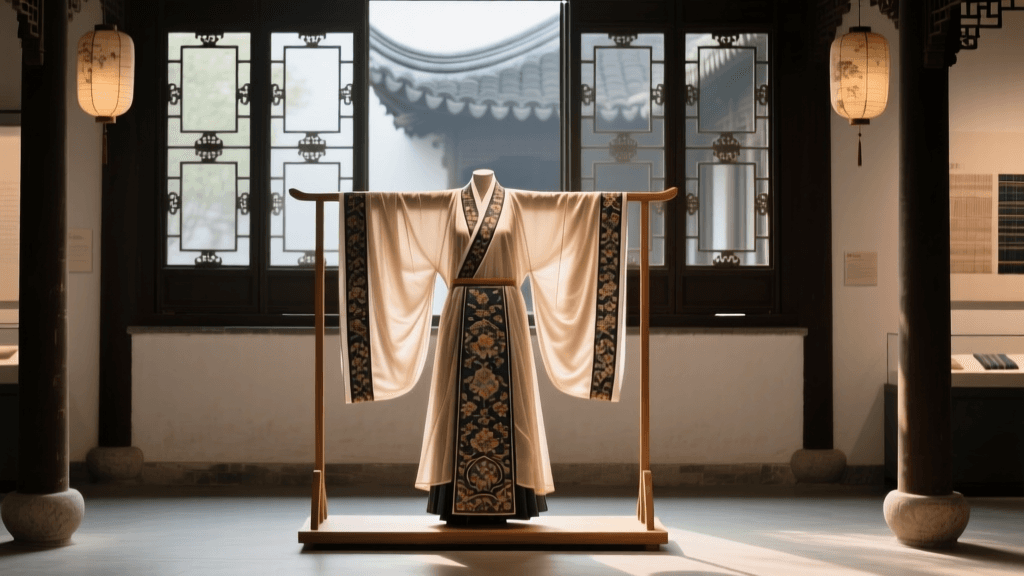
Japanese fashion has always been a masterclass in balancing deep-rooted heritage with hyper-modernity. As we navigate 2026, the traditional kimono and haori are experiencing a profound renaissance, moving far beyond the confines of ceremonial wear and tourist rentals. Today's style enthusiasts and avant-garde designers are reimagining these iconic silhouettes for everyday urban life. The intersection of Edo-period tailoring and contemporary 2026 streetwear has birthed a dynamic movement where sustainability, technological innovation, and cultural preservation coexist seamlessly. Whether you are a seasoned collector of vintage textiles or a newcomer looking to integrate a haori into your daily wardrobe, understanding the modern landscape of Japanese traditional garments is essential.
Sustainable Textiles: The New Silk Standard
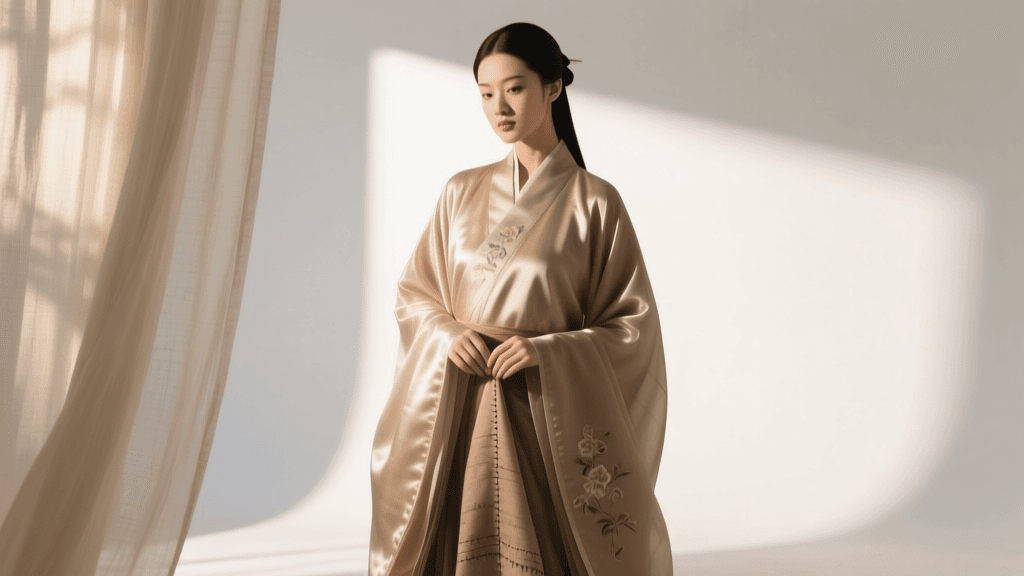
One of the most significant shifts in 2026 is the industry-wide pivot toward sustainable and ethical textiles. Traditional silk production, while culturally revered, has faced scrutiny regarding its environmental footprint. In response, Japanese artisans and biotech firms have pioneered incredible alternatives. A prime example is the adoption of lab-grown, plant-based silk alternatives. According to industry leaders like Spiber's Brewed Protein initiative, fermentation-derived protein fibers now mimic the luster, drape, and tensile strength of traditional spider and mulberry silks without the heavy water usage or ethical concerns of sericulture.
Furthermore, upcycled vintage silks have become the gold standard for eco-conscious consumers. Artisans in Kyoto and Kanazawa are deconstructing damaged mid-century kimonos, cleaning the fabrics using advanced, waterless CO2 cleaning technologies, and reconstructing them into modern, modular garments. When shopping for a kimono or haori in 2026, looking for certification tags indicating 'Upcycled Chirimen' (crepe silk) or 'Brewed Protein Blends' ensures your wardrobe is both historically resonant and environmentally responsible.
Essential Garments: Kimono, Haori, and Yukata
To build a versatile Japanese-inspired wardrobe, it is crucial to understand the distinct roles of the core garments. While the Victoria and Albert Museum's historical Kimono archive provides a masterclass in the historical evolution of these pieces, their 2026 applications are distinctly modernized.
| Garment | 2026 Primary Use | Standard Fabric | Avg. Cost (USD) |
|---|---|---|---|
| Furisode | Formal events, galas, Coming of Age ceremonies | Heavy Silk, Brocade, Brewed Protein | $400 - $900 |
| Haori | Streetwear layering, smart-casual outerwear | Recycled Poly, Upcycled Silk, Hemp | $150 - $350 |
| Komon Kimono | Everyday wear, dinner parties, cultural events | Patterned Silk, Washed Cotton | $180 - $400 |
| Yukata | Summer festivals, loungewear, resort wear | Organic Cotton, Linen Blends | $60 - $140 |
Precision Sizing and Measurements
Unlike Western clothing, which relies on standardized S/M/L sizing, traditional Japanese garments are tailored based on specific body measurements that dictate the drape and fold of the fabric. In 2026, many online retailers utilize augmented reality (AR) scanning apps to determine your exact dimensions, but knowing your manual measurements remains vital.
- Yuki (Sleeve Length): Measured from the center back of the neck, over the shoulder, and down to the wrist. A standard women's yuki is around 64-68 cm, while men's ranges from 75-82 cm.
- Mitake (Back Length): Measured from the base of the neck to the desired hemline. For modern streetwear styling, many opt for a shorter mitake to prevent the kimono from dragging on urban pavements.
- Sodegiri (Sleeve Drop): The vertical length of the sleeve opening. Furisode feature dramatic drops (up to 114 cm), whereas modern streetwear kimonos utilize a practical 49 cm drop to avoid catching on bags or door handles.
Haori Integration in Contemporary Streetwear
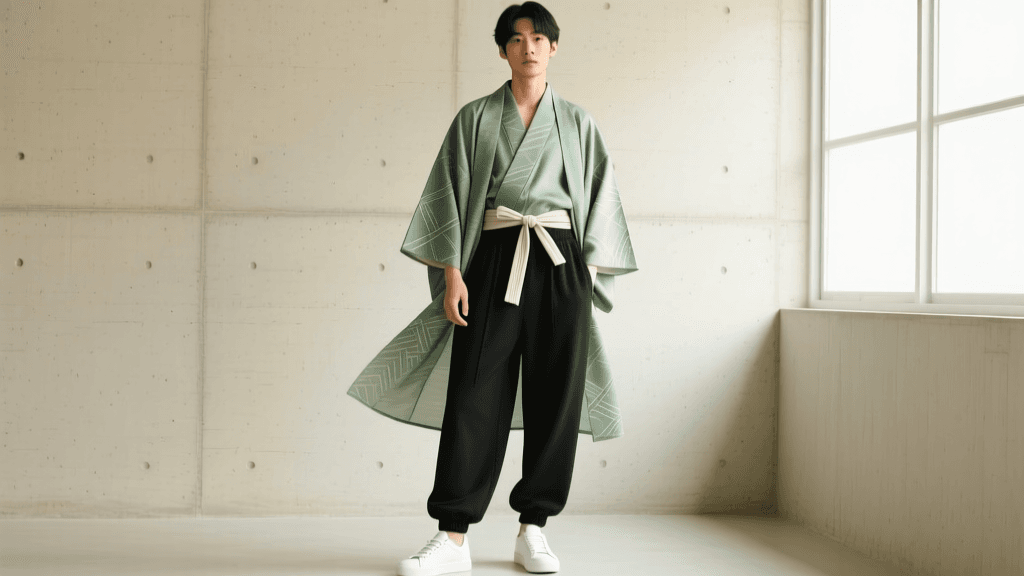
The haori—a hip- or thigh-length jacket worn over a kimono—has emerged as the undisputed champion of 2026 Japanese streetwear. Its open-front design and forgiving silhouette make it the perfect layering piece for transitional weather. To style a haori in a contemporary urban setting, contrast is key.
For a sophisticated techwear aesthetic, pair a mid-thigh length, dark-toned haori with high-waisted, wide-leg cargo trousers and a fitted, ribbed turtleneck. The structural rigidity of the cargo pants grounds the fluid drape of the haori. Alternatively, for a relaxed weekend look, drape a vibrant, upcycled silk haori over a minimalist white t-shirt, straight-leg raw denim, and chunky sneakers. The juxtaposition of the intricate Edo-period motifs against stark, modern basics creates a visually arresting outfit that honors tradition while remaining firmly planted in the present.
Modern Obi Knots and Magnetic Fasteners
The obi (sash) is the anchor of the kimono ensemble, but traditional tying methods can be notoriously difficult for beginners. In 2026, the market has been revolutionized by 'Tsuke Obi' (pre-tied obi) equipped with discreet, high-strength neodymium magnetic clasps. These allow wearers to achieve complex, formal-looking knots in under thirty seconds without the need for a mirror or a dressing assistant.
Essential Knots to Master
- Bunko-Musubi (Butterfly Knot): Ideal for yukata and casual komon kimonos. It sits flat against the back and provides a youthful, playful silhouette.
- Otaiko-Musubi (Drum Knot): The standard for formal and semi-formal wear. It creates a smooth, cylindrical shape at the back and is highly supportive for heavier brocade obis.
- Kai-no-kuchi (Shell Mouth): A sleek, flat knot predominantly used in menswear and modern gender-neutral styling. It sits low on the hips and pairs exceptionally well with haori and hakama combinations.
Motifs and Seasonality in 2026
Wearing the correct motif for the season is a cornerstone of Japanese sartorial etiquette. While traditional rules were incredibly strict, 2026 fashion embraces a more fluid approach to seasonality, focusing on mood and abstract representations of nature. According to cultural guidelines promoted by the Japan National Tourism Organization (JNTO), understanding these motifs enriches the wearer's connection to the garment.
In spring, look for Sakura (cherry blossoms) and Tsubaki (camellia). Summer calls for cooling motifs like Seigaiha (ocean waves) and Asanoha (hemp leaf). Autumn is represented by Momiji (maple leaves) and Kiku (chrysanthemums), while winter features Ume (plum blossoms) and Shochikubai (pine, bamboo, and plum). Modern designers are now blending these traditional motifs with geometric, digital-art-inspired patterns, creating 'seasonless' kimonos that can be worn year-round.
Footwear: Tabi and Zori for Urban Environments
No Japanese ensemble is complete without the appropriate footwear. The split-toe tabi sock and the thonged zori sandal have both received modern upgrades. In 2026, traditional zori are frequently crafted with EVA foam soles and waterproof synthetic weaves, making them durable enough for rainy city streets without sacrificing the traditional aesthetic. For cooler months, padded, quilted tabi boots with rubberized treads offer exceptional warmth and grip, bridging the gap between historical ninja footwear and modern winter boots. Brands like Sou-Sou continue to lead the market, offering vibrant, contemporary tabi designs that complement both full kimono ensembles and Western-style cropped trousers.
Care and Maintenance of Modern Silks
Preserving your garments ensures they remain a staple in your wardrobe for decades. While vintage silks require delicate hand-washing or professional dry cleaning, the 2026 wave of recycled polyesters and brewed proteins are largely machine washable on gentle, cold cycles. Always store your kimono and haori flat or folded along their original seam lines in a breathable cotton storage bag (tatou). Avoid wire hangers, as they will permanently distort the shoulder seams and disrupt the garment's natural, straight-line drape.
Conclusion
The landscape of Japanese traditional fashion in 2026 is a vibrant testament to the adaptability of cultural heritage. By embracing sustainable textiles, mastering modern styling techniques, and respecting the intricate details of measurement and motif, anyone can integrate the kimono and haori into their contemporary wardrobe. These garments are not merely relics of the past; they are living, evolving expressions of art, identity, and sustainable fashion for the future.