Hanfu Travel Guide 2026: Packing Tips & Top Photo Destinations
The 2026 Hanfu Travel Renaissance
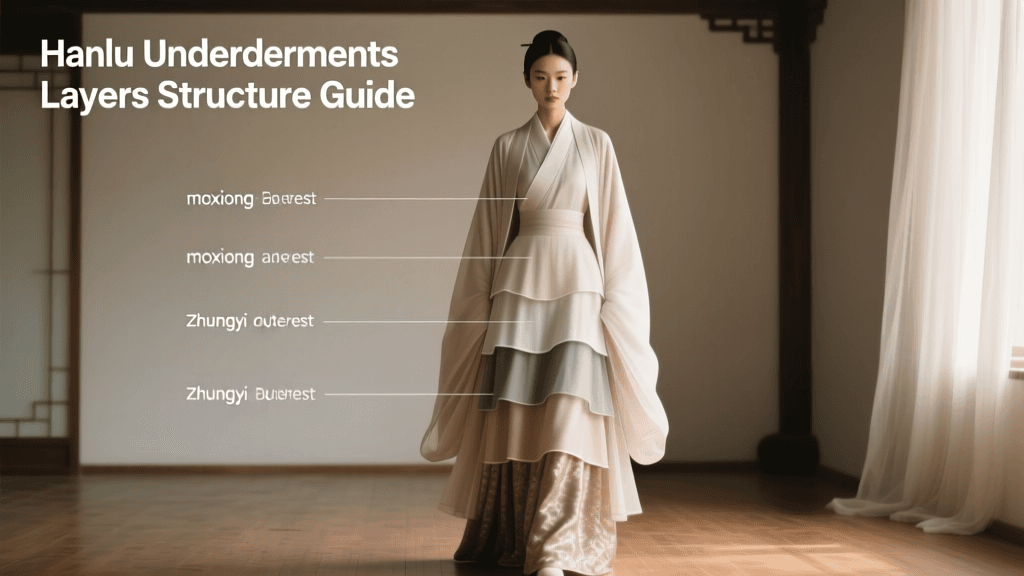
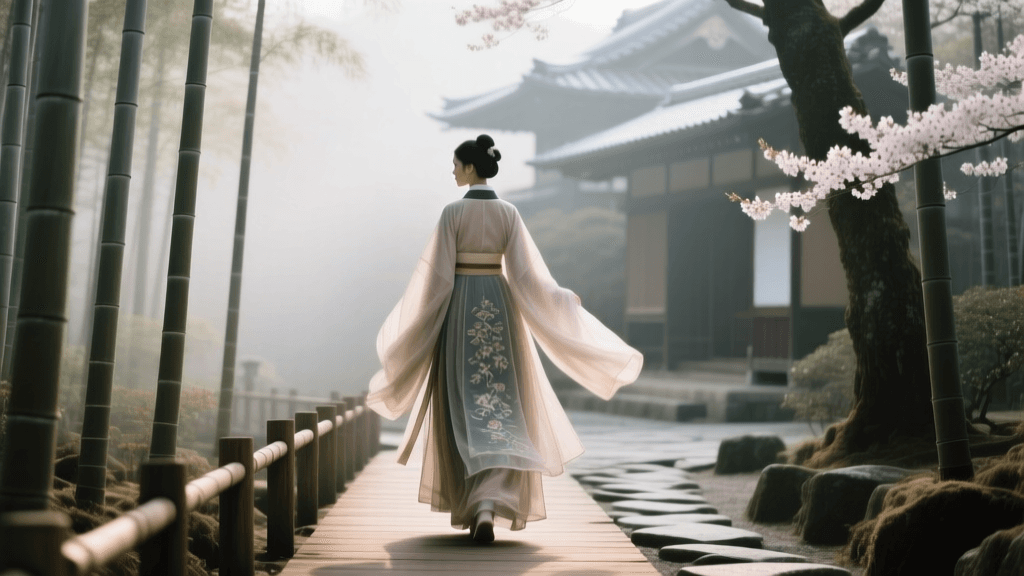
The global fascination with traditional Chinese clothing has evolved from a niche hobby into a mainstream cultural movement. As of 2026, 'Hanfu travel' has become a dominant trend across Asia, with millions of enthusiasts donning historically inspired garments to explore ancient architecture, botanical gardens, and Silk Road heritage sites. However, traveling with delicate textiles like Xiangyunsha (gambiered Canton gauze), heavy brocades, and intricately pleated Mamianqun (horse-face skirts) presents unique logistical challenges. Wrinkled silk, crushed pleats, and unpredictable weather can quickly ruin a highly anticipated photoshoot. This comprehensive 2026 guide provides actionable packing strategies, essential gear recommendations, and a curated list of top destinations for your next Hanfu journey.
Mastering the Pack: Preserving Pleats and Silk
Packing Hanfu requires a departure from standard luggage stuffing. The structural integrity of traditional garments must be protected from the friction and compression of transit.
The Mamianqun Pleat-Alignment Technique
The Mamianqun is renowned for its sharp, knife-edge pleats and flat front-and-back panels. Improper folding will permanently distort the skirt's drape. To pack a Mamianqun in 2026 without losing the pleats:
- Align and Clip: Lay the skirt flat on a clean surface. Align the pleats perfectly and use specialized silicone sewing clips (avoid metal clips that can snag silk threads) to secure the top waistband.
- The Archival Roll: Do not fold the skirt in half. Instead, place a sheet of acid-free archival tissue paper over the pleats. Roll the skirt gently from the bottom hem upward toward the waistband. The tissue paper prevents the silk layers from creating hard crease lines.
- Tube Storage: Slide the rolled skirt into a rigid, cylindrical garment tube. Many premium Hanfu brands now ship their 2026 collections in reusable PVC or hard-cardboard storage tubes specifically designed for this purpose.
Ruqun and the Roll Method
For Ruqun (blouse and wrap skirt ensembles) and Song Dynasty-inspired Beizi (long open-front coats), the 'Ranger Roll' method is highly effective. Fold the sleeves inward to create a rectangular profile, place tissue paper over the fabric, and roll tightly from the collar down. Store these rolls inside packing cubes to prevent them from unraveling in your suitcase.
Essential 2026 Travel Gear for Hanfu Enthusiasts
Investing in the right travel accessories is non-negotiable for serious Hanfu photographers. Here is the 2026 essential kit:
- Away The Garment Bag: For your most expensive, heavily embroidered Ming Dynasty-style Aoqun (jacket and skirt), a dedicated garment bag is essential. The Away Garment Bag features a structured hanger loop and a water-resistant exterior, allowing you to carry your heaviest silks as a separate carry-on item.
- Philips STH3060 Portable Steamer: Hotel irons are a danger to delicate jacquard weaves and metallic thread embroidery. The Philips STH3060 is the 2026 traveler's favorite due to its foldable design, rapid 30-second heat-up time, and precise steam control that safely relaxes silk organza without water-spotting.
- Tide To Go Instant Stain Remover Pens: Street food is an integral part of travel, but a drop of chili oil on a pastel Ruqun is a disaster. Keep a stain pen in your day bag for immediate spot treatment of organic stains on cotton and linen blends.
- Microfiber Lint Rollers: Traditional dark-colored garments, especially those made from velvet or heavy wool blends for winter travel, attract dust and pet hair. A reusable microfiber roller saves space and eliminates the need for disposable sticky sheets.
Top Destinations for Hanfu Photography in 2026
Choosing the right backdrop is just as important as the garment itself. In 2026, several destinations have upgraded their infrastructure to cater specifically to traditional garment tourism, offering dedicated changing rooms, secure lockers, and historically accurate lighting.
1. Luoyang: The Tang Dynasty Immersion
Luoyang, the ancient capital of multiple dynasties, has fully embraced the Hanfu economy. The area surrounding the Longmen Grottoes and the Mingtang Scenic Area is now lined with hundreds of professional styling studios. In 2026, the local government introduced a 'Hanfu Friendly' certification for local businesses, ensuring that restaurants and transit hubs provide garment-safe seating and wider turnstiles for voluminous skirts. The Tang Dynasty-inspired Qixiong Ruqun (chest-high skirts) and elaborate hairpieces look breathtaking against the backdrop of the illuminated Mingtang palace at night.
2. Suzhou: Classical Gardens and Song Dynasty Elegance
For a more subdued, intellectual aesthetic, Suzhou is the ultimate destination. The Classical Gardens of Suzhou, such as the Humble Administrator's Garden and the Master of the Nets Garden, provide unparalleled backdrops for Song Dynasty-style minimalism. The soft, muted tones of Song-era Beizi and pleated skirts complement the intricate lattice windows, koi ponds, and weeping willows. To avoid the massive 2026 tourist crowds, book a private early-morning photography permit, which many gardens now offer exclusively for traditional culture enthusiasts.
3. Xi'an: Silk Road Origins and Ming Dynasty Walls
Xi'an remains the crown jewel of Hanfu travel. As the eastern terminus of the ancient trade routes documented by the UNESCO Silk Roads programme, the city offers a dramatic, monumental backdrop. Cycling the 13.7-kilometer Xi'an City Wall at sunset while wearing a sweeping Ming Dynasty Mamianqun and a Pi Feng (cape) is a bucket-list experience. In 2026, the Datang Everbright City pedestrian zone has expanded its underground climate-controlled walkways, allowing travelers to move between photography studios and outdoor sets without dragging their hems through rain or dust.
Cultural Etiquette and 2026 Studio Booking
As Hanfu tourism has matured, so has the etiquette surrounding it. When visiting active temples or sacred heritage sites, it is crucial to dress modestly. Avoid overly revealing modern adaptations, and ensure your garments are historically respectful. For popular destinations in 2026, walk-in studio bookings are nearly impossible during peak seasons (spring and autumn). Use WeChat Mini Programs to reserve your styling slots, complete with professional makeup and historical hairpin fittings, at least three weeks in advance.
Hanfu Travel Suitability Chart
| Hanfu Style | Best Fabric for Travel | Wrinkle Resistance | Recommended Destination | Packing Difficulty |
|---|---|---|---|---|
| Ming Dynasty Aoqun | Cotton-Linen Blends | High | Xi'an City Wall | Medium |
| Song Dynasty Beizi | Crepe Silk / Chiffon | Medium | Suzhou Gardens | Low |
| Tang Qixiong Ruqun | Silk Organza / Satin | Low | Luoyang Mingtang | High |
| Mamianqun (Horse-face) | Jacquard Weave / Brocade | Medium | Forbidden City, Beijing | High (Requires Tube) |
| Wei-Jin Cross-collar | Ramie / Raw Silk | High | Mount Qingcheng, Sichuan | Low |
Final Thoughts
Traveling with Hanfu in 2026 is more accessible and rewarding than ever before, provided you approach your packing with intention and respect for the textiles. By utilizing rigid tubes for pleated skirts, investing in portable steam technology, and selecting destinations that honor and accommodate traditional dress, you can ensure your garments remain as flawless as the historical sites you visit. Whether you are capturing the ethereal mist of a Suzhou garden or the imposing grandeur of the Silk Road's ancient gates, proper preparation guarantees that your focus remains on the beauty of the culture, not the wrinkles in your silk.