Top Hanfu Museums and Textile Exhibitions in China
The Physical Roots of the Hanfu Revival
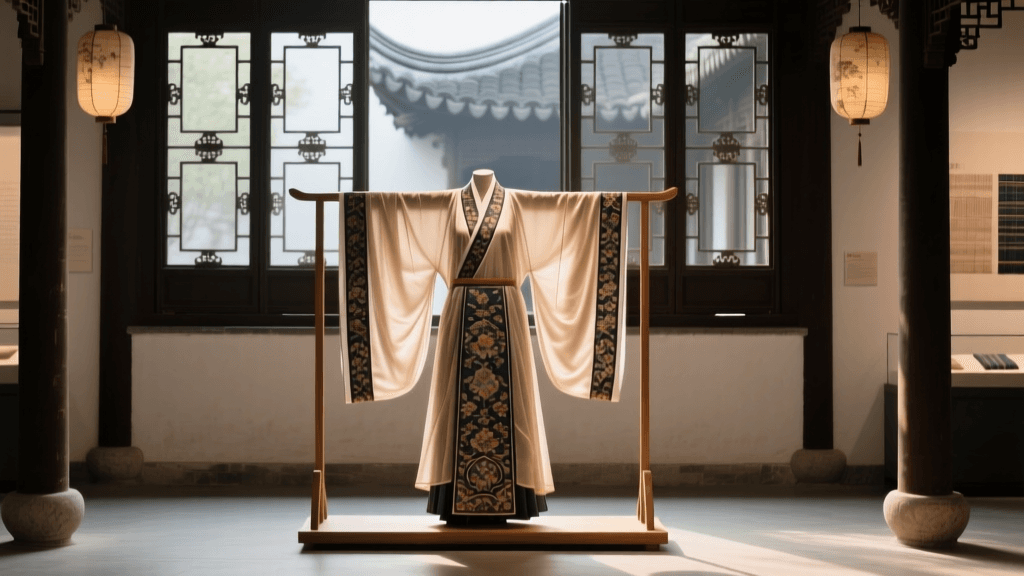
While the contemporary Hanfu movement has been largely propelled by social media, e-commerce platforms, and vibrant digital communities, the true soul of traditional Chinese clothing resides in the quiet, climate-controlled halls of China's premier textile and history museums. For serious Hanfu enthusiasts, textile historians, and cultural tourists, visiting these heritage sites is not merely a sightseeing activity; it is an essential pilgrimage. These institutions house the fragile, surviving remnants of ancient silhouettes, the complex looms that wove historical brocades, and the meticulous replicas that inform modern garment makers.
Understanding the drape of a Han dynasty Shenyi (deep robe) or the structural layering of a Ming dynasty Mamianqun (horse-face skirt) requires seeing these garments in person. According to The Metropolitan Museum of Art's Heilbrunn Timeline of Art History, the evolution of Chinese silk and textile craftsmanship is deeply intertwined with the structural development of traditional dress, making the preservation of these materials a matter of global cultural importance. This guide will walk you through the most vital Hanfu and textile museums in China, offering actionable advice for planning an immersive heritage itinerary.
The Hunan Museum: Mawangdui and the Han Dynasty Silhouette
No exploration of early Hanfu is complete without visiting the Hunan Museum in Changsha. The museum is world-renowned for the Mawangdui Han Dynasty Tombs, which yielded some of the most perfectly preserved textiles from the Western Han period (202 BCE – 9 CE). For Hanfu historians, the crown jewel of this exhibition is the Susha Danyi (plain gauze single-layer gown).
Weighing a mere 49 grams and measuring over 1.2 meters in length, this garment is a masterclass in ancient luo (gauze) weaving techniques. Seeing it in person provides crucial context for modern Hanfu makers attempting to recreate the ethereal, floating silhouettes characteristic of early Han aristocratic dress. The museum also displays intricately embroidered silk fabrics featuring the iconic Changshou (longevity) motifs, offering a direct visual reference for the color palettes and geometric patterns used in modern Han dynasty revival garments.
China National Silk Museum: The Epicenter of Textile History
Located in the scenic West Lake district of Hangzhou, the China National Silk Museum (CNSM) is the largest silk-focused museum in the world and a vital research hub for traditional garment reconstruction. The CNSM frequently hosts the 'Chinese Fashion: A History' exhibition, which traces the evolution of Chinese dress from the Neolithic period through the Qing dynasty.
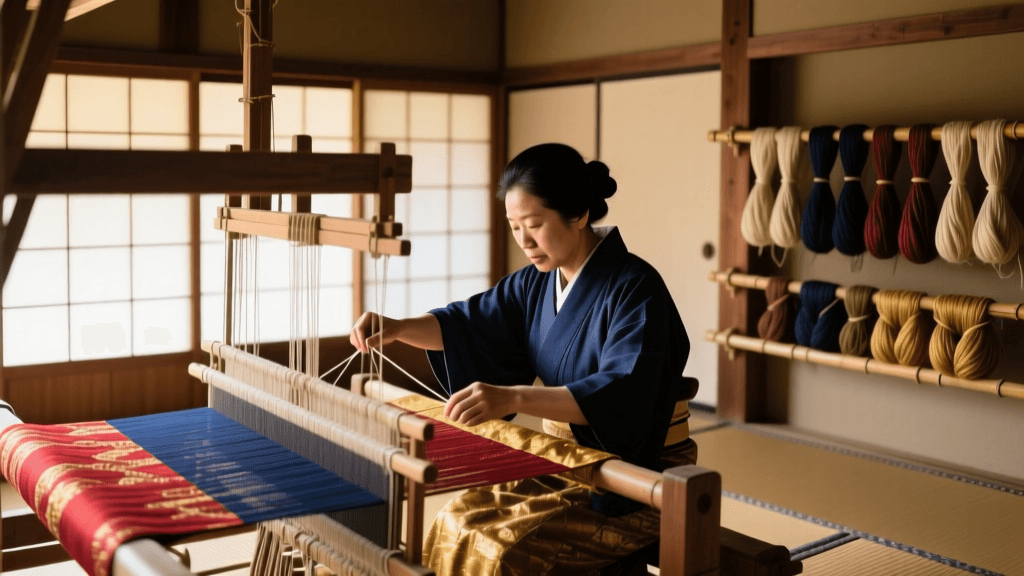
What makes the CNSM indispensable for the Hanfu community is its commitment to the 'Intangible Cultural Heritage' (ICH) of silk weaving. As recognized by the UNESCO Intangible Cultural Heritage registry, traditional sericulture and silk craftsmanship in China involve complex, multi-generational techniques that the museum actively preserves. Here, visitors can observe operational replicas of ancient draw-looms and examine high-fidelity reproductions of Tang dynasty Banbi (half-sleeve jackets) and Song dynasty Beizi (outer coats). The museum's textile conservation lab also occasionally offers public lectures on how fragile excavated garments are stabilized, providing fascinating insights into the decay and preservation of natural dyes.
Chengdu Shu Brocade Museum: Weaving the Three Kingdoms
Sichuan province has been a historic center for silk production since the Shu Han state of the Three Kingdoms period. The Chengdu Shu Brocade Museum focuses specifically on Shujin (Shu brocade), a thick, heavily patterned silk that was historically used for structured outer garments, borders, and ceremonial sashes.
Unlike the lightweight gauzes of the Han dynasty, Shu brocade represents the structural, ornate side of traditional Chinese fashion. The museum features massive, traditional wooden jacquard looms that require two weavers to operate simultaneously. For Hanfu designers, the museum's archive of Ming and Qing dynasty brocade patterns—featuring auspicious clouds, mythical beasts, and floral scrolls—is an invaluable resource for sourcing historically accurate motifs for modern Mamianqun and ceremonial Yuanlingpao (round-collar robes).
Museum Comparison Chart for Hanfu Enthusiasts
| Museum Name | Location | Primary Hanfu Era Focus | Admission Cost | Best Time to Visit |
|---|---|---|---|---|
| Hunan Museum | Changsha, Hunan | Western Han (Gauze, Embroidery) | Free (Reservation required) | Weekday mornings (Spring/Autumn) |
| China National Silk Museum | Hangzhou, Zhejiang | Tang, Song, Ming (Comprehensive) | Free (Reservation required) | Early afternoon, avoid national holidays |
| Chengdu Shu Brocade Museum | Chengdu, Sichuan | Three Kingdoms, Ming, Qing | ~30 RMB (Varies by exhibit) | Weekends (to see live loom demos) |
| Suzhou Silk Museum | Suzhou, Jiangsu | Song, Ming (Kesi tapestry, Satin) | Free (Reservation required) | Mornings during the plum rain season |
Practical Guide: Planning Your Heritage Visit
Visiting these institutions requires careful logistical planning, as China's museum ecosystem has become highly digitized. Here is actionable advice for international and domestic travelers:
- Reservations are Mandatory: Almost all major provincial and national museums in China now require advance booking. You must use their official WeChat Mini-Programs (search the museum's Chinese name in WeChat) to reserve a time slot up to 7 days in advance. Foreign visitors will need to input their passport numbers exactly as they appear on the document.
- Photography Etiquette and Rules: While non-flash photography is generally permitted in permanent exhibition halls, flash photography is strictly prohibited to protect light-sensitive ancient dyes. Tripods and selfie sticks are universally banned. If you are sketching or taking detailed notes for garment reproduction, bring a small notebook and a pencil; many museums prohibit the use of ink pens near the display cases.
- Hiring Expert Guides: Standard audio guides rarely delve into the specific tailoring techniques of historical garments. For a deeper understanding, hire a specialized docent at the museum's service desk. At the China National Silk Museum, you can request English-speaking guides who specialize in textile history, though this must be booked at least 48 hours in advance via email and costs approximately 200-300 RMB per hour.
- Lighting and Observation: Exhibition halls are kept intentionally dim to preserve the textiles. Bring a small, non-illuminated magnifying glass to observe the weave density (thread count) of historical brocades and gauzes through the glass. This is particularly useful for studying the Kesi (cut silk) tapestry techniques used in Song and Ming dynasty borders.
'To truly understand the drape and movement of a historical garment, one must study the tension of the loom and the twist of the thread. The museum is not a graveyard for clothes, but a library of engineering.' — Curator of Textile Conservation, China National Silk Museum.
Experiencing Intangible Cultural Heritage Live
Beyond static displays, the modern Hanfu movement thrives on the living传承 (transmission) of these crafts. Many of these museums host temporary 'living exhibitions' where master artisans demonstrate intangible cultural heritage techniques. For example, during the annual Hangzhou Silk Cultural Festival, the CNSM invites masters of Luo (gauze) weaving to demonstrate the complex leno weave structures that create the breathable, patterned meshes seen in high-end summer Hanfu.
Similarly, the Nanjing Yunjin (Cloud Brocade) Institute, often collaborating with national museums, showcases the weaving of the heavy, gold-threaded silks used in Ming dynasty imperial court dress. Attending these live demonstrations allows Hanfu designers to understand the physical limitations and structural possibilities of traditional looms, ensuring that modern reproductions remain historically grounded rather than relying purely on digital printing and modern synthetic blends.
Conclusion
The preservation and exhibition of traditional Chinese garments in these world-class museums provide the foundational research necessary for the ongoing Hanfu revival. By stepping away from digital screens and engaging directly with the surviving artifacts, textile fragments, and operational looms of China's heritage sites, enthusiasts and designers can bridge the gap between ancient craftsmanship and modern cultural expression. Whether you are marveling at the impossibly light gauze of the Han dynasty or tracing the intricate gold threads of a Ming brocade, these museums offer an indispensable, tangible connection to the sartorial history of Asia.