Sustainable Kimono Fashion: Ethical Silk And Natural Dyes
The Evolution of Sustainable Kimono Production
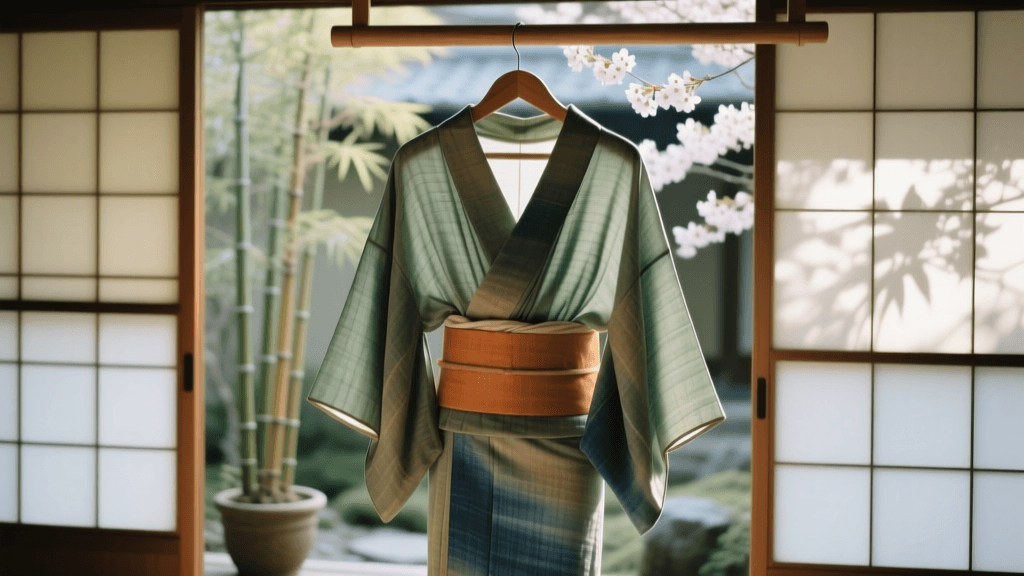
The kimono is globally recognized as a masterpiece of Japanese heritage, representing centuries of artistic evolution, meticulous craftsmanship, and deep cultural symbolism. However, as the global fashion industry faces a reckoning regarding its environmental and ethical footprint, the traditional garment sector is also undergoing a vital transformation. Sustainable kimono production is no longer a niche concept; it is a growing movement that seeks to preserve ancient techniques while adapting to modern ecological and ethical standards. From the cultivation of silk to the dyeing processes and the eventual lifecycle of the garment, eco-conscious artisans and consumers are redefining what it means to wear traditional Japanese clothing.
For collectors, cultural enthusiasts, and eco-conscious fashion lovers, understanding the nuances of sustainable kimono production is essential. This guide explores the shift toward ethical silk, the revival of natural botanical dyes, the inherent zero-waste geometry of kimono tailoring, and actionable advice for sourcing garments that honor both the planet and Japanese tradition.
The Inherent Zero-Waste Geometry of the Kimono
Before examining modern sustainable interventions, it is crucial to recognize that the kimono is inherently a zero-waste garment. Unlike Western pattern cutting, which typically wastes between 15% and 20% of the fabric due to curved seams and armholes, the kimono is constructed from a single bolt of fabric known as a tanmono.
A standard tanmono measures approximately 36 centimeters in width and 12 meters in length. The fabric is cut into straight, rectangular panels—two body panels, two sleeve panels, and narrower strips for the collar and overlapping front edges. Because the cuts are entirely linear, there is virtually no textile waste generated during the tailoring process. Furthermore, the kimono is stitched using a technique that allows it to be completely unspooled, washed, and re-tailored (shitate-naoshi) multiple times over generations. This built-in circularity is a foundational pillar of sustainable kimono fashion, offering a stark contrast to the planned obsolescence of modern fast fashion.
Ethical Silk: The Rise of Ahimsa (Peace) Silk
Traditional sericulture, the process of producing silk, involves boiling the silkworm cocoons with the pupae still inside to ensure the silk filament remains unbroken. While this yields the long, continuous threads prized for high-end yuzen dyed kimonos, it raises significant ethical concerns regarding animal welfare. In response, the sustainable kimono market has seen a gradual but impactful introduction of Ahimsa silk, commonly known as 'peace silk.'
Ahimsa silk is harvested only after the silkworm has naturally metamorphosed into a moth and emerged from the cocoon. Because the emerging moth breaks the silk filament, the resulting yarn must be spun rather than reeled, giving peace silk a slightly different texture—often resembling a soft, matte linen or raw silk rather than the high-gloss finish of traditional habutae silk. According to standards monitored by organizations like the Textile Exchange, ethical silk production also emphasizes organic mulberry farming, avoiding the heavy pesticides and synthetic fertilizers that degrade local soil and water tables.
Practical Considerations for Ethical Silk Kimonos
- Cost: Expect to pay a premium of 20% to 40% for Ahimsa silk. A standard silk kimono might start around ¥150,000 ($1,000 USD), whereas a peace silk kimono from an ethical artisan typically ranges from ¥200,000 to ¥350,000.
- Texture and Drape: Peace silk has a more textured, nubby feel. It drapes beautifully but lacks the glass-like sheen of conventionally reeled silk, making it ideal for rustic, wabi-sabi aesthetics and matte-finish botanical dyeing.
- Timing: Because the moths must emerge naturally and the shorter fibers require meticulous hand-spinning, sourcing a custom peace silk tanmono can add two to three months to the production timeline.
Natural Dyes: Aizome and Botanical Pigments
The vibrant colors of vintage kimonos were historically achieved through natural plant dyes. However, the Meiji period introduced synthetic aniline dyes, which offered brighter, more colorfast results at a fraction of the cost and time. Today, synthetic dye runoff is a major contributor to global water pollution. Sustainable kimono production is reversing this trend by returning to botanical pigments, championed by artisans recognized by the Ministry of Economy, Trade and Industry (METI) for preserving traditional crafts.
Aizome (Natural Indigo): Derived from the fermented leaves of the Japanese indigo plant (Persicaria tinctoria), natural indigo is renowned not just for its deep, living blues, but for its antibacterial and insect-repellent properties. The fermentation process, which can take weeks to cultivate in a traditional sukumo vat, is entirely biodegradable. As documented in cultural preservation programs by NHK World Japan, master dyers in regions like Tokushima treat their indigo vats as living organisms, feeding them with sake and wood ash to maintain the perfect alkaline pH.
Kakishibu (Persimmon Tannin): Another highly sustainable dye is Kakishibu, made from the fermented juice of unripe persimmons. It produces a beautiful, earthy brown hue and acts as a natural waterproofer and fabric strengthener, extending the lifespan of the textile.
Comparison: Synthetic vs. Natural Dyes in Kimono Production
| Criteria | Synthetic Chemical Dyes | Natural Botanical Dyes (Aizome/Kakishibu) |
|---|---|---|
| Environmental Impact | High; toxic runoff, heavy metal mordants | Low; biodegradable, compostable vats |
| Color Evolution | Static; fades uniformly and poorly | Dynamic; ages beautifully, develops patina |
| Production Time | Hours; highly predictable | Weeks to months; weather and pH dependent |
| Cost Premium | Base market price | +30% to 60% premium for artisan labor |
| Skin Sensitivities | Can cause contact dermatitis | Hypoallergenic, naturally antibacterial |
Care and Maintenance for Naturally Dyed Garments
Owning a naturally dyed kimono requires a shift in maintenance habits. Botanical dyes are highly sensitive to pH levels and ultraviolet light. To preserve the integrity of an Aizome or madder-dyed kimono, avoid standard alkaline laundry detergents, which will strip the color and turn indigo a dull, muddy gray. Instead, rely on professional dry cleaners who specialize in maruarai (traditional kimono washing) and explicitly state their experience with natural dyes.
When storing naturally dyed silk, avoid plastic covers, which trap moisture and cause mold. Wrap the kimono in tatoushi—traditional, acid-free Japanese paper—which allows the fabric to breathe while protecting it from ambient light and dust. Keep the garment in a dark, well-ventilated drawer, and air it out in the shade during the dry autumn and winter months to prevent mustiness.
The Circular Economy: Upcycling and Remake Kimonos
Sustainability is not solely about new production; it is equally about extending the life of existing garments. The 'Remake Kimono' movement is a thriving sector of the circular fashion economy in Japan. Artisans and modern designers are upcycling damaged, stained, or unwearable vintage kimonos into modern garments, accessories, and contemporary two-piece kimono suits.
For the international consumer, purchasing a high-quality vintage silk kimono is one of the most sustainable fashion choices available. A pristine vintage silk kimono can be sourced from specialized dealers in Kyoto or Tokyo for as little as ¥10,000 to ¥30,000 ($70 to $200 USD). If the garment does not fit, the zero-waste construction allows it to be entirely unspooled and re-tailored to your exact measurements. Custom tailoring (shitate) for a recycled tanmono typically costs between ¥40,000 and ¥60,000 and takes about four to six weeks, resulting in a bespoke, eco-friendly garment that costs significantly less than a brand-new, mass-produced alternative.
A Consumer’s Guide to Sourcing Sustainable Kimonos
When investing in a sustainable kimono, transparency is key. Here is an actionable checklist for identifying ethical production:
- Ask About the Mordant: If purchasing a naturally dyed piece, ask the artisan what mordant (the substance used to set the dye) was used. Sustainable artisans use alum, iron, or wood ash, avoiding toxic heavy metals like chrome or tin.
- Verify the Silk Origin: Look for certifications or direct relationships with organic silk farms. Domestically produced Japanese silk (kokusan) often adheres to stricter environmental regulations than imported, mass-market silk.
- Support Regional Artisans: Seek out weaving cooperatives in regions like Ojiya (famous for breathable, sustainable ramie and linen textiles like Ojiya-chijimi) or Kurume (known for sustainable cotton kasuri), which naturally require less water and chemical intervention than delicate silks.
Conclusion
The intersection of Asian traditions and modern sustainability offers a profound blueprint for the future of global fashion. By embracing ethical peace silk, reviving the ancient alchemy of natural indigo and botanical dyes, and participating in the circular economy of vintage upcycling, consumers can help ensure that the art of the kimono survives for centuries to come. Sustainable kimono production proves that true luxury is not defined by mass consumption, but by mindful creation, ecological harmony, and a deep respect for the natural world.