Kyoto Kimono Rental Guide: Costs, Styles, and Etiquette
The Magic of Kyoto in Traditional Attire
Wandering through the historic, preserved streets of Kyoto in a traditional kimono is a quintessential Japanese travel experience. The city's wooden machiya townhouses, ancient Shinto shrines, and serene Zen gardens provide an unparalleled backdrop for immersive cultural tourism. However, navigating the myriad of rental shops, understanding the complex layers of the garment, and adhering to cultural etiquette can be overwhelming for first-time visitors. This comprehensive guide breaks down everything you need to know about kimono rentals in Kyoto, ensuring your experience is as respectful as it is memorable.
Why Choose Kyoto for Your Kimono Experience?
While you can rent traditional garments in Tokyo or Kanazawa, Kyoto remains the undisputed capital of Japanese heritage tourism. According to the Kyoto City Tourism Association, the city receives tens of millions of visitors annually, many of whom participate in cultural dress-up experiences. The infrastructure in Kyoto is uniquely tailored to kimono wearers; streets in the Higashiyama district are lined with rental shops, and local cafes, temples, and even rickshaw drivers are accustomed to accommodating guests in traditional attire. Furthermore, the Japan National Tourism Organization (JNTO) actively promotes Kyoto as the premier destination for experiencing living Japanese traditions, noting that the garment transforms a simple sightseeing trip into a deeply personal connection with history.
Decoding Kimono Styles: A Tourist's Comparison Chart
When you arrive at a rental shop, you will be presented with various options. Understanding the terminology will help you choose the right garment for your itinerary, the season, and your budget. Below is a comparison chart of the most common rental options available to tourists.
| Garment Type | Description & Characteristics | Best For | Average Daily Cost (JPY) |
|---|---|---|---|
| Komon | Casual silk or polyester kimono with repeating, all-over patterns. Shorter sleeves. | Everyday strolling, casual sightseeing, cafe hopping. | ¥3,000 - ¥5,000 |
| Furisode | Highly formal, vibrant silk with long, swinging sleeves (up to 114cm). | Professional photoshoots, special celebrations, winter/spring. | ¥7,000 - ¥12,000 |
| Hakama | Pleated, skirt-like trousers worn over a kimono, tied at the waist. | Graduation season (March), scholarly or samurai aesthetic. | ¥5,000 - ¥8,000 |
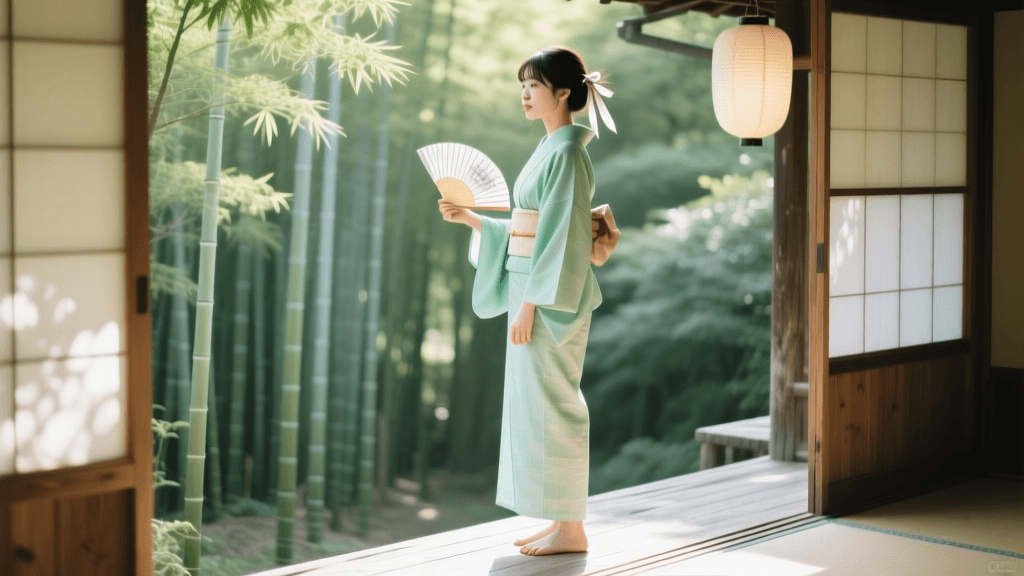
| Yukata | Lightweight, unlined cotton garment. Worn without complex undergarments. | Summer festivals, fireworks, Gion Matsuri (July/August). | ¥2,500 - ¥4,000 |
Seasonal Considerations
The Nippon.com cultural guides frequently highlight the importance of seasonal awareness in Japanese fashion. In the sweltering heat of July and August, rental shops will transition almost exclusively to yukata. Conversely, if you visit between December and February, shops provide haori (traditional jackets), fleece-lined undergarments, and plush stoles to ensure you do not freeze while exploring open-air temple grounds.
The Rental Process: From Booking to the Streets
A typical kimono rental experience takes about two to three hours from the moment you walk into the shop to the moment you step outside. Here is what you can expect:
- Booking and Arrival: It is highly recommended to book online in advance, especially during peak seasons like the autumn foliage (November) or cherry blossom season (late March to early April). Arrive at your scheduled time, usually between 9:00 AM and 10:00 AM, to beat the crowds.
- Selecting Your Garment: You will browse racks of kimono, obi (sashes), and accessories. Staff can help you coordinate colors based on color theory and seasonal motifs.
- The Kitsuke (Dressing) Process: A professional dresser will guide you through the layers. This starts with the hadajuban (innermost undergarment), followed by the nagajuban (secondary robe), and finally the main kimono. The dresser will pull the fabric taut, ensuring a cylindrical silhouette, which is the traditional ideal.
- Obi Tying: You will choose an obi knot style. The otaiko (drum knot) is standard and elegant, while younger tourists often opt for the fukura-suzume (sparrow knot) or decorative ribbon styles for a cuter aesthetic.
- Hair Styling and Accessories: Most shops offer hair-setting services for an extra fee. You will then select a kinchaku (drawstring bag), zori (sandals), and a parasol or umbrella.
Understanding the Costs and Hidden Add-Ons
While base rental fees are generally affordable, the final price can escalate with add-ons. Here is a breakdown of potential costs to help you budget effectively:
- Base Rental: ¥3,000 to ¥5,000 (Includes kimono, obi, basic socks, and sandals).
- Hair Styling: ¥1,000 to ¥2,000 (Highly recommended if you have long hair, as modern hairstyles clash with the traditional neckline).
- Obi Upgrades: ¥500 to ¥1,500 (Upgrading from a standard polyester sash to a vintage silk or brocade obi).
- Photography Packages: ¥5,000 to ¥15,000 (Many shops have in-house studios or partner with local photographers for outdoor shoots in nearby gardens).
- Collar Inserts (Eri-sugata): ¥300 (A fake collar that mimics the look of multiple layered robes without the bulk).
Navigating Kyoto's Best Kimono-Friendly Districts
Higashiyama and Gion
The area surrounding Kiyomizu-dera Temple, specifically the preserved slopes of Ninenzaka and Sannenzaka, is the most popular rental hub. Renting a shop here allows you to walk out directly into a historic streetscape. However, be prepared for heavy foot traffic. Early morning is essential here if you want unobstructed photographs.
Arashiyama
Located in western Kyoto, Arashiyama is famous for its towering Bamboo Grove and the Togetsukyo Bridge. Rental shops near the Saga-Arashiyama train station cater to tourists wanting a more nature-focused backdrop. The wide promenades here are slightly easier to navigate in restrictive footwear than the steep, stone-paved steps of Higashiyama.
Cultural Etiquette: Wearing the Garment with Respect
Wearing a kimono is a privilege and an opportunity to participate in Japanese culture. To show respect, tourists must adhere to a few fundamental rules of kitsuke and behavior.
'The most critical rule of wearing a kimono is the alignment of the collar. The left side of the collar must always overlap the right side. Crossing it right-over-left is strictly reserved for dressing the deceased for burial and is considered highly inauspicious and disrespectful in daily life.'
While rental shop dressers will ensure your collar is correct, it is important not to adjust it yourself and accidentally reverse the overlap. Additionally, maintain good posture. The kimono is designed to restrict large, sweeping movements. Walk with smaller steps, keep your elbows relatively close to your body, and avoid slouching, which ruins the straight line of the obi. When sitting, gently gather the back of your skirt to avoid crushing the delicate obi knot against the chair.
Practical Tips for Comfort, Weather, and Photography
Managing Footwear and Blister Prevention
The zori sandals and tabi (split-toe socks) provided by rental shops can cause severe blisters if you are not accustomed to them. Bring a few band-aids in your drawstring bag. If you are visiting in winter, you can wear your own warm, dark-colored socks over or instead of the thin rental tabi, though traditional white is preferred for authenticity.
Using the Restroom
Navigating a public restroom in a kimono requires strategy. Always use a Western-style stall if available. Before entering, use the provided kimono clip (or a large hair claw clip) to gather the front panels of your skirt and secure them to your obi, ensuring the fabric does not drag on the floor.
Posing for Photographs
To capture the elegance of the garment, avoid standing squarely facing the camera with your feet apart. Instead, stand at a slight angle, place one foot slightly behind the other, and keep your knees together. When holding your parasol or bag, rest your hands gently in front of your obi. This creates a demure, traditional silhouette that honors the aesthetic principles of Japanese fashion.
Conclusion
Renting a kimono in Kyoto is more than just a photo opportunity; it is a tactile immersion into centuries of textile artistry and cultural philosophy. By understanding the styles, budgeting for the full experience, and observing proper etiquette, you ensure that your participation in this beautiful tradition is both deeply respectful and profoundly unforgettable. Whether you are sipping matcha in a Gion teahouse or listening to the wind through the Arashiyama bamboo, the kimono transforms your journey into a living piece of Japanese history.