Sustainable Kimono Fashion: Ethical Silk and Eco-Dyes

The Hidden Environmental Cost of Traditional Garments
The kimono is globally recognized as a masterpiece of Japanese artistry, culture, and sartorial elegance. However, beneath the intricate embroidery and vibrant hues lies a complex environmental footprint. Conventional sericulture (silk farming) and modern synthetic dyeing processes are resource-intensive, often relying on heavy water consumption, chemical mordants, and energy-heavy manufacturing. As the global fashion industry faces a reckoning regarding its ecological impact, a new wave of artisans, designers, and consumers are championing sustainable kimono production. This movement focuses on ethical silk, botanical eco-dyes, and the circular economy of vintage upcycling.
Zero-Waste by Design: The Traditional Tanmono
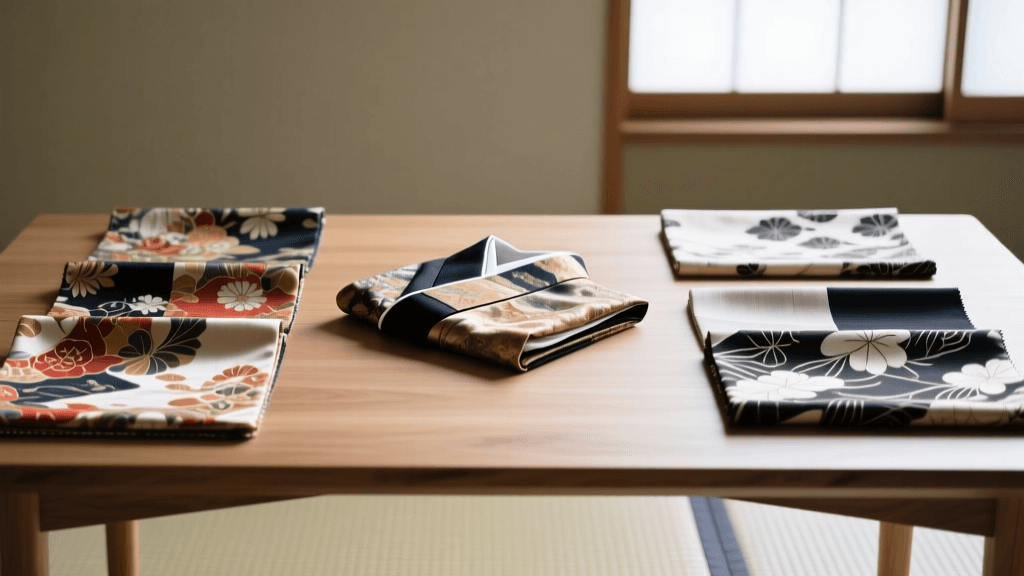
Before addressing modern sustainable innovations, it is crucial to recognize that the kimono is inherently a zero-waste garment. Unlike Western tailoring, which cuts curved shapes from wide fabrics and discards the remnants, a kimono is constructed from a single bolt of fabric known as a tanmono. This bolt measures approximately 38 centimeters (15 inches) in width and 12 meters (13 yards) in length. The garment is cut in straight lines and stitched together. When a kimono is taken apart for cleaning or resizing, the fabric returns to its original rectangular state, leaving virtually no textile waste behind. According to the Victoria and Albert Museum (V&A), this structural ingenuity not only preserves the integrity of the precious silk but also allows the garment to be easily resized, repaired, and passed down through generations, embodying the truest form of sustainable fashion.
The Rise of Ethical Silk and Vegan Alternatives
Conventional silk production involves boiling the silkworm cocoons with the pupae inside to prevent the moth from breaking the continuous silk thread. Ethical silk, often referred to as Ahimsa or "peace silk," allows the moth to emerge naturally before the cocoon is harvested. While this results in shorter fibers that require spinning rather than reeling, it aligns with cruelty-free and ethical fashion standards. An Ahimsa silk kimono typically costs between $800 and $2,500, reflecting the labor-intensive spinning process.
For vegan consumers, Japanese artisans are increasingly turning to plant-based alternatives. Hemp (asa) and ramie have been used in Japan for centuries, particularly for summer yukata and working-class garments. Today, modern weavers are blending organic cotton with traditional hemp to create breathable, biodegradable kimono fabrics that require significantly less water and zero pesticides compared to conventional cotton or mulberry tree cultivation.
Botanical Eco-Dyes: Reviving Japan’s Heritage
The shift away from petrochemical-based synthetic dyes is perhaps the most vibrant aspect of the sustainable kimono movement. Natural dyeing, or kusaki-zome, utilizes plant matter, bark, roots, and minerals. The most famous of these is aizome (Japanese indigo). The process begins with fermenting the leaves of the Persicaria tinctoria plant to create sukumo, a process that takes roughly 90 days. The dye vat must be fed and maintained daily with natural ash lye and sake. Achieving a deep, colorfast indigo requires dozens of dips and oxidations over several weeks.
Other traditional eco-dyes include:
- Kakishibu (Persimmon Tannin): Creates a durable, water-resistant brownish-orange hue that strengthens the fabric fibers.
- Koketsu (Madder Root): Yields rich reds and pinks, traditionally used for auspicious occasions.
- Kurume (Chestnut Hulls): Provides deep, earthy browns and greys with excellent UV resistance.
As highlighted by the Japan National Tourism Organization (JNTO), the preservation of these natural dyeing techniques is not just an environmental imperative but a vital effort to protect Japan's intangible cultural heritage from the brink of extinction.
Upcycling and the Circular Kimono Economy
With millions of vintage kimonos sitting unused in Japanese tansu (wooden chests), upcycling has become a cornerstone of sustainable kimono fashion. Artisans are deconstructing damaged or stained vintage silk kimonos to create modern haori (jackets), obi bags, and two-piece contemporary sets. By purchasing a vintage silk kimono (typically ranging from $50 to $300) and having it professionally restyled (costing $150 to $400), consumers can acquire a bespoke, eco-friendly garment for a fraction of the cost of new silk, while diverting textiles from landfills.
Material and Dye Comparison Chart
| Material / Dye | Environmental Impact | Durability & Care | Average Cost (USD) |
|---|---|---|---|
| Conventional Silk & Synthetic Dye | High (chemical runoff, intensive water use, ethical concerns) | High durability, requires chemical dry cleaning | $400 - $3,000+ |
| Ahimsa (Peace) Silk & Natural Dye | Low (cruelty-free, biodegradable, non-toxic) | Moderate, requires gentle hand-washing or eco-cleaning | $800 - $2,500 |
| Organic Hemp/Cotton & Botanical Dye | Very Low (regenerative farming, zero toxic runoff) | Highly durable, machine washable on gentle cycles | $300 - $900 |
| Upcycled Vintage Silk | Negative (diverts waste, zero new resource extraction) | Variable (depends on original garment age and storage) | $200 - $700 (incl. restyling) |
Actionable Buying Guide for the Eco-Conscious Consumer
When shopping for a sustainable kimono, whether in Kyoto, Tokyo, or online, ask specific questions to verify the garment's ethical claims. Inquire about the origin of the silk and whether the artisan uses kusaki-zome (plant dyes) or synthetic chemical dyes. The Ministry of Economy, Trade and Industry (METI) certifies traditional crafts, and looking for the official Traditional Craft Mark can help you identify authentic, heritage-made textiles that support local artisanal ecosystems rather than mass-produced overseas imitations.
Eco-Friendly Maintenance and Storage
Caring for a sustainable kimono requires abandoning harsh chemical dry cleaning, which uses perchloroethylene (PERC), a toxic environmental pollutant. Instead, opt for the following maintenance routine:
- Airing Out: After wearing, hang the kimono in a shaded, well-ventilated area for 24 hours to release moisture and odors.
- Spot Cleaning: Use a mild, pH-neutral castile soap and a damp cloth to gently dab at localized stains. Never rub the silk aggressively.
- Proper Storage: Never store silk in plastic bags, which trap moisture and cause mold (kabi). Wrap the kimono in tatou-shi (traditional acid-free Japanese paper) or unbleached cotton, and store it flat in a wooden drawer with natural camphor or cedar blocks to deter insects without the use of toxic mothballs.
Conclusion
The transition toward sustainable kimono production is not a rejection of tradition, but rather a return to its most authentic roots. Before the industrial revolution, all kimonos were crafted from natural fibers, woven by hand, and dyed with the flora of the Japanese archipelago. By supporting ethical silk farmers, natural dyers, and vintage upcyclers, modern consumers can ensure that the kimono remains a living, breathing testament to both cultural heritage and environmental stewardship.