Sustainable Cheongsam Trends in 2026 Global Fashion Media
The Evolution of the Qipao in Global Fashion Media
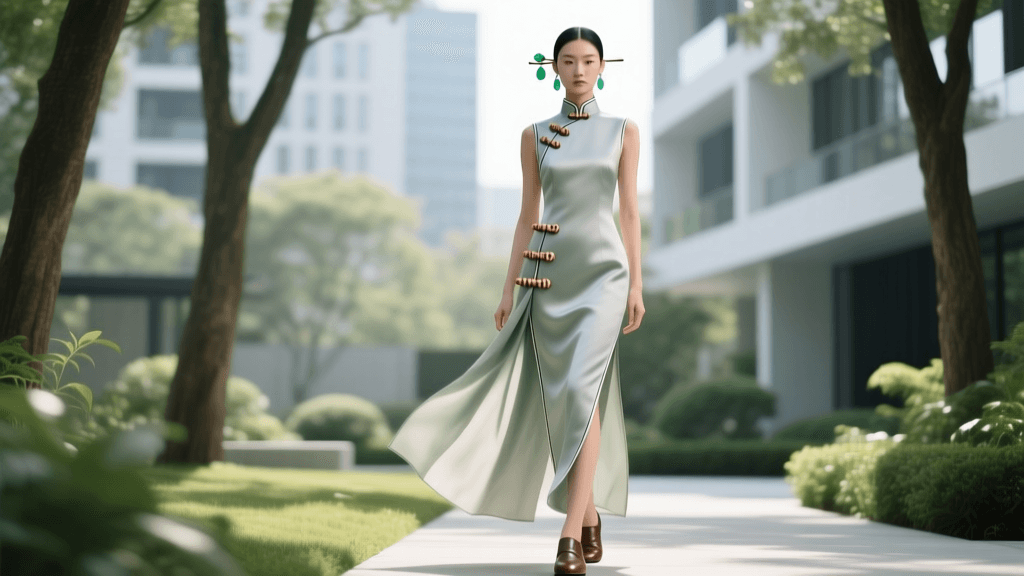
The cheongsam, widely known in Western media as the qipao, has transcended its origins to become a staple of global high fashion. As we navigate the 2026 editorial calendar, leading fashion publications are no longer treating this traditional Asian garment merely as a historical artifact or a static cultural costume. Instead, the cheongsam is being celebrated as a dynamic, evolving canvas for modern sartorial expression and sustainable innovation. According to historical archives detailed by The Metropolitan Museum of Art, the qipao's journey from a loose-fitting, modest garment of the Qing dynasty to the form-fitting, modernized silhouette of 1930s Shanghai laid the groundwork for its continuous reinvention. In 2026, global fashion media is pushing this reinvention further, focusing heavily on eco-conscious textiles, structural deconstruction, and cross-cultural tailoring.
Major fashion houses and independent designers alike are presenting the cheongsam on global runways and in high-profile editorial spreads. The narrative in 2026 has shifted from mere cultural appreciation to active material innovation, where the traditional silhouette serves as a testing ground for next-generation sustainable fabrics. This shift is heavily documented in the pages of Vogue, Harper's Bazaar, and Elle, where fashion critics are praising the seamless blend of Eastern heritage and Western avant-garde styling.
The 2026 Shift: Sustainable Textiles Take Center Stage
The most significant trend in 2026 global fashion media coverage of the cheongsam is the aggressive pivot away from traditional, resource-heavy silks and synthetic brocades toward sustainable, circular textiles. The environmental impact of traditional silk production and the microplastic shedding of synthetic jacquards have led top stylists and editors to demand eco-friendly alternatives. As highlighted by research from the Ellen MacArthur Foundation, the fashion industry's transition to circular economies is no longer a niche preference but a baseline requirement for high-profile editorial features in 2026.
In recent 2026 editorial shoots, we are seeing a massive surge in the use of Piñatex (pineapple leaf fiber leather) and Mylo (mycelium-based mushroom leather) crafted into structured cheongsam bodices. These materials offer the rigid, architectural support required for the garment's iconic high collar and asymmetrical closures without the environmental toll of animal leather or petroleum-based vinyls. Furthermore, 'peace silk' (Ahimsa silk), harvested without harming the silkworm, has become the standard for flowing, draped qipao skirts featured in luxury lifestyle magazines.
Upcycled materials are also making waves. Denim cheongsams crafted from deadstock Levi's and post-consumer recycled cotton have been featured in street-style editorials, proving that the garment can transcend formalwear and enter the realm of high-end, sustainable urban fashion.
Editorial Fabric Preferences and Styling Data for 2026
To understand how global media is prioritizing different materials this year, we analyzed editorial features from top-tier fashion publications over the first two quarters of 2026. The data reveals a clear preference for innovative, sustainable textiles over traditional counterparts.
| Material Category | 2026 Media Feature Rate | Avg. Editorial Rental Cost | Primary Styling Application |
|---|---|---|---|
| Mycelium Leather (Mylo) | 34% | $850 - $1,200 | Structured bodices, avant-garde collars |
| Peace Silk (Ahimsa) | 28% | $600 - $900 | Draped skirts, fluid eveningwear |
| Upcycled Deadstock Denim | 18% | $400 - $650 | Street-style, casual editorial layering |
| Piñatex (Pineapple Leather) | 12% | $700 - $1,000 | Textured outerwear, hybrid jackets |
| Traditional Silk Brocade | 8% | $500 - $800 | Heritage retrospectives, bridal features |
Deconstructing the Silhouette: Pankou and Collar Engineering
Beyond fabrics, the physical construction of the cheongsam is being reimagined for the 2026 editorial eye. The pankou (traditional knotted buttons) and the Mandarin collar (yuanbao collar) are the two most defining structural elements of the qipao. In 2026, fashion media is highlighting designers who are radically re-engineering these components.
The Pankou Revolution
Historically, pankou knots were meticulously hand-rolled from silk bias tape. While this artisanal technique is still revered, 2026 editorials are showcasing oversized, sculptural pankou made from 3D-printed biodegradable polymers and carved sustainably sourced bamboo. These oversized knots serve not just as functional closures, but as the primary focal point of the garment, often cascading down the shoulder and wrapping around the ribcage in dramatic, asymmetrical patterns. Stylists are pairing these exaggerated knots with minimalist, matte-finish fabrics to ensure the hardware remains the star of the photographic spread.
Mandarin Collar Precision
The traditional Mandarin collar is notoriously unforgiving, often causing discomfort and restricting movement—a major issue for dynamic editorial photography. In 2026, patternmakers have introduced the 'articulated yuanbao collar.' By incorporating hidden micro-gussets and utilizing memory-wire interlining wrapped in organic cotton, the collar maintains its rigid, upright profile on camera while allowing the model full cervical mobility. Fashion critics have praised this engineering feat, noting that it allows for more expressive, high-movement poses without compromising the garment's regal silhouette.
Actionable Guide: Sourcing and Styling the Modern Qipao for 2026 Shoots
For fashion stylists, costume designers, and editorial producers looking to feature the modern cheongsam in upcoming 2026 campaigns, understanding the nuances of sourcing and fitting is critical. The margin for error in a qipao is significantly smaller than in Western draped garments. Below is a practical guide to ensuring a flawless editorial result.
- Sourcing Sustainable Artisans: Move away from mass-market suppliers. Partner with specialized studios in Shanghai and Hangzhou that have certified circular supply chains. Look for studios utilizing zero-waste pattern cutting, which is highly favored by 2026 fashion editors. Allow a minimum of 10 to 14 weeks for bespoke sustainable pieces, as eco-friendly textiles like Mylo require specialized handling and sewing machine tension adjustments.
- The 2-Centimeter Ease Rule: When taking measurements for a form-fitting editorial qipao, ensure exactly 2 centimeters of ease across the bust and hips. Any less, and the fabric will pull, creating unflattering tension lines across the chest and distorting the delicate pankou closures. Any more, and the garment will lose its signature sleek, columnar drape.
- Collar Height Calibration: For editorial close-ups, a collar height of 4.5 to 5 centimeters is visually striking and elongates the neck. However, if the shoot involves active movement or outdoor wind, reduce the height to 3.5 centimeters and use a stiff, eco-friendly buckram interlining to prevent the collar from collapsing or folding over.
- Layering for Depth: The 2026 styling trend heavily features the cheongsam as a layering piece. Pair a sleeveless, denim upcycled qipao over a sheer, recycled-organza turtleneck. Alternatively, style a heavy Mylo leather cheongsam open over a tailored, wide-leg wool trouser, treating the garment as a longline vest. This breaks the traditional boundaries of the dress and appeals to contemporary high-fashion sensibilities.
- Footwear Pairings: Abandon the traditional stiletto pump. Global media in 2026 is styling the cheongsam with chunky, sustainably made platform boots or minimalist, square-toed leather flats. This grounds the elegant silhouette with a touch of modern grunge or utilitarian chic, creating a compelling visual contrast that photographs exceptionally well.
Red Carpet Impact and Media Reception
The editorial trends of 2026 have inevitably bled onto the global red carpet circuit. At the 2026 Cannes Film Festival and the Met Gala, A-list celebrities and global ambassadors have been documented wearing hybrid cheongsams that merge traditional Eastern motifs with Western haute couture techniques. As noted in recent cultural retrospectives by Vogue, the cheongsam's ability to adapt to the zeitgeist is what secures its permanent place in the global fashion lexicon.
Media reception has been overwhelmingly positive, with fashion journalists praising the departure from cultural appropriation toward genuine, collaborative innovation. By centering sustainable practices and highlighting the technical mastery required to construct a modern qipao, the 2026 fashion media landscape has successfully elevated the cheongsam from a regional traditional garment to a global symbol of eco-conscious luxury. For designers and stylists, mastering the nuances of this garment is no longer just an exercise in cultural appreciation; it is a vital skill in the modern, sustainable fashion industry.