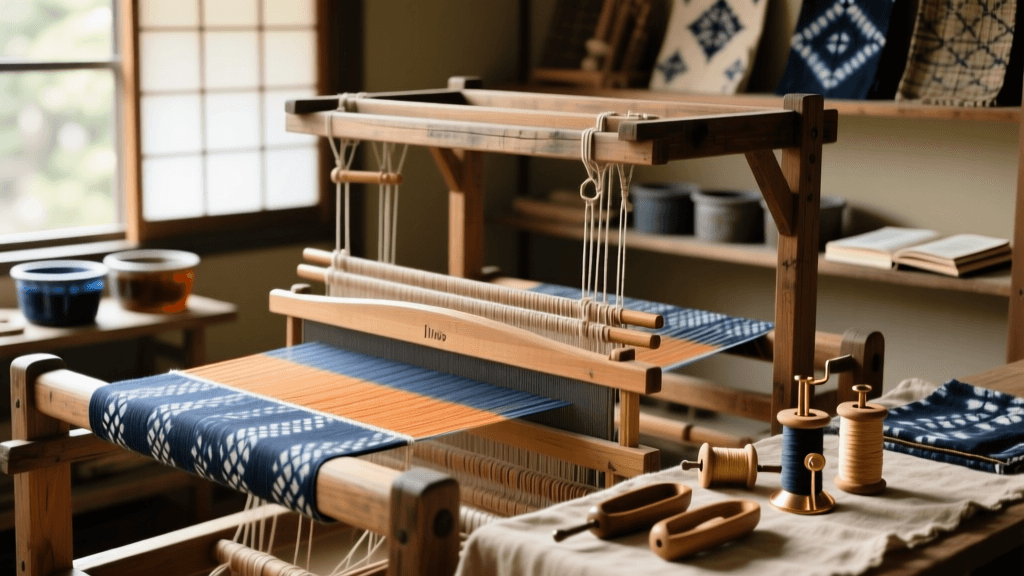
Kimono Fabric Sound & Texture: The 2026 Sensory Guide
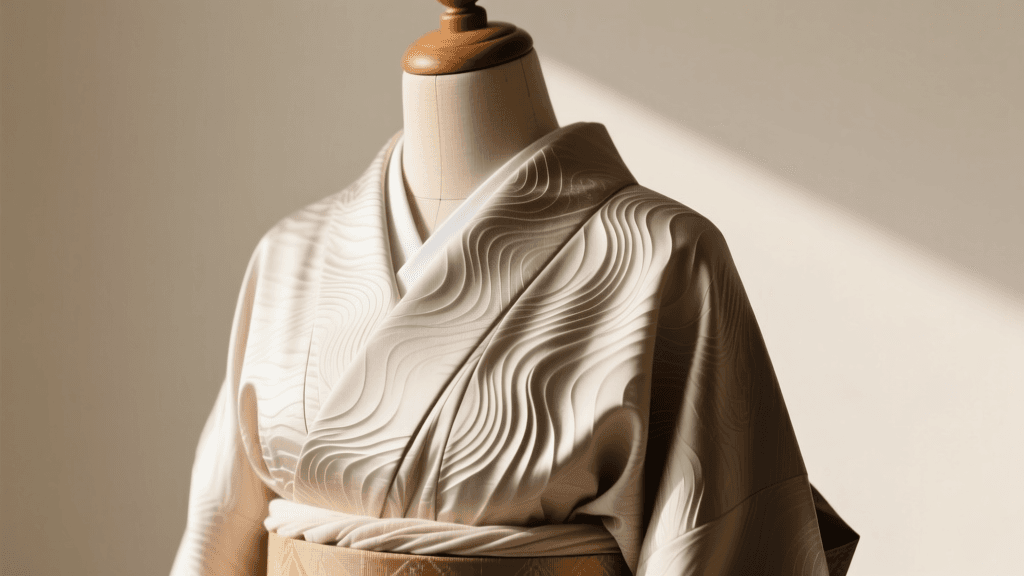
The Hidden Language of Kimono Textiles
In an era increasingly dominated by digital interfaces and synthetic fast fashion, the year 2026 has ushered in a profound 'sensory renaissance' within the world of traditional Japanese garments. Discerning wearers and textile collectors are no longer evaluating kimono solely on visual aesthetics, dyeing techniques, or historical provenance. Instead, the focus has shifted toward the multi-sensory experience of the garment—specifically, the tactile feedback and the acoustic signature of the fabric. This phenomenon centers on kinu-zure, the poetic Japanese term for the rustling sound of silk, and sawari, the distinct tactile feel of the textile against the skin.
Understanding the acoustic and textural properties of kimono fabrics transforms the act of dressing into an immersive, mindful practice. As documented by the Victoria and Albert Museum's extensive kimono archives, the historical appreciation for silk was as much about its auditory presence in a quiet room as it was about its visual brilliance. Today, modern wearers in Kyoto, Tokyo, and international cultural hubs are actively seeking out specific weaves that provide a grounding, analog sensory experience.
The Physics of the Rustle: Why Kimonos Sing
The characteristic rustle of a silk kimono is not accidental; it is the result of highly specialized weaving and yarn preparation techniques. The sound is generated by the friction of the threads rubbing against one another as the wearer moves. The intensity, pitch, and resonance of this sound depend entirely on the twist of the yarn and the structure of the weave.
The most famous acoustic textile in the kimono wardrobe is Tango Chirimen (silk crepe). To achieve its signature pebbled texture, known as shibo, the weft threads are twisted tightly—up to 3,000 times per meter—before being woven. When the fabric is later washed in hot water, the tightly twisted threads attempt to untwist, causing the fabric to shrink and creating a microscopic landscape of peaks and valleys. It is this uneven surface that creates a high-frequency, crisp rustling sound when the layers of the kimono and undergarment (nagajuban) glide past each other.
Tsumugi: The Muted Whisper of Pongee
In stark contrast to the bright, energetic rustle of Chirimen is the subdued, earthy whisper of Tsumugi (silk pongee). Tsumugi is woven from spun silk threads rather than reeled filament silk. The threads are irregular, nubby, and possess a matte finish. According to the Metropolitan Museum of Art's Heilbrunn Timeline of Art History, Tsumugi was historically favored by the merchant class for its understated elegance and durability. Acoustically, Tsumugi produces a low-frequency, soft sliding sound—a muted suri-suri rather than a sharp rustle. Tactilely, it feels warm, dry, and slightly textured, offering a comforting, grounding sensation that many modern wearers prefer for winter and autumn dressing.
2026 Sensory Comparison Chart: Kimono Textiles
For collectors, renters, and buyers navigating the 2026 market, understanding the sensory profile of different weaves is essential. Below is a comprehensive guide to the acoustic and tactile characteristics of major kimono fabrics, along with current market pricing for a standard tan (bolt of fabric, approx. 12 meters long).
| Fabric Type | Weave Structure | Tactile Profile (Sawari) | Acoustic Signature (Kinu-zure) | 2026 Avg. Price per Tan (JPY) |
|---|---|---|---|---|
| Tango Chirimen | Crepe (High-twist weft) | Bumpy, elastic, dry, resilient | Crisp, high-pitch, energetic rustle | ¥45,000 - ¥85,000 |
| Habutae | Plain weave (Flat threads) | Smooth, cool, fluid, slippery | Soft, continuous, whispering glide | ¥30,000 - ¥50,000 |
| Oshima Tsumugi | Pongee (Spun silk, mud-dyed) | Nubby, warm, lightweight, matte | Muted, low-frequency, soft friction | ¥150,000 - ¥350,000+ |
| Ro / Sha | Leno / Open weave | Crisp, airy, slightly stiff | Hollow, breezy, papery swish | ¥60,000 - ¥120,000 |
| Rinzu | Satin damask | Heavy, plush, exceptionally smooth | Deep, muffled, heavy slide | ¥80,000 - ¥150,000 |
Layering for Acoustic Depth
The sound of a kimono is never produced by a single layer of fabric. The true kinu-zure is a symphony of friction between the nagajuban (under-kimono), the hiyoku (lining), and the outer kimono shell. In 2026, sensory-focused dressing workshops in Kyoto emphasize the importance of material pairing to achieve the perfect acoustic resonance.
- Silk on Silk: Pairing a Chirimen outer shell with a smooth Habutae silk nagajuban creates the most prized, traditional rustle. The contrast between the textured crepe and the smooth lining maximizes acoustic friction.
- The Synthetic Compromise: While modern 2026 polyester blends have vastly improved in moisture-wicking and visual mimicry, they still lack the high-frequency acoustic properties of natural silk protein. Synthetic linings tend to produce a duller, more plastic 'swish' that trained ears can easily distinguish from the bright song of natural silk.
- Winter Wadding (Uchikake/Wata-ire): When silk batting is added for winter warmth, the acoustic profile changes entirely. The padding absorbs the high-frequency sounds, resulting in a deeply muffled, heavy, and luxurious movement that feels incredibly secure and grounding to the wearer.
Summer Textiles: The Sound of the Breeze
As the humid Japanese summer approaches, the wardrobe shifts to Ro and Sha—open-weave, translucent silks. The sensory experience of these fabrics is entirely different from winter weaves. Tactilely, they are cool and crisp, allowing air to circulate directly against the skin. Acoustically, because the threads are locked in a leno weave (twisted around each other to create gaps), the fabric is stiffer. This stiffness creates a hollow, papery swishing sound that evokes the feeling of a cool breeze rustling through bamboo leaves. Wearing Ro in July and August is a masterclass in seasonal sensory awareness, providing both physical cooling and psychological relief through its light, airy sound.
Preserving the Tactile Heritage in 2026
Maintaining the acoustic and tactile integrity of vintage and newly woven kimono requires specialized care. The Japanese Ministry of Economy, Trade and Industry (METI) continues to champion the preservation of these traditional craft products, noting that improper care can permanently alter a fabric's sensory profile.
'When you press a Chirimen kimono with a heavy, hot iron, you are not just removing wrinkles; you are crushing the shibo. You are flattening the peaks and valleys of the silk, effectively silencing its voice. A true artisan knows that the texture must be preserved through careful steam and gentle tension, never brute force.' — Master Weaver, Nishijin Textile Center, 2026.
To preserve the shibo of Chirimen and the nubby warmth of Tsumugi, modern conservationists recommend avoiding traditional dry cleaning solvents that can strip the silk of its natural sericin residues, which contribute to the fabric's 'grip' and sound. Instead, specialized arai-hari (wash and stretch) services are experiencing a massive revival in 2026. In this traditional process, the kimono is completely unpicked into its original rectangular panels, washed in mild, natural solutions, and stretched on wooden frames to dry. This process rejuvenates the twist of the yarns, restoring both the bumpy texture and the bright, crisp rustle of the silk.
Practical Advice for the Modern Wearer
If you are looking to incorporate the sensory experience of kimono into your life this year, consider the following actionable steps:
- The Blindfold Test: When visiting a kimono boutique or vintage market, close your eyes and run the fabric between your thumb and forefinger. Feel for the 'bite' of the Chirimen or the smooth, cool slide of the Habutae. Trust your tactile intuition over visual patterns.
- Invest in the Underlayer: If your budget is limited, purchase a high-quality, pure silk nagajuban (undergarment) before investing in an expensive outer shell. The lining is where the majority of the tactile sensation and acoustic friction occurs against your body and the outer kimono.
- Listen to the Movement: When trying on a kimono, walk across a wooden floor. Listen to the hem (suso) as it sweeps the ground and the sleeves as they cross your torso. A well-prepared silk kimono should announce your presence with a gentle, rhythmic whisper before you even enter the room.
The kimono is not merely a garment to be looked at; it is an environment to be inhabited. By tuning into the fabric's sound and texture, we connect with centuries of artisanal engineering and embrace a profoundly mindful way of dressing in the modern world.