Japanese Kimono & Yukata Types: The Complete 2026 Wearing Guide
The Renaissance of Japanese Traditional Garments in 2026
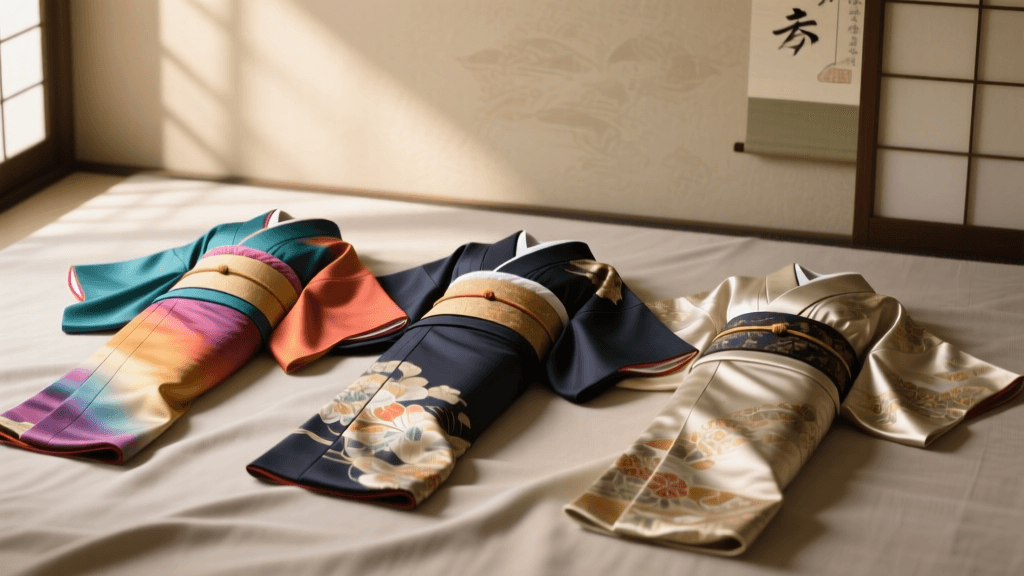
The landscape of Japanese traditional garments has evolved beautifully as we navigate 2026. Once reserved strictly for formal ceremonies or seasonal festivals, the kimono and its lighter counterpart, the yukata, are experiencing a massive global renaissance. Today, wearers are blending heritage techniques with modern sustainable textiles, making these garments more accessible, comfortable, and environmentally conscious than ever before. Whether you are a collector of vintage silk or a newcomer looking for a washable everyday piece, understanding the hierarchy of Japanese dress is essential.
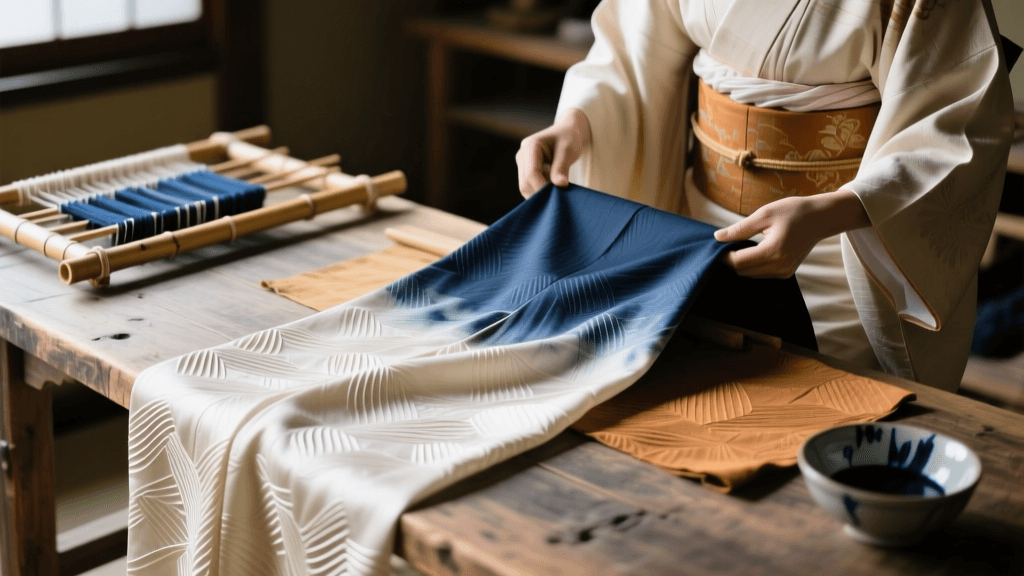
According to the Encyclopedia Britannica, the kimono (literally "thing to wear") has served as the foundational garment of Japanese culture for centuries, adapting through the Edo, Meiji, and modern eras to reflect shifting social norms and technological advancements. In 2026, this evolution continues with the integration of smart textiles and ethical manufacturing, ensuring the survival of the art form in a fast-fashion world.
The Hierarchy of Japanese Garment Types
To navigate the world of Japanese traditional dress, one must understand the strict hierarchy of formality. The type of garment you choose dictates the appropriate accessories, hairstyles, and occasions for wear.
1. Furisode (Swinging Sleeves)
The furisode is the most formal kimono for unmarried women. Recognized by its dramatically long, swinging sleeves (often measuring 100cm or more in length), it is traditionally worn during Seijin no Hi (Coming of Age Day) and formal weddings. In 2026, while traditional hand-painted yuzen silk remains the gold standard, we are seeing a surge in asymmetrical, digitally printed silk blends that cater to younger demographics seeking bold, contemporary aesthetics without sacrificing the garment's formal prestige. Expect to invest between $2,500 and $5,000 for a new, bespoke furisode ensemble.
2. Tomesode (Fastened Sleeves)
The tomesode is the most formal kimono for married women. It is divided into two categories: kurotomesode (black) and irotomesode (colored). The defining feature is the suso-moyo—a beautiful, intricate pattern that runs only along the lower hem, leaving the upper body relatively stark and elegant. Black tomesode feature five family crests (kamon) and are reserved for the closest relatives at a wedding. Colored tomesode may feature one to three crests and are appropriate for a wider range of celebratory events.
3. Houmongi (Visiting Wear)
The houmongi is a versatile, semi-formal to formal garment worn by both married and unmarried women. Its hallmark is the eba-moyo technique, where the pattern is dyed or woven to flow seamlessly across the seams of the kimono when it is laid flat. This creates a continuous, canvas-like artwork wrapping around the wearer. It is the perfect choice for attending tea ceremonies, gallery openings, or formal dinners.
4. Komon (Fine Pattern)
Komon translates to "fine pattern" and refers to everyday or casual kimono featuring repeating motifs across the entire fabric. This is where the 2026 textile innovations truly shine. Modern komon are frequently crafted from "arai-ginu" (washable silk) or high-grade recycled PET polyesters that perfectly mimic the texture of chirimen (crepe) silk. Priced accessibly between $150 and $400, the washable komon has become the go-to garment for modern enthusiasts who want the elegance of silk without the exorbitant dry-cleaning costs.
5. Yukata (Bathing Cloth)
Originally worn as a bathrobe by the nobility, the yukata is now the ubiquitous summer garment worn at fireworks displays (hanabi) and hot spring resorts (onsen). Made from unlined cotton, hemp, or modern moisture-wicking bamboo blends, the yukata is casual, breathable, and relatively easy to dress in. The 2026 summer season has popularized "shijira-ori" (seersucker-like textured weaves) which provide excellent airflow and resist wrinkling.
Outerwear and Trousers: Haori and Hakama
A complete wardrobe extends beyond the primary robe. The haori is a hip- or thigh-length jacket worn open over the kimono. In 2026, vintage haori from the mid-20th century are frequently repurposed as modern outerwear, paired with western trousers or denim for a fusion look. The hakama, a pleated trouser-skirt, is worn over the kimono. While traditionally associated with samurai and martial artists, today it is standard graduation attire for Japanese university students and is worn by Shinto shrine maidens (miko).
The Kitsuke System: Essential Components for Dressing
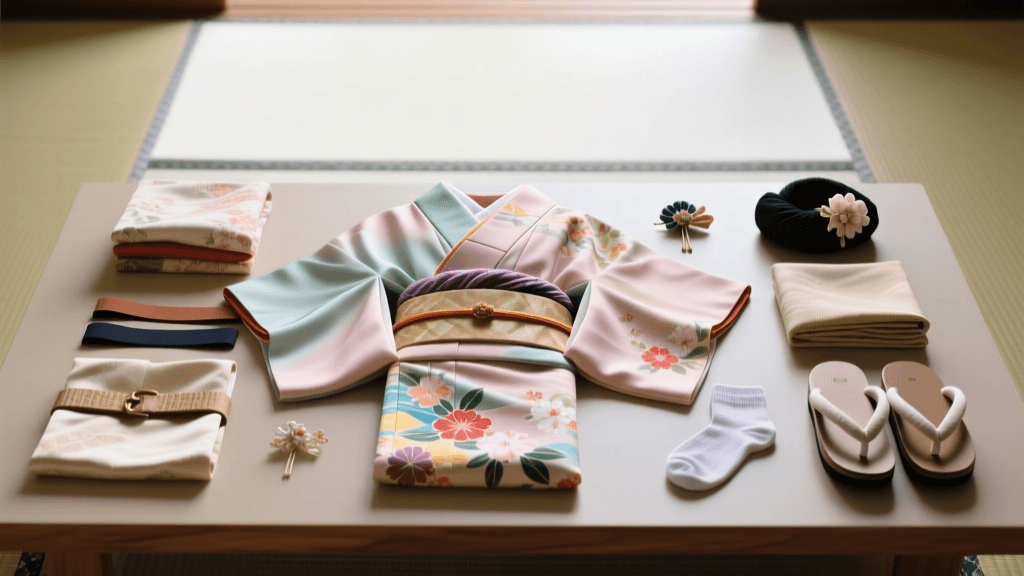
The art of dressing in a kimono is known as kitsuke. Unlike Western clothing, the kimono is a flat, two-dimensional garment that is sculpted onto the three-dimensional body using a series of pads, ties, and sashes. The Metropolitan Museum of Art notes that the intricate layering and sash-tying techniques are as culturally significant as the textiles themselves.
Below is a comparison of traditional kitsuke components versus the modern innovations that have taken over the market in 2026, making the dressing process significantly more comfortable and accessible for beginners.
| Component | Traditional Material (Pre-2020) | 2026 Modern Alternative | Primary Function |
|---|---|---|---|
| Juban | Silk or cotton undergarment | Moisture-wicking bamboo/cupro blend | Protects the outer kimono from sweat and body oils. |
| Koshihimo | Silk or cotton tying cords | Silicone-grip elastic bands | Secures the ohashori fold without digging into the ribs. |
| Obi-ita | Stiff cardboard or plastic board | Breathable 3D-mesh resin board | Keeps the obi sash flat and prevents wrinkling. |
| Obi-makura | Cotton-stuffed pillow | Memory foam with cooling gel inserts | Supports the volume and shape of the obi knot (musubi). |
| Datejime | Stiff silk or cotton sash | Hook-and-loop (Velcro) elastic wrap | Flattens the bust and secures the juban and kimono collar. |
Mastering the Ohashori: Sizing and Measurements
One of the most confusing aspects for international buyers is kimono sizing. Traditional kimono are not tailored to the exact length of the wearer. Instead, they are wrapped and folded at the waist to create a horizontal tuck known as the ohashori. This fold is not just a stylistic choice; it is a mandatory element of proper kitsuke, symbolizing modesty and allowing the garment to be passed down through generations of varying heights.
The 2026 Sizing Formula: To find a kimono that will provide a proper ohashori, take your total height and add approximately 10 inches (25 cm). For example, if you are 65 inches tall (165 cm), your ideal kimono length (mitake) should be around 75 inches (190 cm). If the garment is too short, you cannot create the fold, rendering it unwearable by traditional standards. Modern casual styling in 2026 sometimes forgives the absence of an ohashori for very tall individuals wearing vintage komon, but for formal wear, the fold remains non-negotiable.
Acquisition, Pricing, and Sustainable Care
Acquiring authentic Japanese garments in 2026 is easier than ever, thanks to specialized global shipping platforms and direct-to-consumer artisan cooperatives based in Kyoto and Kanazawa. When shopping, be wary of "costume" satin robes sold on generic marketplaces; true kimono feature specific construction methods, including a center back seam and open underarm vents (miyatsukuchi) that allow for the ohashori to be adjusted.
2026 Market Pricing Guide:
- Entry-Level Yukata (Cotton/Poly): $60 - $120
- Vintage Silk Komon (1980s-1990s): $80 - $250 (Excellent condition, often unworn)
- Modern Washable Silk Houmongi: $400 - $800
- Bespoke Silk Furisode (Hand-dyed): $3,000 - $8,000+
- Formal Maru/Obi (Brocade): $200 - $1,500
Care and maintenance have also been revolutionized. Traditional silk kimono required complete disassembly (arai-hari) for washing. Today, 2026 eco-friendly dry cleaning technologies and ozone sanitization chambers allow vintage and modern silks to be refreshed without water damage or harsh chemicals. For washable silks and polyesters, a gentle cycle in a specialized kimono laundry net, followed by drip-drying on a specialized T-shaped hanger (emono), is all that is required to maintain the garment's structural integrity.
Conclusion
The Japanese kimono and yukata are not relics of a bygone era; they are living, breathing garments that continue to adapt to the needs of the modern wearer. By understanding the hierarchy of formality, embracing 2026's sustainable textile innovations, and mastering the foundational elements of kitsuke, anyone can participate in this profound cultural tradition with respect, comfort, and unparalleled elegance.