Formal Japanese Kimono Types 2026: Furisode, Tomesode & Houmongi
The Enduring Elegance of Japanese Silk Garments in 2026
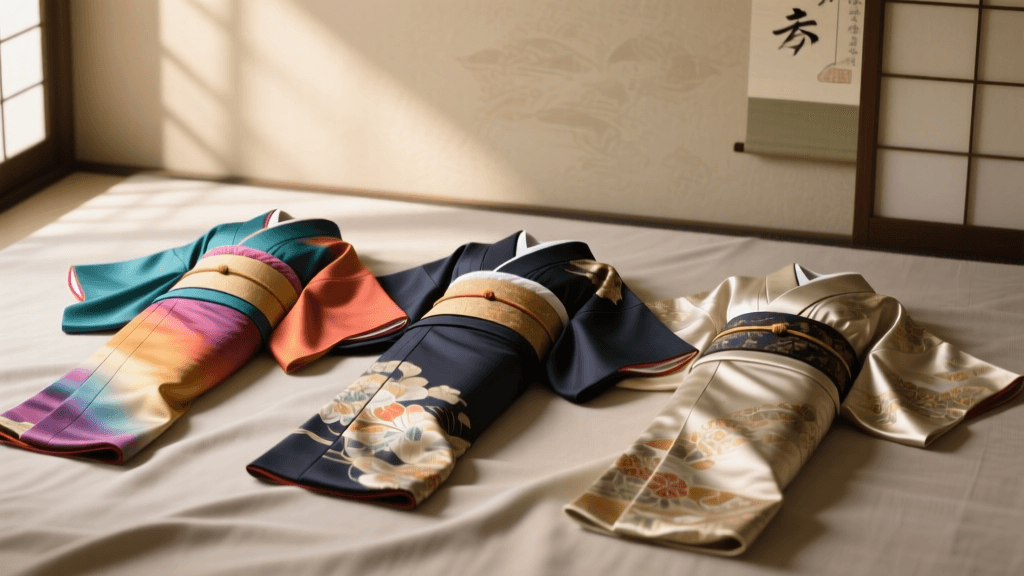
The Japanese kimono is far more than a simple garment; it is a complex, highly structured system of wearable art governed by strict rules of TPO (Time, Place, and Occasion). As we navigate the cultural and fashion landscape of 2026, the traditional silk kimono continues to evolve, blending centuries-old weaving techniques with contemporary styling sensibilities. While the casual cotton yukata remains a staple for summer festivals, the formal silk kimono wardrobe requires a deep understanding of hierarchy, seasonal motifs, and intricate layering.
According to the Metropolitan Museum of Art's Heilbrunn Timeline of Art History, the kimono's T-shaped structure has remained fundamentally unchanged since the Edo period, yet the social codes dictating who wears what, and when, are incredibly nuanced. For modern enthusiasts, collectors, and those attending traditional ceremonies in 2026, understanding the distinctions between the primary formal garment types—Furisode, Tomesode, and Houmongi—is essential. This complete guide breaks down these iconic Japanese traditional garments, exploring their construction, modern market values, and the architectural layering required to wear them correctly.
The Hierarchy of Formal Japanese Kimono Types
Furisode: The Unmarried Woman's Canvas
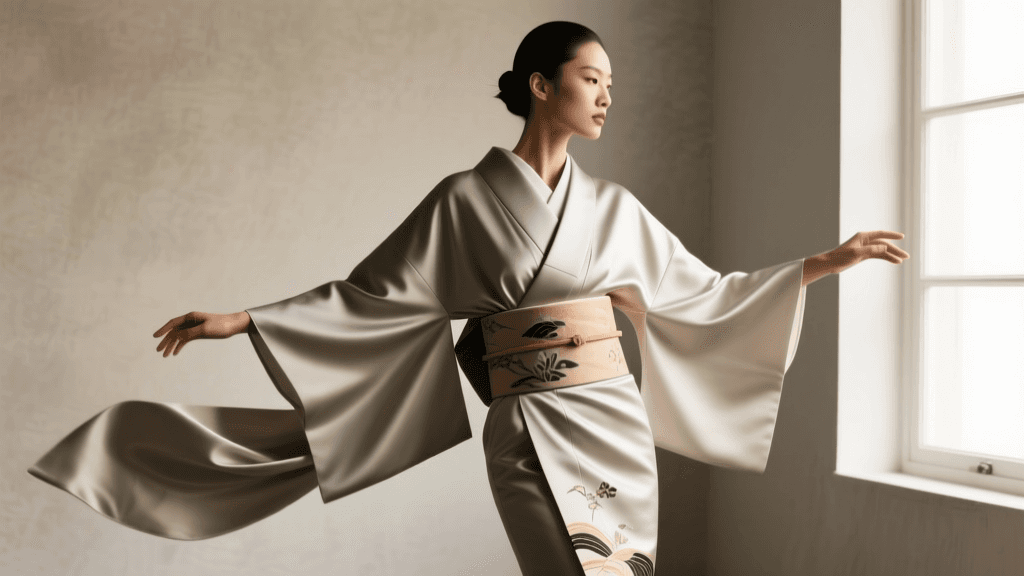
The Furisode (literally 'swinging sleeves') is the most formal kimono worn by young, unmarried women. It is instantly recognizable by its dramatically long sleeves, which historically were believed to ward off evil spirits and express romantic interest through their swaying motion. In 2026, the Furisode remains the undisputed centerpiece of Seijin Shiki (Coming of Age Day) ceremonies and formal university graduation events.
Furisode are categorized by sleeve length:
- Ofurisode (Large): Sleeves measuring 114 cm or longer. Often worn by brides as an alternative to the traditional shiromuku or by high-profile attendees at ultra-formal events.
- Chufurisode (Medium): Sleeves measuring around 100 cm. This is the most common and versatile length seen at modern Coming of Age ceremonies.
- Kofurisode (Small): Sleeves measuring around 85 cm. Frequently chosen for graduation ceremonies paired with a hakama (pleated trousers).
Current 2026 styling trends favor a departure from the hyper-saturated, heavily embroidered styles of the early 2000s. Today’s young women are gravitating toward vintage-inspired taisho-roman aesthetics, featuring muted botanical motifs, geometric yuzen dyeing, and sustainable, blended-silk fabrics that offer a softer drape and easier maintenance.
Kurotomesode and Irotomesode: Crested Formality
The Tomesode represents the pinnacle of formality for married women. The garment is defined by its shorter sleeves (typically around 50 cm) and the placement of its patterns. Unlike the Furisode, which features designs covering the entire garment, the Tomesode only features patterns below the waistline, symbolizing a grounded, mature elegance.
There are two distinct types:
- Kurotomesode (Black Tomesode): A solid black silk kimono adorned with five family crests (kamon). It is strictly reserved for the closest female relatives of the bride and groom at weddings. The stark black silk provides a breathtaking contrast to the opulent gold and silver eba-moyo (continuous picture patterns) along the hem.
- Irotomesode (Colored Tomesode): Featuring a base color other than black (such as deep emerald, navy, or soft pastels), this garment can bear one, three, or five crests. It is worn by married or unmarried women attending highly formal events, such as royal audiences, award ceremonies, or as a guest at a wedding where a Kurotomesode would feel too closely related to the bridal party.
Houmongi: The Versatile Visiting Kimono
The Houmongi (visiting wear) is the ultimate versatile formal garment, appropriate for both married and unmarried women. It is slightly less formal than the Tomesode but significantly more formal than everyday wear. The defining characteristic of the Houmongi is the eba-moyo technique, where the pattern is dyed as a single, continuous picture that flows seamlessly across the seams of the kimono when laid flat.
In 2026, the Houmongi is the go-to choice for tea ceremonies, formal gallery openings, upscale dining, and attending weddings as a friend or distant relative. Because it lacks the strict marital and relational rules of the Tomesode, it is considered the most practical investment piece for a modern formal kimono wardrobe.
Essential Layering: The Architecture Beneath the Silk
Wearing a formal kimono is an exercise in structural engineering. The outer silk layer is merely the facade of a complex system of undergarments and ties that create the iconic cylindrical silhouette. According to archival records preserved by the Victoria and Albert Museum, the layering of the kimono historically denoted immense wealth, as silk was prohibitively expensive. Today, layering is about achieving the correct form and protecting the valuable outer garment.
A complete formal kit in 2026 includes the following layers and accessories:
- Hadajuban and Susoyoke: The base layer. A thin cotton or silk camisole and wrap skirt that absorb perspiration and protect the outer layers from body oils.
- Nagajuban: The under-kimono. Usually made of breathable silk, linen, or high-tech synthetic blends, it provides the foundational shape.
- Han-eri: A detachable, highly decorative collar attached to the Nagajuban. For formal wear in 2026, embroidered or metallic-threaded Han-eri are used to add a flash of luxury at the neckline.
- Date-jime and Koshi-himo: Silk and cotton ties used to secure the layers tightly and create the smooth, flat surface required for the outer kimono.
- Obi-ita and Obi-makura: A stiff front board and a back cushion used to give the obi (sash) its rigid, flawless shape.
The Obi: Anchoring the Formal Silhouette
No formal kimono is complete without its corresponding obi. For Furisode, Tomesode, and Houmongi, the Fukuro Obi is the standard in 2026. Measuring roughly 30 cm in width and over 4 meters in length, the Fukuro Obi is woven with intricate gold, silver, and silk threads, often featuring auspicious motifs like cranes, pine trees, or flowing water. The way the obi is tied (the musubi) also communicates formality; the elaborate taiko musubi (drum knot) is standard for married women, while the fukura-suzume (sparrow knot) or tateya musubi are favored for the long-sleeved Furisode.
2026 Market Guide: Buying vs. Renting Formal Kimono
The market for formal Japanese garments has shifted significantly by 2026. While bespoke, hand-painted yuzen silk kimono remain a luxury investment, the robust rental market and the thriving vintage (recycle) sector have made formal wear more accessible. Below is a comparative breakdown of the current market landscape.
| Kimono Type | Typical 2026 Rental Price (JPY) | Bespoke/Retail Purchase Price (JPY) | Vintage Market Price (JPY) | Primary Use Case |
|---|---|---|---|---|
| Furisode (Chufurisode) | ¥80,000 - ¥150,000 | ¥400,000 - ¥900,000 | ¥30,000 - ¥120,000 | Coming of Age Day, Unmarried formal events |
| Kurotomesode | ¥50,000 - ¥100,000 | ¥500,000 - ¥1,200,000 | ¥40,000 - ¥150,000 | Weddings (Mother/Sister of Bride/Groom) |
| Irotomesode | ¥60,000 - ¥120,000 | ¥450,000 - ¥1,000,000 | ¥35,000 - ¥130,000 | Highly formal ceremonies, Award events |
| Houmongi | ¥40,000 - ¥80,000 | ¥300,000 - ¥700,000 | ¥20,000 - ¥90,000 | Tea ceremonies, Weddings (Guests), Galas |
Note: Rental prices typically include the full dressing service (kitsuke), hair styling, and accessory loan. Vintage prices vary wildly based on the condition of the silk and the presence of stains or discoloration.
Seasonal Rules (Koromogae) and Modern Fabric Care
One of the most rigid rules of Japanese traditional dress is Koromogae, the seasonal changing of the wardrobe. Wearing a winter garment in the summer, or vice versa, is considered a major fashion faux pas.
- Awase (Lined): Worn from October 1st to May 31st. These kimono feature a silk lining that provides warmth and gives the garment a heavy, luxurious drape.
- Hitoe (Unlined): Worn during the transitional months of June and September.
- Ro and Sha (Summer Weaves): Worn from July 1st to August 31st. These feature sheer, gauze-like silk weaves that allow for airflow. Formal summer kimono are exceptionally rare and difficult to weave, making them highly prized by collectors.
Fabric care in 2026 has benefited from advanced, eco-friendly cleaning technologies. Traditional spot-cleaning is still practiced, but Maru-arai (a specialized full-garment wash that uses gentle, silk-safe solvents and water-repellent coatings) is the standard for maintaining vintage and modern silk. A full Maru-arai service in Tokyo or Kyoto currently costs between ¥10,000 and ¥15,000. For storage, garments must be folded along their specific seam lines using tatou-shi (acid-free wrapping paper) and stored in tansu chests with natural camphor to prevent moisture damage and insect intrusion.
Conclusion
Navigating the world of formal Japanese kimono types requires a blend of historical knowledge and an eye for modern aesthetics. Whether you are selecting a vibrant Furisode to celebrate a milestone, a dignified Kurotomesode to honor a family wedding, or an elegant Houmongi for a cultural gathering, understanding the TPO rules, layering architecture, and seasonal rhythms ensures that you wear the garment with the respect and grace it demands. As the global appreciation for Asian traditional garments continues to grow in 2026, the silk kimono stands as a testament to the enduring power of meticulous craftsmanship and cultural continuity.