Ceremonial vs Everyday Hanbok: A 2026 Styling Guide
The Evolution of Korean Hanbok in 2026
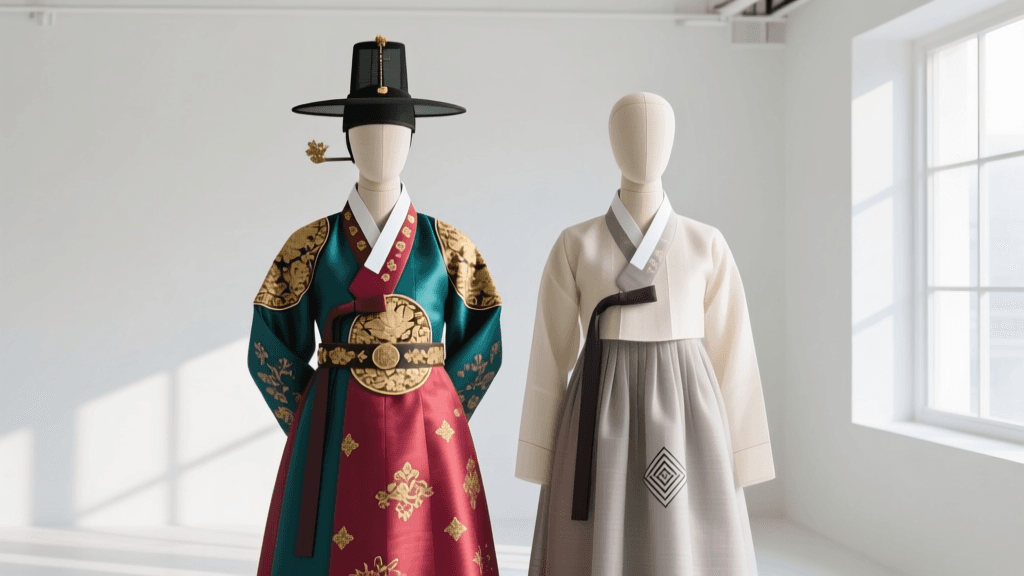
In the vibrant landscape of 2026 Asian fashion, the Korean Hanbok stands as a masterclass in balancing deep historical roots with contemporary innovation. While many global observers associate the Hanbok strictly with festive holidays or historical dramas, the reality of modern Korean dress is far more nuanced. Today, the garment is distinctly categorized into two primary spheres: the highly formal, ceremonial Daeryebok (and bridal Hwalot), and the practical, modernized Saenghwal Hanbok (everyday living Hanbok). Understanding the dichotomy between these two styles is essential for anyone looking to appreciate, purchase, or style traditional Korean garments in the current era.
According to cultural archives documented by Korea.net's official guide to Hanbok, the fundamental structure of the Hanbok—comprising the jeogori (upper garment) and chima (skirt) for women, or baji (trousers) for men—has remained remarkably consistent for centuries. However, the textiles, construction methods, and styling rules have diverged sharply based on the garment's intended use.
Ceremonial Hanbok: Daeryebok and Hwalot
Ceremonial Hanbok is reserved for life's most significant milestones: weddings, ancestral rites (jesa), major national holidays like Chuseok, and formal cultural ceremonies. In 2026, the creation of these garments remains a painstaking artisanal process, often requiring hundreds of hours of hand-embroidery and natural dyeing.
Fabrics and Embellishments
Traditional ceremonial wear relies heavily on luxury materials. Heavyweight silks, ramie, and hemp are the standard. In 2026, we are also seeing a massive surge in high-grade vegan peace silks and lab-grown spider silk blends, catering to eco-conscious consumers who refuse to compromise on the luxurious drape required for formal wear. The defining feature of ceremonial Hanbok is the use of geumbak (gold leaf stamping) and intricate embroidery featuring peonies, dragons, and phoenixes. As noted by textile historians at the Victoria and Albert Museum's Asian textile archives, the preservation and modern adaptation of these gold-leafing techniques represent a critical intersection of heritage and modern fashion technology.
Silhouette and Structure
The ceremonial silhouette is voluminous and imposing. A bridal Hwalot or a formal Wonsam features excessively long sleeves that extend past the hands, symbolizing grace and high status. The chima is heavily pleated and falls all the way to the floor, often requiring the wearer to hold the skirt gracefully at the sides to prevent tripping. The jeogori is typically longer in ceremonial variations compared to the ultra-cropped modern styles, providing a modest, regal appearance.
Everyday Hanbok: The Saenghwal Movement
The Saenghwal Hanbok (living Hanbok) movement, which seeks to integrate traditional dress into daily life, has reached total maturity in 2026. No longer viewed as a niche subculture or a mere tourist novelty, everyday Hanbok is a staple in the wardrobes of Seoul's creative professionals, students, and cultural advocates.
Practicality Meets Tradition
The primary goal of Saenghwal Hanbok is mobility and ease of care. The floor-sweeping skirts are shortened to midi or knee-length, making them safe for subway grates and bicycle commutes. The complex, easily untied traditional goreum (chest ties) are frequently replaced or supplemented by hidden magnetic clasps, snap buttons, or subtle side zippers. Furthermore, 2026 designs almost universally include deep, hidden pockets within the voluminous skirts—a highly requested feature that traditional ceremonial wear lacks.
Textile Innovations for Daily Wear
While silk is beautiful, it is impractical for a Tuesday morning coffee run. Everyday Hanbok utilizes machine-washable cottons, breathable linens, and advanced Tencel blends. In the current market, wrinkle-resistant and moisture-wicking fabrics are highly prized, allowing the garments to transition seamlessly from a humid summer commute to an air-conditioned office environment without losing their structural bell-shape.
Comparative Analysis: Ceremonial vs. Everyday
To clearly delineate the differences for buyers and stylists, the following table outlines the core distinctions between the two categories as they stand in the 2026 market.
| Feature | Ceremonial (Daeryebok / Hwalot) | Everyday (Saenghwal Hanbok) |
|---|---|---|
| Primary Occasion | Weddings, Chuseok, Seollal, Ancestral Rites | Office wear, casual outings, daily commuting |
| Standard Fabrics | Heavy silk, ramie, gold-leafed textiles | Cotton, linen, Tencel, washable blends |
| Skirt Length | Floor-length, heavily pleated, voluminous | Midi, knee-length, or A-line calf-length |
| Fastening | Traditional long silk goreum (ties) | Magnetic snaps, hidden zippers, short ties |
| Maintenance | Professional dry cleaning, specialized storage | Machine washable (gentle cycle), hang dry |
| 2026 Avg. Price | $400 - $2,500+ USD (Custom/Rental) | $60 - $180 USD (Ready-to-wear) |
The Symbolism of Color: Obangsaek in Modern Contexts
Color in Hanbok is never arbitrary; it is deeply rooted in the philosophy of Obangsaek, the traditional Korean color spectrum comprising white, black, blue, yellow, and red, representing the five elements of the universe. In ceremonial wear, these colors are used in high-contrast, highly saturated combinations to ward off evil spirits and denote social rank. For instance, a traditional bride's chima is often a vibrant crimson, while her jeogori might be a striking yellow or green.
In contrast, the 2026 everyday Hanbok market favors muted, earthy tones and pastels. Sage greens, dusty rose, slate blues, and cream whites dominate the Saenghwal collections. These subdued palettes allow the garments to be mixed and matched with modern accessories and outerwear without overwhelming the wearer's daily aesthetic.
Styling Guide: Mixing Eras in 2026
Styling Ceremonial Hanbok
When wearing formal Hanbok, the styling must remain respectful of tradition. Hair is typically braided into a long plait adorned with a daenggi (ribbon) for unmarried women, or pinned up with an ornamental binyeo (hairpin) for married women. In 2026, lightweight 3D-printed resin hairpins have replaced heavy brass and jade ones, saving wearers from neck strain during long wedding ceremonies. Footwear consists of traditional hwa (silk shoes with upturned toes), though modern leather loafers are sometimes substituted for comfort during extended photo sessions.
Styling Everyday Hanbok
The beauty of Saenghwal Hanbok lies in its versatility. For a modern office look in autumn, pair a structured, collarless linen jeogori with a high-waisted, pleated midi chima and a sleek turtleneck underneath. Sneakers are entirely acceptable and highly encouraged for everyday wear, creating a striking juxtaposition between the historical silhouette and contemporary streetwear. In winter, everyday Hanbok is frequently layered with modern wool overcoats or tailored blazers, proving that traditional garments can thrive in a layered, practical winter wardrobe.
Sourcing, Pricing, and Care
For those looking to acquire authentic pieces in 2026, the sourcing landscape is robust. For ceremonial wear, the boutiques surrounding Gwangjang Market and the specialized ateliers in Seoul's Bukchon Hanok Village remain the gold standard for custom fittings. Rental services have also become highly sophisticated, offering impeccably maintained, high-end silk sets for a fraction of the retail cost, typically ranging from $50 to $120 USD for a 24-hour rental.
Everyday Hanbok is widely available through independent Korean designers on global e-commerce platforms, as well as dedicated brick-and-mortar stores in major international cities with significant Korean diasporas. When caring for your Saenghwal Hanbok, always check the label; while most modern cotton blends are machine washable, the structured waistbands and hidden wiring used to maintain the skirt's bell shape often require hand washing or a delicate cycle in a mesh laundry bag. Never tumble dry, as the heat can warp the structural elements of the chima.
Conclusion
The year 2026 marks a thrilling era for the Korean Hanbok. By clearly delineating the boundaries and purposes of ceremonial Daeryebok and everyday Saenghwal Hanbok, the culture ensures that its most precious traditions are preserved in their purest form, while simultaneously allowing the garment to breathe, evolve, and remain relevant in the daily lives of modern wearers. Whether you are stepping into a grand wedding hall in floor-sweeping silk or commuting to a creative studio in a breathable cotton midi-skirt, the Hanbok remains a profound, wearable expression of Asian heritage.