Top Chinese Fashion Blogs Shaping Hanfu Trends For 2026
The New Vanguard: Chinese Fashion Journalism in 2026
The landscape of Asian traditional fashion has undergone a seismic shift over the last few years, and as we navigate 2026, the driving force behind this renaissance is no longer just the runway—it is the digital journalist. Chinese fashion bloggers and content creators have evolved from simple outfit-of-the-day (OOTD) influencers into rigorous cultural historians, investigative journalists, and trend forecasters. Platforms like Xiaohongshu (Little Red Book), Bilibili, and independent WeChat newsletters are now the epicenters of the Guochao (national trend) movement, where traditional garments like Hanfu and the Mamianqun are dissected with academic precision and styled for modern, global wardrobes.
According to recent insights from Business of Fashion's China market analysis, the maturation of the Guochao movement in 2026 is characterized by a demand for historical authenticity and textile transparency. Consumers are no longer satisfied with mass-produced, inaccurate costumes; they want museum-grade tailoring adapted for contemporary life. Chinese fashion journalists are the vital bridge between ancient weaving techniques in provinces like Zhejiang and the modern consumer's wardrobe, providing deep-dive video essays, supply chain investigations, and styling masterclasses.
The Mamianqun Revolution and Historical Accountability
No garment exemplifies the power of Chinese digital fashion journalism quite like the Mamianqun, or "horse-face skirt." Characterized by its flat front and back panels with pleated sides, this Ming Dynasty staple has become a global streetwear phenomenon in 2026. However, its journey to the mainstream was heavily paved by investigative fashion bloggers who held international luxury houses accountable for cultural appropriation, ultimately reclaiming the narrative for Chinese artisans.
Today, top-tier creators on Bilibili produce long-form, documentary-style content analyzing the structural integrity of Mamianqun pleats. They collaborate with textile historians and reference archives, such as the Victoria and Albert Museum's archives on Chinese dress, to educate their audiences on the precise geometry and historical context of the skirt. In 2026, the journalistic focus has shifted toward sustainable Jacquard loom innovations. Bloggers are actively reviewing and promoting independent Haining-based weavers who use recycled silk blends and eco-friendly metallic threads, ensuring the Mamianqun's legacy is both culturally intact and environmentally conscious.
Cracking Down on "Hanfu Sharks": The Investigative Creators
One of the most vital roles Chinese fashion journalists play in 2026 is consumer protection. The explosion of the Hanfu market has inevitably attracted bad actors, colloquially dubbed "Hanfu sharks" (dropshippers and fast-fashion entities that steal original patterns from indie designers and mass-produce them using substandard synthetic fabrics).
Investigative fashion bloggers have stepped in to fill the regulatory gap. Utilizing AI-powered image recognition tools and community-driven crowdsourcing, these digital journalists trace stolen digital embroidery files back to their original creators. They publish "blacklist" and "whitelist" databases on Xiaohongshu, guiding consumers toward ethical, original Taobao and Weidian storefronts like Minghuatang and Shisanyu. This rigorous vetting process has forced a market correction in 2026, elevating the status of original textile designers and ensuring that the artisans who spend months digitizing traditional Song Dynasty motifs are fairly compensated.
Data Table: 2026 Chinese Fashion Blog Niches
To understand the ecosystem of Chinese traditional fashion journalism, it is essential to recognize the distinct niches that dominate the digital space this year. Below is a breakdown of the primary content verticals shaping the industry.
| Content Niche | Primary Platform | Key Focus in 2026 | Avg. Garment Price Point (USD) |
|---|---|---|---|
| Historical Purists | Bilibili | Museum-grade accuracy, dynasty-specific tailoring, academic citations. | $250 - $800+ |
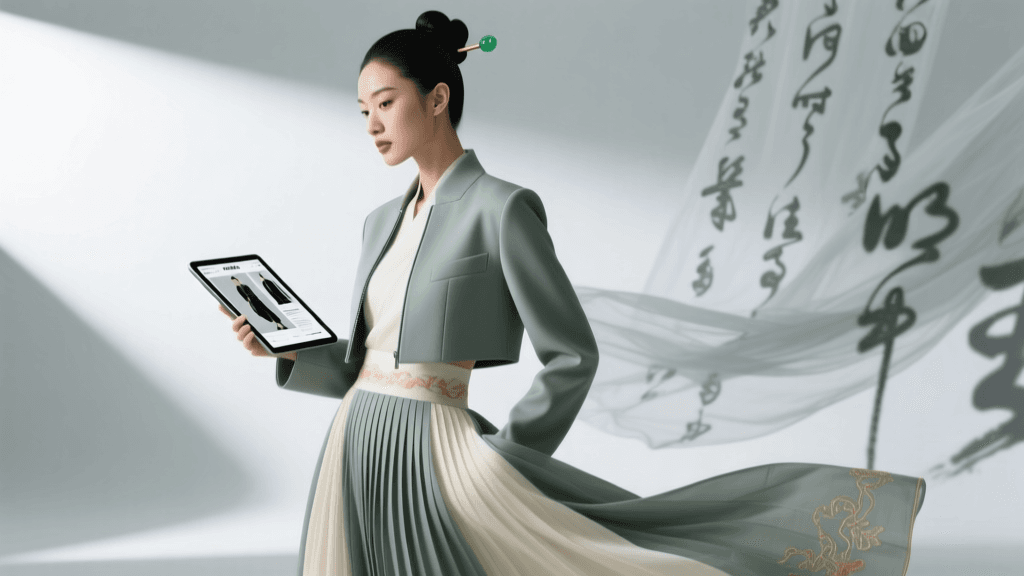
| Daily Fusion Stylists | Xiaohongshu | Mixing Mamianqun with modern blazers, tech-wear, and office-appropriate attire. | $80 - $200 |
| Textile Investigators | WeChat Newsletters | Supply chain transparency, silk brocade weaving techniques, eco-dyes. | $150 - $400 |
| Anti-Piracy Watchdogs | Weibo / Douyin | Exposing fast-fashion knockoffs, promoting indie designers, copyright education. | $60 - $150 |
Song Dynasty Minimalism vs. Tang Dynasty Opulence
While the Ming Dynasty Mamianqun dominates streetwear, 2026 has seen a massive surge in the popularity of Song Dynasty aesthetics, championed by a different subset of fashion journalists. These creators focus on minimalism, fluid silhouettes, and understated elegance. Through platforms like Xiaohongshu, bloggers are promoting the Beizi (a long, open-front jacket) and the Baidi (pleated skirt) as the ultimate uniform for the modern, minimalist professional.
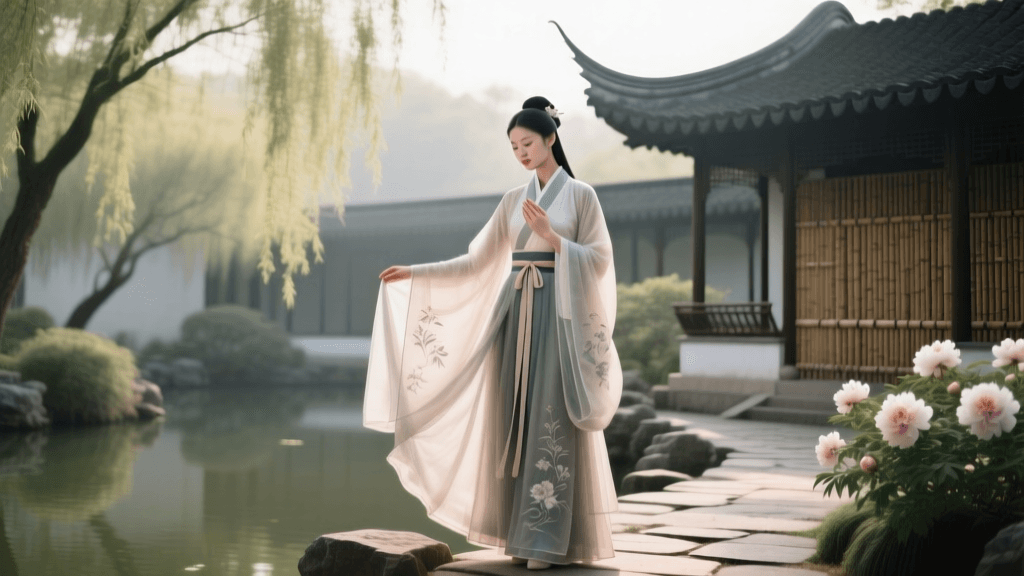
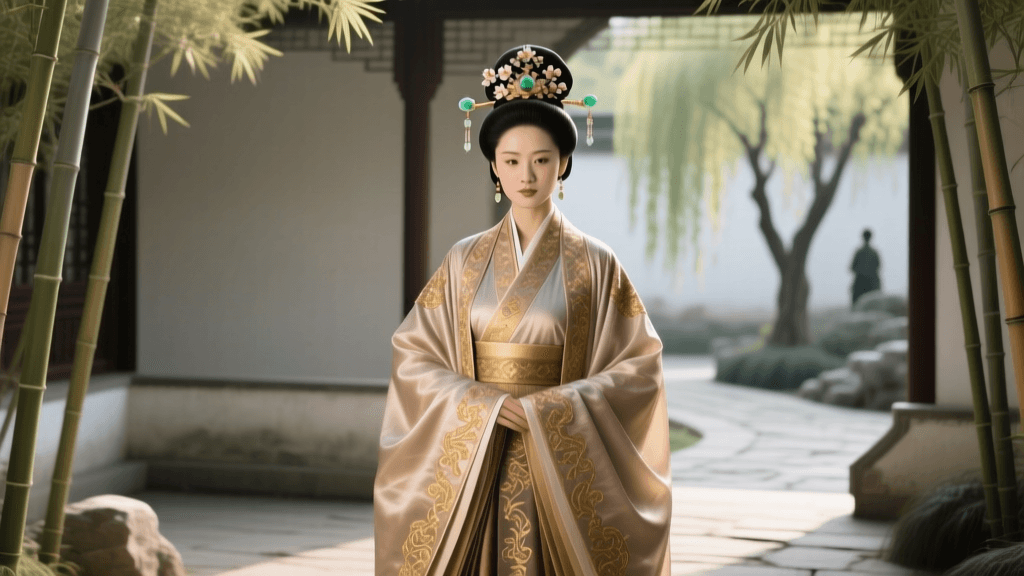
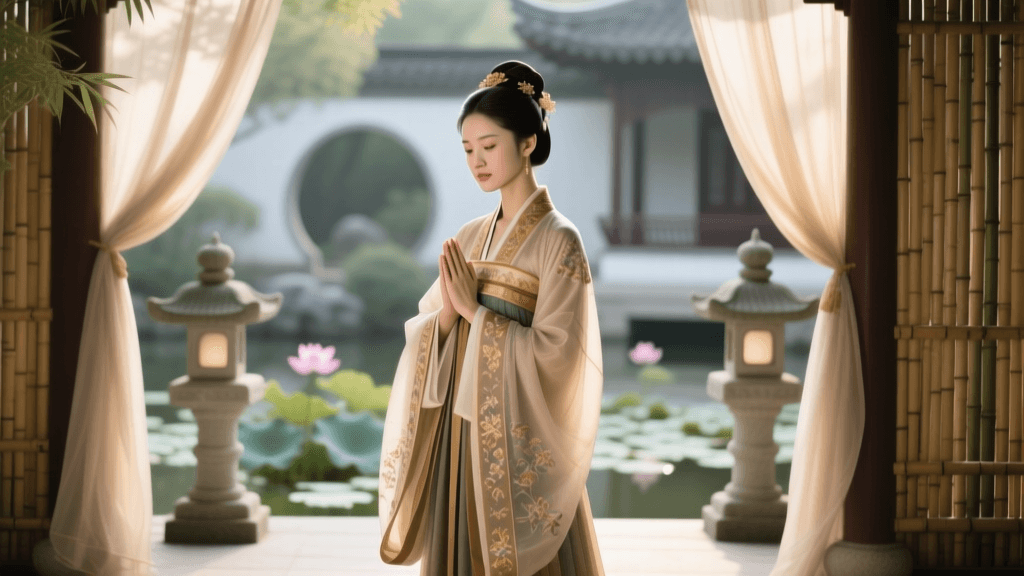
Fashion journalists covering this niche often draw parallels between Song Dynasty philosophy and contemporary wellness and slow-living movements. Their content frequently features serene, cinematic vlogs shot in bamboo forests or traditional tea houses, highlighting the meditative aspects of dressing in natural, un-dyed linens and lightweight silks. This stands in stark contrast to the vibrant, heavily embroidered opulence of Tang Dynasty revivalists, who focus on bold color-blocking, elaborate hair accessories, and maximalist runway-inspired editorials. The journalistic debate between "Song Minimalism" and "Tang Maximalism" is one of the most engaging recurring themes on Chinese fashion forums this year.
Actionable Guide: Navigating Xiaohongshu and Weidian in 2026
For global readers, expats, and international fashion enthusiasts looking to tap into these 2026 trends, the language barrier and platform logistics can seem daunting. However, Chinese fashion bloggers have made it easier than ever for international audiences to participate in the Hanfu movement. Here is your actionable guide to navigating the ecosystem:
- Leverage Built-In AI Translation: As of 2026, Xiaohongshu's native AI translation feature is highly accurate for fashion terminology. Simply toggle the "Translate to English" button on long-form editorial posts to understand complex textile reviews and sizing guides.
- Master the Keywords: To find authentic, daily-wear traditional clothing, bypass generic English hashtags. Search for "日常汉服" (Daily Hanfu), "马面裙穿搭" (Mamianqun Styling), or "宋制通勤" (Song Dynasty Commuter Wear) to uncover the best editorial content and verified seller links.
- Follow the "Whitelists": Before purchasing from Taobao or Weidian, consult the monthly "Whitelist" (白名单) guides published by top investigative bloggers. These guides verify the historical accuracy and ethical manufacturing practices of storefronts, saving you from purchasing low-quality synthetic knockoffs.
- Understand the Sizing Paradigm: Traditional Chinese garments often utilize flat-cutting techniques, meaning they are more forgiving in the bust and shoulders but require precise waist and length measurements. Bloggers consistently advise international buyers to measure their natural waist and desired skirt length (usually measuring from the navel to the ankle bone for a proper Mamianqun drape) rather than relying on standard Western S/M/L sizing charts.
The Intersection of Guochao and Global Runways
The influence of these Chinese digital journalists is no longer confined to domestic borders. In 2026, international luxury brands and global fashion houses actively monitor Chinese fashion blogs to forecast trends and avoid cultural missteps. The rigorous, highly educated audience cultivated by these bloggers has forced global brands to approach Asian traditions with respect, collaboration, and historical accuracy, rather than superficial exoticism.
As documented by Sixth Tone's cultural reporting, the modern Hanfu movement is deeply intertwined with a broader cultural confidence among China's youth. Fashion journalists are not merely selling clothes; they are curating a living, breathing cultural identity that honors the past while aggressively innovating for the future. Whether you are a textile student, a vintage fashion collector, or simply someone looking to incorporate a beautifully woven Mamianqun into your 2026 autumn wardrobe, following these Chinese digital journalists is the most authentic and educated entry point into the world of Asian traditional garments.
Conclusion
The era of superficial trend-chasing is over. In 2026, Chinese fashion journalism blogs and content creators have established themselves as the ultimate authorities on traditional Asian garments. Through historical accountability, supply chain transparency, and masterful modern styling, they are ensuring that the rich textile heritage of China is preserved, respected, and worn with pride on the global stage. By engaging with their content, global fashion enthusiasts can build wardrobes that are not only visually stunning but deeply rooted in centuries of artisanal mastery.