2026 Hanfu Milestones: Planning Ji Li and Guan Li Rites
The Revival of Coming-of-Age Rites in 2026
As we navigate the cultural renaissance of 2026, the Hanfu movement has evolved far beyond street fashion and photography. Today, traditional Chinese garments are deeply integrated into profound life milestones, with the Ji Li (笄礼) and Guan Li (冠礼) coming-of-age ceremonies experiencing a massive resurgence among Gen Z and young millennials. These ancient rites, rooted in Confucian philosophy, mark the transition from childhood to adulthood, emphasizing societal responsibility, familial piety, and cultural continuity.
For modern families and university students in 2026, hosting a Hanfu milestone ceremony is a powerful way to reconnect with heritage. Whether celebrating a high school graduation at age 18 or a university milestone at age 20, the integration of authentic historical garments—ranging from Song dynasty elegance to Ming dynasty grandeur—adds immense gravitas to the occasion. This comprehensive guide will walk you through the historical context, garment selection, budgeting, and step-by-step logistics of planning a flawless coming-of-age rite this year.
Understanding the Ji Li and Guan Li
Historically, the Guan Li (capping ceremony) was performed for young men at the age of 20, signifying their readiness to take on adult responsibilities, marry, and participate in societal governance. Conversely, the Ji Li (hairpinning ceremony) was held for young women at the age of 15, marking their eligibility for marriage and their transition into adult womanhood.
In 2026, the strict age requirements have relaxed to align with modern educational milestones. It is now common to see joint ceremonies held at universities or cultural centers for cohorts of 18-year-old high school graduates or 20-year-old university sophomores. The philosophical core remains unchanged: as outlined in foundational Confucian societal roles, the ceremony is not merely about changing clothes, but about cultivating virtue, respect for elders, and a sense of duty to one's community.
The Three Additions: A Step-by-Step Garment Guide
The core of both the Ji Li and Guan Li revolves around the 'Three Additions' (三加), a sequential changing of garments and headwear that symbolizes the progressive bestowal of adult responsibilities. Sourcing the correct Hanfu for each stage is critical for an authentic 2026 ceremony.
First Addition (Chu Jia): The Garment of Childhood
The ceremony begins with the initiate wearing simple, child-like clothing, often a basic cotton or linen Ruqun (襦裙) or a simple Zhuduan (短打). This represents the innocence and dependency of youth. For the First Addition, the initiate changes into a slightly more mature, yet still modest garment. In 2026, many opt for organic hemp-blend Hanfu in subdued earth tones, reflecting the modern eco-conscious movement within the Xin Zhongshi (新中式) aesthetic. The hair is styled simply, and for women, a basic wooden or jade hairpin is inserted.
Second Addition (Er Jia): The Garment of Youth and Learning
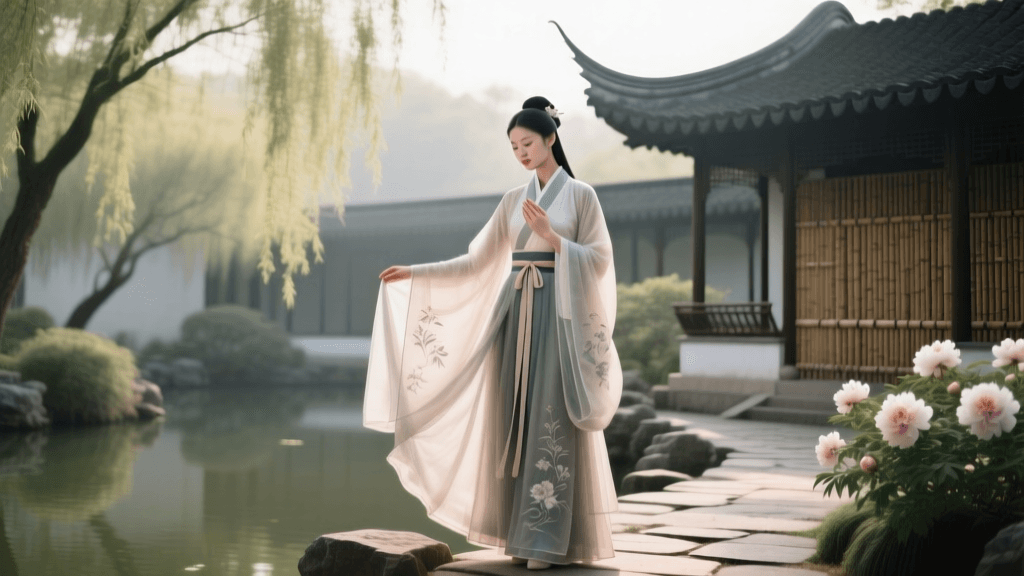
The Second Addition introduces garments that represent the pursuit of knowledge and the refinement of character. For women, a Song Dynasty Beizi (褙子) paired with a pleated skirt is highly popular due to its elegant, scholarly drape. For men, a classic Shenyi (深衣) or a Ming Dynasty Lanshan (襕衫) is the standard. The headwear is upgraded: men receive a scholar's cap, while women are adorned with a more intricate hairpin (Ji) crafted from silver or polished gemstones. The fabrics here shift to lightweight silks and sustainable peace-silk blends, offering a beautiful drape that photographs exceptionally well.
Third Addition (San Jia): The Garment of Full Adulthood
The final addition is the most magnificent, representing full adulthood, authority, and readiness to honor one's ancestors and society. Women typically don a formal Ming Dynasty Da Ao (大袄) with a heavily woven Mamianqun (horse-face skirt) featuring auspicious motifs like cranes or peonies. Men wear formal court-inspired robes, such as the Mang Pao (蟒袍) or a formal black and red Xuanduan (玄端). The headwear reaches its peak of formality with the Fengguan (phoenix crown) or elaborate gold-leaf hairpins for women, and the formal Guan cap for men. In 2026, AI-mapped custom brocade weaving allows families to commission bespoke third-addition garments featuring their specific family crests or personalized blessings woven directly into the Xiangyunsha (gambiered Canton gauze) silk.
Budgeting and Sourcing Table for 2026
Planning a Hanfu milestone ceremony requires careful budgeting. The market in 2026 offers a wide spectrum of options, from accessible ready-to-wear brands to haute couture historical reproductions. Below is a structured breakdown of estimated costs and sourcing recommendations.
| Garment Stage | Recommended Style | Estimated Cost (USD) | 2026 Sourcing & Trend Note |
|---|---|---|---|
| First Addition | Simple Cotton/Linen Ruqun or Zhuduan | $80 - $150 | Brands like Ting Yue; focus on organic hemp blends and minimalist Xin Zhongshi cuts. |
| Second Addition | Song Dynasty Beizi & Skirt / Ming Lanshan | $250 - $500 | Shisan Yu or custom tailors; lightweight sustainable silks and scholarly embroidery. |
| Third Addition | Ming Dynasty Da Ao & Mamianqun / Formal Shenyi | $800 - $2,500+ | Ming Hua Tang or bespoke ateliers; AI-mapped custom brocade, Xiangyunsha silk, gold-leaf weaving. |
| Accessories | Jade/Gold Hairpins, Scholar Caps, Ceremonial Shoes | $150 - $600 | Hand-forged copper-gold alloys and ethically sourced nephrite jade are trending this year. |
| Venue & Ritual Master | Temple Courtyard, Cultural Center, Zan Li (Master) | $500 - $1,200 | Booking a certified cultural heritage practitioner to officiate and recite the classical blessings. |
Key Roles and Ceremony Logistics
A successful Ji Li or Guan Li requires a dedicated team to maintain the solemnity and flow of the ritual. When organizing your 2026 event, ensure you assign the following traditional roles:
- The Host (Zhu Ren): Usually the parents of the initiate, who welcome guests and oversee the banquet.
- The Ritual Master (Zan Li): A knowledgeable officiant who guides the initiate through the physical movements, announces the stages, and ensures historical accuracy. Many cultural centers now offer certified Zan Li for hire.
- The Guest of Honor (Zheng Bin): A highly respected elder, mentor, or university professor chosen by the family. The Zheng Bin performs the actual capping or hairpinning and bestows the 'adult name' (Zi) upon the initiate.
- The Attendants (Zan Zhe): Peers or younger siblings who assist in carrying the garment trays and helping the initiate change between the Three Additions.
The Blessing Script
During the hairpinning or capping, the Zheng Bin recites a classical blessing. For a Ji Li, the traditional phrase translates to: 'In this auspicious month and on this lucky day, we begin the capping. Abandon your childish heart, and follow the virtues of adulthood. May you live long and prosper, and receive boundless blessings.' Modern ceremonies in 2026 often adapt this script to include contemporary aspirations, such as academic excellence, global citizenship, and personal well-being, while maintaining the classical cadence.
Blending Tradition with Xin Zhongshi Receptions
While the core ceremony demands strict historical adherence, the post-rite reception banquet is where the modern Xin Zhongshi (New Chinese Style) movement truly shines. In 2026, it is highly encouraged for the initiate to change into a modernized Hanfu-inspired evening gown or a tailored contemporary suit featuring traditional embroidery motifs for the dinner portion of the event.
Furthermore, guests and family members are often invited to wear Xin Zhongshi attire—such as mandarin-collar jackets, silk-blend wrap skirts, or structured coats with subtle traditional frog buttons. This creates a visually cohesive, culturally rich atmosphere without requiring every guest to invest in full historical regalia. Floral arrangements featuring traditional plum blossoms, orchids, and bamboo, combined with modern ambient lighting, bridge the gap between ancient rites and contemporary celebration.
Conclusion: Embracing Adulthood Through Heritage
Planning a Hanfu Ji Li or Guan Li in 2026 is a deeply rewarding endeavor that transforms a standard birthday or graduation into a profound cultural milestone. By carefully selecting historically grounded garments, respecting the philosophical weight of the Three Additions, and embracing the supportive roles of family and mentors, young adults can step into their future with a profound sense of identity and purpose. As the Hanfu movement continues to mature, these life milestone rites stand as a testament to the enduring power of Asian traditions in the modern world.