3D Fabric Drape Analysis in Chinese Fashion History Research 2026
The Evolution of Chinese Fashion History Education in 2026
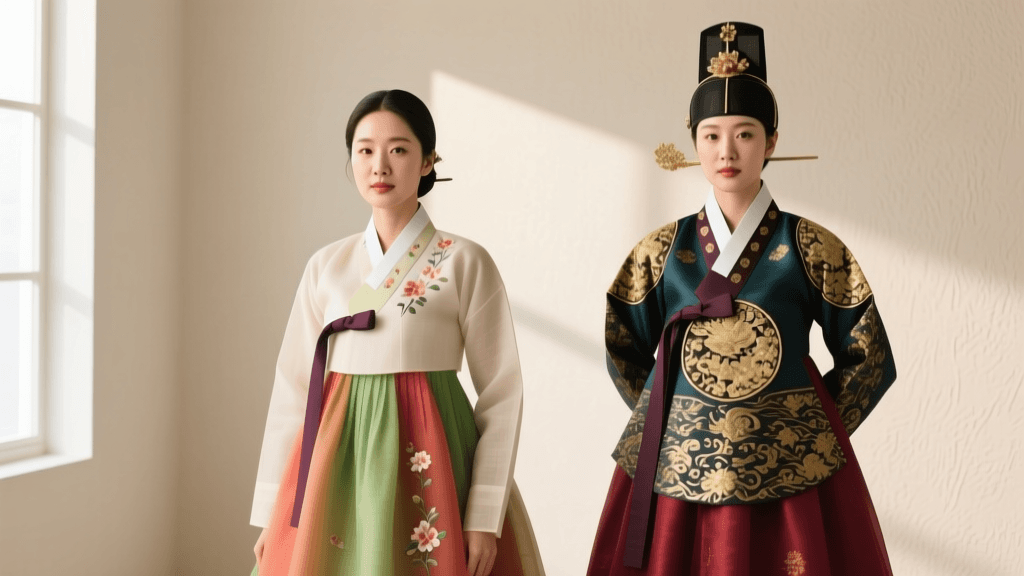
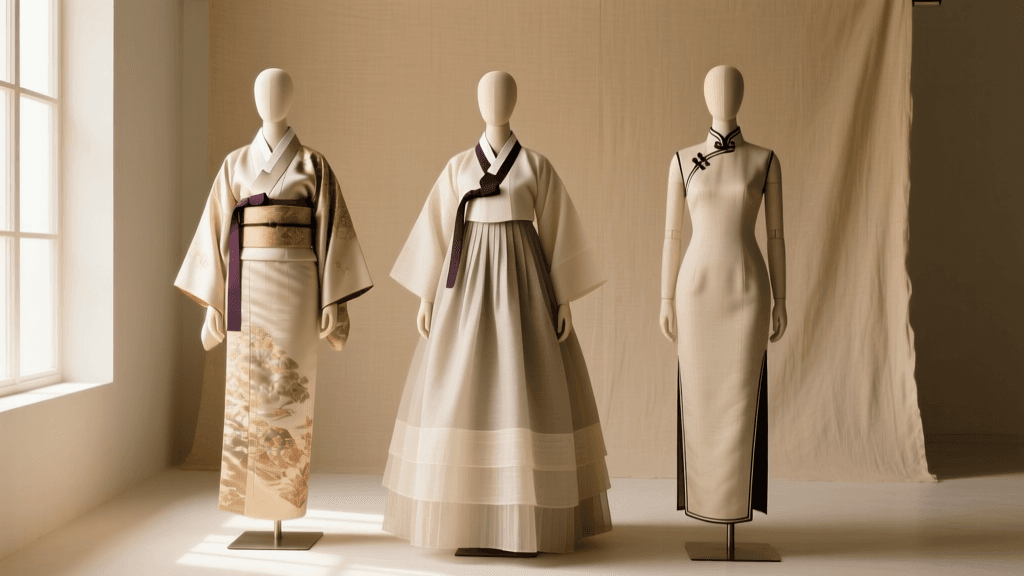
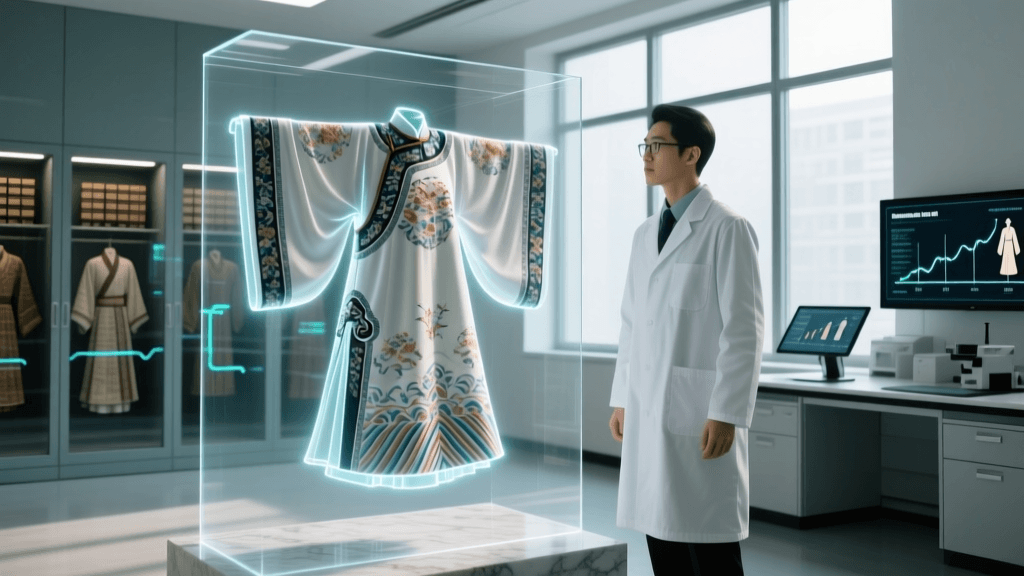
The academic study of Chinese fashion history has undergone a radical, technology-driven transformation by 2026. No longer confined to dusty archives, fragile light-degraded silk fragments, and static two-dimensional sketches, modern academic research now leverages advanced 3D fabric drape analysis and digital twin technology. This shift is largely propelled by the explosive growth of the Xin Zhongshi (new Chinese style) movement, which has transitioned from a niche streetwear trend into a rigorous field of academic and commercial research. Universities across Asia and the globe are now training a new generation of fashion historians who are equally proficient in ancient textile weaving techniques and algorithmic garment simulation.
For decades, researchers faced a critical dilemma: how to study the dynamic movement, weight, and structural integrity of historical garments without causing irreversible damage to priceless artifacts. Today, the integration of non-destructive spectroscopy, Kawabata Evaluation System (KES) fabric testing, and advanced 3D rendering engines allows scholars to resurrect ancient garments in virtual spaces. This comprehensive guide explores the cutting-edge methodologies, software, and academic programs defining Chinese fashion history education in 2026.
Core Technologies Powering Modern Textile Research
To accurately reconstruct historical garments, researchers must first understand the precise physical properties of ancient textiles. The drape of a Song Dynasty lightweight gauze robe behaves entirely differently from the heavy, structured brocades of the Ming Dynasty. Capturing this nuance requires a multi-step technological pipeline.
KES-FB Testing and Algorithmic Weaving
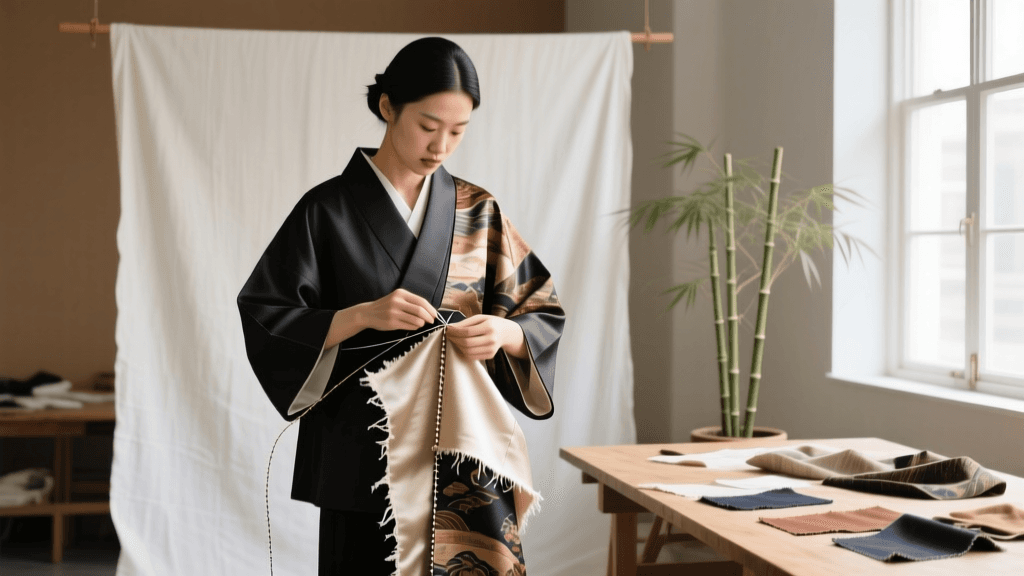
The foundation of any accurate 3D garment simulation is physical fabric data. In 2026, leading textile laboratories utilize the Kawabata Evaluation System for Fabrics (KES-FB) to measure the exact tensile strength, shear, bending, and surface friction of surviving historical textile fragments. Because testing original artifacts is often impossible due to their fragility, researchers use modern master weavers to recreate the exact thread count, twist ratio, and weaving structure (such as kesi silk tapestry or zhuanghua brocade). These modern replicas are then run through KES-FB machines to generate digital material presets.
CLO 3D and Marvelous Designer for Historical Reconstruction
Once the digital material presets are established, researchers import them into industry-standard simulation software. CLO Virtual Fashion has become the cornerstone of historical garment reconstruction. The platform's 2026 academic tier includes specialized gravity and collision engines capable of simulating the complex, multi-layered pleating of ancient skirts and the stiff, structured collars of formal court attire. By applying virtual avatars scaled to the exact anthropometric data of historical populations, researchers can observe how garments moved, restricted, or facilitated daily life in ancient China.
Case Study: Reconstructing the Ming Dynasty Mamianqun
One of the most intensely studied garments in current academic programs is the Mamianqun (horse-face skirt) of the Ming Dynasty. Characterized by its flat front and back panels with heavily pleated sides, the Mamianqun presents a unique challenge in fabric drape analysis. The kinetic behavior of the pleats during walking, sitting, and bowing requires immense computational power to simulate accurately.
By utilizing 3D drape analysis, researchers at top institutions have debunked several long-held myths regarding the skirt's construction. For instance, digital stress-testing has revealed that the specific placement of the waistband and the depth of the inner pleats were mathematically optimized to distribute the heavy weight of woven gold thread brocades, preventing the garment from tearing at the waist over years of use.
| Research Parameter | Traditional Archival Method | 2026 Digital Drape Method |
|---|---|---|
| Pleat Kinematics | Static photography and manual measurement of surviving flat-laid garments. | Dynamic physics simulation showing pleat expansion and collapse during simulated walking cycles. |
| Weight Distribution | Estimations based on fabric swatch weighing and historical text interpretation. | Real-time algorithmic heat-mapping of gravitational stress on seams and waistbands. |
| Wear-and-Tear Stress | Microscopic analysis of fraying on original artifacts (destructive over time). | Virtual friction testing to predict degradation patterns without touching the artifact. |
| Visual Documentation | 2D technical sketches and physical mannequin mounting (risks fabric stress). | 360-degree interactive digital twins accessible globally via VR and web portals. |
Leading Academic Institutions in 2026
The integration of these technologies is spearheaded by a select group of universities that have heavily invested in digital heritage labs. For students looking to pursue Chinese fashion history, these institutions offer the most robust curricula.
Donghua University (Shanghai)
Located in China's textile capital, Donghua University's Key Laboratory of Textile Science and Technology remains the premier destination for historical fabric research. In 2026, their curriculum mandates that all fashion history graduate students complete a module in digital material science. The university frequently collaborates with the China National Silk Museum to digitize rare Silk Road textile fragments, allowing students to run drape analyses on 8th-century Tang Dynasty silks without leaving the lab.
Tsinghua University Academy of Arts & Design (Beijing)
Tsinghua approaches Chinese fashion history from a cross-disciplinary angle, merging computer science with art history. Their Digital Heritage Lab focuses heavily on the algorithmic reconstruction of lost garments. By feeding ancient poetry, court paintings, and pottery figurines into AI-assisted modeling tools, Tsinghua researchers generate hypothetical 3D models of garments that no longer physically exist, subsequently testing their drape and structural viability.
The Hong Kong Polytechnic University (PolyU)
PolyU's Institute of Textiles and Clothing bridges the gap between historical research and the modern Xin Zhongshi commercial market. Their 2026 research initiatives focus on translating the complex drape and construction of ancient Hanfu and Qing Dynasty court wear into scalable, modern manufacturing patterns. Students learn how to use 3D simulation to adapt historical silhouettes for contemporary body types while maintaining the authentic kinetic flow of the original textiles.
Global Archival Access and Digital Preservation
A major breakthrough in 2026 is the democratization of archival access. International institutions have vastly improved their digital repositories, providing high-resolution photogrammetry and 3D scans of their Asian textile collections. The Victoria and Albert Museum's Asian Collections, for example, now offers open-access digital twins of their Qing Dynasty dragon robes. Researchers can download the topographical data of the embroidery, allowing them to simulate the stiffness that heavy metallic thread couching adds to the base silk satin, drastically altering the garment's drape coefficient.
Practical Roadmap for Aspiring Fashion Historians
If you are an academic, student, or serious enthusiast looking to engage with Chinese fashion history through the lens of modern technology, follow this actionable roadmap:
- Master the Software: Obtain an educational license for CLO 3D or Marvelous Designer. Focus specifically on learning how to manipulate the 'Bend', 'Shear', and 'Stretch' parameters in the material editor to mimic woven silks versus knitted or gauze fabrics.
- Understand Historical Weaves: You cannot simulate a fabric you do not understand. Study the structural differences between juan (plain weave silk), qi (patterned weave), and duan (satin). The float length of the yarn directly impacts the digital drape.
- Utilize Open-Source Anthropometric Data: Avoid using modern, default 3D avatars. Historical populations had different average heights, postures, and body compositions due to diet and lifestyle. Calibrate your virtual mannequins using archaeological skeletal data from relevant dynastic periods.
- Engage with the Xin Zhongshi Community: The commercial market is heavily funding academic research. Partner with modern heritage brands that are willing to fund your digital reconstructions in exchange for historically accurate pattern-making data.
The Future of the Discipline
As we move through 2026, the line between the archaeologist, the historian, and the digital artist continues to blur. 3D fabric drape analysis has proven that ancient Chinese garments were not merely static symbols of status, but highly engineered feats of textile science designed to interact beautifully with the human body in motion. By embracing these digital methodologies, academic institutions are ensuring that the tactile, kinetic magic of China's sartorial heritage is preserved, understood, and celebrated for generations to come.