Everyday vs Ceremonial Hanbok: The 2026 Buyer Guide
The Evolution of Korean Traditional Dress in 2026
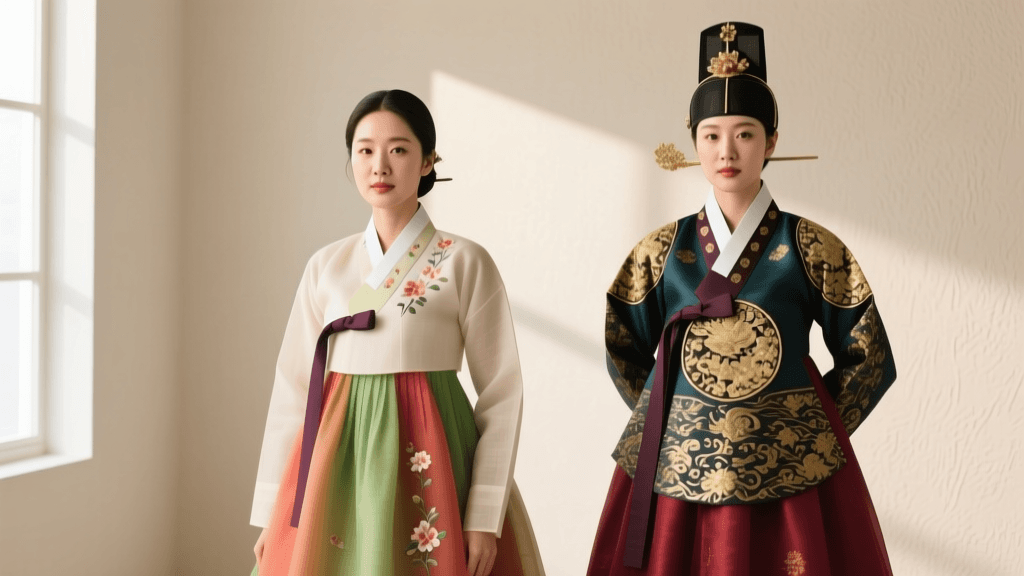
As we navigate the fashion landscape of 2026, the Korean hanbok continues to undergo a fascinating renaissance. Once relegated strictly to holidays and weddings, traditional Korean garments have now bifurcated into two distinct, highly developed categories: the practical, modernized everyday wear known as saenghwal hanbok (living hanbok), and the meticulously preserved ceremonial myeongjeol hanbok (holiday and formal hanbok). Understanding the distinction between these two styles is crucial for anyone looking to invest in authentic Asian traditional garments this year. According to historical archives and cultural exhibitions at the National Folk Museum of Korea, the structural integrity and symbolic meanings of the hanbok have remained intact for centuries, even as the textiles and daily applications have evolved to meet contemporary needs.
Whether you are a K-fashion enthusiast looking to integrate subtle traditional elements into your daily wardrobe, or a collector seeking a museum-quality ceremonial piece for a milestone event, this comprehensive 2026 buyer guide will break down the construction, costs, and care requirements of both hanbok categories.
Saenghwal Hanbok: The Everyday Essential
The saenghwal hanbok movement, which gained massive traction in the early 2020s, has fully matured by 2026. Designed for daily life, commuting, and casual social gatherings, the everyday hanbok prioritizes mobility, ease of care, and modern aesthetic sensibilities while retaining the fundamental silhouette of the traditional jeogori (jacket) and chima (skirt) or baji (trousers).
Design and Construction Adaptations
In 2026, the most prominent feature of the saenghwal hanbok is the structural simplification of the goreum (the long front ties). While traditional hanbok requires the wearer to master a specific, voluminous knotting technique, everyday versions often feature shortened, pre-tied goreum, hidden snap buttons, or even magnetic clasps disguised as traditional knots. The chima (skirt) frequently incorporates elasticized waistbands or hidden side-zippers, eliminating the need for complex wrapping and tying. Furthermore, the hemline of the jeogori has been standardized to sit comfortably at the natural waist, preventing the fabric from bunching when sitting or driving.
2026 Fabric Trends and Pricing
Cotton-linen blends, washed ramie, and high-quality recycled polyester that mimics the sheen of silk dominate the 2026 everyday market. These fabrics are chosen specifically for their machine-washability and breathability. A complete, high-quality saenghwal hanbok set (jeogori and chima/baji) from a reputable contemporary Korean designer currently ranges from 80,000 KRW to 220,000 KRW (approximately $60 to $165 USD), making it an accessible entry point for global buyers.
Myeongjeol Hanbok: Ceremonial and Formal Wear
In stark contrast, the myeongjeol hanbok (and its more formal cousin, the hollye hanbok for weddings) is an exercise in sartorial discipline, historical accuracy, and luxurious craftsmanship. Worn during major holidays like Seollal (Lunar New Year) and Chuseok, or for milestone celebrations like doljanchi (first birthdays) and weddings, ceremonial hanbok demands strict adherence to traditional construction methods.
Uncompromising Traditional Details
Ceremonial garments feature the dongjeong, a stiff, pristine white paper or fabric collar that frames the face and signifies cleanliness and formality. The goreum are long, wide, and must be tied by hand into the traditional butterfly-like knot. The silhouette is deliberately voluminous; the skirts are heavily pleated and require multiple layers of sokchima (underskirts) to achieve the proper bell-like shape. As noted by cultural preservation initiatives highlighted by the Korean Culture and Information Service, the ceremonial hanbok serves as a wearable archive of Korean heritage, utilizing natural dyeing techniques and hand-stitching that are protected as intangible cultural assets.
Premium Textiles and Investment Costs
The 2026 market for ceremonial hanbok is defined by premium natural fibers: pure mulberry silk, intricate gold-leaf stamping (geumbak), and hand-woven ramie. Because these garments are often tailored to the individual and require dozens of hours of hand-finishing, the price point reflects their status as heirloom investments. A standard adult ceremonial set begins around 450,000 KRW ($335 USD) and can easily exceed 2,500,000 KRW ($1,850 USD) for bespoke, master-crafted wedding robes like the hwarot or wonsam.
Feature Comparison: Everyday vs. Ceremonial Hanbok (2026 Market Data)
| Feature | Saenghwal (Everyday) | Myeongjeol (Ceremonial) |
|---|---|---|
| Primary Fabrics | Cotton, linen, washed ramie, poly-blends | Mulberry silk, raw silk, hand-woven ramie |
| Skirt Fastening | Elastic waist, hidden zippers, velcro | Traditional wrapping, long fabric ties |
| Collar (Dongjeong) | Soft, integrated, or detachable snap-on | Stiff, hand-stitched, requires frequent replacement |
| Goreum (Ties) | Shortened, pre-tied, or magnetic clasps | Long, wide, requires manual traditional knotting |
| Wash Care | Machine wash cold, gentle cycle | Specialist dry clean only, spot treatment |
| Avg. Price (2026) | $60 - $165 USD | $335 - $1,850+ USD |
| Primary Use Case | Office wear, cafes, casual travel, daily life | Lunar New Year, Chuseok, weddings, formal tea |
Sizing and Measurements for the Modern Buyer
When purchasing hanbok online in 2026, understanding traditional Korean measurements is vital, as sizing differs significantly from Western apparel standards. Hanbok is generally sized by the Pum (width of the shoulders and chest) and the Hwajang (sleeve length from the center back of the neck to the wrist).
- Jeogori (Jacket) Sizing: Most everyday brands use standard S/M/L sizing based on bust measurements (e.g., Small fits 80-85cm, Medium fits 85-90cm). However, ceremonial tailors will require your exact git-bae-mae (the angle and length of the front lapels) to ensure the jacket crosses perfectly over the chest without gaping.
- Chima (Skirt) Length: For everyday wear, the 2026 trend favors the ban-chima (half-skirt) that hits mid-calf or ankle, allowing for comfortable walking in sneakers or loafers. Ceremonial skirts must graze the floor, completely hiding the feet and shoes, which requires measuring from the underbust (where the skirt sits) down to the floor while wearing the specific heels or traditional kkotsin shoes you plan to wear.
2026 Fabric Innovations and Sustainability
A major talking point in the 2026 Asian traditional garment sector is sustainability. The everyday hanbok market has seen a surge in eco-friendly textiles. Designers are now utilizing piña (pineapple leaf fiber) blended with organic cotton to replicate the crisp, cooling texture of traditional summer ramie, but with a significantly lower water footprint. Conversely, the ceremonial market has focused on ethical sericulture. High-end boutiques in Seoul’s Bukchon Hanok Village are now offering traceable silks, where buyers can verify the ethical sourcing of the mulberry silk and the use of plant-based, non-toxic mordants for vibrant traditional colors like oksaek (the five cardinal colors of Korean philosophy).
Care and Maintenance Guide
Proper care ensures your garments last for generations. The maintenance routines for everyday and ceremonial pieces are vastly different.
Caring for Saenghwal (Everyday) Hanbok
- Washing: Turn the garment inside out and place it in a mesh laundry bag. Wash on a delicate cycle with cold water and a neutral pH detergent.
- Drying: Never tumble dry. Hang the chima on a padded hanger to air dry. The jeogori should be laid flat to prevent the shoulders from stretching.
- Ironing: Use a low-heat steam iron. For cotton-linen blends, iron while the fabric is slightly damp to easily remove creases.
Caring for Myeongjeol (Ceremonial) Hanbok
- Cleaning: Avoid washing entirely. Take the garment to a dry cleaner who specializes in traditional Asian textiles and understands the fragility of geumbak (gold leaf) and hand-dyed silks.
- Airing Out: After wearing, hang the hanbok in a well-ventilated, shaded area for 24 hours to allow moisture and odors to dissipate before storing.
- Storage: Store in a breathable cotton garment bag. Never use plastic covers, as they trap humidity and cause silk to yellow. Include natural camphor or cedar blocks to deter moths, but ensure they do not directly touch the silk.
Final Thoughts on Building Your 2026 Wardrobe
The dichotomy between the saenghwal and myeongjeol hanbok reflects a beautiful balance in modern Korean culture: a deep reverence for historical preservation coupled with a pragmatic, forward-looking approach to daily life. For the international buyer in 2026, starting with a versatile, neutral-toned everyday hanbok is the perfect way to appreciate the garment's elegant geometry. Once you have mastered the styling and comfort of the saenghwal piece, investing in a bespoke ceremonial set becomes a deeply rewarding cultural experience. Whether you are sipping matcha in a modernized hanbok or celebrating a major life milestone in flowing silk, understanding these distinctions ensures you wear the right garment for the right moment.