2026 Hanfu Stylist Certification: Top Workshops Reviewed
The Evolution of Hanfu Education in 2026
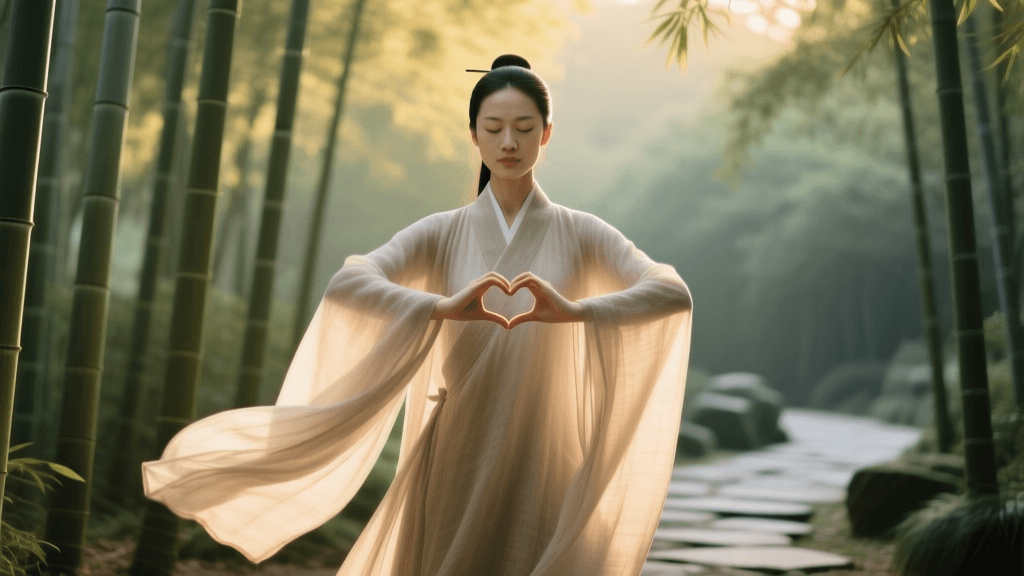
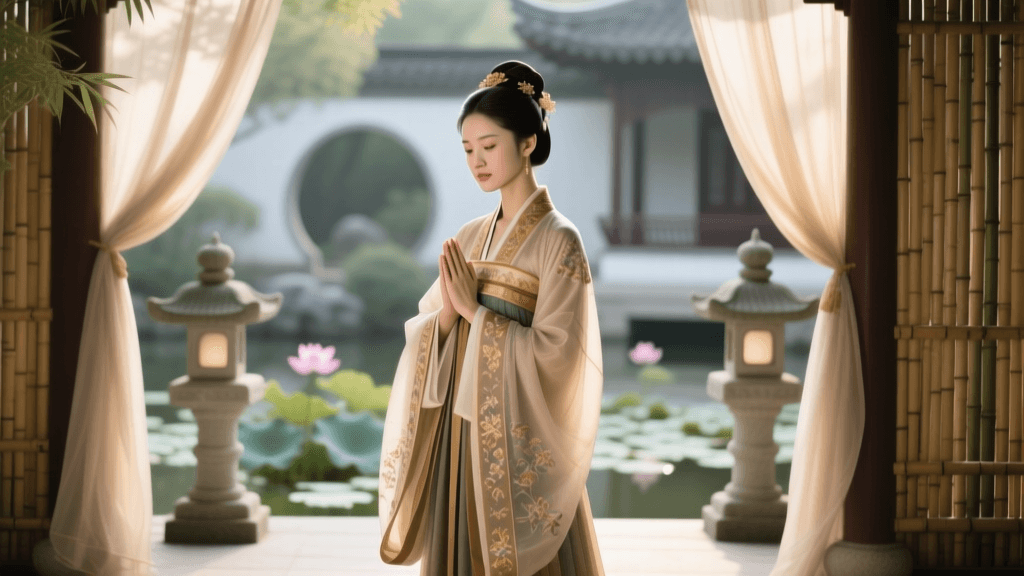
The global resurgence of traditional Chinese clothing has transitioned from a passionate grassroots hobby into a highly professionalized industry. As we navigate 2026, the demand for certified Hanfu stylists, historical dress consultants, and textile preservationists has never been higher. Film studios, high-fashion editorial teams, and cultural tourism boards are no longer relying solely on enthusiastic amateurs; they require professionals with verified credentials in dynastic accuracy, textile identification, and traditional draping techniques. Hanfu education workshops and certification programs have evolved to meet this demand, offering rigorous, standardized curricula that bridge the gap between ancient craftsmanship and modern styling requirements.
Today, achieving a Hanfu Stylist Certification is a mark of prestige and historical literacy. It signifies that the practitioner understands not just how to tie a sash or layer a Ruqun, but the profound socio-cultural contexts of the Tang, Song, and Ming dynasties. For those looking to turn their passion for Asian traditions into a viable career, selecting the right educational workshop is the critical first step.
Core Curriculum: What You Learn in a Certified Program
In 2026, top-tier certification programs have moved beyond basic dressing tutorials. They now encompass a multidisciplinary approach to historical fashion, integrating material science, digital design, and cultural anthropology.
Dynastic Silhouette and Pattern Drafting
A cornerstone of any reputable certification is the mastery of dynastic silhouettes. Students learn the structural differences between the sweeping, high-waisted Qixiong Ruqun of the Tang Dynasty and the structured, dignified Mamianqun (horse-face skirt) and Daopao (cross-collar robe) of the Ming Dynasty. Modern programs now utilize CLO 3D digital sampling alongside traditional flat-pattern drafting. This allows students to simulate the drape of heavy silks versus lightweight linens, ensuring historical accuracy in how the fabric behaves in motion before a single piece of cloth is cut.
Textile Identification and Sustainable Dyeing
Understanding the material is just as important as understanding the shape. Certified programs train students to identify authentic traditional weaves such as Song Brocade, Shu Brocade, and Xiangyunsha (gambiered Canton gauze). Furthermore, with the fashion industry's pivot toward sustainability, 2026 workshops heavily feature modules on heritage eco-dyeing. Students learn to replicate historical colors using madder root, indigo, and pagoda tree buds, aligning with the preservation goals outlined by UNESCO's Intangible Cultural Heritage registry for China, which emphasizes the safeguarding of traditional sericulture and silk craftsmanship.
Modern Styling and AI-Assisted Historical Verification
The most cutting-edge addition to the 2026 curriculum is AI-assisted verification. Stylists are trained to use specialized databases that cross-reference unearthed textile fragments and historical murals. When designing a custom ensemble for a client or a film production, stylists can use these tools to verify the historical plausibility of specific collar widths, sleeve shapes, and embroidery motifs, ensuring a respectful and accurate representation of the era.
Top Hanfu Certification Workshops for 2026
With dozens of programs now available globally, we have reviewed the top three certification tracks that offer the highest return on investment, the most rigorous historical standards, and the best industry networking opportunities.
1. The Xi'an Tang Dynasty Immersion Track
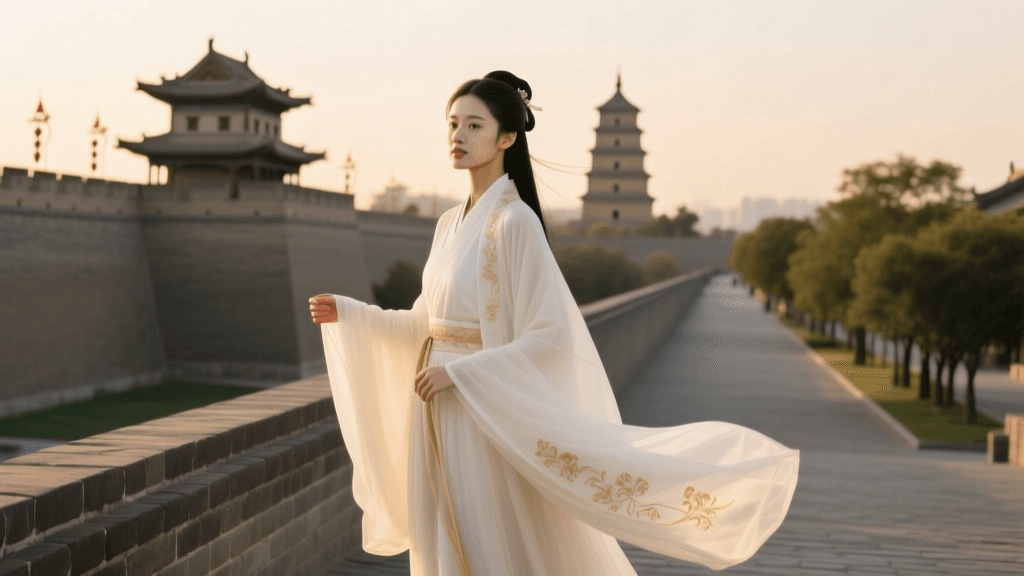
Located in the cultural heartland of Xi'an, this intensive, in-person workshop is designed for stylists focusing on theatrical, performance, and cultural tourism applications. The curriculum leans heavily into the opulent, cosmopolitan aesthetics of the Tang Dynasty. Students spend four weeks studying mural paintings, practicing the intricate wrapping techniques of Pibo (silk shawls), and mastering the elaborate hairpin placements required for period-accurate updos.
Best for: Costume designers for historical dramas, theme park creative directors, and tourism board consultants.
Prerequisites: Basic sewing skills and a foundational knowledge of Chinese history.
2. The Hangzhou Silk & Song Dynasty Minimalist Program
Hosted in Hangzhou, the historic capital of silk production, this program is the gold standard for high-fashion consultants and textile conservators. The Song Dynasty is renowned for its understated elegance, clean lines, and sophisticated textile patterns. This six-week program includes exclusive access to master weavers and focuses heavily on the Beizi (parallel-collar jacket) and the subtle art of tone-on-tone layering. The Victoria and Albert Museum's Asian collections frequently serve as digital reference points in this course for studying the preservation of delicate historical weaves and structural integrity.
Best for: High-fashion editorial stylists, luxury brand consultants, and textile conservators.
Prerequisites: A portfolio demonstrating advanced fashion styling or textile design.
3. The Global Virtual Hanfu Stylist Certificate
For international students and diaspora practitioners who cannot travel to China for extended periods, this fully virtual, interactive program has become the industry standard in 2026. Utilizing augmented reality (AR) fitting rooms and digital textile libraries, students learn the mechanics of Hanfu layering, the rules of left-over-right collar wrapping (and the vital cultural exceptions for mourning dress), and modern styling adaptations for contemporary wardrobes.
Best for: Independent bridal stylists, content creators, and global cultural educators.
Prerequisites: None; open to dedicated beginners and intermediate enthusiasts.
Comparison Chart: 2026 Hanfu Certification Programs
| Program Name | Primary Focus | Duration | 2026 Cost (USD) | Certification Level |
|---|---|---|---|---|
| Xi'an Tang Immersion | Theatrical & Tourism | 4 Weeks (In-Person) | $3,200 | Master Stylist |
| Hangzhou Silk & Song | Textiles & High Fashion | 6 Weeks (In-Person) | $4,800 | Textile Conservator & Stylist |
| Global Virtual Certificate | Bridal & Modern Styling | 12 Weeks (Online) | $1,450 | Certified Hanfu Consultant |
Career Opportunities for Certified Hanfu Stylists
Obtaining a certification in 2026 opens doors to a rapidly expanding job market. The entertainment industry is a major employer; as audiences become more critical of historical inaccuracies in period dramas, production companies are actively hiring certified consultants to oversee wardrobe departments. According to historical textile references maintained by the Metropolitan Museum of Art's Asian Art department, the structural nuances of Ming dynasty court robes require specialized knowledge that general costume designers often lack, making certified Hanfu experts invaluable on set.
Beyond film, the luxury wedding sector has seen a massive surge in traditional Chinese ceremony requests. Certified stylists are hired to curate authentic Longfeng Gua (dragon and phoenix jackets) and Ming-style wedding ensembles, ensuring that the embroidery motifs and color palettes align with traditional auspicious meanings. Additionally, cultural institutions and museums frequently contract certified professionals to design interactive exhibits, manage historical garment archives, and lead public education workshops.
How to Choose the Right Program and Prepare
When selecting a workshop, consider your ultimate career trajectory. If your goal is to work in film and television, the theatrical focus of the Xi'an track is unparalleled. If you wish to consult for modern fashion houses looking to integrate traditional Chinese elements into contemporary collections, the Hangzhou program's focus on textile and minimalist aesthetics is ideal.
To prepare for your application, begin building a digital mood board that demonstrates your understanding of color theory and historical context. Familiarize yourself with the basic terminology—know the difference between a Jiaoling Youren (cross-collar right lapel) and a Yuanlingpao (round-collar robe). Finally, ensure you have a reliable digital setup if applying for the virtual track, as the 2026 AR draping modules require substantial processing power and a high-speed connection.
"True mastery of Hanfu is not about rigidly copying the past, but understanding the philosophy of the fabric, the flow of the dynastic lines, and the cultural respect embedded in every stitch." — 2026 International Traditional Garment Guild Syllabus.
By investing in a formal Hanfu education workshop this year, you position yourself at the forefront of a cultural renaissance, equipped with the skills to preserve, protect, and beautifully present Asian traditions to the modern world.