Ceremonial vs Everyday Hanbok: 2026 Styling & Buying Guide
The Evolution of Korean Dress in 2026
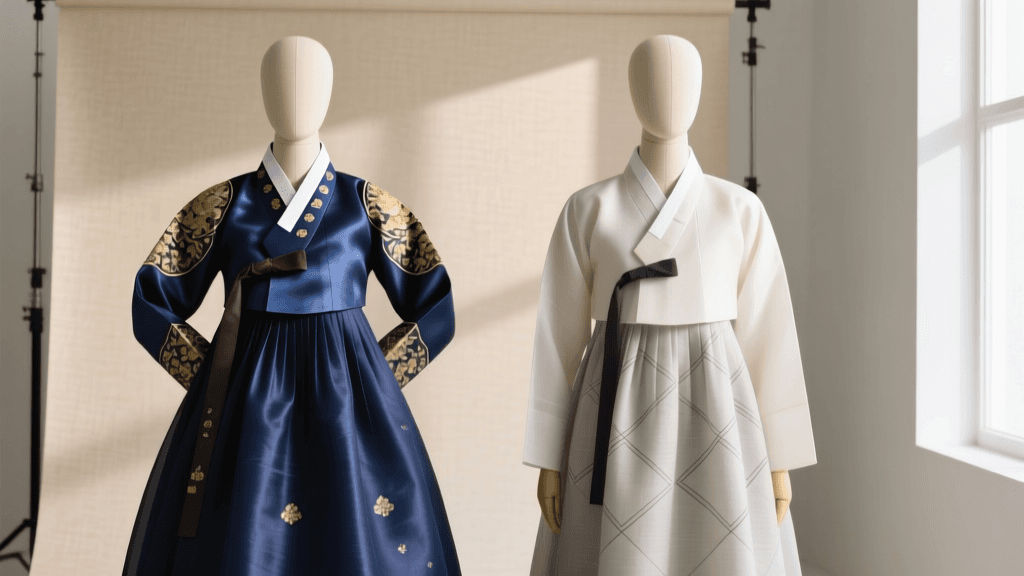
In 2026, the global appreciation for Korean traditional dress has matured far beyond fleeting fashion trends into a sustained, deep-rooted respect for garment architecture and cultural heritage. The hanbok, characterized by its vibrant colors, graceful lines, and voluminous silhouettes, is no longer confined to museum displays or historical dramas. Today, it exists in two distinct but equally important spheres: the highly structured, luxurious ceremonial hanbok and the practical, modernized everyday saenghwal hanbok. Understanding the nuances between these two categories is essential for collectors, cultural enthusiasts, and modern consumers looking to invest in authentic Korean garments.
According to the Korea.net official cultural heritage portal, the contemporary hanbok movement is defined by a strict bifurcation. On one hand, master artisans continue to preserve the meticulous, hand-stitched techniques of royal and ceremonial court dress. On the other, a new generation of designers is engineering the saenghwal (daily living) hanbok, utilizing advanced 2026 textile technologies to make traditional silhouettes viable for modern commutes, office environments, and casual social gatherings.
The Ceremonial Hanbok: Heritage in Silk and Structure
Ceremonial hanbok, often referred to as Myeongjeol hanbok (festive dress) or Honrye-bok (wedding attire), represents the pinnacle of Korean textile artistry. These garments are designed for high-stakes cultural events, traditional weddings, first birthday celebrations (doljanchi), and ancestral rites (charye). The primary focus of ceremonial wear is symbolic meaning, historical accuracy, and visual grandeur.
Construction and Layering
A true ceremonial hanbok is a masterclass in layering. For women, the foundation begins with the sokjeoksam (inner skirt) and sokgot (inner trousers), followed by the voluminous chima (outer skirt) which can require up to eight yards of fabric to achieve the traditional bell-like drape. The upper garment, or jeogori, is tailored with precise, curved sleeve lines (baerae) that mimic the eaves of traditional Korean architecture. Over this, a durumagi (overcoat) or, in bridal cases, a heavily embroidered hwalot or wonsam (dragon robe) is worn.
For men, ceremonial wear includes the jeogori, baji (trousers), durumagi, and often a gwanmo (traditional hat). The use of obangsaek—the five traditional cardinal colors representing the yin-yang and five elements theory—is strictly observed in children's festive wear (saekdong jeogori) and specific adult ceremonial garments.
Materials and 2026 Pricing
Ceremonial garments rely heavily on premium natural fibers. Heavy silk satins, silk gauzes, and ramie are the standard. In 2026, authentic geumbak (gold-leaf stamping) applied by certified artisans commands a significant premium. A fully custom, hand-stitched ceremonial silk set from a master tailor in Seoul's Bukchon district typically ranges from $1,500 to $4,500, with bridal hwalot replicas exceeding $6,000 due to the hundreds of hours required for hand-embroidery.
Saenghwal Hanbok: The Everyday Revolution
While ceremonial hanbok preserves the past, the saenghwal hanbok (everyday hanbok) is designed for the present. The term translates directly to "living hanbok," indicating garments engineered for the physical demands of modern daily life, public transit, and contemporary workspaces.
Design Modifications for Modernity
The saenghwal hanbok strips away the complex layering of its ceremonial counterpart. The chima is shortened to midi or ankle length and often features hidden side pockets and elasticized or zippered waistbands, replacing the traditional long, tied sash (goreum). The jeogori is simplified; the stiff white detachable collar (dongjeong) is frequently replaced by a soft, machine-washable cotton lining, and the sleeves are narrowed to prevent catching on modern furniture or keyboards.
2026 Fabric Innovations
The most significant evolution in the everyday hanbok is textile engineering. In 2026, leading Korean textile mills have introduced temperature-regulating ramie-linen blends and wrinkle-resistant organic cottons specifically woven for hanbok silhouettes. These fabrics offer the crisp, structural drape required to maintain the hanbok's distinct A-line shape without the crushing and high-maintenance dry-cleaning associated with traditional silks. Off-the-rack saenghwal sets are highly accessible in 2026, generally priced between $70 and $220, making them an affordable entry point into traditional dress.
2026 Comparison Chart: Ceremonial vs. Everyday Hanbok
| Feature | Ceremonial Hanbok (Myeongjeol/Honrye) | Everyday Hanbok (Saenghwal) |
|---|---|---|
| Primary Occasion | Weddings, Chuseok, Seollal, Doljanchi | Daily wear, office, cafes, casual travel |
| Core Fabrics | Heavy silk satin, silk gauze, pure ramie | Cotton-linen blends, Tencel, washable synthetics |
| Fastening Method | Traditional long tied Goreum (ribbon) | Hidden hooks, zippers, snap buttons, short Goreum |
| Collar (Dongjeong) | Stiff, detachable, heavily starched white paper/cloth | Soft, attached, machine-washable cotton |
| Skirt (Chima) Volume | Extremely voluminous, floor-sweeping, multi-layered | Streamlined A-line, midi-length, single layer |
| 2026 Average Cost | $1,500 - $4,500+ (Custom/Bespoke) | $70 - $220 (Ready-to-wear) |
| Care Instructions | Specialist dry clean, flat storage in Bojagi | Machine wash cold, hang dry, standard ironing |
Styling the Everyday Hanbok in 2026
One of the most exciting aspects of the 2026 fashion landscape is the hybridization of the saenghwal hanbok with contemporary Western wardrobes. You no longer need to wear a full matching set to honor the tradition. Here are three highly popular styling formulas seen in Seoul's fashion districts this year:
- The Office Silhouette: Pair a solid-colored, tailored cotton jeogori with high-waisted, wide-leg tailored trousers. The cropped hem of the jacket naturally defines the waist without the need for tucking, creating a sharp, professional look.
- The Weekend Cafe Look: Layer a lightweight, sleeveless jeogori vest over a simple white turtleneck or crisp button-down shirt, paired with a dark denim midi skirt. This highlights the traditional neckline and collar while remaining thoroughly modern.
- Transitional Outerwear: Utilize a modernized durumagi (overcoat) cut from wool-blend tweed as a duster coat over a minimalist slip dress. The subtle side slits and curved hemlines of the coat add dynamic movement to a simple outfit.
"The modernization of the hanbok is not about erasing its history, but about translating its architectural beauty into the vocabulary of contemporary daily life. When we separate the ceremonial from the everyday, we allow both to thrive on their own terms."
— Dr. Min-ji Park, Textile Historian, 2026 Seoul Fashion Symposium
Care and Maintenance Guidelines
Proper care is vital to preserving the structural integrity and historical value of these garments, particularly when dealing with natural dyes and delicate weaves.
Ceremonial Care
Silk and gold-leaf stamped ceremonial garments must never be washed with water. In 2026, specialized heritage dry-cleaning services in major metropolitan areas use organic, non-abrasive solvents to clean silk without stripping the natural sericin. When storing, the garments should be carefully folded using the traditional jibgi method to avoid permanent creasing along the bias, and wrapped in breathable cotton bojagi (wrapping cloths). Always include natural cedar blocks or dried mugwort sachets to deter moths and absorb ambient humidity.
Everyday Care
Saenghwal hanbok is designed for convenience. Most 2026 cotton and Tencel blends can be machine washed on a delicate cycle with cold water and a pH-neutral detergent. Avoid tumble drying, as high heat can warp the reinforced seams that give the chima its shape. Instead, hang the garments on wide, padded hangers in the shade. A quick pass with a steam iron on a medium setting will easily restore the crisp lines of the jeogori collar and sleeves.
Sourcing Authentic Garments
For those looking to acquire authentic pieces in 2026, the market offers robust options for both international buyers and domestic shoppers. The National Museum of Korea's historical textile collections frequently inspire modern licensed collaborations, which are excellent entry points for museum-grade replicas. For bespoke ceremonial wear, the boutiques lining Anguk-dong and Bukchon in Seoul remain the gold standard, offering consultations with master tailors who measure not just your dimensions, but your posture and gait to ensure the silk drapes perfectly in motion.
For everyday saenghwal hanbok, online platforms have vastly improved their global logistics. Brands such as Leesle and Tchai Kim offer comprehensive English-language sizing guides and international shipping, utilizing 2026's advanced 3D-body-scanning apps to ensure a near-perfect fit for ready-to-wear pieces ordered from overseas. As noted in the Encyclopedia Britannica's comprehensive guide to Hanbok, the accessibility of these garments has transformed them from isolated cultural artifacts into a living, breathing component of the global fashion ecosystem.
Final Thoughts
Whether you are investing in a breathtaking, hand-embroidered silk wonsam for a milestone celebration, or purchasing a breezy linen saenghwal set for a summer stroll, understanding the distinct purposes of these garments ensures you respect the tradition while embracing its modern utility. The hanbok in 2026 is a testament to the fact that true cultural heritage does not remain static; it adapts, breathes, and walks confidently into the future.