Japanese Summer Garments 2026: Ro, Sha, and Yukata Guide
Introduction to Japanese Summer Garments in 2026
As global temperatures continue to rise, the summer of 2026 has brought unprecedented heatwaves across East Asia, prompting a renewed interest in the ingenious, climate-adaptive design of traditional Japanese clothing. While the kimono is often associated with heavy, multi-layered silk worn during the winter months, Japanese textile artisans have spent centuries perfecting sheer, breathable fabrics specifically engineered for the sweltering heat of the rainy season and the peak of summer. For enthusiasts of Asian traditions, understanding the nuanced differences between Ro, Sha, and the ubiquitous Yukata is essential for navigating the 2026 summer festival season with both authenticity and comfort.
The Japanese concept of seasonal dressing, known as kisetsukan, dictates not just the motifs embroidered onto a garment, but the very physical structure of the textile. According to the Metropolitan Museum of Art, the evolution of the kimono is deeply intertwined with Japan's distinct seasons, resulting in a highly codified wardrobe that shifts in weight, opacity, and weave as the weather changes. In this comprehensive 2026 guide, we will explore the technical differences between Japan's premier summer garments, how to style them for contemporary wear, and where to source authentic pieces in today's market.
Understanding the Fabrics: Ro, Sha, and Cotton
To the untrained eye, a sheer silk kimono might simply look like a lightweight summer dress. However, traditional Japanese weaving categorizes summer silks into highly specific structures, each with its own seasonal window and level of formality.
Ro (縞): The Leno Weave Masterpiece
Ro is a luxurious silk fabric characterized by its leno weave, which creates a sheer, net-like texture. The defining visual feature of Ro is the presence of distinct horizontal lines (called ro-ujima) that appear every few millimeters across the fabric. This is achieved by twisting adjacent warp threads together and passing the weft thread through the resulting gap. The horizontal lines give Ro a subtle, structured texture that catches the light beautifully. Because of its intricate weaving process, Ro is generally considered the more formal of the two sheer silks and is traditionally worn during the peak heat of July and August.
Sha (紗): The Ethereal Gauze
Sha is also a sheer silk fabric, but it utilizes a simpler gauze weave. Unlike Ro, Sha does not feature the distinct horizontal lines, resulting in a smoother, more uniformly transparent appearance. It is incredibly lightweight and allows for maximum airflow. Because it is slightly less formal and visually 'cooler' than Ro, Sha is traditionally reserved for the early summer month of June and the transitional month of September, before and after the most oppressive heat of the year.
Yukata: The Casual Cotton Staple
Unlike Ro and Sha, which are woven from silk, the Yukata is made from cotton or, increasingly in 2026, cotton-linen blends. Originally designed as a bathrobe for the aristocracy in the Heian period, the yukata evolved into the standard casual wear for commoners during the Edo period. Today, it is the undisputed king of summer festivals (matsuri) and fireworks displays (hanabi). The Victoria and Albert Museum notes that while the kimono requires specialized undergarments and complex tying techniques, the yukata's simplicity and washability have cemented its status as the most accessible form of traditional Japanese dress globally.
2026 Comparison Chart: Ro, Sha, and Yukata
To help you make informed purchasing and styling decisions this year, we have compiled a detailed comparison of these three summer garments based on 2026 market standards and traditional rules.
| Feature | Ro (Silk) | Sha (Silk) | Yukata (Cotton/Linen) |
|---|---|---|---|
| Material | 100% Silk | 100% Silk | Cotton, Hemp, or Blends |
| Weave Structure | Leno weave with horizontal lines | Gauze weave, uniform sheer | Plain weave, opaque |
| Formality Level | Semi-formal to Formal | Semi-formal | Strictly Casual |
| Traditional Season | July and August | June and September | June through August |
| Undergarments | Sheer silk juban and hadajuban | Sheer silk juban and hadajuban | None, or modern cooling slip |
| 2026 Avg. Retail Price | $450 - $2,500+ | $300 - $1,800+ | $40 - $150 |
| Care Requirements | Specialist dry clean (Maruarai) | Specialist dry clean (Maruarai) | Machine or hand washable |
Seasonal Rules and Climate Adaptations for 2026
Traditionally, the Japanese kimono calendar is strictly codified. Awase (lined kimono) are worn from October to May, Hitoe (unlined, opaque silk) is worn in June and September, and Natsumono (sheer summer garments like Ro and Sha) are strictly for July and August. However, the reality of the 2026 climate has forced a pragmatic shift in how enthusiasts approach these rules.
With the rainy season (tsuyu) ending earlier and extreme heat domes settling over cities like Kyoto and Tokyo as early as late May, strict adherence to the historical calendar can result in severe heat exhaustion. Modern kimono stylists and cultural authorities, including guidelines echoed by the Japan National Tourism Organization regarding comfortable cultural experiences, now advocate for 'climate-first' dressing. It is entirely acceptable, and highly recommended, to transition to Sha in mid-May and Ro by early June if the ambient temperature exceeds 28°C (82°F). The aesthetic principle of suzushisa (visual coolness and refreshment) is prioritized over rigid calendar dates, ensuring the wearer remains comfortable while still projecting seasonal elegance.
Modern Styling and Cooling Innovations
Styling sheer silk in 2026 requires careful consideration of what lies beneath. Because Ro and Sha are transparent, the undergarments (juban) are highly visible and form an integral part of the overall aesthetic. For 2026, the market has seen a surge in high-tech cooling innerwear specifically designed for kimono. Brands are utilizing phase-change materials and moisture-wicking bamboo fibers to create sheer juban that lower the wearer's core temperature by up to 2°C.
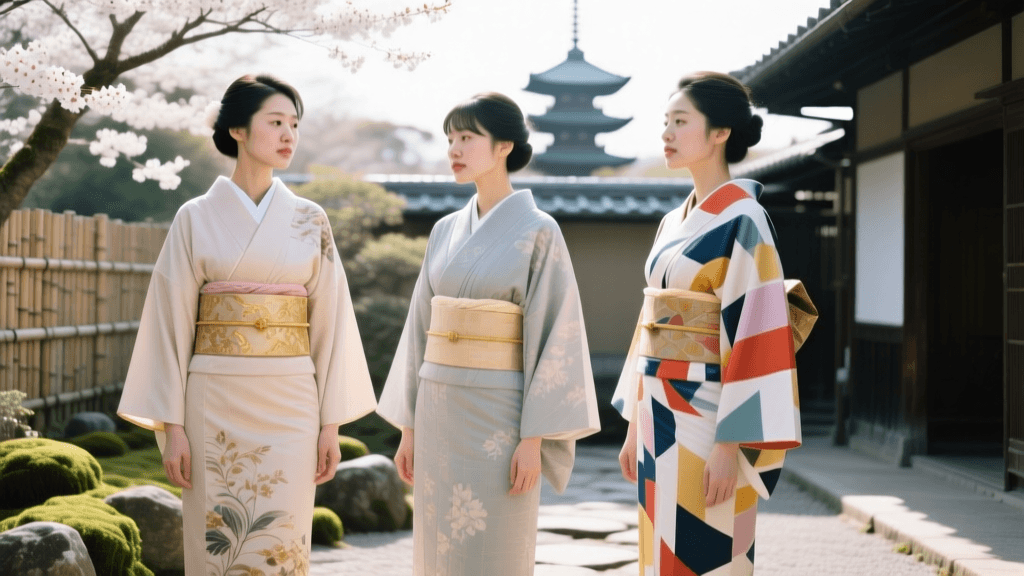
When it comes to the obi (sash), pairing a sheer kimono requires a summer-specific obi, such as a ra (sheer) Fukuro obi or a woven hakata obi. A heavy, embroidered winter obi will visually and physically weigh down a summer garment, breaking the illusion of coolness. For the yukata, the 2026 trend heavily favors the heko obi (a soft, sash-like belt) and reversible cotton obis that allow for vibrant, modern geometric patterns that appeal to younger demographics attending summer fireworks festivals.
Where to Buy Authentic Summer Garments in 2026
Sourcing authentic Japanese summer garments depends heavily on your budget and desired level of formality. For yukata, the barrier to entry is low. Major retailers in Tokyo, Kyoto, and online global platforms offer high-quality, pre-dyed cotton yukata sets ranging from $40 to $150. In 2026, there is also a strong movement toward supporting regional artisan hubs, such as the cotton weavers of Kurume and the indigo dyers of Tokushima, who produce premium, hand-crafted yukata that can last for decades.
For Ro and Sha, buyers have two primary routes: vintage and contemporary artisan. The vintage market is thriving, with specialized online auction houses and physical antique markets in Kyoto (like the To-ji Temple flea market) offering exquisite, mid-20th-century sheer silks for as little as $100 to $300. However, buyers must carefully inspect vintage sheer silks for 'shattering' (silk degradation caused by metallic salts used in historical dyeing). For brand-new, contemporary Ro and Sha, buyers must look to the master weavers of Nishijin (Kyoto) and the silk-producing regions of Gunma. A bespoke, hand-woven Ro kimono commissioned directly from a Nishijin artisan in 2026 will typically start around $1,500 and can easily exceed $3,000, reflecting the hundreds of hours of meticulous loom work required to create the leno weave.
Care and Maintenance for Sheer Fabrics
The delicate nature of Ro and Sha demands specialized care. Unlike cotton yukata, which can be gently hand-washed or machine-washed on a delicate cycle and pressed flat, sheer silks must never be submerged in water at home. Water can cause the silk threads to shift, permanently distorting the delicate leno and gauze weaves.
In Japan, the gold standard for cleaning silk kimono is maruarai, a traditional full-immersion washing technique performed by specialized craftsmen using mild, natural solvents and meticulous hand-stretching. As of 2026, several eco-conscious maruarai services have emerged that utilize biodegradable cleaning agents and offer international mail-in services for overseas collectors. Between wearings, Ro and Sha should be hung on wide, specialized kimono hangers in a well-ventilated, dark room to air out moisture and odors before being folded and stored in tatou (breathable paper wrappers) with natural camphor to deter insects.
Conclusion
Navigating the world of Japanese summer garments in 2026 is a rewarding journey that bridges centuries of textile innovation with modern climate realities. Whether you are donning a breezy cotton yukata for a vibrant neighborhood festival, or elegantly layering a sheer silk Ro kimono for a formal tea gathering, understanding the distinct properties of these fabrics ensures you honor the tradition while maintaining personal comfort. By embracing the seasonal nuances of Ro, Sha, and Yukata, you participate in a living, breathing sartorial heritage that continues to adapt and thrive in the modern era.